Introduction to Zero Waste Camping
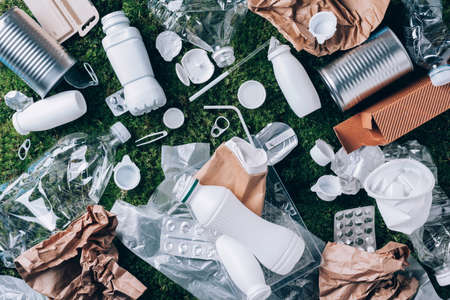
Zero waste camping isn’t just a trend—it’s a hard stance against the tidal wave of rubbish threatening our countryside. In the UK, where cherished landscapes and wild places are constantly at risk from careless disposal and landfill overflow, adopting a zero waste ethos is more than just good practice; it’s an imperative. Whether you’re pitching up on a managed campsite in the Lake District or wild camping along the rugged Scottish coast, every choice you make can directly affect the land beneath your boots. By embracing zero waste principles, campers actively reduce their contribution to landfill, safeguard local wildlife, and ensure that Britain’s natural beauty endures for generations. This approach demands both discipline and ingenuity—packing only what’s essential, opting for durable kit over disposable tat, and planning meticulously to leave no trace. As we dig into smart packing strategies and gear choices tailored for UK adventurers, remember: every piece of rubbish avoided is a step towards preserving our wild places.
Choosing Multi-Use and Durable Gear
If you’re serious about zero waste on your next British camping adventure, the right gear makes all the difference. Swapping out disposable items for hardwearing, multi-functional kit not only slashes your rubbish but also streamlines your packing list. This means fewer things to carry and less faff at camp, all while respecting the wild spaces you love.
Why Go for Multi-Use Kit?
Multi-use gear is about versatility. Think beyond single-purpose bits and bobs—your mug can double as a bowl, your head torch straps onto your rucksack for hands-free lighting, and your sturdy spork tackles both soup and steak. When every item earns its keep, you avoid lugging unnecessary extras and steer clear of disposables.
Durability: Built to Last in British Conditions
The UK’s unpredictable weather demands tough gear. Robust enamel mugs withstand knocks on rocky fells and survive the morning brew round after round. Stainless steel or aluminium all-in-one cooksets shrug off rust and are easy to clean—no need for fragile plastics that end up in the bin after one trip.
Smart Kit Choices: A Quick Comparison
| Item | Multi-Use Functionality | Durability | Zero Waste Advantage |
|---|---|---|---|
| Enamel Mug | Cup, bowl, measuring jug | High (chip-resistant) | No need for paper cups or bowls |
| All-in-One Cookset | Pots, pan, plates, storage container | Very high (metal construction) | Cuts out foil trays, plastic tubs, single-use plates |
| Reusable Water Bottle (Steel) | Bottle, hot drink flask, even weights for tent guy lines | Extremely high (puncture-proof) | Avoids plastic bottles entirely |
| Bamboo Spork | Spoon & fork combo; stirrer; spatula substitute | Moderate (biodegradable) | No plastic cutlery required |
| Dry Bag | Waterproof storage, pillow substitute when stuffed with clothes, laundry sack | Very high (tear-resistant fabrics) | Keeps kit dry so nothing needs bagging up in carrier bags or cling film |
Packing for the British Outdoors: Local Tips
With footpaths crossing boggy moors and campsites often remote from shops, reliability is key. Avoid cheap plastic gadgets that break under pressure or leak after a single use. Instead, invest in trusted brands known for tough kit—think Trangia stoves or Falcon enamelware. They might cost more upfront but will see you through years of wild nights from Dartmoor to the Highlands.
3. Ditching Single-Use Packaging
When it comes to packing for a zero waste camping trip in the UK, single-use packaging is your enemy. The key to minimising rubbish starts with how you source and store your food. Instead of grabbing pre-packaged snacks from the supermarket, head to your local greengrocer or visit a farmers’ market. Not only do these places often allow you to buy loose produce, but you’ll also be supporting British growers and reducing food miles.
Smart Swaps for Everyday Items
To cut down on single-use plastics, invest in reusable containers made from stainless steel or durable BPA-free plastic. These are ideal for portioning out meals, snacks, and leftovers without contributing to landfill. Glass jars repurposed from home can double up as storage for dry goods or even as makeshift mugs. If you’re keen on keeping things lightweight, opt for collapsible silicone tubs – they take up minimal space in your rucksack.
Beeswax Wraps: A British Alternative to Cling Film
Cling film may be convenient, but it’s a nightmare for the environment. Swap it out for beeswax wraps crafted by UK makers – a staple in many eco-conscious British households. They’re perfect for wrapping sandwiches, cheese, and fruit, and when they get grubby, just wash them in cold water and reuse. Some local farm shops and zero waste stores across Britain stock handmade wraps, so keep an eye out next time you’re stocking up for your trip.
Adopting Local Shopping Habits
Beyond gear choices, zero waste packing relies heavily on where and how you shop. Bulk food shops are cropping up across the UK; bring your own bags or containers and fill up on essentials like oats, pasta, and nuts without generating any packaging waste. When buying meat or cheese, ask your butcher or deli counter if they’ll pop your order straight into your own tub – most independents are happy to oblige.
By consciously ditching single-use packaging and adopting these practical swaps rooted in British shopping culture, you’ll not only lighten your rubbish load but also set an example for other campers on the trail.
4. Smart Packing: Bulk and Refills
When it comes to zero waste camping in the UK, smart packing is your first line of defence against unnecessary rubbish. The key is to decant your daily essentials—such as toiletries, washing up liquid, and even dry goods—into smaller, reusable containers. This not only reduces packaging waste but also lightens your rucksack for those long treks across the Lakes or up into the Highlands.
Why Bulk and Refills Matter
Single-use sachets and travel-sized products might seem convenient, but they’re a disaster for waste-conscious campers. Instead, purchasing in bulk and using refillable bottles or tins keeps your kit lean and sustainable. You’ll find British outdoor retailers and supermarkets increasingly offering refill stations for items like shampoo, soap, cleaning fluids, and even some food staples.
Top Essentials for Decanting
| Essential Item | Suggested Refillable Container | UK Retailer with Refills |
|---|---|---|
| Shampoo & Body Wash | Aluminium pump bottle | Lush, Holland & Barrett |
| Washing Up Liquid | Small squeeze bottle | The Clean Kilo, Waitrose (selected stores) |
| Coffee/Tea | Tin or airtight jar | Zero Waste Shops (nationwide) |
| Cooking Oil | Leakproof metal flask | Sainsbury’s (refill trial locations) |
| Porridge Oats/Dry Goods | Fabric pouch or screw-top tub | The Source Bulk Foods, As Nature Intended |
Finding Refill Stations on the Trail
Refill stations are popping up all over Britain—from city supermarkets to rural co-ops. Before heading out, check apps like “Refill” or websites dedicated to zero waste living to locate stations along your route. Many campsites now offer basic refilling options too—just ask at reception. By planning ahead and embracing bulk-buying with refillable gear, you’ll dramatically cut down the rubbish you generate while enjoying the wilds of the UK.
5. Leave No Trace: Managing Waste Responsibly
Mastering Rubbish Separation in the Wild
Proper waste management starts with disciplined rubbish separation, whether you’re pitching up at a bustling Lake District campsite or wild camping on the Scottish moors. Bring along clearly labelled, reusable dry bags for sorting recyclables, general waste, and any hazardous materials (like batteries or gas canisters). Keep a small, sealable bag for micro litter—bits of foil, wrappers, or spent tea bags. By sorting as you go, you’ll avoid mixing rubbish streams and make recycling far easier once back in civilisation.
Composting Biodegradable Waste: The Right Way
If you’re packing out peelings or coffee grounds, consider a compact compost caddy with a secure lid. Only leave behind biodegradable matter where local guidelines explicitly permit it—usually in remote areas well away from water sources and paths. Dig a small hole at least 15 cm deep to bury food scraps, using a lightweight trowel. In busy campsites or protected areas, always pack all food waste out; never assume it will break down quickly or harmlessly in these environments.
Packing Out Rubbish: Adapting to UK Environments
Campsites with Facilities
Many established UK sites offer recycling points—use them diligently and check signage for accepted materials. If bins are full or facilities limited, take your waste home rather than risk overflowing bins attracting wildlife.
Remote Wild Spots
When off-grid, double-bag any non-recyclable rubbish in tough, reusable sacks to prevent leaks and odours. Use a robust dry bag for carrying waste back to the car or nearest disposal point. Always follow the Countryside Code: leave no trace, even if it means hauling your rubbish further than planned.
Local Guidance: Stay Informed & Respectful
Zero waste camping in Britain means staying up to speed with regional rules—some national parks prohibit burying anything, while others allow certain compostable items under strict conditions. Consult local authorities or warden posts before heading out and respect seasonal restrictions aimed at protecting wildlife and habitats. Remember: your reputation as a responsible camper rides on how little trace you leave behind.
6. Zero Waste Campsite Habits and Community Tips
Embracing the British Camping Ethos
Zero waste isn’t just a solo mission—it’s a community mindset that British campers have honed over generations. In the UK, where wild camping is treasured and Leave No Trace is second nature, sharing practical know-how strengthens the collective push towards rubbish-free adventures. Here’s how seasoned British campers keep their sites spotless while fostering a culture of resourcefulness.
Repair, Reuse, and Improvise on the Go
When kit fails miles from civilisation, experienced Brits don’t bin it—they fix it. Carrying a compact repair kit (think duct tape, sewing needles, tent pole splints) is standard practice. If your waterproof jacket tears or a rucksack strap snaps, patching up on the spot not only saves cash but keeps non-biodegradable waste out of landfill. Many share tales of swapping tips around the campfire, passing down repair hacks that keep gear in service for years.
Bartering and Borrowing: Communal Spirit in Action
On many UK campsites, bartering or borrowing kit is more than polite—it’s practical. Forgot your mug? Someone nearby will lend you one rather than see you buy disposable alternatives. Need a stove? Trade a spare tent peg or some extra matches. Such exchanges reduce unnecessary purchases and packaging, cutting down on campsite rubbish while building camaraderie among fellow adventurers.
Joining Local Clean-Up Initiatives
British campers often pitch in with local clean-up events—whether it’s tidying up Dartmoor footpaths or collecting litter along Scotland’s lochs. These initiatives not only restore wild spaces but educate newcomers about reducing impact. Participating means you’re part of something bigger: protecting Britain’s natural beauty for future generations while setting an example that zero waste living is both achievable and rewarding.
Crowd-Sourced Wisdom: Tips from the Field
Seasoned campers suggest packing multi-use items (sporks, collapsible bowls), choosing gear without excess packaging, and planning communal meals to avoid food waste. Others recommend investing in quality kit that lasts or joining online groups like ‘Freecycle’ to borrow or exchange equipment before heading out. Ultimately, every small decision adds up—so tap into this wealth of shared experience for a cleaner, greener British camping adventure.