Introduction to Britain’s Wild Edibles
Imagine wandering through the rolling hills, woodlands, and meadows of the British countryside, hand in hand with your little ones, baskets at the ready, and eyes wide with wonder. Britain is blessed with a treasure trove of wild edibles, each season bringing its own delicious surprises. From juicy blackberries lining the hedgerows in late summer to aromatic wild garlic carpeting ancient woods in spring, the landscape is alive with tasty possibilities just waiting to be discovered. Foraging for wild food isn’t just about finding something to eat – it’s a wonderful way to connect with nature, teach children about where food comes from, and share in the excitement of uncovering edible gems together. Every family outing becomes an adventure, filled with new scents, flavours, and stories to tell around the campfire. As you explore Britain’s wild bounty, you’ll be amazed at the variety of plants, berries, mushrooms, and herbs that can be safely gathered and enjoyed, all while creating cherished family memories in the great outdoors.
2. Foraging Basics: Guidelines for Safety and Sustainability
Before you and your family set off on a foraging adventure in the British countryside, it’s essential to learn the golden rules for safe and sustainable wild harvesting. Not only will this keep everyone safe, but it will also ensure that wild edibles remain plentiful for future generations of nature explorers.
Essential Rules for Responsible Foraging in the UK
- Know the Law: In the UK, you may forage for personal use on public land or with landowner’s permission. However, picking rare or protected species is illegal. Familiarise yourself with the Wildlife and Countryside Act 1981 before heading out.
- Take Only What You Need: Harvest small amounts and leave plenty behind for wildlife and other foragers.
- Leave No Trace: Stick to established paths, don’t uproot plants, and avoid disturbing habitats.
- Respect Private Property: Always ask before entering private land.
Tips for Identifying Common Edible Plants
Learning to identify edible plants is key to a safe and enjoyable experience. Here are a few UK favourites and their identifying features:
| Plant | Where to Find | Key Features | Edible Parts |
|---|---|---|---|
| Nettles | Woods, hedgerows | Serrated leaves, fine stinging hairs | Young leaves (cooked) |
| Wild Garlic | Damp woodlands | Broad green leaves, garlicky aroma, white star-shaped flowers | Leaves, flowers |
| Bramble (Blackberry) | Hedgerows, woodland edges | Thorny stems, pink/white flowers, dark berries in late summer | Berries |
| Elderflower | Roadsides, woodland edges | Large flat clusters of tiny white flowers in late spring | Flowers (for cordial), berries (cooked only) |
Advice for Keeping Everyone Safe During Your Adventure
- If in Doubt, Leave It Out: Never eat anything unless you’re absolutely certain of its identity. Some plants have poisonous lookalikes!
- Supervise Children Closely: Turn plant identification into a game, but always double-check their finds before allowing them to taste.
- Carry a Guidebook: Bring along a British wild food guide or use a reputable app for reference.
- Practice Good Hygiene: Wash hands and wild foods thoroughly before eating or cooking.
- Avoid Roadside and Polluted Areas: Stick to clean environments away from heavy traffic or sprayed fields.
Remember: Foraging in Britain is a wonderful way to bond with your children and connect with nature. By following these simple guidelines, you can ensure your adventure is both safe and sustainable—for you, your family, and the environment.
3. Top Edibles to Find in the British Countryside
Exploring the British countryside is like opening a treasure chest of tasty treats—just waiting for you and your family to discover! Foraging together can be a magical adventure, especially when you know what to look for. Here’s a child-friendly guide to some of Britain’s most popular and easily found wild edibles, along with delightful facts and folklore to share around your campfire.
Blackberries (Bramble Berries)
One of the most beloved wild snacks, blackberries grow abundantly along hedgerows from late summer into autumn. Did you know? In British folklore, it’s said you mustn’t pick blackberries after Michaelmas (29th September) because the devil spoils them! Before that date, however, they’re delicious eaten straight from the bush or stirred into warm porridge by the fire.
Wild Garlic (Ramsons)
In springtime woodlands, wild garlic carpets the ground with starry white flowers and broad green leaves. The leaves have a gentle garlicky taste—perfect for stirring into soups or wrapping around potatoes before roasting in campfire embers. Fun fact: Wild garlic is sometimes called “bear’s garlic” because bears love it too!
Nettles
Don’t let their sting put you off! Young nettle tops are packed with vitamins and make a brilliant addition to soups and teas. Just remember to wear gloves while picking them, and always cook them well to remove the sting. Nettle soup was once a favourite dish among British villagers during the hungry gap in early spring.
Elderflowers and Elderberries
Elder trees offer two seasonal treasures: fragrant elderflowers in early summer and juicy elderberries in autumn. Elderflower cordial is a classic British drink, perfect for sharing on sunny days, while elderberries make lovely jams (but only eat them cooked!). According to old tales, elder trees were thought to protect homes from evil spirits.
Hazelnuts
Hidden in leafy woodland edges, hazelnuts ripen in late summer and early autumn. If you spot squirrels busy at work, you’re not far from these crunchy delights! Hazelnuts can be cracked open for a quick snack or toasted over your campfire for an extra-special treat.
A Few Safety Reminders
Always double-check your finds with an adult or guidebook before eating anything wild, as some plants look very similar but aren’t safe to eat. Foraging together means learning about nature—and looking out for each other!
Campfire Story Time
As you tuck into your wild feast, swap stories about the plants you’ve found. Maybe invent your own folktale about a mischievous squirrel or a wise old hedgerow fairy! With every new edible discovered, the British countryside becomes even more enchanting for young adventurers.
4. Campfire Cooking: Tools, Techniques, and Teamwork
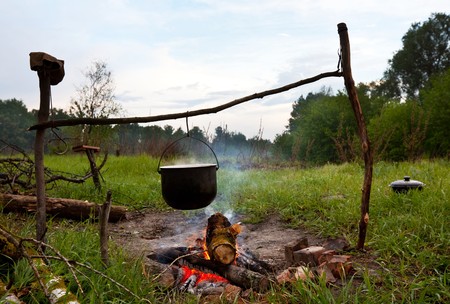
There’s something truly magical about cooking over a campfire in the British countryside, especially when you involve the whole family. Embracing simple and safe methods ensures that everyone, from little ones to grandparents, can join in the fun. Let’s explore some family-friendly ways to cook wild edibles and wholesome meals outdoors, essential tools for your kit, and the wonderful sense of togetherness that comes from preparing food as a team.
Essential Campfire Cooking Tools
| Tool | Description | Why It’s Useful |
|---|---|---|
| Fireproof Gloves | Protect your hands while handling hot pots and utensils. | Safety for all ages when working near flames. |
| Cast Iron Skillet/Pot | Versatile for frying, boiling, or stewing wild finds. | Even heat distribution for reliable cooking results. |
| Long-Handled Tongs & Forks | Helps you turn food safely without getting too close to the fire. | Keeps everyone’s hands safe from burns. |
| Grill Grate | Sits over the fire for grilling mushrooms, fish, or bread. | Makes it easy to cook a variety of foods at once. |
| Bamboo Skewers/Sticks | For roasting marshmallows or threading wild greens and veggies. | Fun for kids and adults alike – perfect for group activities! |
Simple and Safe Campfire Cooking Methods
Foil Packet Meals (Hobo Packs)
A British camping classic! Wrap chopped wild edibles like nettles, wild garlic, or mushrooms with sliced potatoes and a drizzle of oil in foil. Place on glowing embers until cooked through. It’s mess-free and allows children to customise their own packets.
Sizzling Skillet Breakfasts
Start your day with scrambled eggs mixed with freshly foraged herbs or young dandelion leaves. Using a cast iron skillet over gentle heat is both safe and satisfying—kids love helping crack eggs and stirring them gently.
Toasting & Grilling Over Flames
Bread on sticks, mushroom kebabs, or even wild greens can be toasted or grilled over the fire. Always supervise little ones closely and use long-handled tools for safety. This method brings out delicious smoky flavours unique to outdoor cooking in Britain.
The Joy of Outdoor Meal Preparation Together
Cooking as a family around the campfire isn’t just about filling hungry tummies—it’s about building memories. Assign age-appropriate tasks: let younger children wash edible leaves in clean water, older kids can help chop ingredients (with supervision), and adults manage the fire. Share stories while you wait for your meal to cook; perhaps recount folk tales of British woodlands or talk about the wildlife spotted during your forage. This teamwork fosters confidence in children and creates lasting connections with nature—and with each other.
5. Tasty Campfire Recipes with Wild Ingredients
Gathering wild edibles is only half the fun—the real magic happens when you turn your harvest into a meal the whole family can enjoy around the campfire. Let’s explore some classic British recipes, made simple for little hands to help with every step. Cooking outdoors becomes a special memory when everyone joins in, mixing, stirring, and tasting together.
Simple Nettle Soup
Nettles are a British countryside staple, packed with goodness. Wearing gloves, children can help pick the leaves and wash them thoroughly. Over the campfire, gently sauté a chopped onion and potato in a little oil, then add the nettles and enough water to cover. Simmer until soft, then blend or mash with a spoon for a rustic soup. Top with a swirl of cream and a sprinkle of wild chives for extra flavour.
Wild Garlic Flatbreads
Soft, warm flatbreads are perfect for campfire cooking. Mix plain flour, a pinch of salt, water, and a drizzle of oil to form a dough. Little ones can help knead and flatten the dough. Chop wild garlic leaves and press them into the dough before toasting the flatbreads on a hot griddle or frying pan. Enjoy them fresh with a spread of butter or alongside your nettle soup.
Brambly Apple and Blackberry Crumble
Foraged blackberries and British apples make a comforting pudding. Children can wash and slice the apples and pick through the berries. Pop the fruit in a pan with a sprinkle of sugar and a dash of lemon juice, and cook gently until soft. Mix oats, flour, and butter to make a crumbly topping, then layer over the fruit and bake in a Dutch oven over the embers. Serve warm—a true taste of the British outdoors!
Safety First
Always supervise children near the campfire and remind them to wash their hands after handling wild plants. Cooking together is not just about eating—it’s about learning, laughing, and making memories in Britain’s beautiful wild places.
6. Staying Safe: Tips for Allergies, Plants to Avoid, and First Aid
Nothing puts a damper on your wild food adventure quite like an upset tummy or a rash, so let’s make sure your campfire feast is as safe as it is delicious. Here are some practical steps for recognising hazards, handling allergies, and knowing what to do if things go awry.
Spotting Poisonous Lookalikes
Britain’s hedgerows and woodlands are full of edible treasures, but some wild plants have sneaky doppelgängers that can cause harm. Always double-check your finds using a reliable field guide or app. For instance, wild garlic (ramsons) looks similar to the toxic lily of the valley; check for the signature garlicky smell when in doubt. Likewise, never eat mushrooms unless you are absolutely certain of their identity – many edible species have poisonous cousins.
Plants to Be Wary Of
- Deadly Nightshade (Belladonna): Shiny black berries that can easily be mistaken for safe fruits.
- Hemlock: Feathery leaves often confused with cow parsley; even small amounts are dangerous.
- Foxglove: Beautiful but deadly if ingested – avoid picking near these flowers.
Managing Allergies Around the Campfire
If you or your little ones have food allergies, take extra care when introducing new wild edibles. Always try a tiny amount first and wait before eating more. Bring along any necessary medication, such as antihistamines or an EpiPen if prescribed. Remember, cross-contamination can happen easily around shared campfire tools, so use separate utensils if needed.
Allergy Checklist for Wild Foragers
- Introduce one new food at a time.
- Have allergy medication readily accessible.
- Teach children not to taste anything without adult approval.
First Aid Essentials for Outdoor Cooking
No one likes to think about accidents, but being prepared helps everyone relax and enjoy the experience. Pack a basic first aid kit that includes plasters, antiseptic wipes, tweezers (for thorns and stings), and burn cream. Familiarise yourself with the symptoms of poisoning – such as nausea, dizziness, or rashes – and know where the nearest hospital is just in case.
Family-Friendly First Aid Tips
- If someone feels unwell after eating wild food, call NHS 111 for advice straight away.
- For minor burns from the campfire, cool the area under running water for at least ten minutes.
- If you suspect someone has eaten something poisonous, keep a sample of the plant for medical staff to identify.
With a little bit of knowledge and a dash of caution, you’ll be well on your way to enjoying Britain’s wild bounty with peace of mind – ensuring every outdoor meal is memorable for all the right reasons!
7. Leaving No Trace: Caring for Nature Together
As we enjoy the adventure of foraging and cooking wild edibles over a campfire in Britain’s great outdoors, it’s vital to remember our responsibility to care for these beautiful spaces. Teaching our children to respect nature not only protects wildlife and habitats but also ensures that future generations can delight in these experiences, too.
Simple Ways to Show Respect for Nature
Begin with the basics: always take all your rubbish home, including food scraps and packaging. Even biodegradable items can harm local ecosystems or attract unwanted animals. Encourage your family to double-check your picnic spot before you leave, making it a fun treasure hunt to find any forgotten bits and bobs.
Treading Lightly
Stick to established paths whenever possible and avoid trampling delicate plants when searching for wild edibles. Only pick what you need, and never harvest rare or protected species—this is a wonderful opportunity to teach children about respecting plant life and understanding the balance of nature.
Campfires with Care
If you’re cooking over a campfire, use designated fire pits or portable stoves wherever available, and make sure fires are fully extinguished before you leave. Gather fallen wood rather than breaking branches from living trees, and keep fires small to minimise their impact on the ground below.
Wildlife Watching Wisely
Part of the joy of being outdoors is spotting birds, insects, and other creatures. Remind children to watch quietly from a distance so as not to disturb animals’ natural behaviours. Share stories about how each animal plays its part in Britain’s rich ecosystem—sparking curiosity and empathy.
A Lasting Family Tradition
By making “leave no trace” habits part of every outdoor meal or forage, families help preserve Britain’s treasured landscapes for everyone. These gentle routines become cherished traditions that children will carry into adulthood, ensuring our wild places continue to thrive.