Introduction to Wild Camping in the UK
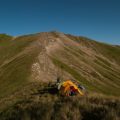
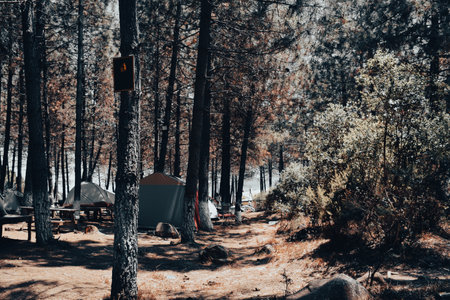
Wild camping in the UK is a unique way to experience the great outdoors, offering a more adventurous and solitary alternative to staying at established campsites. Unlike official campsites, which come equipped with facilities such as toilets, showers, and designated pitches, wild camping involves pitching your tent in remote or undeveloped areas—often far from the conveniences of civilisation. This approach appeals to those seeking a deeper connection with nature, tranquillity, and a break from crowded spots. However, it’s important to understand that wild camping carries different legal implications across the UK’s nations, and is generally more restricted than many people assume. While Scotland has more relaxed rules under the Land Reform Act, most of England, Wales, and Northern Ireland require landowner permission before setting up camp. The sense of freedom and adventure draws many to wild camping, but it also comes with responsibilities: respecting local laws, minimising environmental impact, and ensuring safety for yourself and others. By understanding what makes wild camping distinct from traditional campsites, outdoor enthusiasts can better prepare for a rewarding and lawful adventure in the UK countryside.
Understanding UK Wild Camping Laws
Before pitching your tent in the British countryside, it’s crucial to understand the legal landscape of wild camping across the UK. The rules vary widely between Scotland, England, Wales, and Northern Ireland. In this section, we’ll summarise the key legal considerations and highlight how you can camp responsibly and within the law.
Legal Overview by Country
| Region | Wild Camping Legality | Key Considerations |
|---|---|---|
| Scotland | Generally Allowed | Permitted under the Scottish Outdoor Access Code, except in certain areas (e.g., Loch Lomond & The Trossachs National Park where byelaws apply) |
| England | Mostly Not Permitted | Requires landowner’s permission; exceptions in parts of Dartmoor National Park (with restrictions after 2023 court ruling) |
| Wales | Mostly Not Permitted | Similar to England—requires explicit landowner consent, with a few tolerated spots in remote areas |
| Northern Ireland | Not Permitted | No general right; landowner permission is essential; some forest parks offer designated camping zones |
Responsible Wild Camping: Do’s and Don’ts
- Always seek permission: If you’re unsure about land access, contact the landowner or check local regulations before setting up camp.
- Leave no trace: Take all litter home, avoid damaging vegetation, and minimise campfire impact—using a stove is usually safer and more acceptable.
- Camp discreetly: Use small tents, stay out of sight from roads and homes, and move on after one night if possible.
- Avoid restricted areas: Respect local signs and byelaws, especially in national parks or nature reserves.
- Be considerate: Keep noise to a minimum and respect other visitors and wildlife at all times.
Your Responsibilities as a Wild Camper
The spirit of wild camping in the UK is rooted in respect for nature and private property. By understanding regional laws and following responsible practices, you help maintain access for everyone. Remember: what’s allowed in Scotland may be illegal just across the border in England or Wales, so always check up-to-date local guidance before heading out.
3. Essential Kit for Wild Camping
If you’re planning a wild camping adventure in the UK, packing the right kit is crucial for both safety and comfort, especially given the country’s famously unpredictable weather and varied landscapes. Below is a practical checklist designed to help you prepare for anything the British outdoors might throw your way.
Tent: Your First Line of Defence
Choose a lightweight, waterproof tent that can stand up to wind and rain. A low-profile design helps you stay discreet and sheltered from sudden gusts, while a robust groundsheet keeps you dry even on boggy moorland or damp woodland floors.
Sleeping System: Warmth Matters
A good quality sleeping bag rated at least three seasons is essential, as even summer nights can get chilly. Pair it with an insulating sleeping mat to keep off the cold ground. Consider a bivvy bag if you’re aiming for maximum stealth or minimal weight.
Cooking Kit: Hot Meals in All Weather
A compact camping stove and fuel are must-haves; open fires are generally not permitted when wild camping in the UK. Opt for a windproof design, and don’t forget lightweight cookware, utensils, and a reliable lighter or waterproof matches. Always pack your rubbish out—leave no trace is the golden rule.
Clothing: Layer Up for British Conditions
The key to staying comfortable is layering. Start with moisture-wicking base layers, add insulating mid-layers (like fleece), and finish with a fully waterproof jacket and trousers. Sturdy walking boots are essential for tackling muddy paths or rocky hills, and don’t forget warm hats and gloves—even in spring or autumn.
Navigation & Safety Gear
Carry an OS map and compass; don’t rely solely on your phone as signal can be patchy in remote areas. A head torch with spare batteries, first aid kit, whistle, and emergency blanket round out your essentials. For extra peace of mind, consider a personal locator beacon if you’re venturing far off the beaten track.
Final Touches
Pack light but don’t compromise on essentials. Dry bags help keep kit safe from rain showers or river crossings. And always carry enough water or have a means to purify natural sources—UK streams aren’t always as clean as they look!
4. Food, Water, and Cooking Tips
When wild camping in the UK, thoughtful meal planning can make your experience more enjoyable while also helping you respect local laws and the environment. Here are some practical tips for managing food, water, and cooking responsibly:
Meal Planning for British Wild Camps
Opt for lightweight, non-perishable foods that are easy to prepare. Traditional British favourites such as porridge oats, baked beans (in a tin or pouch), and oatcakes are excellent choices. For protein, consider cured meats or vacuum-packed tuna. Plan meals that require minimal cooking to save fuel and reduce impact.
| Meal Time | Recommended Foods | UK-Friendly Suggestions |
|---|---|---|
| Breakfast | Porridge oats, cereal bars | Porridge with dried fruits, tea bags |
| Lunch | Oatcakes, hard cheese, nuts | Savoury pies (ambient), scotch eggs (short trips) |
| Dinner | Pasta packs, instant noodles | Tinned beans & sausages, packet soups |
Managing Water Safely
Water sources in the UK can be variable in quality. Always carry enough water for at least one day and supplement from streams or springs if needed—preferably those running over rocks rather than through farmland. Use a filter or purification tablets to ensure safety.
- Bottle/Bladder: Bring 2–3 litres per person per day.
- Purification: Tablets or portable filters recommended.
- Boiling: A reliable backup where open fires are permitted.
Leave No Trace Cooking Principles
The UK’s wild landscapes are precious. The Leave No Trace ethos is critical when wild camping:
- Use a camping stove: Open fires are illegal in most places; gas or alcohol stoves minimise impact and are safer.
- Avoid disposable BBQs: These pose fire risks and leave traces behind.
- Pack out all food waste: Don’t bury scraps; use resealable bags to carry out rubbish.
- Select durable surfaces: Cook on bare earth or stones—never on vegetation.
- Cleansing up: Use minimal biodegradable soap well away from water sources; scatter strained dishwater broadly.
Summary Table: Wild Camping Food & Water Essentials
| Item | Description/Advice | Legal Note (UK) |
|---|---|---|
| Camping stove & fuel | Portable gas/alcohol stove only; no open fires on most land | Makeshift fires often prohibited by local byelaws |
| Water filter/tablets | Treat all collected water before drinking/cooking | No legal restrictions but essential for health |
| Bags for waste/rubbish | Packed out—no littering or burying waste allowed | Littering is a prosecutable offence under UK law |
| Pots/pans/cutlery (lightweight) | Nesting sets save space; avoid heavy kit for long treks | No restrictions but minimise bulk/weight for remote areas |
By planning your food and water needs carefully—and always following Leave No Trace principles—you’ll help protect the UKs unique wild spaces while enjoying your adventure responsibly.
5. Staying Safe and Respectful
Wild camping in the UK is a rewarding experience, but it demands careful attention to both personal safety and your impact on the environment. Here’s what you need to consider to ensure your adventure remains positive for you, local communities, and wildlife.
Your Safety in Wild Places
Always let someone know your intended route and expected return time. The British weather can be unpredictable—pack waterproofs, extra layers, and a reliable map or GPS. Mobile phone signal isn’t guaranteed in remote areas, so don’t rely solely on digital navigation; carry a physical OS map as backup. Be aware of your limits, especially when walking in areas like the Scottish Highlands or Lake District fells where terrain can be challenging.
Respecting Wildlife
The UK’s wild places are home to diverse flora and fauna. Avoid disturbing nesting birds or trampling wildflowers by choosing established pitches rather than creating new ones. Store food securely to prevent attracting animals, and never feed wildlife—this disrupts their natural behaviours and diet.
Consideration for Rural Communities
Many wild camping spots are close to working farms or small villages. Always use public rights of way when accessing land, close gates behind you, and avoid blocking tracks or gateways with parked vehicles. If you encounter farmers or landowners, be polite and explain your intentions—respect is key to maintaining good relations between campers and locals.
Minimising Environmental Impact
Follow the Leave No Trace principles: pack out all rubbish (including biodegradable items like orange peel), avoid open fires unless explicitly permitted, and use a camping stove instead. Human waste should be buried at least 15cm deep and well away from water sources. Choose reusable containers over single-use plastics and stick to established paths whenever possible to prevent erosion.
A Final Note
Staying safe and respectful not only protects you but helps preserve the unique landscapes that make wild camping in the UK so special. Your responsible actions will ensure these wild places remain open for future generations of adventurers.
6. Recommended Wild Camping Locations
Scenic and Legal Spots Across the UK
The UK offers a diverse range of wild camping opportunities, but it’s crucial to choose locations where you can camp legally and responsibly. While true wild camping is generally restricted in England, Wales, and Northern Ireland without landowner permission, Scotland stands out with more liberal access thanks to the Land Reform (Scotland) Act 2003. Below are some top suggestions for scenic and legal wild camping spots around the UK, including local tips and regional highlights.
Scotland: The Wild Camper’s Paradise
Scotland is often considered the go-to destination for wild camping enthusiasts. The Cairngorms National Park boasts remote glens and high plateaus perfect for those seeking solitude amid dramatic landscapes. The West Highland Way also offers several informal camping opportunities along its route. For coastal lovers, the beaches of Arisaig provide stunning views and tranquil settings—just be sure to follow Leave No Trace principles and avoid busy crofting areas during lambing season.
Dartmoor, England: Unique Legal Access
Dartmoor National Park is one of the few places in England where wild camping is permitted in designated areas. The rugged moorland scenery is ideal for adventurous campers, though it’s important to check the Dartmoor National Park Authority map before pitching your tent, as rules have recently changed and not all areas allow overnight stays. Locals recommend arriving late in the day and leaving early to minimise your impact on this sensitive environment.
The Lake District: Seek Permission First
While wild camping isn’t strictly legal in the Lake District without landowner consent, many fell tops are remote enough that discreet, respectful campers are tolerated—especially if you’re off the beaten path. Always ask for permission if possible, camp high above the valleys, and avoid popular tourist spots. Windermere and Wasdale Head are particularly scenic but tend to be busier; quieter corners can be found near Ennerdale or Eskdale.
Brecon Beacons, Wales: A Scenic Challenge
Officially, wild camping in Wales requires landowner consent, but the Brecon Beacons National Park offers excellent mountain backdrops for those who seek adventure and solitude. Stick to higher ground well away from roads or settlements, pitch late, leave early, and always take all rubbish home with you. Local walkers suggest Fan y Big or Pen y Fan’s quieter ridges for less crowded experiences.
Local Tips for a Responsible Experience
No matter where you go, always respect local guidelines: keep group sizes small, avoid lighting fires, minimise noise, and leave your pitch as you found it—or better. Carry out all waste (including food scraps), and use a portable stove rather than open flames. Finally, remember that weather conditions change rapidly across UK uplands—always check local forecasts before heading out.
By choosing your location thoughtfully and respecting both nature and local communities, you’ll ensure a memorable wild camping experience while helping preserve these special places for future adventurers.