Understanding Wild Camping Laws in the UK
When it comes to wild camping in the UK’s National Parks, the rules are as varied and rugged as the landscapes themselves. Before you pitch your tent under a British sky, it’s vital to grasp the legalities to avoid unnecessary run-ins with landowners or park rangers. In England and Wales, wild camping is generally not permitted without explicit landowner permission due to strict trespass laws. The Lake District and Dartmoor stand out—while Dartmoor previously allowed wild camping by tradition, recent legal disputes have muddied the waters, and only specific zones now permit it with certain conditions. In contrast, Scotland’s access rights are among the most liberal in Europe. Thanks to the Land Reform (Scotland) Act 2003, you can wild camp responsibly almost anywhere in open country, provided you follow the Scottish Outdoor Access Code. However, certain high-traffic locations like Loch Lomond impose seasonal byelaws restricting camping during peak months. Throughout all UK National Parks, sticking to small groups, minimising your impact, and leaving no trace are unwritten codes among seasoned wild campers. Understanding these regional nuances ensures you stay on the right side of the law while soaking up Britain’s wilder side.
Choosing Your National Park: The Best Spots for Wild Camping
When it comes to wild camping in the UK, choosing the right national park is crucial. Each park offers a unique blend of terrain, atmosphere, and rules that can make or break your outdoor experience. Whether youre seeking windswept moors, rugged mountains, or tranquil lakesides, the UK’s national parks deliver variety in spades. Below is a guide to some of the top picks for wild camping, highlighting their signature landscapes and local character.
Top National Parks for Wild Camping
| National Park | Signature Terrain | Scenic Highlights | Local Vibe |
|---|---|---|---|
| Lake District | Lakes, fells, and crags | Crummock Water, Helvellyn Ridge | Classic English countryside; lively but peaceful outside tourist hotspots |
| Dartmoor | Moorland, granite tors | Haytor Rocks, Widecombe Valley | Remote and windswept; steeped in legend and isolation |
| Cairngorms | Pine forests, high plateaus | Braeriach summit, Loch Morlich | Raw Scottish wilderness; colder and more challenging conditions |
| Snowdonia | Mountains, valleys, rivers | Snowdon peak, Glyderau range | Bilingual culture; rugged and adventurous spirit |
| Peak District | Limestone dales, gritstone edges | Stanage Edge, Kinder Scout plateau | Accessible yet wild; friendly walking community vibes |
| Yorkshire Dales | Dales, rolling hills, caves | Malham Cove, Ingleborough Hill | Traditional Yorkshire hospitality; sense of timelessness and space |
Selecting Your Spot: What to Consider?
- Terrain: Seek elevated ground for views but avoid exposed ridges in bad weather.
- Water Sources: Proximity to streams or lakes is vital—just remember to purify before drinking.
- Remoteness: The further from main paths you go, the more solitude youll find—but navigation gets tougher.
The Local Atmosphere Matters Too
The UK’s national parks each carry their own flavour. Dartmoor grants you legal wild camping rights (with restrictions), making it a favourite for first-timers. The Lake District’s patchwork of private land means discretion and respect are essential—pitch late, leave early. Cairngorms demand technical know-how due to their harsh climate but reward with true wilderness isolation. Wherever you go, blend in with the landscape: keep noise down and camp out of sight from roads and homes. In short—choose your park based on your skill level and appetite for adventure.
3. Essential Gear for UK Wild Camping
A Checklist Tailored to the British Climate
If you’re heading into the wilds of a UK National Park, your kit selection can make or break your experience. The British countryside is notorious for its unpredictable weather—sunshine one moment, howling gales and sheets of rain the next. Here’s a no-nonsense checklist of gear you’ll need to survive and thrive out there.
Shelter: Weatherproof and Low-Impact
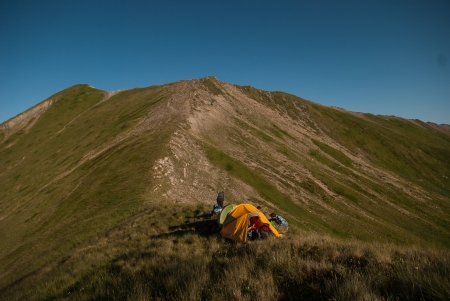
Your tent needs to be robust, waterproof (look for a minimum 3000mm hydrostatic head), and able to withstand gusty winds common on exposed moorland and fells. Go for muted colours to stay low-profile—bright orange might stand out in the Alps, but it’ll earn you unwanted attention here. A lightweight bivvy bag or tarp also works if you want to keep your pack minimal and blend in with the scenery.
Sleeping System: Warmth Without Bulk
Nights can turn frigid even in midsummer. Choose a sleeping bag rated at least 5°C lower than the forecast low, and pair it with an insulated mat. Down bags are lighter but don’t fare well if soaked; synthetic keeps you warm even when damp—a lifesaver in soggy British woodlands.
Clothing: Layer Up, Stay Dry
Forget jeans—pack quick-drying, moisture-wicking layers. Merino wool or technical synthetics for base layers; a solid fleece or insulated jacket; and always, a fully waterproof shell (jacket and trousers). Spare socks are non-negotiable—you’ll be grateful after the inevitable bog crossing.
Navigation & Safety: Trust Your Map
Phone signal is unreliable in many parks. Bring an OS map, compass, and know how to use them. Headtorch with spare batteries, whistle, and a first aid kit should never leave your rucksack. Consider a power bank—British drizzle saps phone battery fast.
Cooking & Water: Lightweight But Reliable
A compact stove (gas or alcohol) beats an open fire—fires are frowned upon or outright banned in most UK National Parks. Bring enough fuel and a windproof lighter. Water sources are plentiful but not always clean: carry a filter or purification tablets as livestock often roam free.
Why This Gear Matters in the UK Countryside
The British outdoors rewards those who respect its quirks—changeable weather, saturated ground, and strict leave-no-trace principles. Skimping on kit isn’t just uncomfortable—it can be downright dangerous when conditions turn. With the right gear, you’ll not only survive but actually enjoy wild camping across Britain’s stunning national parks.
4. Survival Skills for the British Outdoors
Wild camping in the UK’s national parks isn’t just about pitching your tent in a picturesque spot—it’s about outlasting the elements and staying sharp when nature gets tough. Here’s what you need to know to handle Britain’s unpredictable climate and varied terrain.
Navigation: Mastering Map and Compass
Forget relying solely on your smartphone; signal drops are common in the remote reaches of Snowdonia or the Lake District. Equip yourself with an Ordnance Survey map and a reliable compass. Learn to read contour lines, grid references, and landmarks. Practice plotting routes before you set off and always have a backup plan if visibility drops—a frequent hazard in misty British hills.
Shelter Building: Staying Dry Is Survival
The UK is notorious for sudden rain, biting winds, and chilly nights, especially on higher ground. While a proper tent is ideal, sometimes you’ll need to improvise if kit fails or conditions change fast. Know how to rig a tarp between trees or build a windbreak from bracken or rocks. Always select a sheltered pitch away from exposed ridges or waterlogged ground. Here’s a quick comparison of shelter options:
| Shelter Type | Best For | Pros | Cons |
|---|---|---|---|
| Tent | All-round use | Weather protection, quick setup | Weight, bulk |
| Tarp & Bivvy Bag | Lightweight hiking | Flexible, packs small | Exposed to wind/rain if not pitched well |
| Natural Shelter (bracken/rocks) | Emergency only | No gear needed | Poor insulation, time-consuming |
Food and Water Sourcing: Keep Going Strong
You can’t rely on finding shops or pubs once you’re deep in the wilds. Pack enough calorie-dense food—oatcakes, flapjacks, dried meats—to fuel long days. Foraging is limited in most national parks but wild berries (like bilberries on moors) are fair game in late summer. Water is your real challenge; streams abound but can be contaminated by livestock or runoff.
How to Source Safe Water:
- Boil it: The safest method—rolling boil for at least one minute.
- Filter it: Use a portable water filter (minimum 0.1 micron).
- Pills/Drops: Water purification tablets are light and effective for most bacteria.
- Avoid stagnant pools: Opt for fast-flowing streams away from farms where possible.
Tackling Unpredictable UK Weather: Stay Safe, Stay Dry
The British weather can turn on a sixpence—glorious sunshine gives way to sleet or fog with little warning. Check the Met Office mountain forecast before heading out and pack layers: thermal base, fleece mid-layer, waterproof shell. Always carry a hat and gloves—even in midsummer. If caught out by storms, descend from high ground and avoid lone trees during lightning. In winter months, daylight is short; carry a head torch and know your route back before dusk.
If you keep these hard-earned skills sharp, you’ll not only survive but thrive while wild camping across Britain’s legendary national parks.
5. Wildlife, Leave No Trace, and Respecting the Land
Guidelines for Minimising Impact
Wild camping in the UK’s national parks comes with a duty to protect these cherished landscapes. Follow the Leave No Trace principles: pack out all rubbish, avoid disturbing natural features, and use a camp stove rather than lighting fires. Pitch your tent late in the day and strike camp early to remain discreet and reduce your footprint. Stick to established paths when hiking, and set up camp on durable ground to prevent erosion. Always use biodegradable soap away from water sources.
Interacting with Local Wildlife
The British countryside is home to an array of wildlife, from red deer in Scotland to rare birds in the Lake District. Observe animals quietly from a distance—never feed them or leave food scraps behind. Keep dogs under close control or on leads, especially during lambing season or ground-nesting bird periods. Remember, disturbing wildlife is not just bad form; it can also be illegal under UK law.
The Importance of Traditional British Countryside Etiquette
Respect for the land is steeped in British tradition. Always close gates behind you, follow any local signage, and avoid blocking farm tracks or access points when parking or pitching up. Greet other walkers with a friendly nod or “hello”—it’s customary and helps foster goodwill among locals and fellow campers alike. If you’re approached by a landowner or ranger, respond politely and be prepared to move on if asked; maintaining good relations ensures wild camping remains tolerated in many areas.
Key Takeaways for Responsible Wild Camping
By following these guidelines—minimising your impact, respecting wildlife, and adhering to countryside etiquette—you play your part in preserving the UK’s national parks for future generations. This hard-edged respect for nature isn’t just survival savvy; it’s what sets true wild campers apart in Britain’s great outdoors.
6. Emergency Preparedness and What to Do If Things Go Sideways
When wild camping in the UK’s national parks, it pays to be hard-nosed about emergencies. The British weather is notoriously fickle; blue skies can turn into gale-force storms with little warning. Before you set out, check the Met Office forecast and always plan an escape route. Carry a proper map (Ordnance Survey is your best bet) and compass, not just a smartphone—batteries die fast in the cold and wet.
Sudden Weather Changes
If caught by a storm, seek natural shelter like a hollow or behind a sturdy dry stone wall. Avoid isolated trees, ridge tops, and exposed ground. Don’t try to outrun lightning; squat low if you must, and put any metal kit well away from you.
Injuries in the Wild
A twisted ankle or worse can happen anywhere—especially on boggy moorland or rocky crags. Always pack a basic first aid kit: plasters, gauze, antiseptic wipes, triangular bandage, painkillers. If you or a mate are immobilised, keep warm with spare layers or a bivvy bag while deciding whether to move or signal for help.
Lost Your Bearings?
Poor visibility can disorient even seasoned hillwalkers. If you get lost, stop immediately to avoid wandering further off course. Use your map and compass; try to identify landmarks when clouds lift. If truly stuck after dark, stay put unless you’re sure of your direction—wandering blind increases risk.
Contacting Mountain Rescue
If things go properly pear-shaped—serious injury, lost in dangerous terrain—don’t hesitate to dial 999 and ask for ‘Police’ then ‘Mountain Rescue.’ Give clear details: your grid reference (learn how to read one before your trip), nature of emergency, party size, and any medical issues. Conserve your phone battery by keeping it off until needed, and consider carrying a power bank.
Final Word: Be Ready
The UK’s hills and wild spaces command respect. Prepare for the worst case but hope for the best; that’s the hard-edged reality of wild camping here. Kit yourself out properly, know your limits, and never take unnecessary risks—the mountains will still be there another day.