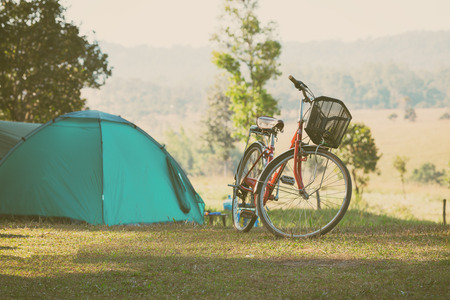
1. Understanding the Legal Landscape
When embarking on a wild camping and cycle touring adventure across the UK, it’s crucial to grasp the patchwork of laws that govern where you can pitch your tent or roll out your bivvy bag. The legal landscape varies sharply between England, Scotland, and Wales, with each nation enforcing its own blend of statutory rights and local customs. In Scotland, thanks to the Land Reform (Scotland) Act 2003, wild camping is broadly permitted on most unenclosed land, provided you adhere to the Scottish Outdoor Access Code. This makes Scotland a haven for those seeking true back-to-basics nights under canvas. In contrast, England and Wales operate under much stricter regulations: wild camping is generally prohibited without explicit landowner permission, except for certain areas like Dartmoor National Park, where limited rights have been recognised—though even these are subject to ongoing legal challenges and periodic changes. Legal grey areas abound; while discreet overnight stops are sometimes tolerated in remote spots if you leave no trace and remain respectful, there’s always a risk of being moved on or fined. Understanding these regional differences—and the nuances of local byelaws—is essential for anyone planning to wild camp or cycle tour responsibly throughout Britain.
2. Finding Your Spot: Where to Pitch Legally and Ethically
If you’re wild camping and cycle touring in the UK, finding a suitable spot is as much about local knowledge as it is about respecting the law and the land. Wild camping occupies a grey area under British law—what’s tolerated in one region might be strictly prohibited in another. Here’s how to navigate this landscape without landing yourself in hot water.
Understanding Land Ownership and Access Rights
Most land in England, Wales, and Northern Ireland is privately owned. This means that, legally, you must obtain the landowners permission before pitching your tent. Scotland, thanks to the Land Reform (Scotland) Act 2003, allows wild camping on most unenclosed land, provided you follow the Scottish Outdoor Access Code. However, even here, discretion and respect are paramount.
National Parks: Special Considerations
Some National Parks have specific bylaws or designated areas where wild camping is allowed or officially tolerated. Dartmoor was once famed for its permissive attitude, but recent legal changes have tightened rules—always check current regulations before heading out. Elsewhere, like the Lake District or Snowdonia, wild camping is often quietly accepted if you camp high, out of sight, arrive late, leave early, and leave no trace.
Quick Reference Table: Wild Camping Permissions by Region
| Region | Status | Notes |
|---|---|---|
| England & Wales | Not permitted without permission | Seek consent; exceptions in some upland areas if discreet |
| Scotland | Permitted (with restrictions) | Follow Outdoor Access Code; avoid enclosed or cultivated land |
| Northern Ireland | Not permitted without permission | Very limited access; always seek permission |
Best Practices for Ethical Wild Camping
- Avoid pitching near homes, roads, or busy trails.
- If possible, ask local farmers or landowners for consent—they may point you to a better spot or even offer fresh water.
- Camp late, leave early. Minimise your presence to reduce disturbance.
- Always pack out everything you bring in. Leave no trace includes litter, food scraps, and even evidence of your fire (if permitted).
Tapping Local Knowledge
Cyclists and campers alike benefit from local pubs and village shops—not just for supplies but also for advice on where you might be able to pitch up without causing offence. A polite word goes a long way in rural Britain.

3. Leave No Trace: British Countryside Etiquette
When embarking on a wild camping and cycle touring adventure across the UK, upholding the principle of “leave no trace” is not just good practice—its essential etiquette. The British countryside is cherished for its natural beauty, historic footpaths, and tranquil wild spaces. To ensure these landscapes remain unspoilt for future explorers, you must tread lightly and respect both nature and local communities.
Minimising Environmental Impact
Stick to established paths and tracks wherever possible to avoid trampling delicate flora or disturbing wildlife habitats. Pitch your tent late in the day and depart early, choosing discreet spots away from busy trails or private property. Use a stove instead of lighting open fires, which are often prohibited and can scar the landscape or pose a wildfire risk—especially on moorlands.
Respecting Local Communities
The British countryside is not just wild space; it’s also home to farmers, landowners, and rural residents. Always seek permission if you’re unsure whether wild camping is tolerated in an area—especially in England and Wales, where the right to roam is limited. Keep noise levels down, don’t block gateways or farm access, and avoid crowding small villages with large groups or bikes. Be polite if approached, explain your intentions clearly, and move on promptly if asked.
Preserving for Future Explorers
Take all rubbish with you—including food waste—and leave your pitch exactly as you found it. Avoid using soaps or detergents in streams or lakes, even those labelled as biodegradable. If nature calls, do so at least 50 metres from water sources and bury waste responsibly. These small acts of consideration help maintain goodwill between outdoor enthusiasts and landowners, ensuring that the privilege of exploring Britain’s wild places endures for generations to come.
4. Stealth and Survival: Staying Safe and Unnoticed
Wild camping and cycle touring across the UK demand more than just physical endurance; they require a tactical mindset. The art of stealth camping is about leaving no trace, remaining unseen, and staying safe while respecting the land and its owners. Here’s how to master the balance between adventure and discretion.
Tips for Setting Up a Discreet, Low-Impact Camp
- Choose Your Spot Wisely: Avoid obvious locations such as public parks, busy footpaths, or farmland visible from roads. Woodland edges, disused quarries, or overgrown hedgerows are preferable for their natural cover.
- Arrive Late, Leave Early: Set up your bivvy or tent at dusk and pack away at first light. Minimising your time on site reduces the chance of unwanted attention.
- Keep It Small: Opt for muted-colour tents or tarps that blend in with natural surroundings—greens, browns, or greys are ideal. Avoid bright lights or fires that could give away your position.
- No Trace Left Behind: Stick to ‘leave no trace’ principles. Bag all rubbish, avoid digging or damaging plants, and use a stove rather than an open fire.
Blending in with Your Surroundings
| Action | Reason | British Etiquette Tip |
|---|---|---|
| Wear muted clothing | Avoids drawing attention from afar | Avoid camo patterns that may alarm locals |
| Minimal gear outside tent | Keeps camp tidy and less noticeable | Tidy up before dark to avoid complaints |
| Select natural barriers (hedges/trees) | Provides concealment from paths and roads | Do not damage live foliage—respect private property boundaries |
Handling Unexpected Encounters with Landowners or the Public
- Stay Polite and Honest: If approached by a landowner or member of the public, be courteous. Apologise if you’ve inadvertently trespassed, explain you’re passing through and will leave no trace.
- Know Your Rights: While Scotland has more liberal access laws under the Scottish Outdoor Access Code, most of England and Wales operates under stricter regulations. Always respect “No Camping” signs.
- Avoid Arguments: Never argue or become confrontational. If asked to move on, do so promptly without fuss; this helps maintain goodwill for future campers.
- Prepared Answers: Have a simple explanation ready: you’re on a cycle tour, following wild camping etiquette, and will be gone at first light with no trace left behind.
Your Survival Checklist for Stealth Camping in Britain
- Bivvy bag or low-profile tent in neutral colours
- Head torch with red-light mode to avoid bright beams at night
- Packed food requiring no open flames for cooking
- Portable water filter for remote refills
- Pocket rubbish bags for all waste (including organics)
- Sufficient mapping/GPS to ensure you’re off private land where possible
The Bottom Line:
If you want to enjoy wild camping while cycle touring across Britain, your best survival tool is respect—for nature, for people’s property, and for local customs. Mastering stealth techniques will keep your adventures uninterrupted and your conscience clear.
5. Cycle Touring Essentials for the British Outdoors
When embarking on a wild camping and cycle touring adventure across Britain, your kit is your lifeline. The unpredictability of the British weather, combined with the diverse terrain—from rolling Cotswold hills to blustery Scottish moors—demands a gear setup that is both robust and versatile. Packing smart isn’t just about weight; it’s about readiness for whatever the countryside throws at you.
Weatherproof Your Ride: Gear Up for Rain, Wind, and Mud
The British climate is notorious for its mood swings. A waterproof, breathable jacket is non-negotiable—look to established brands like Rab or Berghaus for outer layers that stand up to relentless drizzle. Pair this with quick-drying base layers and merino wool socks from Bridgedale to stave off damp chills. Don’t forget a sturdy set of mudguards and panniers from Ortlieb or Carradice (the latter being a classic British choice), ensuring your kit stays dry on sodden lanes.
Terrain-Ready Tyres and Tools
British byways can go from tarmac to gravel in a blink. Fit your bike with puncture-resistant tyres—Schwalbe Marathon Plus are a trusted favourite among UK tourers. Carry a compact multi-tool, spare tubes, and a reliable pump; tracks in the Lakes or Highlands often leave you fending for yourself miles from the nearest shop.
Packing Strategy: Efficiency Meets Survival
Pack light but never skimp on essentials. Use dry bags within your panniers to keep everything organised and moisture-free. Prioritise high-calorie snacks (think oatcakes or Kendal Mint Cake) that fuel long rides and store easily. A lightweight stove—like those from Trangia or Jetboil—means you’re never far from a hot brew, no matter how remote your campsite.
Rural Infrastructure: Charging and Navigation
Power up with a dynamo hub or portable battery pack; rural Britain isn’t bristling with sockets. OS Maps (paper or app) remain the gold standard for navigation, as signal blackspots are frequent in wilder areas.
Tip Your Cap to Local Brands
Embrace kit with roots in British outdoor heritage—not only does it support local craftsmanship, but it also ensures your equipment is designed with homegrown conditions in mind. Whether it’s a Brooks saddle for all-day comfort or an Alpkit bivvy bag for stealth camping under the stars, investing in reputable UK brands pays dividends when you’re braving the elements on British soil.
6. Cultural Nuances and Dealing with Authority
Understanding the British attitude towards wild camping and cycle touring is just as crucial as knowing the law. The UK is a patchwork of traditions, unspoken codes, and regional quirks, particularly when it comes to how locals perceive strangers pitching tents or cycling through their countryside. Here’s how to navigate these cultural nuances with respect and awareness.
British Attitudes: Respect and Discretion
Brits are famed for their politeness, love of privacy, and ‘live and let live’ mindset—provided you show respect for people and property. Most rural communities are welcoming to considerate cyclists who keep a low profile, leave no trace, and demonstrate an appreciation for the landscape. However, wild camping still falls outside social norms in many areas, especially in England and Wales. The Scottish Highlands tend to be more accepting due to tradition and legal rights, but discretion is always valued. Avoid drawing attention to your camp; arrive late, leave early, and never set up in plain view of houses or popular footpaths.
Conversations with Locals: The Art of Good Manners
If approached by landowners or villagers while setting up camp or passing through on your bike, greet them courteously—a simple “Good evening” or “Afternoon” goes a long way. Be prepared to explain your journey briefly; locals often appreciate genuine interest in their region and may offer advice or even a safer spot to camp. Always listen respectfully if asked to move on, apologise for any inconvenience caused, and comply without argument. Remember: in the UK, charm and humility open more doors than confrontation ever will.
Handling Encounters with Law Enforcement
If you’re visited by police or park rangers, remain calm and cooperative. It’s rare for wild campers to face prosecution unless there’s significant damage or disturbance, but officers may ask you to relocate if you’re on private land or in sensitive areas. Politely explain your situation—emphasise that you intend no harm, are following Leave No Trace principles, and will move on at first light. Having a good knowledge of local access laws can help your case; showing that you’re informed and respectful demonstrates responsibility. In almost all cases, respectful dialogue resolves issues amicably.
In summary, blending technical know-how with cultural sensitivity is key to successful wild camping and cycle touring in Britain. Know the law, but also understand the social fabric you’re travelling through; show respect for both people and place at every turn.