Understanding the UK’s Changeable Weather
If you’ve spent any time in the UK, you’ll know that the weather can be famously unpredictable. One minute it’s drizzling, the next there’s bright sunshine, and by afternoon you might need a jumper for an unexpected cold snap. For parents and carers, this ever-changing climate poses a challenge: how do you keep your children safe and comfortable when the forecast can turn on a sixpence?
The British climate is marked by frequent rainfall, chilly spells even in spring or autumn, and occasional heatwaves that seem to come out of nowhere. In fact, it’s not uncommon to experience all four seasons in a single day! With such variability, being prepared is key.
Staying ahead of the weather means keeping a close eye on local forecasts. Apps like the Met Office or BBC Weather are trusted sources for up-to-date information. Many families also rely on school alerts and local radio stations for real-time updates, especially during extreme conditions. By making it a habit to check the forecast each morning, you’ll be better equipped to dress your kids appropriately and plan your day with confidence.
Rainy Days: Essential Gear and Precautions
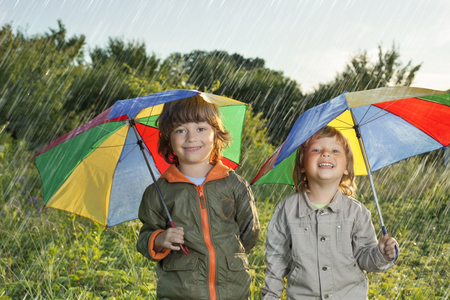
When it comes to British weather, rain is almost a given—especially during the school run or a weekend outing. Ensuring your kids are kitted out with the right waterproof gear is a game-changer for keeping them comfortable and healthy. Here’s a practical rundown of must-have items and smart tips for navigating those damp days.
Waterproof Clothing Essentials
| Item | Why It Matters | Recommended Features |
|---|---|---|
| Raincoat/Parka | Keeps body dry during downpours | Fully waterproof, taped seams, hood with peak |
| Waterproof Trousers | Prevents soggy legs from puddles or wet grass | Elastic waist, easy to slip over uniform, lightweight material |
| Puddle Suits (All-in-Ones) | Total protection for younger children playing outdoors | One-piece design, elastic cuffs, reflective strips for visibility |
| Wellies (Wellington Boots) | Keeps feet dry and warm in puddles and mud | Non-slip soles, easy pull-on handles, fleece lining for winter months |
| Child-Friendly Umbrella | Covers head and shoulders on short walks or at bus stops | Lightweight, rounded tips for safety, easy open/close mechanism |
Navigating Wet Playgrounds & School Runs
Wet playgrounds can be slippery and muddy, but that doesn’t mean outdoor fun has to stop. Encourage your child to stick to tarmac areas if possible, and always check the grip on their wellies before heading out. For school runs, plan extra time as pavements may be more congested with brollies and puddle-dodging parents. If your child cycles or scooters to school, consider waterproof covers for bags and hi-vis vests for maximum safety.
Puddle-Proofing Tips for Parents
- Always pack a spare pair of socks and trousers in your child’s school bag.
- Label all waterproof gear clearly—school cloakrooms are notorious for mix-ups.
- If using an umbrella, teach children how to carry it safely in crowds to avoid poking others.
- For buggy users: invest in a robust rain cover that fits snugly without flapping in the wind.
- After school, hang up wet clothes straight away to prevent mildew and keep them fresh for next time.
The Takeaway
A bit of rain shouldn’t spoil the day. With the right kit and a little prep, UK weather becomes just another part of the adventure—and you’ll have peace of mind knowing your little ones stay dry and content come drizzle or deluge.
3. Battling the Cold: Layering and Warmth for Kids
When winter grips the UK, keeping children warm is about more than just comfort—it’s about safety. The unpredictable British chill can catch even seasoned parents off guard, so having a solid plan for layering up is essential. Start with a thermal base layer—think long-sleeved vests or thermal tops that sit snug against the skin, wicking away any moisture and trapping body heat. Add a mid-layer such as a fleece or wool jumper for insulation; these materials are tried and tested for British winters and don’t add too much bulk under coats.
For outer layers, invest in a good-quality, waterproof winter coat with a hood. Look for options with adjustable cuffs and hems to keep out biting winds and driving rain—a must for blustery school runs or playtime at the park. Don’t forget about extremities: hats that cover ears, insulated gloves or mittens, and thick socks are non-negotiable during cold snaps. A lot of body heat is lost through the head and hands, so make sure these are well protected before heading outdoors.
Inside the home, draughts can quickly turn cosy rooms chilly. Keep children snug by encouraging them to wear slippers or fluffy socks around the house. Use soft blankets when watching telly or reading together on colder evenings. If your home tends to get particularly cold, consider layering pyjamas or using sleep sacks for younger children at bedtime.
Above all, make dressing for the weather fun—let kids pick their favourite colours or prints for hats and gloves so they’re excited to bundle up before going outside. Involve older children in checking the daily weather forecast (BBC Weather app is a handy tool) so they can learn how to prepare themselves independently over time.
Heatwaves in Britain: Keeping Cool and Sun-Safe
Though the UK is famous for its drizzly days and chilly winds, we’re no strangers to the occasional heatwave. When the mercury rises, it’s crucial to keep children safe outdoors, especially as British homes and schools aren’t always equipped for extreme heat. Here’s a practical guide based on real-life experience to help your family beat the heat safely.
Tried-and-Tested Essentials for Hot Weather
Sun hats are a must-have—look for ones with wide brims or neck flaps that provide extra shade. Baseball caps might be popular, but they leave little ears and necks exposed. For sun protection, SPF 50+ sunscreen is recommended, especially those formulated for sensitive skin and water-resistance for outdoor play. Reapply every two hours and after swimming or sweating.
Quick Comparison: Sun Protection Gear
| Item | Recommended Features | UK Parent Tips |
|---|---|---|
| Sun Hat | Wide brim, UPF 50+, adjustable chin strap | Packed in school bags even on ‘cloudy’ days |
| Sunscreen | SPF 50+, broad spectrum, fragrance-free | Keep a bottle by the front door for quick top-ups before heading out |
| Sunglasses | UV400 protection, flexible frames | Name label them—kids lose them easily! |
Hydration: The British Way
Keen as we are on our tea, nothing beats plain water during a heatwave. Encourage kids to take regular sips rather than waiting until they’re thirsty. Reusable water bottles marked with measurements can help you track intake. A top tip: freeze bottles overnight so they stay cool through the day—especially handy for picnics and school trips.
Dressing Smart for Heatwaves
Choose lightweight, loose-fitting clothing made from natural fabrics like cotton or linen. Light colours reflect heat better than dark ones. For younger children, all-in-one UV suits make beach or park days fuss-free and sun-safe. Avoid layering; even if it’s “just in case,” overheating is a bigger risk than catching a chill during a hot spell.
Outdoor Safety Reminders During Heatwaves
- Avoid direct sun between 11am–3pm (the hottest part of the day)
- Seek out shaded spots in parks or gardens—bring a pop-up tent if needed
- Plan activities like playground visits or sports early in the morning or later afternoon
- Check playground equipment temperature before use—metal slides and swings can burn little hands and legs fast!
- If travelling by car, never leave children inside unattended—even with windows open, temperatures rise dangerously quickly
By being prepared with these straightforward strategies, you’ll help ensure your children enjoy the rare sunshine safely and comfortably. Summer fun in Britain can be brilliant—with just a bit of practical planning!
5. Everyday Routines: Weather-Proofing Your Family
In the UK, where weather can shift from drizzle to downpour or a sudden cold snap in the blink of an eye, building simple yet effective weather-proofing routines is essential for keeping your family safe and comfortable. Here’s how to turn weather preparedness into an everyday habit:
Daily Weather Checks: Start the Day Right
Make checking the forecast as routine as your morning cuppa. Use reliable UK-based weather apps like the Met Office or BBC Weather before leaving the house. Get your children involved—let them help read out today’s forecast and pick their outfits accordingly. Not only does this teach them self-reliance, but it also sparks awareness about their environment.
Packing Extras: Always Be Ready
British weather loves surprises, so pack extra layers, waterproofs, and spare socks in your child’s school bag. A compact umbrella or a foldable rain mac is a must-have. Don’t forget sun hats and water bottles when it’s warm—heatwaves might be rare but they do happen! Keeping a ‘just-in-case’ kit by the door means you’re never caught off guard.
Teaching Kids About British Weather Safety
Use everyday experiences to talk about weather safety. Explain why it’s important to avoid puddles in case they hide hazards, or why we don’t play outside during a thunderstorm. Encourage older kids to check bus or train updates on wet mornings, teaching them how British infrastructure responds to severe weather. These small lessons add up, giving your children practical knowledge that keeps them safe year-round.
The key to effective weather preparedness is consistency. By embedding these habits into daily life, you’ll build a weather-savvy family ready for whatever the great British sky throws your way.
6. Emergency Preparedness and Local Resources
Being prepared for extreme weather is essential when it comes to keeping kids safe in the UK. Our weather can change rapidly—from sudden downpours and floods to icy cold snaps or even unexpected heatwaves. Having a plan helps you stay calm and act quickly. Start by signing up for local flood alerts through the Environment Agency or Met Office. These services send notifications directly to your phone or email, so you’ll know if heavy rain or flooding is on the way. For cold spells, check council websites for information on gritting routes and school closures—many councils also offer ‘warm spaces’ during freezing weather where families can seek shelter if needed. If you’re facing a heatwave, Public Health England provides up-to-date health advice online, including tips on hydration and keeping cool. It’s also worth noting where your nearest community centre is located, as they often become hubs for support during emergencies. Keep a basic emergency kit at home—think torches, batteries, bottled water, snacks, blankets, and a list of important contacts (including NHS 111). Make sure your child knows how to dial 999 in an emergency and understands basic safety rules for each type of weather event. By tapping into these local resources and having a clear family plan, you’ll be better equipped to handle whatever British weather throws your way, ensuring peace of mind for both you and your children.