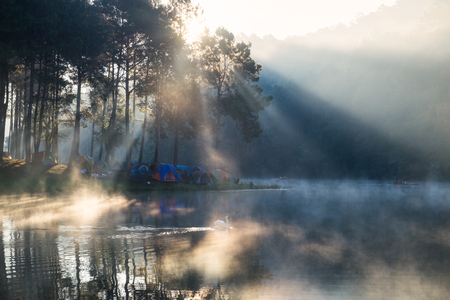
Understanding Water Availability in the British Countryside
When embarking on a wild camping adventure in the British countryside, understanding where and how to find water is crucial. The UK landscape, from the rugged Highlands of Scotland to the rolling hills of Wales and the Lake Districts fells, offers a variety of natural water sources. Streams, rivers, and tarns (small mountain lakes) are the most common options for campers seeking hydration. However, locating these sources requires both planning and a keen eye for topography. Ordnance Survey maps are invaluable tools for identifying potential water features before setting out. While streams are often reliable in upland areas, they can run dry during prolonged spells of good weather, especially in late summer. Rivers are generally more consistent but may be further from your chosen campsite or subject to agricultural runoff downstream. Tarns provide picturesque spots to refill bottles but can sometimes have stagnant sections that require extra care when sourcing water. It is also worth noting that access to water varies greatly depending on the region and recent rainfall patterns, so flexibility and local knowledge are assets. Always consider factors such as elevation (higher sources tend to be cleaner), proximity to livestock or human habitation (which may affect water quality), and the environmental impact of your presence. In short, successful wild camping in Britain relies on a sound understanding of how to locate clean water in harmony with the landscape and its unique challenges.
2. Assessing Water Quality: Risks and Common Contaminants
Wild camping in the British countryside offers a unique connection to nature, but sourcing water from natural streams, rivers, or lakes comes with genuine risks. It’s not simply a matter of clarity or taste—UK water sources may contain invisible contaminants that can impact your health. Understanding the most common hazards and evaluating water quality before use is critical for every wild camper.
Main Sources of Contamination in the UK Outdoors
| Contaminant Source | Description | Typical Locations |
|---|---|---|
| Agricultural Runoff | Pesticides, fertilisers, and animal waste washed into waterways after rain. | Fields, farmland borders, lowland streams near agriculture. |
| Livestock | Faecal bacteria (E. coli, Cryptosporidium), parasites from grazing animals. | Pastures, moorlands, upland areas with sheep or cattle. |
| Industrial Pollutants | Chemicals and heavy metals from factories or historic mines entering rivers. | Near industrial estates, disused mining regions (e.g., parts of Cornwall, North Pennines). |
| Natural Debris & Algae | Rotting plant matter; blue-green algae (toxic blooms in warm weather). | Lakes, ponds, slow-moving waters especially during summer. |
| Human Impact | Sewage leaks, litter, microplastics from urban or high-traffic rural areas. | Towpaths, busy walking trails, campsites near settlements. |
How to Evaluate Water Before Use
1. Visual Inspection
- Clarity: Avoid water that is murky, coloured (brown/green), or contains visible debris.
- Surface Scum: Steer clear of water with oily films or foam on top—signs of contamination or algae blooms.
- Animal Activity: Check for livestock upstream or animal faeces nearby; both increase bacterial risk.
2. Location Matters
- Avoid Downstream from Farms: Agricultural runoff increases after rainfall—move upstream if possible.
- Away from Paths & Settlements: The further you are from human activity, the lower the risk of pollution and sewage leaks.
- Select Fast-Flowing Sources: Running water is generally safer than stagnant pools which allow bacteria and parasites to multiply.
3. Sensory Checks (Smell & Taste)
- If water smells unusual (chemical, rotten eggs, strong earthy odour), it’s best avoided—even after purification treatments.
- If in doubt about source safety, always purify and err on the side of caution rather than risk illness.
Summary Table: Quick Risk Assessment Checklist
| Check Item | Status? |
|---|---|
| No livestock/animal presence upstream? | ✓ / ✗ |
| Away from obvious agricultural or industrial sites? | ✓ / ✗ |
| No visible contamination/scum/debris? | ✓ / ✗ |
| Sourced from running/fast-flowing water? | ✓ / ✗ |
The British wilds are not immune to modern pollutants and natural hazards. By methodically assessing water quality before collection and applying basic field checks outlined above, you can drastically reduce your exposure to contaminants while enjoying your wild camping adventure responsibly.

3. Best Practices for Water Collection
When wild camping in the British countryside, sourcing water responsibly is both a necessity and an act of stewardship. The UK’s variable weather, lush landscapes, and diverse terrain offer plenty of opportunities to find water, but each comes with its own considerations. Here are practical, field-tested methods for collecting water safely while minimising your environmental impact.
Choosing the Right Collection Site
Selecting your water source is critical. Look for fast-flowing streams or springs, ideally upstream from human activity or livestock. Avoid stagnant ponds, ditches, or water near campsites and footpaths to reduce contamination risks. In the Lake District or Scottish Highlands, you may find clear mountain burns; on Dartmoor or Exmoor, small brooks are common but always assess clarity and flow rate first.
Practical Collection Techniques
Use a lightweight container or dedicated water bag to collect water. Dip from the centre of the stream rather than the edges, as banks often harbour more sediment and bacteria. If rainwater is abundant—which is often the case in Britain—set up a tarp or use your tent fly to funnel water into a clean vessel. For dew collection on misty mornings, wipe down foliage with a clean cloth and wring it out over your bottle—a slow but viable backup method.
Minimising Environmental Impact
Always collect water at least 30 metres away from natural water bodies when washing or cleaning gear to avoid introducing soap and contaminants. Stick to established paths and collection points where possible to reduce trampling sensitive vegetation. When setting up tarps or rain catchers, avoid damaging branches or disturbing habitats—use non-invasive ties and leave no trace behind.
Respecting Local Guidance and Access Rights
In many parts of the UK, especially Scotland under the Outdoor Access Code, you have rights to roam and collect water respectfully. Still, always check local restrictions (such as on private estates or near protected habitats) before setting up camp or harvesting water. Be considerate: take only what you need and share sources if others are present.
By following these best practices for water collection tailored to British conditions, you’ll stay hydrated while ensuring the wild remains unspoiled for those who come after.
4. Purification Methods Suited to the UK Outdoors
Securing safe drinking water in the British wilds demands an understanding of both the available purification methods and the unique contaminants commonly found in UK sources. Below, I’ll compare three main approaches—boiling, chemical treatments, and filtration—while highlighting their effectiveness against local threats like Cryptosporidium, agricultural runoff, and heavy rainfall-induced pathogens.
Boiling
Boiling water is a classic method and widely recommended by organisations such as the NHS and Mountain Rescue. Bringing water to a rolling boil for at least one minute (or three minutes at higher altitudes) will reliably kill bacteria, viruses, and most protozoa. However, it does not remove chemical contaminants or particulates, which are increasingly relevant in areas near farmland or after heavy rain.
Chemical Treatments
Chemical purifiers—typically chlorine dioxide or iodine tablets—are lightweight and easy to use. Chlorine dioxide is particularly effective against bacteria, viruses, and protozoa like Giardia. However, it is less reliable against Cryptosporidium (notorious for outbreaks in UK water supplies), as this parasite’s hardy oocysts can resist chemical disinfection. Additionally, chemical treatments won’t address pesticides or fertiliser residues from agricultural runoff—a genuine concern in rural Britain.
Water Filters
Modern portable filters come in pump-action, squeeze, and gravity-fed varieties. High-quality microfilters (with a pore size of 0.2 microns or less) can physically remove bacteria, protozoa—including Cryptosporidium—and sediment. Some advanced models also incorporate activated carbon elements that reduce chemical residues and improve taste. However, filters do not eliminate viruses unless they include an additional purification stage or are combined with chemical treatment.
Comparison Table: Purification Methods vs UK-Specific Threats
| Method | Bacteria & Viruses | Protozoa (e.g., Cryptosporidium) | Agricultural Chemicals |
|---|---|---|---|
| Boiling | Yes | Yes | No |
| Chemical Treatment (Chlorine Dioxide/Iodine) |
Yes | Partial/No (Cryptosporidium resistant) |
No |
| Filtration (0.2 micron + Carbon) |
Bacteria only (Viruses not removed) |
Yes | Some reduction (Carbon element needed) |
Key Takeaways for UK Wild Camping
The safest approach in the British outdoors often involves combining methods: filter first to remove particulates and protozoa (especially if you suspect agricultural contamination), then boil or chemically treat to neutralise viruses and bacteria. Always assess your water source’s proximity to farmland or livestock; these factors significantly increase the risk of both biological and chemical contaminants. In summary, adapt your purification routine to the specific challenges of the UK landscape for peace of mind while staying hydrated.
5. Legal and Ethical Considerations of Water Use
When wild camping in the British countryside, it is crucial to understand both your legal rights and ethical responsibilities regarding water sourcing. The UK has a unique set of rules governing land and water access, so being well-informed helps ensure you leave no trace and maintain good relations with local communities and nature.
Access Rights and Water Collection
Unlike Scotland’s more permissive “right to roam” laws under the Land Reform (Scotland) Act 2003, most of England, Wales, and Northern Ireland operate on a different basis. Access to rivers, lakes, and streams is not automatically granted. Always check if you are on public land or have permission from the landowner before collecting water. In national parks or designated areas, signage may indicate where water collection is permitted or discouraged.
The Countryside Code
The Countryside Code is central to outdoor ethics in Britain. It advises: respect everyone, protect the environment, and enjoy the outdoors responsibly. When sourcing water, avoid disturbing wildlife habitats or private property. Stick to established paths and avoid trampling sensitive riverbanks or wetlands. If you need to wash utensils or yourself, do so at least 30 metres away from any water source to prevent contamination.
Responsible Water Usage
Minimising your impact on local ecosystems is vital. Take only what you need and avoid depleting small streams during dry periods, as these are crucial for local flora and fauna. Never use soap—even biodegradable varieties—directly in rivers or lakes; instead, collect water in a container for washing well away from the source. Dispose of greywater by spreading it thinly on soil far from natural watercourses.
Complying with UK Regulations
It’s also important to be aware of regulations such as byelaws in certain protected areas that might restrict wild camping or water collection entirely. Breaching these could result in fines or being asked to leave by wardens or landowners. Always research your intended camping area beforehand using official resources like National Park Authority websites.
Summary: Leave No Trace
Ultimately, responsible wild campers act as stewards for future visitors and local wildlife alike. By understanding access rights, adhering to the Countryside Code, using water considerately, and following all relevant UK regulations, you help preserve the pristine nature of Britain’s wild places for years to come.
6. Staying Hydrated: Planning and Monitoring Intake in the Field
Proper hydration is a cornerstone of any successful wild camping trip in the British wilds, where weather conditions can be highly variable and sometimes deceptive. It’s vital to calculate your personal water needs based on factors such as activity level, temperature, and humidity. As a general guideline, most adults require at least 2 to 3 litres of water per day under moderate conditions. However, if you’re trekking in warmer weather or tackling strenuous routes – say, scaling the Lake District fells or traversing the Scottish Highlands – your requirements may increase to 4 litres or more.
Assessing Your Needs
Start by honestly evaluating your planned activities and the prevailing forecast. In cool, damp British climates, perspiration might not be obvious but fluid loss still occurs through breath and exertion. Keep an eye on urine colour as a practical indicator: pale straw suggests good hydration, while darker shades point towards dehydration. Adjust your intake accordingly.
Water Storage Solutions
Efficient storage is essential for managing your water supply on the go. Rigid bottles are robust and easy to refill from streams or purification setups, while collapsible bladders save space when empty. For longer treks between reliable sources, consider using multiple containers – this offers redundancy in case of leaks or contamination. Stow water where it’s easily accessible during walks (e.g., side pockets or hip belt pouches) so you’re prompted to sip regularly rather than gulping large amounts less frequently.
Practical Tips for Easy Access
Make use of quick-access bottle holders or hydration systems with drinking tubes if you prefer hands-free sipping on the move. Label each container clearly if you’re treating water separately (e.g., ‘purified’, ‘untreated’). Set reminders for yourself to drink at regular intervals—British weather can lull you into underestimating your needs, particularly on overcast days.
Ultimately, staying hydrated requires a mix of planning ahead and adapting on the fly. Monitor your consumption against physical signs, be realistic about changing weather patterns, and always err on the side of caution by carrying a little extra when feasible. With thoughtful preparation and mindful monitoring, you’ll ensure hydration never becomes a weak link in your wild camping adventure across Britain’s untamed landscapes.