Introduction: The Heritage of British Stews and Soups
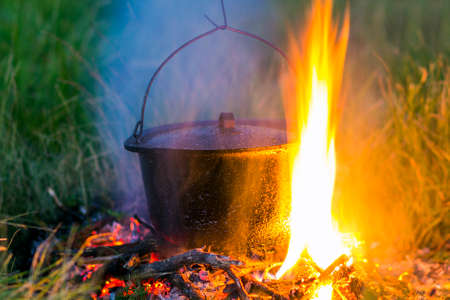
There’s something undeniably comforting about a steaming bowl of stew or soup, especially when enjoyed outdoors by a crackling campfire. Traditional British stews and soups have stood the test of time, offering both sustenance and warmth through centuries of changing seasons. Rooted in a rich culinary heritage, these dishes reflect Britain’s rural traditions, where resourcefulness and hearty flavours go hand in hand. From the rolling hills of Yorkshire to the rugged coastlines of Cornwall, families have passed down recipes that make use of locally-sourced ingredients, slow-cooked to perfection over open flames. Today, these classic recipes remain a staple for campers and outdoor enthusiasts across the UK, not just for their delicious taste but also for their practicality. Whether it’s a robust Lancashire hotpot in autumn, a fragrant cock-a-leekie soup in spring, or a spicy Mulligatawny on a brisk winter evening, British stews and soups bring people together around the fire. Their ability to warm both body and spirit makes them the ideal choice for al fresco cooking all year round. In this article, we’ll explore what gives these traditional dishes their enduring appeal and how you can recreate them for your own outdoor adventures.
Essential British Ingredients for Hearty Stews and Soups
When it comes to crafting the comforting depth of flavour that defines traditional British stews and soups, choosing the right local ingredients is absolutely key. There’s a timeless practicality to British cooking—rooted in the seasons and what grows best in our climate—that still guides cooks from rural cottages to city kitchens across the UK. Here’s a practical look at staple ingredients and classic pairings that give these dishes their signature character, plus some top tips for sourcing them locally.
Classic British Stew and Soup Staples
Many traditional recipes rely on humble, yet flavourful, pantry staples. From earthy root vegetables to robust cuts of meat, here are some must-have ingredients you’ll find in most authentic British stews and soups:
| Ingredient | Why It’s Essential | Local Sourcing Tips |
|---|---|---|
| Beef or Lamb (stewing cuts) | Adds richness & slow-cooked depth; classic for stews like Lancashire hotpot or Scotch broth | Look for locally reared cuts such as shin, neck, or shoulder at your nearest butcher or farm shop |
| Pearl Barley | Thickens broths & adds nutty texture; a Scottish favourite | Available in most supermarkets; try health food shops for organic varieties |
| Potatoes & Root Veg (carrots, parsnips, swede) | Create hearty bulk & sweetness; the backbone of many rustic soups | Buy loose from local greengrocers or farmers’ markets for best freshness and value |
| Leeks & Onions | Lend aromatic base notes; essential for Welsh cawl & cock-a-leekie soup | Welsh leeks are a point of pride—seek out regional produce during winter months |
| Cabbage & Greens (kale, savoy cabbage) | Add colour, nutrients & slight bitterness to balance flavours | Grow-your-own or buy by the head—look out for seasonal specials in spring and autumn |
| Fresh Herbs (thyme, parsley, bay leaf) | Brighten up rich broths & stews with subtle herbal notes | Snip from your own garden or window box; market bunches offer good value year-round |
| Ale, Stock, or Bone Broth | Provides deep savoury base; ale gives a malty twist in classics like steak & ale stew | Bottle-conditioned real ales from local breweries work beautifully; homemade stock is best but cubes suffice in a pinch |
Signature Flavour Pairings in British Campfire Cooking
The magic of British stews and soups often lies in time-honoured combinations. Think lamb with barley and mint, beef with ale and root veg, or chicken with leek and thyme. These pairings not only highlight the natural goodness of each ingredient but also help you make the most of whatever is fresh and local.
Sourcing Tips: How to Shop Like a Local in Britain
If you’re keen to cook truly authentic campfire stews while exploring Britain or just want to support local producers at home, here are some tried-and-tested tips:
- Farmers’ markets: The best place for just-dug veg and free-range meats.
- Your local butcher: Great for friendly advice on cuts perfect for slow-cooking.
- Veg box schemes: Seasonal deliveries bring variety right to your door.
- Semi-wild herbs: Foraging safely for wild garlic or nettles can add unique twists to your campfire pot.
The Takeaway: Building Your British Stew Larder
Stocking up on these essentials means you’ll always be ready for a proper warming stew or soup—whether you’re cooking over an open fire on a drizzly campsite or simmering away at home on a chilly night. With these building blocks and a bit of local know-how, you’re set for all-season comfort food that’s full of British spirit.
3. Classic Recipes for Every Season
If you’re keen to embrace the great British outdoors, nothing beats gathering round a campfire with a steaming bowl of classic stew or soup in hand. Here, we’ll walk you through step-by-step campfire-friendly takes on some beloved British recipes—perfectly tailored for spring, summer, autumn, and winter. These rustic, hearty dishes not only celebrate the best of British culinary tradition but are also practical and straightforward for outdoor cooking.
Spring: Cock-a-leekie Soup
Cock-a-leekie is a Scottish favourite that welcomes the first green shoots of spring. For a campfire version, all you need is a heavy-bottomed pot and some simple prep.
Step-by-Step Campfire Method:
- Chop up leeks and carrots at home for easy packing.
- On the fire, brown chicken thighs (bone-in for extra flavour) with a knob of butter.
- Add prepared veg, top up with water or chicken stock cubes dissolved in boiling water from your flask.
- Toss in a handful of prunes (the secret Scottish touch), season well, and simmer gently until the chicken is tender.
- Serve hot with crusty bread—perfect for that unpredictable spring weather!
Summer: Mulligatawny Soup
This Anglo-Indian classic brings warmth without heaviness—a fantastic summer supper after an active day outdoors.
Step-by-Step Campfire Method:
- Dice onions, carrots, celery, and apple ahead of time.
- Sauté veg in oil over the campfire until softened.
- Add curry powder and stir till fragrant; then tip in pre-cooked lentils or rice.
- Add chopped cooked chicken (or keep it veggie), pour in stock, and let it bubble away for 20 minutes.
- A squeeze of lemon and fresh coriander lifts the flavours—enjoy alfresco!
Autumn: Lancashire Hotpot
When the evenings draw in and leaves turn gold, Lancashire Hotpot is just the ticket.
Step-by-Step Campfire Method:
- At home, slice potatoes thinly and store in water to prevent browning.
- Layer lamb chunks (or mushrooms for veggie campers), onions, carrots, and potatoes in your Dutch oven or cast iron pot.
- Season each layer well; add a splash of ale or stock before topping with more potato slices.
- Cover tightly and cook slowly over embers until bubbling and golden on top—autumn comfort in every bite.
Winter: Hearty Beef & Barley Stew
No winter campout would be complete without a stick-to-your-ribs stew.
Step-by-Step Campfire Method:
- Dredge beef chunks in flour and brown them directly in your pot over the flames.
- Add root veg—parsnips, swede, carrots—along with barley and bay leaves.
- Pile in stock and let it simmer low and slow as you warm your toes by the fire.
- This stew gets better the longer it cooks—perfect for those long winter nights under canvas or stars.
Your Year-Round British Campfire Feast
No matter the season or where you pitch your tent—from Lake District fells to Cornish cliffs—you can conjure up traditional British stews and soups that feel right at home outdoors. With these straightforward step-by-step methods, you’ll be serving up bowls of nostalgia and warmth around every campfire.
4. Campfire Cooking Techniques: British Style
Nothing quite captures the spirit of British outdoor cookery like preparing a hearty stew or soup over an open fire. Whether youre nestled on the rugged expanse of Dartmoor or enjoying the salty air along a Cornish beach, mastering traditional campfire techniques can transform your meal into an authentic experience. Here’s some practical guidance to help you embrace time-honoured British methods, wherever you choose to set up camp.
Choosing Your Campfire Setup
The British countryside offers diverse conditions, so selecting the right setup is key:
| Location | Recommended Method | Essential Equipment |
|---|---|---|
| Dartmoor Moorland | Simmering on low embers | Cast iron pot, tripod, lid |
| Cornish Beach | Grilling over open flames | Grill grate, fireproof gloves, ladle |
| Woodland Campsite | Suspending pots over fire | Chain/rope for hanging, trivet, Dutch oven |
Building the Perfect British Campfire
Start with locally sourced hardwood—oak or ash are classic choices in Britain for their slow burn and steady heat. Stack kindling in a pyramid or teepee shape, allowing air to flow freely. Once the flames catch, let the wood burn down to glowing embers before cooking; this provides even heat and helps avoid smoky flavours overpowering your dish.
Simmering Stews and Soups Outdoors
The magic lies in patience. Place your cast iron pot directly onto the embers or suspend it above the heat for gentle simmering. Stir occasionally with a long-handled spoon to prevent sticking. For creamier soups, add dairy towards the end to avoid curdling in high heat—a classic trick from British farmhouse kitchens.
Top Tips for Authentic Results
- If you’re using root veg like parsnips or swede (a British favourite), chop them small for faster cooking.
- Add fresh local herbs such as thyme or bay picked from hedgerows when possible—they impart true regional flavour.
- A sprinkle of sea salt collected from the Cornish coast brings a rustic touch to your seaside cook-up.
British Campfire Cooking Do’s & Don’ts
| Do’s | Don’ts |
|---|---|
| – Use cast iron for even heat – Keep water nearby for safety – Let stews rest before serving |
– Don’t rush—low and slow yields best flavour – Avoid resinous woods (like pine) that can taint taste – Never leave fire unattended |
With these time-tested techniques and a bit of practice, you’ll bring a warm taste of Britain to any campsite, no matter the weather or season.
5. Make it Your Own: Regional Twists and Family Secrets
If there’s one thing every Brit knows, it’s that no two stews or soups ever taste exactly alike. Across the UK, families take great pride in putting their own stamp on traditional recipes—whether by using local produce, secret family ingredients, or even a cheeky splash of ale. Here are some inspiring ideas and reader tips to help you give classic British stews and soups a personal touch, wherever your campfire is pitched.
Embrace Local Flavours
From Cornwall to the Highlands, local produce can transform a familiar recipe into something uniquely yours. In Yorkshire, for instance, adding tangy Wensleydale cheese to a leek and potato soup gives it a proper northern kick. Down in Devon, a handful of wild garlic picked from the hedgerows can brighten up a basic lamb stew. Why not swap out the usual root veg for whatever’s in season at your local market? Think butternut squash in autumn or new potatoes in spring—the fresher, the better.
Family Traditions and Secret Ingredients
Many British households have their own closely-guarded tweaks that make grandma’s stew legendary. A Worcestershire-based reader swears by stirring in a spoonful of marmite for an extra savoury depth, while another from Glasgow recommends finishing Scotch broth with a dash of oatcakes crumbled on top. These little additions often become cherished traditions passed down through generations.
Readers’ Tips from Across the UK
- Cornwall: Add a splash of cider to beef stew for sweetness and complexity.
- Wales: Mix in laverbread (seaweed) for an earthy twist on cawl.
- London: Stir in English mustard before serving pea and ham soup for gentle heat.
- Northern Ireland: Try diced apple in vegetable broth for subtle sweetness.
Don’t Be Afraid to Experiment
The beauty of campfire cooking is its flexibility—if you fancy throwing in a handful of garden herbs or a chunk of local cheese, go for it! With each pot simmering over the flames, you’re not just making dinner; you’re creating your own food story. And who knows? Your signature twist might just become tomorrow’s family legend.
Serving Up: Rustic Presentation and British Accompaniments
There’s something wonderfully nostalgic about tucking into a hearty stew or soup around the campfire, especially when it’s presented with a touch of classic British charm. The way you serve your dish can elevate the whole outdoor dining experience, making it feel both comforting and authentically local. To keep things rustic yet inviting, ladle your bubbling concoction straight from the pot into sturdy enamel bowls or deep mugs – nothing too fancy, just practical and robust enough for camp life. These traditional vessels not only retain heat brilliantly but also evoke that timeless countryside feel.
Crusty Bread: A Must-Have Companion
No British stew or soup is complete without a generous hunk of crusty bread. Whether you’ve packed a loaf of sourdough from your local bakery or rustled up some campfire-baked soda bread, this staple is perfect for mopping up every last drop of broth. If you’re feeling adventurous, try toasting thick slices over the fire for an added smoky note – just remember to keep an eye on them so they don’t catch! The combination of warm bread and rich, savoury stew is as comforting as it gets.
Suet Dumplings: The Proper British Touch
If you want to go all-in with tradition, suet dumplings are a true British classic. Plonk them right on top of your simmering stew about twenty minutes before serving, letting them soak up the flavours as they puff up beautifully. Fluffy on the inside and slightly crisp on the outside, these little clouds of comfort are hard to beat after a long day outdoors. They’re filling too – ideal for keeping energy levels up whether you’re hiking, fishing, or just enjoying the wilds.
A Mug of Strong Tea: The Finishing Flourish
To round off your meal in proper British style, you simply can’t go wrong with a strong mug of tea. Brewed over the campfire in a battered old kettle or teapot, there’s a unique satisfaction in sipping your cuppa alongside friends as twilight sets in. Opt for classic English Breakfast or builder’s tea – served with milk and maybe a sugar lump if that’s your preference. This simple ritual adds warmth and camaraderie to any outdoor gathering.
By paying attention to these simple yet time-honoured accompaniments, you’ll turn every bowlful into a real celebration of British food culture – even when you’re miles from home comforts. And isn’t that what campfire cooking is all about?
7. Warming Up: Stories from the British Outdoors
There’s something unmistakably British about gathering around a crackling campfire, a hot mug of stew or soup in hand, as mist clings to the hedgerows and rain patters softly on the canvas overhead. Across the UK, these moments are stitched into our memories—whether it’s an impromptu meal after a soggy Lake District ramble, or a steaming bowl of cock-a-leekie shared on a breezy Cornish cliffside. Each spoonful seems to thaw both fingers and spirits, summoning laughter and stories that linger long after the embers die down.
Rainy Rambles & Hearty Comforts
Ask any Brit who’s braved a drizzly hike across Dartmoor or the Yorkshire Dales: nothing quite revives the soul like ladling out thick lamb stew under grey skies. The scent mingles with wild thyme and damp earth, while friends huddle close, swapping tales of near-misses with sheep or unexpected bogs. It’s as if each bite reinforces that stoic British resolve—come rain or shine, good food and good company make all the difference.
Crisp Autumn Evenings by Firelight
Autumn brings its own magic. Campfires flicker beneath copper beech trees as families gather for bonfire nights or weekend escapes. Children toast crusty bread, dipping it into bubbling Scotch broth, their cheeks rosy from the evening chill. These moments are simple yet unforgettable—a true taste of tradition as leaves swirl and sparks rise into the darkening sky.
Summer Campouts and Shared Traditions
Even in summer, when twilight lingers late over the fells or beaches, stews and soups remain at the heart of outdoor gatherings. A pot of Welsh cawl or pea and ham soup becomes the centrepiece as mates recount adventures from earlier in the day—crabbing off piers, wild swims in chilly tarns, or just lazy afternoons by the tent. With every shared story and steaming bowl, these recipes knit together generations, creating new tales to be retold around many more campfires to come.