Introduction to Car-Free Camping in the UK
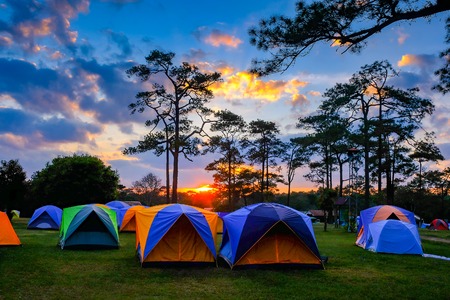
Sustainable, car-free camping is rapidly gaining traction across the UK as environmentally conscious adventurers seek new ways to enjoy the great outdoors while reducing their carbon footprint. With climate change and conservation efforts high on the national agenda, this innovative approach to camping aligns perfectly with the UKs ambitious environmental goals and cherished countryside traditions. Swapping out petrol-guzzling vehicles for public transport, cycling, or even hiking to campsites, more Britons are discovering that leaving the car behind not only benefits the planet but also offers a richer, more immersive experience of rural Britain. As local authorities and landowners support these greener initiatives, car-free camping is becoming a key part of the future landscape for responsible tourism in the UK.
Eco-Friendly Transport Options: Getting to Campsites Without a Car
For campers seeking to embrace sustainability, travelling car-free is increasingly straightforward across the UK. With rising environmental awareness and improved infrastructure, reaching your favourite campsite without a private vehicle is not only feasible but often part of the adventure. Below, let’s unpack the practical transport alternatives and regional efforts making eco-friendly camping journeys a reality.
Trains: The Backbone of Green Travel
The UK’s rail network is extensive, linking major cities with rural and coastal areas famed for their camping opportunities. Many campsites are now located within walking or cycling distance from local train stations. Popular lines like the West Highland Line in Scotland, the Heart of Wales line, and routes connecting London to the South Downs or Lake District make weekend escapes refreshingly car-free. Some operators even allow bikes on board, expanding your flexibility upon arrival.
Buses and Coaches: Local Links to Nature
Regional bus and coach services fill the gaps between train stations and remote campsites. Councils and National Parks have invested in seasonal shuttle buses—such as those in the Peak District and Lake District—designed specifically for hikers and campers. These services often coordinate with train timetables, smoothing out connections and reducing wait times.
Table 1: Regional Accessibility Initiatives
| Region | Key Transport Options | Accessibility Enhancements |
|---|---|---|
| Cornwall | Trains (GWR), Buses (First Kernow) | Integrated ticketing & direct links to coastal paths |
| Lake District | Trains (Northern Rail), Shuttle Buses | Lakeslink bus service; cycle hire at stations |
| Cairngorms | Trains (Scotrail), Local Buses | Park-and-ride for walkers; bike-friendly buses |
| South Downs | Trains (Southern Rail), Buses (Stagecoach) | ‘Discovery Ticket’ for unlimited travel across buses/trains in the park area |
Cycling: Pedal Power to Your Pitch
The National Cycle Network offers safe, scenic routes connecting urban centres with countryside escapes. Many campsites provide secure cycle storage and even discounts for those arriving by bike. Bike hire schemes at major train stations further simplify two-wheeled adventures, whether you’re tackling the Camel Trail in Cornwall or winding through Yorkshire’s dales.
Walking: Slow Travel, Deep Connection
If you fancy a slower pace, waymarked footpaths like the Pennine Way or South West Coast Path pass near dozens of campsites. Combining public transport with short hikes lets you savour every step while leaving a minimal footprint. Increasingly, campsites are mapping out ‘car-free arrival’ directions on their websites—proving that walking really is one of the most sustainable ways to start your stay.

3. Innovative Gear and Setups for Car-Free Camping
When it comes to sustainable, car-free camping in the UK, the right kit makes all the difference. With public transport and walking now at the heart of many camping adventures, British brands have stepped up, designing innovative equipment that is lightweight, compact, and multi-functional—perfect for those arriving by train, coach, or on foot.
Compact & Lightweight Essentials
Space and weight are at a premium when you’re hauling your gear through bustling stations or along country footpaths. Leading UK brands such as Vango and Alpkit have developed ultralight tents and sleeping systems specifically for the British climate. For example, Vango’s Banshee series offers reliable weatherproofing without weighing you down, while Alpkit’s range of bivvy bags and roll mats fit easily into a rucksack.
Multi-Functional Equipment
The modern British camper expects versatility. Items like Trangia’s mini cooksets, widely available from local outdoor retailers like Cotswold Outdoor, allow you to boil water and cook simple meals with minimal fuss—no heavy gas canisters required. Similarly, Lifesystems’ compact first aid kits and Páramo’s reversible jackets show how UK innovation meets real-world needs, giving you more options with less baggage.
Supporting Local Retailers
Sourcing your gear from independent UK shops not only supports local business but also gives you access to expert advice tailored to British landscapes. Retailers such as The Brokedown Palace in London or Trekitt in Hereford curate selections perfect for train travellers and wild campers alike. Many even offer rental services—a brilliant way to trial kit before committing or to travel lighter still.
The future of sustainable camping in Britain is undeniably shaped by clever design and local expertise. With gear built for mobility and a growing network of knowledgeable retailers across the country, leaving the car behind has never been easier—or more appealing—for UK campers keen on exploring responsibly.
4. Camping Sites Embracing Sustainable and Car-Free Models
Across the UK, a growing number of campsites are pioneering sustainable and car-free camping experiences, reflecting the nation’s commitment to eco-friendly travel. These forward-thinking sites not only encourage guests to arrive without vehicles but also reward green choices through incentives, improved facilities, and responsible management.
Incentives for Car-Free Campers
Many campsites now offer discounts or perks to visitors who arrive on foot, by bike, or via public transport. This approach reduces congestion and carbon emissions while fostering a stronger connection to the surrounding nature. Here are some typical incentives:
| Incentive | Description | Example UK Campsite |
|---|---|---|
| Discounted Pitch Fees | Reduced nightly rates for car-free arrivals | Scald End Farm, Bedfordshire |
| Welcome Packs | Free local produce or eco-friendly goodies | Eco Camp Glenshee, Perthshire |
| Priority Pitch Selection | Choice of prime spots for walkers/cyclists | Fforest Campsite, Cardigan |
Dedicated Facilities for Walkers and Cyclists
Sustainable sites are investing in infrastructure that caters specifically to those travelling without cars. Facilities often include secure cycle storage, drying rooms for wet gear (a must for British weather!), and direct access to walking or cycling routes. Some even partner with local bike hire companies or provide shuttle services from the nearest train station.
Top Facilities You’ll Find at Car-Free-Friendly Campsites
- Covered bike shelters and repair stations
- Maps and guides for local footpaths and cycle trails
- Communal areas for socialising without vehicle noise
- Recycling points and composting toilets
- On-site shops stocking local, sustainable products
Environmentally Conscious Site Management
The best sustainable campsites go beyond just reducing cars—they embrace eco-friendly practices in every aspect of their operations. From using renewable energy sources and managing waste responsibly to supporting local wildlife habitats, these sites set a new benchmark for green getaways in the UK.
Spotlight: Leading Sustainable Car-Free Campsites in the UK
| Campsite Name | Region | Sustainable Features |
|---|---|---|
| Low Wray Campsite | Lake District | Car-free zones, solar showers, lakeside access for kayaks/canoes |
| Cotswolds Camping at Holycombe | Oxfordshire | No on-site parking, organic waste management, wildflower meadows |
| Eweleaze Farm | Dorset Coast | Pedestrian access only, renewable energy use, local food vendors |
These examples demonstrate that the future of sustainable camping in the UK is not just a vision—it’s already taking root. By choosing car-free campsites, travellers can enjoy a quieter, cleaner environment while supporting Britain’s transition to more sustainable tourism.
5. Real-World Experiences: Car-Free Camping Adventures Across the UK
Switching to car-free camping has been a game-changer for many outdoor enthusiasts across the UK, with countless real-life stories showing both the joys and surprises of this sustainable trend. Here’s what campers who have left their cars at home have learned, along with their top recommendations for getting the most out of a car-free adventure.
Favourite Spots for Car-Free Camping
Many have discovered that the UK is brimming with accessible, beautiful sites perfect for car-free camping. The Lake District’s Borrowdale Valley is a recurring favourite—just a short bus ride from Keswick, it offers classic views and well-equipped campsites within walking distance of public transport. Scotland’s Loch Lomond & The Trossachs National Park is another winner, thanks to the West Highland Line train and local buses connecting you directly to peaceful loch-side pitches. Meanwhile, the South Downs Way offers several hike-in campsites easily reached by train from London, making spontaneous weekend escapes refreshingly simple.
First-Hand Reviews: The Good and the Unexpected
Campers rave about the sense of freedom that comes from travelling light—no faffing about with car parks or traffic jams, just hopping off a train or bus and setting out on foot. Many appreciate the reduced carbon footprint and find themselves discovering hidden gems often missed when driving. However, some have faced unexpected challenges. Weather can be a major factor; one group described a soggy trek from the station to their campsite in Wales, wishing they’d invested in better waterproof kit. Others note that carrying all your gear means being ruthless about what you pack—multi-use items and lightweight tents come highly recommended.
Lessons Learned: Practical Tips for Car-Free Campers
- Plan ahead: Checking public transport timetables is essential—services can be infrequent in rural areas, especially outside peak season.
- Travel light: Invest in a comfortable rucksack and pack only essentials. Quick-drying clothes and compact cooking equipment can make all the difference.
- Embrace spontaneity: Some campers found that going car-free encouraged them to explore new routes and less-travelled sites, leading to unexpected adventures.
- Be weather-wise: British weather is famously unpredictable—bring layers and waterproofs even if the forecast looks sunny.
Community Wisdom: What Seasoned Campers Say
The consensus among experienced car-free campers? It’s worth it. The journey itself becomes part of the adventure, whether you’re sharing stories with fellow travellers on a rural train or following an old footpath into the hills. As more campsites cater to non-drivers—offering kit hire, food delivery services, or shuttle buses—the future of sustainable camping in the UK looks brighter than ever.
6. Future Trends and Community Movements Supporting Car-Free Camping
The landscape of sustainable camping in the UK is evolving rapidly, with a strong focus on reducing car dependency and promoting greener travel alternatives. Looking ahead, several exciting innovations, government initiatives, and grassroots campaigns are shaping the future of car-free adventures.
Upcoming Innovations in Sustainable Transport
UK start-ups and established brands are rolling out new solutions that make car-free camping increasingly practical. Electric bike hire schemes, luggage delivery services to campsites, and dedicated shuttle buses for popular outdoor destinations are all on the rise. Companies like Brompton Bike Hire are expanding their folding bike rental network near national parks, while digital platforms are emerging to connect campers with local transport options and eco-friendly gear rentals.
Government Initiatives Promoting Greener Getaways
The UK government is actively supporting car-free tourism through infrastructure investment and policy changes. Recent funding boosts for rural railways, more integrated bus routes serving remote areas, and grants for campsites adopting low-carbon practices are making it easier for campers to leave their cars behind. Schemes like the England Coast Path improvements and Scotland’s “Active Travel” strategy further encourage walking, cycling, and public transport as part of the camping experience.
Grassroots Campaigns and Community-Led Solutions
Local communities and environmental groups play a crucial role in championing car-free camping. Initiatives such as “Leave the Car at Home” weekends, peer-to-peer gear sharing groups, and volunteer-led navigation workshops empower more people to explore nature sustainably. Organisations like Sustrans and The Ramblers are collaborating with campsite owners to create well-marked trails from train stations directly to tent pitches—removing barriers for urban adventurers keen to ditch the car.
The Rise of Digital Communities
Online forums and social media movements are fostering a new culture around sustainable camping. Hashtags like #CarFreeCampingUK inspire campers to share tips on public transport routes, lightweight packing strategies, and off-the-beaten-track destinations accessible without a car. These digital spaces are invaluable for building confidence among first-time car-free campers.
A Glimpse Into Tomorrow’s Camping Adventures
With technology, community action, and supportive policy converging, the future of sustainable camping in the UK looks bright—and distinctly less reliant on cars. Whether it’s hopping off a train onto a woodland path or borrowing an e-bike at the edge of a national park, tomorrow’s campers will enjoy greater freedom to explore Britain’s wild places in ways that tread lightly on the planet.