Introduction: BBQing on the Trail in the UK
Backpacking through the British countryside is a rite of passage for many outdoor enthusiasts, and nothing quite matches the satisfaction of grilling up a hot meal after a hard days hike. Yet, enjoying a BBQ out on the trail in the UK comes with its own unique set of challenges and responsibilities. With unpredictable weather that can turn from sunshine to drizzle in minutes, and strict regulations governing open flames and fire safety, backpackers must be both resourceful and respectful of the land. The UKs patchwork of national parks, commons, and private estates often means that what’s acceptable in one place might be forbidden in another—making it vital to research local by-laws before lighting up any BBQ kit. Beyond legalities, there’s an unspoken code among British backpackers: always follow Leave No Trace principles. This means packing out every scrap of rubbish, minimising any impact on the landscape, and ensuring not a smouldering ember remains behind. In this guide, we put lightweight, packable BBQ solutions to the test—focusing on options suited for the UK’s varied terrains and fickle weather—to help you enjoy a proper grill-up without leaving a mark.
Essential Features of a Backpacking BBQ
When searching for the ideal BBQ solution to take on your UK backpacking adventure, you’ll want to weigh up several critical factors. The unpredictable British weather, variable terrain, and regulations around outdoor cooking all come into play. Here’s a breakdown of what matters most:
Weight & Packability
Carrying unnecessary weight can turn an enjoyable trek into a slog. Every gram counts when you’re out on the fells or hiking the coast. Opt for BBQs that are genuinely lightweight and designed to fold down to minimal dimensions. Look for models that fit easily into your rucksack or clip securely onto your pack without adding bulk.
| Feature | Ideal Specification | Why It Matters |
|---|---|---|
| Weight | < 1.5kg | Keeps your kit manageable over long distances |
| Packed Size | < A4 paper footprint | Easily stows with other essentials |
| Setup Time | < 5 minutes | Reduces faff in poor weather |
Fuel Type: Charcoal vs Gas
Your choice between charcoal and gas is not just about flavour—it’s also about practicality and local rules. Charcoal gives that classic smokey taste but can be bulkier and messier to carry. Gas (such as small butane or propane canisters) is cleaner, quicker to light, and often permitted where open fires aren’t.
| Fuel Type | Pros | Cons |
|---|---|---|
| Charcoal | Authentic BBQ flavour Widely available fuel Simple design grills |
Banned in some wild camping spots Messy to clean Longer cool-down time needed before packing away |
| Gas (Butane/Propane) | No ash or embers Fast ignition and control Permitted at many established campsites |
Slightly heavier fuel canisters Less traditional taste Canisters must be disposed of responsibly |
Suitability for UK Landscapes & Regulations
The UK’s landscapes range from windswept moorland and national parks to pebbled beaches and well-managed campsites. In wild camping areas—especially in Scotland’s access land—minimal-impact gear is crucial. Always check local bylaws: some places ban open flames outright, while others allow raised grills only. Established campsites are usually more lenient but still appreciate considerate use.
Checklist for Choosing a Backpacking BBQ in the UK:
- Raised grill design: Prevents scorching grass or ground—vital for Leave No Trace ethics.
- Spark arrestors/lids: Essential in dry seasons to reduce wildfire risk.
- Easy cleaning: Look for removable trays or dishwasher-safe parts.
- Packed fuel compatibility: Make sure you can source replacement fuel en route.
- Compliance with campsite policies: Always confirm with site managers before lighting up.
Tough Tip:
If in doubt, opt for gas-fuelled units with a raised base—they pass muster at most sites, won’t scorch the turf, and keep you grilling even when the British drizzle rolls in.
3. Field-Tested BBQ Solutions
When it comes to grilling on the go across the UK’s wildest stretches, we’ve put a selection of lightweight BBQs and compact grilling gadgets through their paces. From windswept Cornish cliffs to misty Lake District fells, our field tests focused on kit that delivers both portability and proper performance in genuine British conditions—think unpredictable weather, boggy ground, and limited pack space.
British & European Brands Under Scrutiny
Top marks went to the Wolf & Grizzly Grill M1 Edition, a fold-flat stainless steel grill that weighs under 1kg and fits snugly in most rucksacks. It fired up reliably with both charcoal and scavenged wood, coping admirably with the gusts typical of coastal Scotland. For those favouring British innovation, the Outwell Cazal Portable Grill proved robust for its size, with stable legs that kept it upright even on uneven moorland turf.
Performance in Real-World UK Scenarios
The BergHOFF Tabletop BBQ, hailing from Belgium, impressed on longer treks thanks to its ceramic-coated body—retaining heat well despite Yorkshire drizzle. However, it was less friendly to solo hikers due to bulk. Meanwhile, the ultra-compact Esbit Foldable BBQ Box became a favourite for minimalist wild campers: quick to assemble, packs flat, and just about big enough for a couple of sausages or halloumi skewers after a hard day’s walk.
Key Takeaways from the Trail
No single grill excelled in every category. Steel mesh designs were quickest to cool down—a vital feature when wild camping and needing to ‘leave no trace’. Models with adjustable vents handled wind better but sometimes added fiddly weight. Across bogs, coasts, and high fells, packability and ease of cleaning emerged as crucial factors for UK backpackers who want their BBQ without the baggage.
4. Fuel and Fire Safety in the UK
Backpacking with a portable BBQ in the UK means you’re treading a fine line between enjoying your meal and respecting fragile wild spaces. The correct choice of fuel is not just about weight and packability—it’s about legality and safety, too.
Safe and Legal Fuel Choices
Not all fuels are created equal, especially in the British countryside. Some protected areas enforce strict bans on open flames due to wildfire risk, so always check local restrictions before you set out. Here’s a quick reference for common fuel types:
| Fuel Type | Legality (UK Wild Spaces) | Pros | Cons |
|---|---|---|---|
| Disposable Charcoal Trays | Often banned in sensitive areas | Widely available, familiar BBQ flavour | Heavy, messy, poor packability, can scorch ground |
| Solid Fuel Tablets (Hexamine/Ethanol) | Generally allowed but check site rules | Ultra-lightweight, easy to carry, low flame risk | Limited heat output, less authentic BBQ experience |
| LPG Gas Canisters (Butane/Propane) | Permitted where stoves are allowed | Clean-burning, efficient, good flame control | Cylinders can be heavy/bulky; must be disposed of responsibly |
| Wood (Twigs/Branches) | Banned or discouraged in most wild sites | No need to carry fuel if permitted | Unpredictable burn; potential for environmental damage |
Fire Safety: Essential Guidelines for UK Backpackers
- Obey Local Restrictions: Many National Parks and commons ban open fires—check signage and ask rangers if unsure.
- Use Raised BBQs: Always use a raised grill or firebox to prevent scorching grass or heathland.
- Avoid Peat Soils: Peat burns underground; never light fires on peatland even if it looks damp on top.
- Extinguish Thoroughly: Douse embers with plenty of water—don’t bury coals or hot ash as they can smoulder for hours.
- Packing Out Waste: Leave no trace: pack out used charcoal and spent fuel containers. Disposable BBQs must go home with you.
Cultural Etiquette & Commonsense Tips
- If you’re sharing a public beauty spot, keep smoke to a minimum and avoid busy footpaths or picnic benches.
- No music or loud groups after dark: respect both wildlife and fellow outdoor lovers.
- If approached by wardens or landowners, show your gear and demonstrate your awareness of local rules—it goes a long way towards goodwill.
Transporting Fuels on Public Transport in the UK
If you’re using trains or buses to access trailheads, remember that carrying gas canisters or charcoal has specific restrictions:
- LPG canisters under 500g per container are generally permitted on UK trains but check operator policies—some may refuse at their discretion.
- Naked flames are strictly prohibited at stations and on-board—wait until you’re safely off public transport before setting up your grill.
The golden rule: plan ahead. Lightweight BBQing in Britain requires both technical know-how and cultural savvy—but get it right, and you’ll have a safe feast with zero regrets left behind.
5. Tips for a Classic British BBQ Experience
Best British Barbecue Foods for the Trail
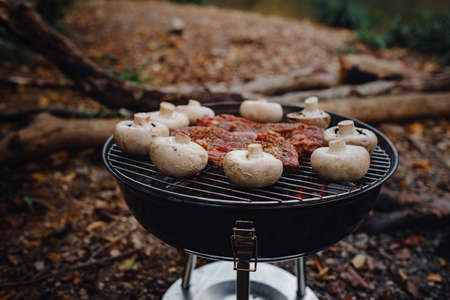
When you’re deep in the British countryside, nothing beats the comfort of classic homegrown barbecue fare. Keep it simple and durable: Cumberland sausages or Lincolnshire bangers are robust and travel well—wrap them tight in greaseproof paper and stash in your pack’s cool pocket. Slices of black pudding, pre-cooked bacon rashers, and miniature beef burgers also hold up on the move. For vegetarians, haloumi slices and skewered mushrooms are both hearty and portable. Don’t forget floury baps—they squash down but bounce back when heated over the coals.
Quick Condiments to Elevate Your Meal
A traditional British BBQ isn’t complete without proper condiments, but there’s no room for glass jars or bulky bottles in your kit. Decant tomato ketchup, brown sauce, and English mustard into small screw-top containers or repurposed travel tubes. Sachets from cafés do in a pinch—stash a few in your pack for emergencies. A tiny tin of Maldon sea salt flakes and a twist of cracked black pepper are all you need to finish things off.
The Essential Brew: Making Tea on the Go
No British outdoor meal is complete without a brew. A lightweight gas stove or even your BBQ embers can boil a quick kettle—just bring along a pack of Yorkshire Tea bags (individually wrapped for freshness) and a collapsible mug. UHT milk sachets or oat milk powder keep things authentic without spoiling in your pack. For true minimalism, consider an insulated flask filled at home with strong tea to last you through the day.
Keeping It Minimal and Mess-Free
Pack only what you’ll eat—no one wants to lug leftovers up hill and down dale. Use reusable beeswax wraps or silicone bags instead of foil or cling film; they’re lighter, eco-friendly, and keep odours contained. A small folding grill means less kit to scrub later, while biodegradable wipes make swift work of greasy hands and utensils. Always bring a rubbish bag: leave no trace, respect the landscape, and ensure your next wild barbecue spot remains pristine for those who follow.
6. Care, Cleaning, and Leave No Trace
Backpacking across the UK’s wild spaces comes with a responsibility: leave every spot as you found it—or better. Caring for your lightweight BBQ gear not only extends its life, but also ensures that the next hiker finds Britain’s landscapes just as untouched and inviting. Here’s a no-nonsense guide to cleaning up, packing out waste, and maintaining your BBQ kit on British soil.
Post-BBQ Clean-Up: Do It Right
Once the last sausage has sizzled, allow your grill to cool completely—rushing this step can damage delicate components or lead to accidental burns. Use a small, dedicated brush or a wad of biodegradable scrubber to remove food residue. Avoid using detergents in streams or lakes; instead, bring a collapsible basin and use a minimal amount of eco-friendly soap with water carried from home or fetched away from natural sources.
Dealing with Ashes and Leftovers
Ashes may seem harmless, but they leave lasting scars on moorland and forest floor. Bag cold ashes in a sturdy, resealable pouch—never scatter them. All food scraps and packaging must be packed out. Double-bag rubbish if necessary, especially if you’re traversing boggy terrain where bins are scarce.
Maintaining Your Kit: British-Weather Ready
The UK’s damp climate can wreak havoc on even the best kit. Dry your BBQ thoroughly before stowing it—wipe down metal parts to prevent rust and check hinges or folding legs for grit and mud. Store everything in a separate dry bag to keep odours and soot away from clothing and sleeping gear.
Leave No Trace: A British Backpacker’s Code
Respecting local wildlife and landscapes is non-negotiable. Stick to established paths when possible, set up BBQs on durable surfaces like stones or gravel, and avoid lighting fires during dry spells or near peatland. If you see litter left by others, do the right thing—pack it out as well. Every bit helps keep Britain’s hills, woods, and coasts pristine for those who follow.
Final Words
A true wild-cooking experience isn’t just about what you eat—it’s about how you care for the place that feeds your adventure. With proper cleaning habits and a commitment to Leave No Trace principles, you’ll ensure that the UK’s countryside remains wild, welcoming, and unspoiled for future wanderers.