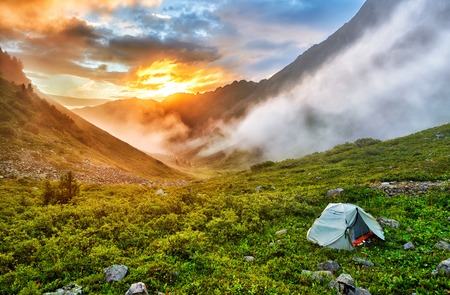
Introduction to Sustainable Wild Camping in the Highlands
A warm welcome to the enchanting world of wild camping in Scotland’s Highlands! For families, adventurers, and nature-lovers alike, the Highlands offer a magical backdrop of towering mountains, mirror-like lochs, and rolling moorlands. But with this beauty comes a gentle responsibility: enjoying every moment while treading lightly on the land. Embracing sustainable wild camping means more than pitching a tent; it’s about respecting local customs, safeguarding wildlife, and ensuring the landscape remains unspoilt for future generations. As you set out on your Highland adventure, let’s explore how we can cherish these precious places together—balancing fun with care, and adventure with respect.
2. Finding and Sourcing Safe Water in the Highlands
Exploring the breath-taking landscapes of the Scottish Highlands is a treat for any wild camper, but sourcing safe drinking water requires careful planning and know-how. Streams, burns, and lochs are plentiful, yet not all water is created equal when it comes to your health and well-being. Here’s how you can confidently identify and collect water responsibly, just as locals do.
Identifying Reliable Water Sources
When seeking out water, look for fast-flowing streams or burns (that’s a small river, in local lingo) that run over rocky beds. Avoid stagnant ponds or water near livestock fields, as these can harbour harmful bacteria or parasites. Locals often say, “the higher up the hill, the purer the water,” so if possible, source your water from upland areas before it has a chance to pick up pollutants downstream.
The Importance of Purification
No matter how clear or fresh the water looks, always purify before drinking. Even in seemingly untouched wilderness, microscopic nasties can lurk. Bring along a reliable water filter or purification tablets—both are lightweight options for wild campers. If you’re in a pinch, boiling water for at least three minutes will do the trick.
Local Tips for Safe Water Collection
Highlanders have passed down practical wisdom through generations to ensure safe hydration:
| Tip | Description |
|---|---|
| Look Upstream | Before filling your bottle, check upstream for dead animals or signs of contamination. |
| Use a Bandana | If you don’t have a filter, strain water through a clean cloth to remove larger debris before purification. |
| Avoid Peaty Water | Dark brown peaty streams may taste earthy and could clog filters—opt for clearer sources when possible. |
| Collect Early | Gather water early in the day when it’s less likely to be disturbed by wildlife or other campers. |
Treat every source with respect: refill only what you need and take care not to disturb banks or aquatic habitats. By following these time-honoured tips and modern best practices, you’ll stay hydrated and healthy throughout your Highland adventure.

3. Managing Waste: Leave No Trace Principles
When wild camping in the Highlands, it’s essential to follow the Leave No Trace principles to protect these stunning landscapes for future generations. Proper waste management goes beyond tidying up after yourself—it means being a mindful guest of nature and the local communities.
Dispose of Litter Responsibly
All campers should pack out every bit of rubbish they bring in. This includes food wrappers, cans, bottles, and even tiny scraps like teabags or fruit peels, which can take much longer to decompose in the Highland climate than you might expect. Always carry strong bin bags and make sure all litter is securely stored until you reach a proper disposal point—never leave rubbish at your campsite or by laybys, as this attracts wildlife and spoils the landscape for others.
Biodegradable Options
If you must use soap or cleaning products, choose biodegradable options that are safe for both the environment and local water sources. Even then, use them sparingly and well away from streams or lochs. For items such as wipes or nappies, always opt for biodegradable products, but remember—they still need to be packed out and disposed of responsibly when you return to civilisation.
Portable Toilet Solutions in the UK
The preferred approach in many parts of the UK Highlands is to use portable toilet systems. These are widely available at outdoor retailers and provide a sanitary way to manage human waste without harming delicate habitats. If you do not have a portable toilet, dig a small ‘cathole’ at least 15cm deep and 50 metres away from any water source, footpath, or building. Cover it up thoroughly after use and take used toilet paper with you in a sealed bag. Never leave sanitary products or wipes behind, as these do not break down easily and can cause harm to wildlife.
By following these clear guidelines on waste management, you help ensure that the Highlands remain pristine for everyone—today’s families and tomorrow’s explorers alike.
4. Respecting Local Communities and Wildlife
Sustainable wild camping in the Highlands is as much about forging respectful relationships with people and nature as it is about enjoying the landscape. Understanding local traditions, honouring landowners’ rights, recognising native wildlife, and building positive connections with both residents and fellow campers are key to preserving the magic of these ancient lands.
Highland Traditions: A Living Heritage
The Highlands are steeped in history, from Gaelic-speaking communities to crofting lifestyles and seasonal gatherings. When you camp, take a moment to learn about local customs, such as respecting shielings (traditional grazing areas) and understanding the significance of certain landscapes. Polite curiosity—perhaps asking about a local legend or community event—can open doors to meaningful conversations.
Landowner Relationships: Permission and Courtesy
Although Scotland’s outdoor access rights allow wild camping, it’s vital to be considerate. Always check if you’re on private land or near working farms. If you encounter a landowner or farmer, a friendly greeting and request for permission can go a long way. Remember:
| Do | Don’t |
|---|---|
| Ask before setting up camp near homes or farms | Assume access without checking signs or boundaries |
| Close gates behind you and leave fences intact | Disturb livestock or damage crops |
| Offer thanks when leaving and clear all traces | Leave litter or fire scars behind |
Recognising and Protecting Wildlife
The Highlands are home to red deer, golden eagles, pine martens, and many rare species. Wild campers should observe wildlife from a distance and avoid disrupting habitats—especially during breeding seasons. Keep food secure to avoid attracting animals, and never feed wildlife.
Wildlife Watching Etiquette:
- Use binoculars instead of approaching nests or dens.
- Stick to established paths when possible to minimise trampling sensitive flora.
- If you spot injured or distressed animals, contact local wildlife rescue rather than intervening directly.
Building Positive Relationships with Locals and Campers
A friendly smile or word with locals can foster goodwill. Be open to advice on where to pitch your tent, current wildlife activity, or local events. If camping near others, respect their privacy by keeping noise low and maintaining distance between tents.
Summary Table: Respectful Behaviour in the Highlands
| Action | Benefit |
|---|---|
| Learn about traditions and language | Cultural appreciation & positive interactions |
| Acknowledge landownership & ask permission | Reduces conflict & supports land stewardship |
| Treat wildlife with care and caution | Biodiversity protection & memorable encounters |
| Connect courteously with others outdoors | Shared enjoyment & safer experiences for all |
Sustainable wild camping isn’t just about “leaving no trace”—it’s about nurturing the living heart of the Highlands for everyone who calls it home, whether for a night under canvas or a lifetime among its hills.
5. Top Tips for an Eco-friendly Highland Camping Experience
If you’re dreaming of a wild camping trip in the Highlands, keeping it sustainable is key to protecting this magical landscape for your family and future generations. Here are some friendly, practical tips to help you tread lightly and camp responsibly:
Choose Your Spot Thoughtfully
Always pick an established camping spot where possible, or areas where your tent won’t damage delicate plants. Avoid pitching up too close to lochs, rivers, or popular footpaths—this gives local wildlife space and helps prevent erosion.
Leave No Trace
The golden rule of wild camping: take everything home with you. This means all litter, leftover food, and even tiny scraps like orange peel or bottle tops. Use reusable containers for snacks and meals to cut down on single-use plastics.
Be Water Wise
Bring refillable bottles and use a portable water filter or purification tablets if you need to collect water from streams. Make sure you’re at least 30 metres away from any water source when washing up or brushing teeth, and use biodegradable soap sparingly.
Respect Local Wildlife
Keep noise to a minimum, especially at dawn and dusk when animals are most active. Store food securely and never feed wild animals – it’s better for their health and keeps them safe from human dangers.
Manage Waste Responsibly
If nature calls, dig a small hole at least 15cm deep and well away from watercourses or paths. Cover it carefully afterwards. For toilet paper, use biodegradable options and take it home in a sealed bag whenever possible.
Teach Children the Value of Nature
Turn caring for the Highlands into a family adventure! Get little ones involved in rubbish hunts, talk about why certain plants shouldn’t be picked, and encourage gentle curiosity about insects and birds. These early lessons will help them become guardians of the countryside too.
By following these simple tips, your wild camping experience in the Highlands will be not only unforgettable but also kind to the land—and you’ll be helping to keep Scotland’s wild places beautiful for everyone who comes after you.
6. Recommended Resources and Further Reading
If you’re eager to deepen your knowledge of sustainable wild camping in the Scottish Highlands and across the UK, there are plenty of trustworthy resources to guide you. These carefully chosen websites, organisations, and books offer practical tips, legal guidance, and inspiration for responsible adventurers of all ages.
UK-Based Organisations and Websites
Scottish Outdoor Access Code
The Scottish Outdoor Access Code is your essential guide to enjoying the outdoors responsibly. It covers everything from sourcing water safely to managing waste, with advice tailored specifically for Scotland’s unique access rights.
Leave No Trace UK
Visit Leave No Trace UK for clear, family-friendly guidance on minimising your impact when camping wild. Their principles help both new and experienced campers protect nature for future generations.
Mountaineering Scotland
The Mountaineering Scotland website offers detailed information about wild camping, including advice on best practices for waste management and where to find clean water sources in remote areas.
Helpful Books for Sustainable Wild Camping
“The Scottish Bothy Bible” by Geoff Allan
This book is a wonderful companion for families seeking adventure while respecting the land. It details bothy locations and etiquette, encouraging sustainable visits to these unique shelters.
“Wild Guide Scotland” by Kimberley Grant, Richard Gaston & David Cooper
Discover hidden gems for wild camping with this beautifully illustrated guide. It also includes tips on staying safe and sustainable amidst the Highlands’ rugged beauty.
Online Communities and Forums
UK Wild Camping Forum
The UK Wild Camping Forum is a welcoming space where campers share their experiences, ask questions, and learn about low-impact camping techniques tailored to the British countryside.
Final Thoughts
Sustainable wild camping is an ongoing learning journey. By tapping into these UK-based resources, you can equip yourself—and your family—for responsible adventures that keep the Highlands wild and wonderful for years to come.