
Introduction to Sustainable Cooking in the UK Outdoors
For many outdoor enthusiasts across the UK, cooking in nature is an essential part of the camping experience. Yet as wild spaces become ever more popular, the environmental impact of traditional camp cooking has come under scrutiny. Today’s campers are increasingly aware of their responsibility to reduce their footprint and preserve the countryside for future generations. Sustainable cooking—using low-impact stoves and eco-friendly utensils—is becoming a key topic, not just for seasoned ramblers but also for families and beginners exploring Britain’s scenic beauty. Adopting Leave No Trace principles means more than just packing out rubbish; it’s about choosing gear and methods that minimise pollution, protect wildlife habitats, and respect local environments. As eco-friendly camping gains momentum, understanding how to cook sustainably outdoors is vital for anyone looking to enjoy the UK’s great outdoors without leaving a lasting mark.
2. Low-Impact Stoves: Options and Innovations
When it comes to sustainable outdoor cooking in the UK, choosing the right stove is crucial for minimising environmental impact while still enjoying a proper brew or hearty meal. In recent years, campers across Britain have increasingly turned to low-impact stove options, balancing efficiency, weight, and eco-friendliness. Here’s a guide to some of the most popular types available in the UK market, along with their benefits and key environmental considerations.
Alcohol Stoves
Alcohol stoves are a favourite among lightweight backpackers and wild campers in the UK due to their simplicity and readily available fuel. These stoves burn denatured alcohol, which can be sourced from most DIY shops or chemists. They’re small, quiet, and produce minimal soot. However, users should be mindful of fuel spillage and ensure responsible disposal of empty bottles.
Benefits:
- Lightweight and compact
- Simple design with few moving parts
- Fuel widely available
Environmental Considerations:
- Alcohol burns clean but is less efficient than gas
- Avoid use during dry spells due to open flame risks
Wood Gasifiers
Wood gasifier stoves are gaining traction among eco-conscious campers who prefer using natural materials found on-site. These stoves use twigs, pinecones, or other biomass, creating a secondary combustion that results in a hot, efficient burn with minimal smoke. This makes them ideal for areas where carrying fuel isn’t practical and reduces reliance on fossil fuels.
Benefits:
- No need to carry fuel—uses locally sourced wood
- Efficient burn reduces emissions
Environmental Considerations:
- Should only collect deadfall; avoid damaging living trees
- Banned in some areas during fire risk periods—always check local regulations
Eco-Friendly Gas Canisters
Traditional gas canisters are a mainstay for many British campers because they’re easy to use and reliable even in poor weather. Recent innovations have led to more environmentally friendly options, such as refillable cartridges and canisters manufactured using recycled materials. Some brands also offer take-back schemes for recycling used canisters, helping reduce landfill waste.
Benefits:
- Consistent performance in all weather conditions
- Now available in lower-impact formats (e.g., refillable)
Environmental Considerations:
- Canister disposal remains an issue—use recycling schemes where possible
- Select propane/butane blends with lower carbon footprints
Comparison Table: Stove Types for UK Campers
| Stove Type | Main Fuel Source | Main Benefits | Main Environmental Concerns |
|---|---|---|---|
| Alcohol Stove | Denatured Alcohol | Lightweight; Simple; Widely available fuel | Inefficient burn; Open flame risks; Bottle disposal |
| Wood Gasifier | Twigs/Biomass | No need to carry fuel; Efficient & low-smoke burn | Sustainable wood collection required; Fire bans apply in some areas |
| Eco-Friendly Gas Canister Stove | LPG/Butane/Propane Mixes (often refillable) | Reliable; Refillable/recyclable options emerging | Disposal/recycling of canisters needed; Fossil fuel-based fuels still common |
This overview should help UK campers make informed choices about low-impact stoves that best suit their needs while keeping sustainability front of mind. Remember always to check local land access rules before lighting any stove and consider your overall footprint when selecting equipment.
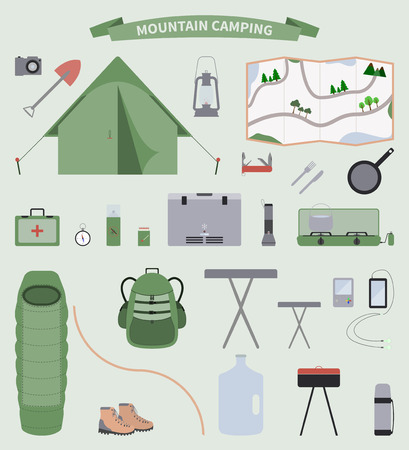
3. Eco-Conscious Utensils and Cookware Choices
When it comes to sustainable cooking in the great British outdoors, choosing the right utensils and cookware is just as important as picking an eco-friendly stove. By prioritising materials and designs that reduce environmental impact, UK campers can help protect the wild spaces they love. Many forward-thinking brands now offer utensils made from recycled or biodegradable materials—think bamboo cutlery, recycled stainless steel pots, or even compostable plates. These options not only divert waste from landfill but also avoid introducing plastics into fragile ecosystems.
Lightweight cooksets have gained popularity among UK campers for their practicality and minimal footprint. Aluminium alloy and titanium sets are especially favoured; they’re robust, long-lasting, and significantly lighter than traditional cookware, making them ideal for hiking trips across the Lake District or Scotland’s Munros. When paired with nesting designs, these kits pack down small, reducing transport emissions and making life easier for campers reliant on public transport.
Supporting local UK brands is another way to ensure your gear aligns with sustainability goals. Several homegrown companies now produce innovative eco-friendly camping utensils—from reusable beeswax wraps crafted in Cornwall to Sheffield-made sporks fashioned from recycled steel. By sourcing locally made products, campers not only reduce shipping-related carbon emissions but also contribute to the UK’s green economy.
In summary, investing in thoughtfully designed, eco-conscious cookware and utensils allows British campers to tread lightly while enjoying outdoor meals. Whether it’s opting for a featherweight aluminium pan set, a biodegradable plate, or a trusty recycled steel mug from a UK maker, these choices add up to significant environmental savings over time.
4. Fuel Sources and Responsible Consumption
When it comes to sustainable camping in the UK, choosing the right fuel source and managing your consumption are key to minimising your environmental footprint. Not all fuels are created equal, and with a bit of planning, you can ensure that your outdoor adventures leave little trace.
Tips for Sourcing Sustainable Fuels
- Local Biomass: Look for sustainably sourced wood or biomass pellets certified by the Forest Stewardship Council (FSC) or similar UK standards. Avoid collecting deadwood from protected areas or fragile habitats.
- Alcohol Stoves: Use bioethanol produced from UK crops or waste products; it burns cleanly and is often available in refillable bottles at outdoor retailers.
- LPG & Butane: Opt for refillable gas canisters where possible, and always return empties to proper recycling points. Some brands offer gas produced from renewable sources—check the label.
Reducing Fuel Usage
- Efficient Cooking: Choose stoves with windshields and heat exchangers to reduce boil time and fuel usage.
- Pre-prepare Meals: Slice and pre-cook ingredients at home to cut down on cooking time in camp.
- Lid On, Heat Down: Always cook with lids on pots and use simmer settings instead of full blast flames—small changes make a big difference.
Comparing Common Fuel Options
| Fuel Type | Sustainability | Availability (UK) | Refill/Recycle Options |
|---|---|---|---|
| Sustainably Sourced Wood | High (if FSC certified) | Moderate (local shops, online) | N/A (burns completely) |
| Bioethanol | Medium-High (if UK-sourced) | Good (outdoor retailers) | Yes (refillable bottles) |
| LPG/Butane | Medium (fossil-based but efficient) | Excellent | Yes (return schemes) |
Practical Advice for Minimising Your Fuel Footprint
- Campsites: Use established fire rings or stoves rather than open fires; some sites have dedicated sustainable fuel sales.
- Packing: Bring only what you need; measure out fuel portions before leaving home to avoid excess weight and waste.
- Campsite Etiquette: Never burn rubbish or non-natural materials; they release toxins and damage local air quality.
A conscious approach to fuel sourcing and consumption not only protects the beautiful British countryside but also enhances your own camping experience. By planning ahead and adopting these practical strategies, you’ll set a responsible example for fellow campers while enjoying tasty meals under the open sky.
5. Campsite Practices for Reducing Environmental Impact
Setting up a sustainable camp kitchen in the UK requires more than simply bringing eco-friendly stoves and utensils; it also means adopting campsite practices that actively protect local wildlife and plant life. Choosing a durable, already impacted site for your cooking area minimises disturbance to native flora—avoid pitching kitchens on soft ground, wildflower meadows or near watercourses, as these are particularly sensitive habitats. Where possible, use existing fire pits or designated cooking spots provided by campsites rather than creating new ones.
Mindful Setup and Cooking
When arranging your cooking area, keep all food preparation at least 30 metres from streams and lakes to prevent contamination of natural water sources. Use portable stoves instead of open fires to reduce the risk of wildfires and avoid gathering deadwood, which is vital for insects and fungi in UK woodlands. Position your stove on flat, non-vegetated ground—such as gravel or hard-packed earth—to limit damage to plant roots.
Responsible Waste Management
Proper waste disposal is critical for maintaining the integrity of British countryside and national parks. Collect all food scraps and packaging immediately after meals; never bury waste, as it attracts animals and can disrupt local ecosystems. Where facilities exist, separate recyclables and compostable materials according to campsite guidelines. If you’re wild camping under the Scottish Outdoor Access Code or similar regulations, pack out all rubbish—including biodegradable items like tea bags and orange peel.
Greywater Disposal in the UK Context
Dispose of washing-up water (greywater) responsibly by straining out food particles first, then dispersing it broadly at least 50 metres from any water source or path. Use biodegradable soap sparingly; even eco-friendly products can harm aquatic life if concentrated. Some UK sites provide dedicated greywater disposal points—make use of these whenever available.
Leave No Trace: A British Perspective
Following Leave No Trace principles adapted for the UK means restoring your kitchen site before departure: dismantle makeshift windbreaks, scatter unused stones, and ensure no trace of cooking remains. By integrating these best practices with sustainable equipment choices, UK campers can help preserve cherished landscapes for future generations.
6. Where to Buy and How to Choose: UK Resources
When searching for sustainable cooking solutions in the UK, the right choice of retailer and product makes all the difference. Here’s a straightforward guide for British campers seeking reliable low-impact stoves and utensils.
Trusted UK Retailers
Start by looking at well-established outdoor specialists such as Cotswold Outdoor, Blacks, and Go Outdoors. These stores often stock eco-friendly brands and have staff trained to advise on both sustainability and suitability for British conditions. For those preferring online shopping, Ethical Superstore and Alpkit offer curated selections with clear environmental credentials. Don’t overlook local independent shops or community-run gear libraries, which sometimes provide rental schemes—a great way to reduce consumption and test products before purchase.
What to Look For: Buying Tips
- Material Matters: Prioritise utensils made from recycled stainless steel, responsibly sourced bamboo, or titanium. These materials are durable, easy to clean, and have lower lifetime impact.
- Fuel Efficiency: For stoves, check for fuel-efficient models compatible with renewable fuels (like bioethanol) or multi-fuel systems that adapt to available resources.
- Repairability: Opt for brands offering spare parts or repair services—ideal for extending product life, especially when camping in remote areas of the UK.
Assessing Suitability for British Weather
- Wind Resistance: Select stoves with integrated windshields or stable bases, as blustery moors and coastal sites can make cooking challenging.
- Rain Readiness: Look for quick-drying, corrosion-resistant utensils. Storage pouches that keep gear dry are a sensible addition given the UK’s unpredictable showers.
Sustainability Credentials
- Check if the brand is certified by independent bodies like Fairtrade or B Corp.
- Review packaging: minimal or recyclable packaging is a positive sign.
- Research end-of-life options—products designed for recycling or composting are preferable.
Final Thoughts
A little research goes a long way—by choosing reputable retailers and scrutinising product details, you’ll find gear that stands up to Britain’s landscapes while treading lightly on them. This approach not only supports your outdoor adventures but also contributes positively to the wider effort toward sustainable camping across the UK.