Introduction to Welsh Campervan Adventures
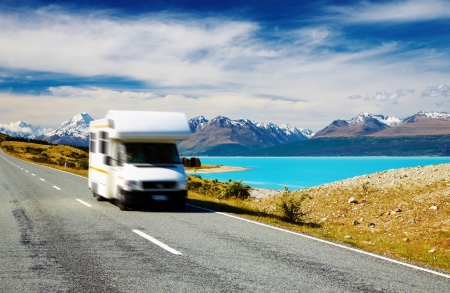
There’s something fiercely liberating about hitting the open road in a campervan, especially when your destination is Wales—a land carved by ancient winds, crowned by brooding mountains, and stitched together with wild coastlines. Unlike any other corner of the UK, Wales offers a raw, untamed beauty that begs to be explored at your own pace. Forget rigid timetables and crowded tour buses; here, freedom reigns. Road tripping through Wales isn’t just travel—it’s survivalist exploration wrapped in Celtic legend and modern comfort. From the jagged peaks of Snowdonia to the mystical valleys of Brecon Beacons and the storm-lashed shores of Pembrokeshire, each mile unfolds new secrets. The roads wind through remote villages, past stone castles, along hidden coves where only those with true grit—and four wheels—can reach. In Wales, a campervan is more than a vehicle; it’s your mobile stronghold against the elements and your ticket to adventure on your terms. Whether you’re craving rugged mountain passes, secluded forests, or windswept beaches, planning your ultimate Welsh campervan journey means unlocking the very heart of this storied land—one winding road at a time.
Essential Planning for Your Welsh Road Trip
Embarking on a road trip across Wales isn’t as simple as hopping behind the wheel and hoping for the best. The rugged terrain, narrow lanes, and famously unpredictable weather demand solid preparation. Here’s how to get your adventure off to a flying start with some hard-nosed planning.
Choosing the Right Campervan
Your vehicle is your lifeline—make no mistake. The tight valleys and winding coastlines of Wales mean you’ll want a campervan that is both agile and comfortable. Consider these key factors:
| Campervan Type | Best For | Key Features |
|---|---|---|
| Compact (VW Transporter-sized) | Solo travellers/couples; small lanes | Easy parking, better fuel economy |
| Medium (Ford Transit/Sprinter) | Small families/friends; longer trips | More space, moderate manoeuvrability |
| Large/Motorhome | Larger groups; comfort over agility | Full amenities, but limited access in remote areas |
Understanding UK Road Rules: No Room for Error
If you’re not used to driving in the UK, pay attention—Welsh roads can be unforgiving. Always drive on the left, observe local speed limits (often lower than elsewhere in Europe), and be prepared for single-track roads where passing places are your only salvation. Rural routes may include sheep or tractors around any bend. Brush up on these essentials:
- Speed limits: 30 mph in villages, 60 mph on single carriageways unless signed otherwise.
- No mobile phones: Hands-free only, hefty fines if caught.
- Seatbelts are mandatory: For all passengers.
- Pullover etiquette: Use designated laybys or passing places—never block a lane.
- Toll roads/bridges: Some crossings, like the Severn Bridge, may require payment.
Packing for Wales: Be Ready for Anything
The Welsh climate is a wildcard: one minute it’s sunshine and blue skies, the next you’re lashed by rain coming sideways off Snowdonia. Your packing list needs to reflect this reality. Don’t get caught short—here’s what should be in your kit:
| Item Category | Must-Pack Items |
|---|---|
| Clothing | Waterproof jacket & trousers, thermal layers, sturdy boots, wool socks, quick-dry tops |
| Sustenance | Brew kit (tea/coffee flask), high-energy snacks, reusable water bottles, portable stove if wild camping is planned |
| Navigational Tools | Paper OS maps (signal can be patchy), GPS device with UK maps preloaded, head torch with spare batteries |
| Shelter & Comfort | Midge repellent (trust us), extra blankets or sleeping bag liners, compact first aid kit, multi-tool or Swiss Army knife |
| Legal & Safety Gear | MOT and insurance docs, warning triangle, hi-vis vest (required by law in some areas), breakdown cover details |
A successful Welsh campervan journey hinges on robust prep—choose your van wisely, master the road rules, and pack for every eventuality. With these bases covered, you’ll be ready to tackle whatever the Land of Song throws your way.

3. Classic Welsh Road Trip Routes
The Cambrian Way: Wales from Top to Tail
If youre seeking the heart and soul of Wales, the legendary Cambrian Way is your ticket to an authentic adventure. Stretching from Cardiff in the south all the way to Llandudno in the north, this epic route slices straight through the mountainous spine of Wales. Prepare yourself for winding roads, steep ascents, and dramatic vistas as you journey through the Brecon Beacons, the wild expanse of Mid Wales, and into Snowdonia National Park. Don’t miss a pit stop in Builth Wells for a proper cuppa or a stroll around charming Betws-y-Coed, the gateway to Snowdonia. The Cambrian Way is best tackled at your own pace, with plenty of lay-bys and campsites along the way—perfect for pulling up your campervan and soaking in the untamed beauty.
The Coastal Run: Llandudno to St Davids
For those who crave sea air and sweeping coastal panoramas, the classic drive from Llandudno in North Wales to St Davids—the UK’s smallest city—offers a road trip like no other. Hug the coastline as you wind past Conwy’s medieval castle walls, detour through Aberystwyth for some seaside fish and chips, and roll on towards Cardigan Bay where dolphins often play offshore. The Pembrokeshire coast is a must-see highlight; take time to explore hidden coves near Newgale Beach or wander the ancient streets of Tenby before ending your journey at St Davids Cathedral. This route is peppered with well-equipped caravan parks and wild camping spots where you can park up and fall asleep to the sound of crashing waves.
Detours Worth Taking: Snowdonia and Brecon Beacons
True road trip veterans know that the best journeys involve going off-piste. When charting your Welsh campervan itinerary, make sure to plan tactical detours into Snowdonia National Park and the Brecon Beacons. In Snowdonia, take on a section of the Llanberis Pass for jaw-dropping mountain views or pull over at Lake Bala for kayaking and wild swimming opportunities. Down south in the Brecon Beacons, hike up Pen y Fan if you’re feeling hardy—or simply enjoy local ales in one of Crickhowell’s historic pubs. Both regions offer excellent facilities for campervans, from rugged farm sites to more civilised pitches with hot showers.
Must-See Stops Along Your Journey
No ultimate Welsh road trip would be complete without ticking off these essentials: marvel at Portmeirion’s Italianate architecture; pause at Devil’s Bridge Falls near Aberystwyth; wander Rhossili Bay’s epic sands on Gower Peninsula; and snap a photo at Pontcysyllte Aqueduct—a true feat of Victorian engineering. Each spot offers a unique taste of Welsh culture, history, or landscape—and they’re all easily accessible with your trusty campervan in tow.
4. Wild Camping and Campsite Etiquette
Exploring Wales by campervan offers the promise of waking up to rugged coastlines and misty mountains, but it’s vital to understand the local approach to camping—both wild and formal. While Scotland famously permits wild camping under its right-to-roam laws, in Wales, things are more nuanced. Wild camping is not strictly legal in most parts of Wales without landowner permission. However, respectful, low-impact wild camping is sometimes tolerated, especially in remote areas—provided you follow strict etiquette and leave no trace.
Understanding Welsh Camping Laws
Wild camping on private land in Wales requires explicit permission from the landowner. In national parks like Snowdonia or the Brecon Beacons, rules are tightly enforced. Formal campsites are plentiful, offering a safer and more sociable alternative. Here’s a quick comparison:
| Wild Camping | Formal Campsites | |
|---|---|---|
| Legal Status | Requires landowner permission; tolerated in some remote spots | Fully legal; reservation often required |
| Amenities | None—self-sufficiency required | Showers, toilets, EHU (electric hook-up), waste disposal |
| Cost | Free (if permitted) | £10–£30 per night (average) |
| Experience | Solitude, adventure, wild views | Community, security, comfort |
The ‘Leave No Trace’ Code for Wales
If you do choose to wild camp during your road trip through Wales, adhere to these principles:
- Pitch Late, Leave Early: Arrive at dusk and move on at dawn to avoid drawing attention.
- No Fires: Open fires are discouraged due to risk of wildfires and damage.
- Pack It In, Pack It Out: Take all rubbish with you—including food scraps and toilet paper.
- Tread Lightly: Camp on durable surfaces away from water sources and livestock.
- Keep Quiet: Respect wildlife and local residents by keeping noise to a minimum.
Navigating Campsite Choices with UK Resources
The UK boasts a strong network of online tools for finding both wild-friendly stopovers and traditional campsites. Here are some trusted resources:
| Name | Description | Website/App |
|---|---|---|
| Pitchup.com | Diverse listings for campsites across Wales with filters for campervans. | pitchup.com |
| Campsites.co.uk | User reviews, detailed facilities info, easy booking system. | campsites.co.uk |
| Brit Stops | A scheme offering overnight stops at pubs, farms & attractions—buy the guidebook for access. | britstops.com |
| ParkaNight App | Crowdsourced map of wild camping spots and aires suitable for campervans. | park4night.com |
Final Tips for Responsible Camping in Wales
- If uncertain about a spot, ask a local or use official sites—many Welsh farmers offer small-scale pitches for a modest fee.
- Avoid overcrowded beauty spots; seek lesser-known valleys or coastal stretches for peace and privacy.
- A portable loo is essential; never relieve yourself near watercourses or paths.
- If challenged about parking or camping, remain polite—it’s about reputation as much as rights.
Your Adventure Awaits… Responsibly!
Treat every site with respect—whether wild or formal—and you’ll help keep Wales welcoming to campervan explorers for years to come. The real survival skill here isn’t just self-sufficiency; it’s blending adventure with stewardship of this ancient landscape.
5. Immersing in Welsh Culture and Local Fare
When planning the ultimate campervan journey through Wales, no itinerary is complete without diving deep into the nation’s vibrant culture and distinctive culinary scene. From the moment you cross into Cymru, you’ll notice traditions run as deep as the valleys, and locals take great pride in their heritage. Here’s how to make your road trip a true immersion into all things Welsh.
Village Pubs: The Heartbeat of Wales
Pull over in any of Wales’ snug village pubs, where the hum of local banter mingles with the crackle of an open fire. These establishments are more than watering holes—they’re social hubs where you can sample real ales, like Felinfoel or Brains, and listen to stories spun by weathered regulars. It’s customary to greet the bar staff with a friendly “Bore da” (good morning) or “Prynhawn da” (good afternoon), and don’t be shy about striking up conversation; the Welsh are famously welcoming once you show respect for their land and language.
Market Towns & Local Festivals
Your route will likely wind through bustling market towns such as Machynlleth, Carmarthen, or Llangollen. Time your visit for a local farmers’ market or a food festival—these are prime opportunities to sample everything from crumbly Caerphilly cheese to laverbread (seaweed delicacy), bara brith (fruit loaf), and hearty Welsh cakes hot off the griddle. If you spot a sign for an Eisteddfod—a traditional festival celebrating music and poetry—make a detour; you won’t regret it.
Tasting Tips: Dining Like a Local
While supermarkets are handy, take every chance to buy fresh produce directly from roadside farm shops or independent butchers. Not only does this support rural communities, but you’ll also get authentic flavours straight from source. For a true taste of place, order cawl (a warming stew) at a pub or tuck into rarebit—a cheesy toast treat that puts standard cheese on toast to shame.
Respecting Regional Customs
The Welsh are proud custodians of their language and traditions. Make an effort with a few phrases—diolch (“thank you”) goes a long way—and pay attention to local etiquette. When wild camping in rural areas, always seek permission if on private land and leave no trace behind; respect for nature is integral to life here. On the road, wave to passing drivers on country lanes—it’s good manners and part of local camaraderie.
By weaving cultural experiences into your campervan adventure, you’ll gain far more than stunning views—you’ll return home with stories, friendships, and memories forged in the true spirit of Wales.
6. Troubleshooting on the Welsh Open Road
Wales is a land of rolling hills, unpredictable skies, and sinewy country lanes. No matter how well you plan your campervan adventure, the reality is that the Welsh open road demands grit and resourcefulness. Here’s how to keep your journey on track when Mother Nature or rural quirks throw a spanner in the works.
Weathering the Storms
Welsh weather can turn from serene sunshine to biblical downpour in a heartbeat. Always pack for four seasons: waterproofs, extra blankets, and sturdy boots are non-negotiables. If strong winds or flooding make a planned route impassable, don’t push your luck—local B-roads are notorious for flash floods and fallen branches. Pull over safely, check Met Office updates, and ask locals at the nearest village shop or pub about alternative routes.
Navigating Narrow Lanes and Unexpected Detours
Many Welsh lanes are barely wider than your wing mirrors and lined with ancient stone walls or hedgerows. Take it slow; reverse confidently if you meet another vehicle, as passing places can be scarce. GPS isn’t always reliable in rural Wales—carry an Ordnance Survey map as backup. If a road is closed or blocked by livestock, don’t panic. Assess the situation, backtrack if needed, and remember that patience is part of the adventure.
Essential Kit for Self-Sufficiency
Your campervan should be stocked like a survivalist’s dream: torch, spare bulbs, jump leads, puncture repair kit, basic toolkit, and extra water. Mobile reception is patchy in remote valleys; keep a power bank charged and consider a paper list of emergency contacts. For longer stays off-grid, a portable gas stove and extra fuel mean you’re never caught out without a brew or warm meal.
Hard-Learned Tips from the Tarmac
Always fill up with fuel before heading into the wilds—petrol stations can be few and far between. Keep loose change handy for rural car parks and toll bridges. Don’t underestimate the value of friendly conversation: farmers and locals are often your best source of real-time advice on road conditions or hidden gems nearby. Remember, every mishap is just another story for the campfire—embrace the bumps in the road with true British pluck.
7. Wrapping Up: Lasting Memories and Responsible Touring
Your campervan journey through Wales is more than a tick on the bucket list—its an opportunity to forge lasting memories and make a positive impact. As you pull up your last pitch or bid farewell to that windswept layby, take a moment to reflect on what youve experienced. Every winding B-road, every rain-soaked footpath, and every firelit evening at a coastal campsite is a story worth preserving.
Document Your Adventure
Consider keeping a travel journal—be it handwritten notes, digital diaries, or even voice memos. Record the small details: the friendly innkeeper in Pembrokeshire, the wild ponies on Gower, that impromptu ceilidh in a village hall. These snippets will become treasures long after the trip dust has settled. Share your stories with friends back home or online communities; your insights could inspire others and support local tourism initiatives.
Travel Responsibly
Wales is as fragile as it is breathtaking. Respect the land by adhering to the Countryside Code—leave gates as you find them, stick to marked paths, and pack out all rubbish. Support independent businesses wherever possible, whether it’s buying from a local bakery in Aberystwyth or booking tours run by residents in Snowdonia. Mind your water and fuel usage, especially at wild camping spots; remember, every small act counts towards preserving these landscapes for future generations.
Give Back to the Communities
Many Welsh villages rely on visitors like you but are vulnerable to overtourism. Stay longer in fewer places rather than rushing through; spend money locally and consider off-peak travel to spread your impact throughout the year. If you’ve enjoyed a particular area, leave a positive review or recommend it to fellow travellers—it’s one of the best ways to boost community morale and economic sustainability.
Leave Only Footprints—Take Only Memories
A true road warrior knows that adventure isn’t about conquering but connecting—with people, places, and nature itself. Let your journey through Wales be remembered for its respectfulness as much as its excitement. When you drive away, let your only trace be the stories you carry home—and perhaps a well-thumbed map with corners creased from real exploration.