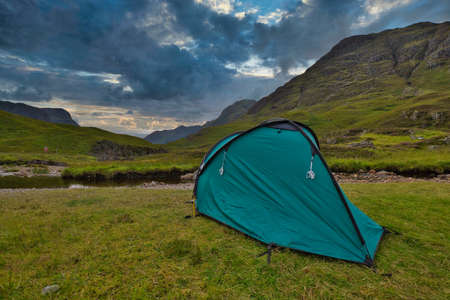
Introduction: The Allure of the Great British Outdoors
There’s something utterly magnetic about the British countryside—a pull that tugs at campers from every corner of the nation. Whether you’re a seasoned tent-dweller or a weekend warrior with a battered old kettle, the urge to pitch up somewhere wild and unpredictable is woven into the fabric of our culture. From Cornwall’s sun-bleached cliffs to the misty, brooding peaks of the Scottish Highlands, the landscape promises adventure, camaraderie, and, inevitably, a proper soaking. It’s not just about escaping city life; it’s about embracing uncertainty—knowing full well that a forecast for sunshine may deliver biblical downpours instead. Yet still, we pack our wellies and waterproofs, load up on tea bags and biscuits, and set off in search of stories to tell. This is where real British camping tales begin: out on windswept headlands and in muddy fields, with rain drumming on canvas and laughter echoing across the moors.
2. Camp Set-Ups Gone Wrong: Muddy Pitches and Sodden Pegs
If there’s one thing British campers quickly learn, it’s that the weather will test both your patience and your gear. Let’s face it—setting up camp in the UK is often less about sun-drenched fields and more about navigating ankle-deep mud while the sky dumps buckets overhead. Here are some genuine tales from fellow campers who’ve discovered, sometimes the hard way, that site selection and proper kit can make all the difference.
Waterlogged Tents: Lessons from the Trenches
Emily from Devon recalls her first family camping trip near Dartmoor: “We pitched on what looked like a flat patch, but by midnight, rain had turned our tent into a paddling pool. The kids were floating on their airbeds!” Since then, Emily always checks for high ground and avoids any dips, no matter how convenient they seem.
Common Camp Set-Up Mistakes
| Mistake | What Actually Happens | Real-Life Fixes |
|---|---|---|
| Pitched in a dip or hollow | Tent floods at the first sign of rain | Always seek higher ground—even if it means a longer walk to the loo |
| Pegged with flimsy stakes | Pegs pull out in soft, muddy soil; tent collapses overnight | Invest in heavy-duty pegs designed for wet ground (steel or screw-in types) |
| No groundsheet or tarp underneath | Damp seeps in from below; sleeping bags get soaked | Use an extra tarp under your tent for insulation and waterproofing |
| Ignoring wind direction and natural shelter | Tent buffeted by wind, leaks start at seams | Pitch with back to prevailing wind and use natural barriers if possible (hedges, stone walls) |
Anecdotes from Across Britain
Up in the Lake District, Matt described battling with pegs that simply wouldn’t grip: “I must’ve hammered each one five times before giving up. In the end, I tied guy lines to my rucksack and a fence post.” Meanwhile, Lucy in Cornwall shared how she watched her neighbour’s pop-up tent slowly slide downhill after an epic downpour—proof that even seasoned campers aren’t immune to British weather surprises.
Ultimately, every soggy night teaches something new. From Cornwall’s windswept cliffs to Scotland’s misty glens, real British campers know: choose your pitch wisely, double-check your gear, and always expect a bit of mud. It’s all part of the adventure.

3. Damp Spirits, Proper Brews: Keeping Morale Up in a Downpour
There’s nothing quite as British as refusing to let a bit of drizzle—or even a full-blown downpour—spoil your camping adventure. Ask anyone who’s pitched a tent on the Cornish coast or braved the wilds of the Scottish Highlands, and they’ll tell you: rain is part of the package. Yet, it’s precisely in these soggy moments that true British camping spirit shines. When the heavens open and the mud creeps ever closer to your sleeping bag, you learn quickly that keeping morale high is both an art and a science.
The Well-Timed Cuppa
A cup of tea isn’t just a drink; it’s a ritual, a lifeline, and sometimes, the only thing standing between cheerfulness and utter despair. British campers are masters at brewing up under all conditions—be it with a battered old kettle balanced precariously on a portable stove or with an emergency flask tucked away for just such occasions. The simple act of gathering round for a steaming mug, hands wrapped around enamel cups, does wonders for soggy spirits. It’s not uncommon to hear someone declare, “Bit damp out, but this’ll sort us out,” before passing round the biscuits.
Sing-Alongs Beneath Dripping Guy Ropes
If the rain persists (and let’s be honest, it often does), there’s another time-honoured tactic: spontaneous sing-alongs beneath tarpaulins and dripping guy ropes. It might start with someone humming a familiar tune while wringing out their socks, but soon enough, you’ve got a chorus belting out classics from The Beatles to Oasis. There’s something about communal singing—off-key or otherwise—that lifts spirits faster than any weather forecast can dampen them. Laughter echoes across waterlogged fields as lyrics are forgotten and improvised verses about wet boots and leaking tents take centre stage.
More Than Just Endurance
Ultimately, what sets British campers apart isn’t just their ability to endure the elements—it’s their knack for finding joy in adversity. Whether through shared stories over tea or raucous renditions of “Wonderwall” as rain drums on canvas overhead, these rituals turn miserable weather into memorable moments. It’s proof that even in the bleakest weather, there’s always room for camaraderie—and maybe another brew.
4. Campsite Camaraderie: Making Friends in the Mud
One of the most heartening aspects of camping across Britain—from the misty cliffs of Cornwall to the wilds of the Scottish Highlands—is how challenging weather brings out the best in people. When the heavens open and tents start to resemble soggy tea bags, there’s nothing quite like a bit of British camaraderie to lift everyone’s spirits.
After a relentless downpour, you’ll often spot campers huddled together under a shared brolly, trading stories about gale-force winds or that time their tent nearly floated away. It’s in these moments, ankle-deep in mud, that strangers become fast friends. Suddenly, someone is passing around a flask of strong tea or offering a spare bacon sarnie from their portable stove. These small acts of kindness make the difference between a miserable washout and a cherished memory.
If you’re new to UK camping, here’s a quick look at some classic ways adversity forges friendships on site:
| Situation | Typical British Response | Result |
|---|---|---|
| Tent leaks during rainstorm | Share tarps and waterproof tips | A drier night and a new mate |
| Muddy pitch makes cooking tricky | Swap bacon sarnies and mugs of tea | Belly full, spirits high |
| Gale blows over gazebos | Group effort to re-pitch and anchor everything down | Laughter and solidarity in adversity |
| Soaked through after hike | Pile into local pub for pints by the fire | Tales exchanged, friendships sealed |
The village pub, too, becomes an unofficial extension of the campsite when bad weather hits. After surviving a torrential afternoon, campers descend on the nearest inn—muddy boots and all—for a well-earned pint and some banter with fellow adventurers. The landlord barely bats an eyelid; muddy floors are part and parcel of rural hospitality.
In true British style, it’s rarely the sunshine that gets recounted around the campfire but rather those epic evenings when everyone pulled together—passing round umbrellas, sharing soggy but delicious sandwiches, and raising glasses to stubborn optimism. It’s these shared hardships that transform simple getaways into legendary tales you’ll retell for years.
5. Weathering the Unexpected: Quick Thinking and Community Grit
If there’s one thing that unites British campers from Cornwall’s windswept cliffs to the wilds of the Scottish Highlands, it’s a shared ability to weather the utterly unexpected. Plans rarely go off without a hitch—especially when a sudden squall sweeps in just as you’re about to settle in for a peaceful night. But it’s precisely during these moments of meteorological mayhem that true camper camaraderie shines through.
Last-Minute Solutions: The Art of Improvisation
Ask any seasoned British camper, and they’ll have a story about cobbling together an emergency fix with little more than stubbornness and whatever’s to hand. From fashioning makeshift tent pegs out of spare cutlery to waterproofing a leaky shelter with bin bags and gaffer tape, quick thinking is the order of the day. One family I met in Dartmoor managed to keep dry by stringing their ponchos between trees when their tent gave up—turning disaster into a communal porch where laughter drowned out the rain.
Neighbourly Help: Strangers No More
When the heavens open, British campsites transform into small villages united against adversity. It’s not uncommon to see campers dashing across muddy fields with mugs of tea or lending a hand with stubborn guy lines. There’s an unspoken rule: help your neighbour first, moan about the weather later. On one particularly stormy night near Loch Lomond, our group found ourselves ankle-deep in water, only to be invited by fellow campers into their caravan for a hot brew and some much-needed dry banter. In those moments, strangers become friends bound by sodden socks and shared stories.
British Stoicism: A Stiff Upper Lip in Wellies
No tale of camping in Britain would be complete without mentioning the legendary stoicism that prevails when plans go awry. Whether you’re wringing out your sleeping bag for the third time or waking up to find half your kit floating away, there’s always someone who shrugs and mutters, “Could be worse.” This quiet resilience isn’t just about putting on a brave face; it’s about embracing the unpredictability and finding humour in hardship—a proper British tradition if ever there was one.
Tales That Bind Us
Through all the mud-splattered mishaps and storm-battered evenings, what endures are not just tales of survival but memories forged together. It’s these stories—of last-minute ingenuity, neighbourly warmth, and steadfast grit—that make camping across Britain more than just an escape into nature. They’re reminders that no matter how wild the weather gets, we’re all part of one big (and slightly damp) adventure.
6. Cherished Memories: What Makes It All Worthwhile
There’s something undeniably special about British camping trips, even when the elements seem determined to put you off. Ask any seasoned camper from Cornwall to Scotland, and they’ll agree: it’s precisely those soggy socks and windswept tents that make the memories shine brighter in hindsight. After all, what’s a bit of mud when you’ve witnessed the sun breaking through after a relentless downpour, casting rainbows over rugged fells or glinting off Cornish waves? There is a raw beauty revealed in those moments—landscapes transformed by weather, unfiltered and wild.
Perhaps it’s gathering around a crackling campfire as dusk settles, sharing mugs of tea or a cheeky drop of whisky to stave off the chill. These are times for swapping stories—sometimes tall tales about the day’s adventures, sometimes confessions about mishaps with tent pegs or misread maps. The laughter and camaraderie forged under canvas become treasured connections, long outlasting any memory of wet boots.
The magic lies in overcoming adversity together. When the rain hammers down and spirits threaten to dampen, it’s teamwork and resourcefulness that pull you through—rigging tarps, wringing out socks, or finding humour in yet another squelchy morning. Later, these struggles are retold with pride and affection; they become badges of honour among British campers. Each challenge faced becomes another reason to return to the wild, drawn by the knowledge that every trip holds the promise of both hardship and heartwarming reward.
Ultimately, it’s these hard-earned moments—the unexpected wildlife sighting after a storm clears, or simply waking to birdsong in a misty glen—that linger in memory. For many Brits, camping isn’t just about escaping into nature; it’s about embracing whatever nature throws your way, knowing that each muddy bootprint tells a story worth remembering.
7. Tips for First-Timers: Surviving (and Thriving) in British Weather
Gear Up or Give Up
If there’s one lesson every British camper learns, it’s this: never underestimate the weather. Invest in a proper waterproof jacket—preferably with a sturdy hood and sealed seams. Forget the cheap poncho; you’ll end up as soggy as your tea bag. Seasoned campers swear by wellies (Wellington boots) for tramping through muddy fields, and a decent groundsheet is essential to keep the damp at bay inside your tent. Don’t skimp on quality—British rain has a knack for finding weak spots.
Mental Fortitude: Embrace the Wet
The right attitude transforms misery into adventure. Veterans will tell you that laughter (often slightly hysterical) is your greatest weapon against relentless drizzle. Accept that clothes, hair, and probably your dignity will get wet. Make peace with mud—it’s almost a rite of passage. A hot brew in the morning and an emergency stash of biscuits can work wonders for morale.
Unwritten Rules of the Campsite
There are certain unspoken codes among British campers. Firstly, always nod or wave to fellow soggy souls trudging past your pitch; solidarity matters when rain is pouring sideways. Share tips about local chippies or hidden pubs—sometimes shelter and warmth are found off-site. And if someone’s tent is struggling against the wind, lending a hand (or spare guy rope) is simply good manners.
Maximising Every Damp Minute
Even seasoned campers know not every moment is picture-perfect, but there’s beauty in the bleakness. Take time to explore misty woods or deserted beaches—the atmosphere is uniquely British and oddly magical in poor weather. Dry out by a campfire (when regulations allow), savour a warming flask of tea, and remember: these are the stories you’ll laugh about later down the pub.
Final Advice from Old Hands
Packing spares—socks, pants, even an extra towel—can be the difference between comfort and catastrophe. Always check your tent pegs after a blustery night, and don’t forget to enjoy the camaraderie born from shared discomfort. The rain may be relentless, but so are British campers—and that’s what makes every muddy adventure worth it.