Understanding Off-Grid Campsites
When planning your next camping adventure in the UK, it’s important to understand what ‘off-grid’ actually means. Unlike traditional campsites with mod cons such as electric hook-ups, running water and shower blocks, off-grid campsites typically strip things back to basics. Here in Britain, this often translates to picturesque locations – think wild coastal paths in Cornwall, remote Scottish glens or tucked-away Lake District fields – but with minimal facilities. You might find compost loos instead of flushing toilets, no mains electricity, limited or no mobile signal, and fresh water sourced from a communal tap (if you’re lucky). British off-grid sites often come with their own quirks; for example, some may require you to bring all your own rubbish home, while others encourage campfires but only in designated fire pits. The unpredictable British weather also means packing carefully is essential. Understanding these unique aspects helps you prepare properly and ensures you have a comfortable – and quintessentially British – off-grid camping experience.
2. Shelter and Sleeping Essentials
When camping off-grid in the UK, your shelter and sleeping setup can make or break your experience. The British weather is notoriously unpredictable—one moment it’s blazing sunshine, the next you’re facing a downpour or chilly winds. Here are some practical tips and essential kit recommendations to ensure you stay warm and dry, whatever the forecast.
Choosing the Right Tent
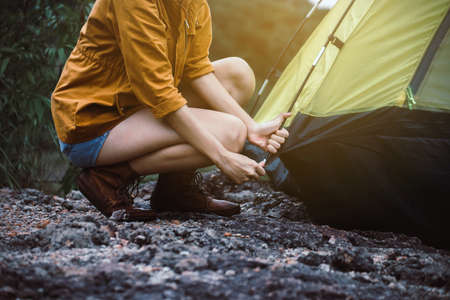
For remote sites with limited facilities, opt for a tent that’s easy to pitch, robust against strong winds, and offers good waterproofing (look for a hydrostatic head rating of at least 3000mm). Consider a double-skinned design to prevent condensation drips inside. Dome tents are great for wind resistance, while tunnel tents offer more space if you’re with family or mates. Always pack extra pegs and guy ropes—British campsites can get boggy, so sturdy anchoring is a must.
Recommended Tent Features
| Feature | Why It Matters |
|---|---|
| High Hydrostatic Head | Keeps you dry during heavy rain |
| Taped Seams | Prevents leaks along stitching lines |
| Double Skin | Reduces condensation inside the tent |
| Ventilation Panels | Avoids stuffiness and dampness |
Sleeping Bags & Mats: Staying Cosy
A proper sleeping bag is crucial for comfort and warmth. Choose one rated at least 3-seasons (spring through autumn) for most UK adventures—look for one with a comfort temperature of around 0°C to -5°C. Mummy-shaped bags trap heat better than rectangular ones. If you’re camping in colder months or up north, consider a 4-season bag.
Pair your bag with an insulated sleeping mat—air mats with insulation or closed-cell foam pads work well on uneven ground and keep cold from seeping up from below.
Quick Comparison: Sleeping Kit Options
| Item | Best For |
|---|---|
| Synthetic Sleeping Bag | Damp conditions; dries quickly if wet |
| Down Sleeping Bag | Lighter packing; dry, cold nights only (not great if it gets soaked) |
| Foam Mat | Simple, durable, no puncture risk |
| Inflatable Mat (Insulated) | Packs small, comfy, excellent warmth—but don’t forget a repair kit! |
Packing Tips to Keep Dry & Warm
- Always use a groundsheet under your tent—even if your tent has a built-in one—to create an extra barrier against moisture.
- Bring spare bin bags or dry sacks to stow away clothes and kit—nothing worse than soggy socks come morning.
- If you tend to feel the cold, pack a lightweight liner for your sleeping bag and wear woolly socks or a thermal base layer to bed.
- A hot water bottle can be a lifesaver on frosty nights—just fill up before lights out!
- Set up camp on slightly higher ground where possible; it helps avoid puddles forming under your tent in heavy rain.
With the right shelter and sleep system, you’ll be ready for whatever the British elements throw at you—leaving you free to enjoy that cuppa under canvas no matter the weather.
3. Water and Food Supplies
When you’re heading off-grid to a campsite with limited facilities, water and food become absolute priorities. Safe water storage is non-negotiable, so start by packing sturdy, BPA-free containers or jerry cans—ones that are easy to fill, seal tightly, and can withstand a bit of rough handling. If you’re planning to use natural water sources, bring along a reliable filtration system such as a pump filter or compact UV purifier. Water purification tablets can also serve as a useful backup in case your main filter fails or you need to treat water quickly.
For food, the British camping tradition leans heavily on non-perishable, no-chill options that still feel like a treat after a day outdoors. Tinned goods are a classic—think baked beans, soups, or even tinned fish like sardines or mackerel. Dried foods such as instant porridge pots, pasta packs, and ready-to-eat rice pouches are lightweight and filling. Don’t forget oatcakes, crackers, or granola bars for convenient snacking. For something more comforting on chilly UK evenings, consider vacuum-sealed curries or stews that just need heating up over your camp stove. Remember to pack tea bags—it wouldn’t be a proper British camping trip without them! By focusing on safe water management and choosing camping-friendly foods that don’t require refrigeration, you’ll keep meals simple but satisfying while staying healthy off the grid.
4. Cooking Equipment and Techniques
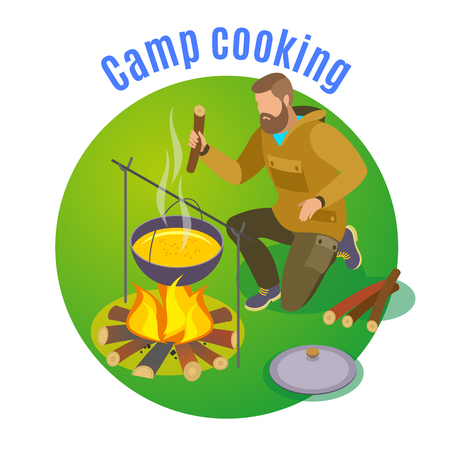
Cooking off-grid in the British countryside demands a bit of savvy, especially when campsite facilities are basic or non-existent. Here’s a practical guide to the kit you’ll need, the fuel types available locally, and some easy meal ideas that are spot on for UK camping conditions.
Portable Stoves: What Works Best?
When packing for campsites with limited facilities, your choice of stove is crucial. Here’s a quick rundown of popular options you’ll find in Britain:
| Stove Type | Pros | Cons | Best For |
|---|---|---|---|
| Gas Canister Stove (Butane/Propane mix) | Lightweight, easy ignition, widely available canisters | Canisters can run out quickly; not ideal for very cold weather | Most UK campsites and short trips |
| Meths/Spirit Burner (e.g. Trangia) | No pressurised gas, simple design, quiet operation | Slightly slower cooking; fuel spills possible | Backpackers & wild campers |
| Solid Fuel Stove (Hexamine blocks) | Ultra-lightweight, compact, no liquid fuel to leak | Slower to boil water; limited heat control | Emergency use or solo hikers |
| Multi-Fuel Stove | Works with petrol, diesel or kerosene; reliable in any weather | Bigger learning curve; bulkier kit | Expeditions & remote adventures |
Fuel Types Commonly Available in the UK
The most convenient fuels for British campsites are small gas canisters (butane/propane mix), which are stocked by outdoor shops like Go Outdoors or Cotswold Outdoor. Methylated spirits (‘meths’) is also widely sold for spirit burners. If you’re venturing further afield, solid fuel tablets are handy as backup and can be picked up at army surplus stores or online.
Packing Tip:
If you’re travelling by train or bus, check restrictions on carrying gas canisters – meths or solid fuel could be safer options.
Easy Meal Ideas for British Campsite Conditions
- Bacon butties: Classic British breakfast – just pack a frying pan and a loaf of sliced bread.
- Pasta pots: Pre-cook pasta at home and reheat with a tin of beans or sauce over your stove.
- Cuppa soups & oatcakes: Lightweight, filling and only need boiling water – perfect for quick lunches on rainy days.
- Tinned curry & rice: Heat up tinned curry and boil-in-the-bag rice for a warming evening meal after a long hike.
- Porridge sachets: Just add hot water – ideal fuel for misty mornings!
Practical Advice:
Avoid bringing glass bottles or jars (they’re heavy and risk breaking). Stick to lightweight pans with folding handles and don’t forget matches or a reliable lighter – British weather has a knack for dampening spirits (and kindling).
5. Staying Clean and Hygienic
Keeping clean at off-grid campsites in the UK can be a real challenge, especially when there are no showers or flushing toilets in sight. But with a bit of planning and the right kit, you can stay fresh without leaving a trace. Here’s how I manage personal hygiene on wild camps or remote sites, using practical and eco-friendly methods that work for British campers.
Eco-Friendly Wash Kits
Packing a portable wash kit is key. Opt for biodegradable wipes (like Cheeky Panda or Natracare, both easily available in the UK) for quick wipe-downs—great for hands, face, and even a ‘festival shower’ on sticky days. Just remember: always bag up used wipes and take them home, as even biodegradable ones won’t break down quickly in the countryside.
No Shower? No Problem
If you’re after a deeper clean, consider a compact waterless body wash or a rinse-free shampoo like those from Sea to Summit or Waterless (both popular on British camping forums). Simply apply, scrub with a flannel, and towel off—no water needed. For an upgrade, a collapsible solar shower gives you warm water if you’ve got some privacy.
Toilet Tactics in the Wild
When it comes to nature’s call, bring along a trowel to dig a small hole at least 15cm deep and 30m away from water sources—an absolute must per UK wild camping etiquette. Use recycled toilet paper or reusable cloths (Cheeky Wipes are brilliant), and pack out everything in sealable bags. Some campers swear by portable composting toilets; brands like Kildwick have models designed for UK use and can be a game-changer for longer stays.
Hand Hygiene Matters
A pocket-sized bottle of alcohol-based hand sanitiser is essential—choose UK brands like Carex or Cuticura for reliable germ-killing power. If possible, carry a collapsible basin and some eco soap (Dr Bronner’s is widely stocked in outdoor shops here) for proper handwashing before meals and after loo breaks.
Respecting the Countryside Code
Above all, following Leave No Trace principles is crucial on UK campsites with limited facilities. Always pack out your waste—including anything labelled as ‘biodegradable’—and leave your pitch as pristine as you found it. This not only keeps you healthy but also protects Britain’s beautiful landscapes for everyone.
6. Lighting and Power Solutions
When you’re off-grid at a campsite with limited facilities, dependable lighting and access to power become absolute necessities. The unpredictable British weather and early nightfall—especially outside of summer—mean you’ll need to pack smart. Here’s what I’ve found works best after plenty of UK camping trips, along with some practical recommendations easily sourced from high street shops or online retailers.
Tried-and-True Torches
A robust torch is your first line of defence against pitch-black nights. For reliability, the LED Lenser P7 is a favourite among outdoor enthusiasts across the UK: it’s durable, has adjustable brightness, and runs on standard AAA batteries—which you can pick up at any local supermarket or petrol station. If you prefer rechargeable options, the Anker Bolder LC90 offers excellent battery life and USB charging, perfect if you’re packing a power bank.
Luminous Lanterns for Campsite Comfort
A lantern transforms your tent or communal area into a cosy retreat after dark. The Vango Lunar 250 Eco Recharge USB Lantern is widely available at Go Outdoors and Millets, offering both bright white and warm ambient light settings. For something more traditional but still practical, the Coleman BatteryGuard 200L Lantern is a solid choice—it’s sturdy, weather-resistant, and its long battery life means fewer worries about running out of light midway through your trip.
Essential Power Banks
Keeping your phone charged for emergencies (or just for snapping those cracking views) is crucial when there’s no plug socket in sight. The Anker PowerCore 20100mAh stands out for its capacity to charge multiple devices several times over—a godsend on longer trips or remote sites. For something more budget-friendly but still reliable, check out the Aukey 10000mAh Slimline Power Bank, which slips easily into your daypack and is available on Amazon UK or in Argos stores nationwide.
Pro Tip: Solar Charging Options
If you’re planning an extended stay, consider packing a small solar charger like the BigBlue 28W Solar Charger. It’s lightweight and folds up neatly, letting you top up your power bank during sunny spells—a real bonus for longer adventures in the Lake District or Scottish Highlands.
Final Thoughts on Lighting & Power
No matter where you’re heading in the UK, investing in quality torches, lanterns, and power banks ensures you’re never left fumbling around in the dark. Pick items that are weatherproof and easy to recharge or refuel—your future self will thank you when dusk falls and you’re comfortably set up for another brilliant night under canvas.
7. Safety, Navigation, and British Weather Preparedness
When venturing to off-grid campsites across the UK, safety and navigation are just as vital as your tent and sleeping bag. The British countryside is renowned for its charming unpredictability—rolling fogs, sudden downpours, and trails that vanish into the moors. Here’s how to prepare for a safe, stress-free experience, no matter what the weather throws your way.
Essential Navigation Tools
Even if you’re a fan of Google Maps, don’t rely solely on your smartphone. Signal can drop in remote spots like the Lake District or Scottish Highlands. Pack an Ordnance Survey map specific to your area and a reliable compass. If you’re new to reading maps, brush up on basic navigation before heading out—a quick YouTube tutorial can be a lifesaver. Also, consider a GPS device designed for walkers (with extra batteries) for added peace of mind.
Weather-Ready Packing Tips
The saying “four seasons in one day” wasn’t coined lightly! Always bring a lightweight but durable waterproof jacket—look for ones with taped seams and good ventilation. Waterproof trousers and sturdy walking boots are musts; muddy fields and boggy paths are part of the adventure. Layering is key: merino wool base layers keep you warm without overheating. Don’t forget a warm hat and gloves even in summer—British evenings can surprise you with a chill.
Safety Essentials for Peace of Mind
Pack a basic first-aid kit tailored for outdoor use, including plasters, antiseptic wipes, blister plasters, pain relief tablets, and insect repellent (midges are notorious in parts of Scotland). A whistle and high-vis vest add another layer of security if you need help or are out after dark. It’s also smart to carry an emergency power bank for your phone and a torch or headlamp with spare batteries.
Extra Tips for British Campsite Comfort
- Register your trip with someone back home: Let them know your planned route and return date.
- Keep an eye on the Met Office app or website before setting off each day; weather warnings are common in rural areas.
- If wild camping is permitted where you’re headed, check local bylaws or National Park guidance to stay within the rules.
Final Thoughts
Packing smartly for safety, navigation, and the ever-shifting British weather turns potential challenges into memorable stories. With the right kit in your rucksack, you’ll be well equipped to embrace every moment off-grid—and return home with nothing but good memories (and maybe a little mud).