Understanding the Campsite Environment
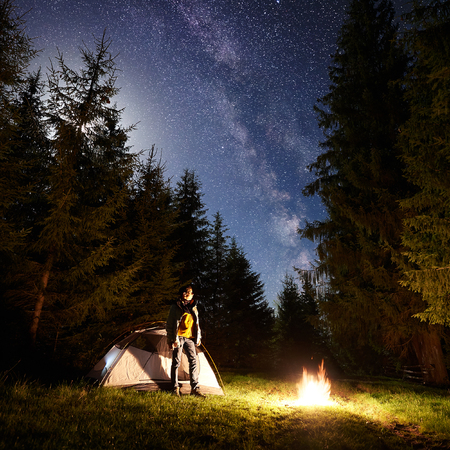
Before pitching your tent or arranging sleeping quarters for children, it’s crucial to assess the specific environment of your chosen British campsite. Each location comes with its own set of potential risks—ranging from uneven ground and proximity to water bodies, to local wildlife such as foxes, badgers, and even curious hedgehogs. Familiarise yourself with the layout: are there steep drops, dense woodland, or areas prone to flooding? Take note of any natural hazards unique to the UK countryside, such as nettles or brambles that can cause discomfort if accidentally brushed against at night. Additionally, consider how close your tent is to communal areas or car parks, as increased foot traffic may pose additional safety concerns after dark. Understanding these elements will enable you to make informed decisions about where and how children should sleep safely at night, laying a solid foundation for a secure camping experience.
2. Choosing Safe Sleeping Arrangements
When camping with children in the UK, ensuring their sleeping arrangements are both secure and comfortable is essential. The unpredictable British weather and varying campsite terrains demand careful planning. Here are practical recommendations to help you make informed decisions about tent placement, positioning, and selecting appropriate sleeping equipment for your family.
Tent Placement: Prioritising Safety and Comfort
Where you pitch your tent can make a significant difference to your night’s safety. Choose a spot that is:
- Level and dry: Avoid low-lying areas that may collect water in case of rain.
- Away from hazards: Steer clear of rivers, steep slopes, or dense woodland where branches could fall.
- Visible and accessible: Ensure your tent is within sight of main paths but not directly on them, balancing privacy with easy access in an emergency.
- Sheltered from wind: Use natural windbreaks like hedges or walls, but avoid pitching directly beneath trees.
Positioning Tents for Maximum Security
Proper tent positioning supports both security and convenience:
- Family grouping: Arrange tents so adults’ tents are adjacent to children’s for quick response at night.
- Entrances facing each other: This setup improves visibility and communication between tents after dark.
- Peg down properly: Use all guy lines and stakes to secure tents against gusty UK weather.
Choosing Sleeping Equipment Suitable for UK Climates
The right sleeping gear ensures warmth and safety throughout the night. Here’s a comparison of recommended equipment:
| Equipment | Recommendation | UK Climate Suitability |
|---|---|---|
| Sleeping Bags | Choose 3-season bags (comfort rating 0°C – 5°C) for most months; opt for 4-season in colder regions. | Excellent insulation against cold, damp nights. |
| Sleeping Mats | Self-inflating mats or foam pads at least 2cm thick. | Adds insulation from cold ground; improves comfort. |
| Pillows & Liners | Cotton or fleece liners add warmth; inflatable pillows save space. | Liners help manage condensation common in UK climate. |
| Bedding for Young Children | All-in-one sleep suits or baby sleeping bags with fitted hoods. | Keeps infants warm without risk of loose covers. |
Extra Tips for Peaceful Nights
- Ensure all zips work smoothly and that ventilation flaps are functional to reduce condensation inside the tent.
- Pack spare blankets for unexpected temperature drops—British nights can be chilly even in summer.
- Keep torches or headlamps within easy reach for nighttime needs or emergencies.
A Thoughtful Approach for a Safer Experience
By considering these aspects when organising your campsite and sleeping setups, you can create a safe, warm environment where children feel secure. Planning ahead means everyone gets a better night’s sleep—leaving the whole family ready for more adventure the next day.
3. Securing Entry Points and Equipment
Ensuring your campsite is safe overnight starts with securing all entry points and properly organising your equipment. For families camping in the UK, it’s especially important to make sure tents are zipped up securely before settling down for the night. Consider investing in small combination locks for tent zips; while they won’t stop a determined intruder, they do deter opportunistic access and give an added sense of security—especially useful when children are present.
Storing valuables out of sight is another essential practice. Keep items such as phones, wallets, and car keys inside inner pockets or pouches within your sleeping area rather than leaving them near entrances or in obvious locations. If you’re using a vehicle, lock away expensive or essential items before dusk. This reduces temptation for theft and also ensures essentials aren’t misplaced during the night.
When it comes to general belongings—like torches, shoes, and coats—organise them neatly inside the tent or under a covered porch area. Use storage tubs or bags to prevent tripping hazards, making night-time movement safer for both adults and children. Avoid leaving anything outside the tent that could attract wildlife or be easily stolen.
For extra peace of mind, establish a simple check-in routine before bedtime: walk around the site with your children, double-check all fastenings, and talk through where emergency items (like torches or whistles) are kept. This not only reassures everyone but helps children learn practical safety habits in real-life settings.
4. Night-time Routines for Children
Creating a calm and consistent night-time routine is vital when camping with children, especially in the unpredictable British outdoors. A well-structured routine can help alleviate any anxieties your child may have about sleeping away from home, as well as reinforce important safety habits. Below are some practical strategies tailored for UK families to establish reassuring bedtime routines, address common fears, and maintain regular check-ins throughout the night.
Establishing a Calm Bedtime Routine
Begin by replicating familiar elements from your usual bedtime at home, such as reading a story or having a warm drink like hot chocolate (using safe, camp-friendly equipment). Make sure children wind down at least half an hour before lights-out; this could involve gentle activities such as listening to quiet music or sharing highlights from the day’s adventures. Consistency helps children feel secure, even when their surroundings are new.
Addressing Fears and Providing Reassurance
The unfamiliar sounds of nature at night can be unsettling for little ones unused to rural campsites. Encourage open conversation about what they might hear—owls hooting, wind in the trees, or distant voices—and explain that these are all normal. Offer reassurance by keeping favourite comfort items close by, whether it’s a beloved teddy bear or a special blanket. Night lights or battery-operated lanterns placed within reach can also provide extra comfort and safety without disturbing wildlife.
Common Concerns and Parental Responses
| Child’s Concern | Suggested Parental Response |
|---|---|
| Noises outside the tent | “That’s just the wind/rain/foxes. We’re safe inside our tent.” |
| Fear of darkness | “We’ll keep this lantern on low all night so you can see if you wake up.” |
| Missing home comforts | “You’ve got your favourite pillow here – just like at home.” |
| Nervous about being far from parents | “Our tent is right next to yours, and we’ll check on you regularly.” |
Encouraging Regular Night-time Check-ins
For added peace of mind, agree upon a schedule for gentle check-ins during the night—especially with younger campers or first-timers. This can be done discreetly to avoid fully waking children but ensures they know you’re nearby if needed. If possible, position sleeping arrangements so adults are close enough to hear if a child calls out, but still allow everyone their own space. Using walkie-talkies set to silent vibration mode can be helpful in larger family groups or group camping situations.
Key Takeaways for Night-time Safety Routines
- Mimic familiar bedtime rituals to help children relax.
- Address fears directly and offer practical comfort measures.
- Plan for regular but unobtrusive check-ins throughout the night.
- Maintain open communication so children feel supported and secure.
A thoughtful approach to night-time routines not only supports your child’s wellbeing but also contributes significantly to overall campsite safety during your UK adventure.
5. Emergency Planning and Communication
Ensuring night-time safety at campsites goes beyond physical barriers; it’s vital to prepare children for emergencies in a calm, practical manner. Begin by discussing possible scenarios with your children—such as getting separated or responding to unexpected noises—and rehearse simple action plans so they know exactly what to do.
Designating Meeting Points
Choose a clear, easily identifiable meeting point within the campsite, such as a central tree or the site warden’s office, and make sure all children can recognise it both during the day and at night. Instruct them to head straight there if they become lost or disoriented. Reinforce this plan with regular reminders and walk-throughs, especially on arrival.
Access to Communication Devices
In line with UK standards, ensure that at least one adult carries a fully charged mobile phone at all times, with emergency numbers saved (including local emergency services and campsite contacts). Consider providing older children with basic mobile phones for emergencies only. Be mindful of signal coverage in rural areas; check reception upon arrival and familiarise yourself with the nearest landline or payphone location if mobile coverage is patchy.
Local Knowledge and Emergency Services
Before settling in for the night, inform your group about how to contact local authorities or park rangers if needed. Keep a written note of your exact location within the campsite—this is particularly useful when calling 999 in an emergency, as clear directions speed up response times. Encourage children to memorise important information like their surname, the name of the campsite, and any distinguishing features nearby.
By openly discussing emergency planning and communication, you empower children with confidence while camping and ensure everyone remains safe throughout the night.
6. Community Safety and Respectful Camping
Camping in the UK is as much about building community as it is about enjoying the great outdoors. Promoting positive interactions with fellow campers not only enhances the experience for your own family, but also contributes to a safer environment for everyone—especially children.
Building Relationships with Neighbours
Upon arrival, take a moment to introduce yourself and your children to nearby campers. This simple gesture helps create a sense of trust and shared responsibility for safety in the area. British campsites are known for their friendly atmosphere, so don’t hesitate to engage in polite conversation or offer a helping hand if needed.
Looking Out for Each Other’s Children
It’s common practice on UK sites for families to discreetly keep an eye out for each other’s children, particularly during the night when young campers may be more vulnerable. Establish informal agreements with neighbouring adults to notify one another if any unusual activity is noticed around your tents after dark.
Respecting Boundaries and Noise Levels
Respect for others’ space is central to British camping etiquette. Ensure that your group keeps noise levels down during nighttime hours and avoids encroaching on neighbouring pitches. Teaching children these values not only ensures everyone enjoys a peaceful night, but also sets a good example of considerate behaviour.
Reporting Concerns Responsibly
If you notice anything suspicious or have safety concerns during your stay, approach campsite staff or wardens promptly and discreetly. Many campsites in the UK have dedicated teams on hand overnight who are trained to manage such issues sensitively and efficiently.
By fostering respectful interactions and supporting a culture of community vigilance, you help ensure that all families enjoy a secure and welcoming environment—making night-time safety a collective effort rather than just an individual concern.