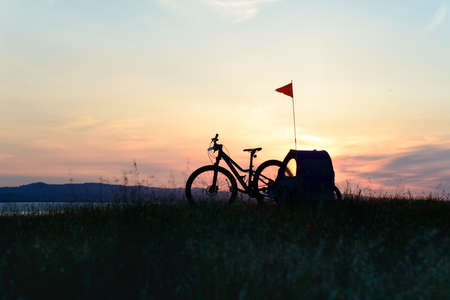
Introduction to Cycling and Wild Camping in UK National Parks
Exploring the United Kingdom’s National Parks by bicycle, with a tent as your accommodation, offers a truly unique way to experience the British countryside. This method of travel blends the freedom and sustainability of cycling with the immersive experience of camping, allowing adventurers to move at their own pace while connecting closely with nature. The appeal lies not only in the scenic beauty—rolling hills, rugged coasts, ancient woodlands—but also in the sense of self-reliance and discovery that comes with carrying all you need on two wheels. However, this approach is not without its challenges: navigating regulations around wild camping, unpredictable weather, and sometimes demanding terrain all require careful planning. Yet for those willing to embrace these hurdles, cycling and tenting in the UK’s National Parks is an enriching way to see hidden corners and enjoy the slower rhythms of rural Britain—a style of exploration well-suited to the country’s patchwork landscapes and extensive network of quiet lanes and bridleways.
2. Key Regulations for Cyclists and Campers
When planning a bicycle and tent adventure through the UK’s national parks, it is essential to understand the regulations governing cycling and camping. The rules differ not only between Scotland and the rest of the UK but also within individual parks. Below, you will find an explanation of the most important guidelines to ensure a respectful and legal journey.
Cycling: Rights of Way and Trail Etiquette
In England, Wales, and Northern Ireland, cyclists are allowed on public roads, designated cycle paths, and bridleways, but not on footpaths unless expressly permitted. Scotland offers more freedom under the Land Reform (Scotland) Act 2003, allowing access to most land and trails, provided users act responsibly.
| Region | Permitted Cycle Routes | Restrictions |
|---|---|---|
| England & Wales | Roads, cycle paths, bridleways | No cycling on footpaths unless signed; respect other users |
| Northern Ireland | Similar to England & Wales | Check local byelaws for additional restrictions |
| Scotland | Most land and trails (responsible access) | Avoid sensitive habitats; follow Scottish Outdoor Access Code |
Essential Trail Etiquette:
- Yield to walkers and horse riders on shared routes.
- Close gates behind you and avoid disturbing livestock.
- Stick to established paths where possible to prevent erosion.
Wild Camping: Legalities and Best Practice
The rules for wild camping are significantly different in Scotland compared to England, Wales, and Northern Ireland. Scotland permits wild camping in most unenclosed areas under the Scottish Outdoor Access Code. In contrast, wild camping in other parts of the UK is generally not allowed without landowner permission, except in specific zones such as certain parts of Dartmoor National Park (subject to current legal status).
| Region | Status of Wild Camping | Main Requirements |
|---|---|---|
| Scotland | Permitted (with responsibility) | Follow ‘leave no trace’ principles; avoid busy or cultivated areas; stay discreetly for 1-2 nights only. |
| England & Wales | Generally prohibited without permission (some exceptions) | Seek explicit consent from landowners; use official campsites if unsure. |
| Northern Ireland | Not permitted without permission | Always obtain landowner consent; limited opportunities for wild camping. |
The Principle of ‘Leave No Trace’:
- Take all litter with you and avoid leaving any trace of your stay.
- Avoid lighting fires; use a camping stove if necessary.
- Campsites should be small, out of sight, and used for short durations only.
- Bury human waste at least 15 cm deep and 30 m from water sources.
- Respect wildlife and local communities at all times.
3. Essential Gear and Preparation Tips
When cycling and camping across the UK’s national parks, your gear selection and preparation can make or break the experience—especially given Britain’s famously unpredictable weather. Here’s a practical guide to assembling the right kit, tailored for local conditions and regulations.
Bicycle Essentials for British Terrain
Opt for a robust touring or gravel bike capable of handling mixed surfaces common in parks like the Lake District or Peak District. Sturdy tyres with good grip are essential, as tracks can quickly turn muddy after rain. Invest in full mudguards; they’re not only polite on group rides but vital for keeping yourself dry. A solid pannier rack and waterproof panniers will protect your kit from sudden downpours—dry bags are also highly recommended.
Campsite Comfort and Weatherproofing
The UK climate demands a reliable, waterproof tent. Look for one rated at least 3000mm hydrostatic head to withstand heavy showers and strong winds that sweep moors and hills. A three-season sleeping bag is usually sufficient, but pack a thermal liner for chilly nights, especially in spring or autumn. Lightweight but sturdy pegs are necessary for rocky ground. For cooking, gas stoves tend to perform better than spirit burners in damp conditions.
Layering Up: Clothing Choices
British weather can swing from sunshine to sleet in hours, so embrace layering. Begin with moisture-wicking base layers, add insulating mid-layers (like fleece), and finish with a breathable, fully waterproof jacket and trousers. Pack a warm hat, gloves, and wool socks—even summer evenings can be surprisingly cold. High-visibility clothing is advisable on country lanes where visibility changes fast.
Navigation and Safety Tech
Paper maps (such as Ordnance Survey Explorer series) remain invaluable; GPS devices and smartphone apps (e.g., Komoot or OS Maps) complement them well, but always carry a power bank due to limited charging points in remote areas. Front and rear lights are mandatory after dusk; consider daytime running lights on misty days for added safety.
Local Knowledge: Preparation Tips
Before setting off, check park-specific rules regarding wild camping and cycling on bridleways or restricted byways—some parks are stricter than others. Inform someone of your route each day and note emergency contact numbers for park rangers. Water sources aren’t always reliable; carry a filter or purification tablets just in case. Finally, pack light but don’t skimp on essentials—a little extra weight is worth it for peace of mind when the British weather turns challenging.
4. Top UK National Parks for Bicycle Camping Adventures
When it comes to exploring the UK’s national parks with your bike and tent, several destinations stand out for their unique landscapes, well-maintained cycling routes, and camping opportunities. Below, we highlight four of the best parks—Lake District, Peak District, Snowdonia, and Cairngorms—each offering a distinctive flavour of adventure.
Lake District National Park
The Lake District is a cyclist’s paradise renowned for its dramatic fells, serene lakes, and challenging climbs. The region boasts an extensive network of cycleways and bridleways, such as the Coast to Coast (C2C) route and Windermere Loop. Wild camping is technically not permitted without landowner consent, but some organised campsites cater specifically to cyclists. The landscape offers plenty of secluded spots if you’re discreet and respectful.
Peak District National Park
As Britain’s first national park, the Peak District offers a mixture of rolling hills, limestone dales, and former railway lines repurposed as traffic-free trails like the Monsal Trail and Tissington Trail. Several campsites welcome cyclists and tents, while permissive wild camping is occasionally tolerated in remoter areas. Its central location makes it accessible from many UK cities.
Snowdonia National Park
Known for Mount Snowdon and rugged Welsh terrain, Snowdonia is ideal for adventurous riders seeking both road and off-road experiences. Routes such as Lon Las Cymru traverse the park’s heart, while forest tracks offer mountain biking thrills. Campsites are plentiful near key cycling hubs; wild camping is more accepted in upland areas if you follow Leave No Trace principles.
Cairngorms National Park
The Cairngorms is the largest UK national park and a top choice for long-distance bikepacking. It features extensive trails like the Speyside Way and mountain passes criss-crossing pine forests and moorlands. Scotland’s right to responsible access allows wild camping throughout much of the park, provided you camp away from roads and respect local guidelines.
Comparison Table: Cycling & Camping Prospects
| National Park | Main Cycling Routes | Cyclist-Friendly Campsites | Wild Camping Permitted? |
|---|---|---|---|
| Lake District | C2C Route, Windermere Loop | Yes (limited) | With landowner permission |
| Peak District | Monsal Trail, Tissington Trail | Yes | Tolerated in remote areas |
| Snowdonia | Lon Las Cymru, Forest Tracks | Yes | Tolerated in uplands (Leave No Trace) |
| Cairngorms | Speyside Way, Mountain Passes | Yes (many options) | Permitted under Scottish law |
This selection demonstrates the diversity of landscapes and regulations across the UK’s leading national parks. With careful planning and respect for local rules, these parks provide outstanding opportunities for bicycle camping adventures year-round.
5. Navigating Facilities and Local Services
When cycling and camping across the UK’s national parks, knowing where to find essential facilities is vital for a smooth journey. British national parks are interspersed with a blend of traditional conveniences and local hospitality, ensuring adventurers rarely feel isolated from support.
Water Sources
Safe drinking water is widely available, but it’s wise to plan ahead. Many campsites, visitor centres, and even some public toilets within national parks have potable taps. In rural areas or on long trails, you may need to rely on streams or natural sources—always use a reliable filter or purification tablets, as agricultural runoff can affect water quality. Pubs and cafés are also generally happy to refill bottles for cyclists; just ask politely.
Food and Supplies
The classic British village shop remains a lifeline in rural areas, offering everything from sandwiches to trail snacks and occasionally fresh local produce. Larger towns on park boundaries host supermarkets, but within the parks themselves, look out for farm shops or honesty boxes selling eggs, cakes, and preserves—an authentic local experience. Pubs serve hearty meals and often allow cyclists to restock water or charge devices. Planning your route to pass through villages at meal times ensures you don’t go hungry.
Bicycle Repair Facilities
Bicycle repair shops are more common near popular cycling hubs such as the Lake District’s Windermere or the Peak District’s Bakewell. However, in remote regions, these may be sparse. Many local cafés and campsites stock basic repair kits or can point you toward the nearest mechanic. Some national parks have community-run “bike stations” equipped with tools and pumps for minor fixes—a testament to British resourcefulness. It’s good practice to carry essential spares: inner tubes, tyre levers, multi-tools, and a pump.
Typical British Conveniences
Public toilets (‘loos’) are generally well-maintained in larger car parks and visitor centres. Mobile signal can be patchy—especially in valleys—so downloading offline maps is prudent. Most villages will have a post office doubling as a mini-market, while rural bus shelters sometimes function as informal meeting points for local tips.
Local Hospitality
The UK’s tradition of warm hospitality shines in its national parks. Cyclists are often welcomed by B&B hosts keen to hear about your journey or by locals eager to recommend a hidden trail or favourite bakery. If in doubt or in need of help, don’t hesitate to ask—a friendly chat goes a long way in Britain’s countryside.
6. Respecting Local Communities and Countryside Code
Cycling and wild camping across the UK’s national parks is not only about adventure—it’s also about respecting the people and landscapes that make these places special. Following the Countryside Code is essential for anyone exploring by bicycle and tent, as it sets out clear guidelines for responsible behaviour in rural environments.
The Countryside Code: What Every Cyclist Should Know
The Countryside Code is a set of best practices to help visitors enjoy the countryside while protecting it for others. Key principles include leaving gates as you find them, sticking to designated paths and rights of way, taking litter home, and controlling noise levels. When wild camping, it’s crucial to camp discreetly and only where permitted, avoiding farmland or private property unless you have express permission.
Engaging with Local Communities
Positive interactions with local residents can enhance your journey. Always be courteous when passing through villages or using facilities such as shops or pubs. Supporting local businesses not only benefits the community but often leads to valuable conversations and recommendations. Remember to be mindful of privacy and avoid setting up camp close to homes or gardens.
Minimising Environmental Impact
Preserving the natural beauty of national parks requires careful attention. Stick to established trails to prevent erosion, and avoid disturbing wildlife, especially during breeding seasons. Use biodegradable soap if washing outdoors, and always follow Leave No Trace principles—remove all rubbish, dismantle temporary fire pits (where allowed), and restore the site before moving on.
By observing these guidelines, you contribute to the preservation of both the environment and the goodwill of those who call these areas home. Ultimately, respectful behaviour ensures that cyclists and campers remain welcome guests in Britain’s treasured national parks.
7. Conclusion: Making the Most of Your UK National Parks Adventure
Embarking on a cycling and camping journey through the UK’s national parks is not just about covering miles or ticking off destinations; it’s about truly immersing yourself in Britain’s diverse natural beauty, respecting the land, and connecting with local culture. As you plan your adventure, remember that responsible travel is key. Always check the most up-to-date regulations for wild camping and cycling routes in each park—these can differ significantly between regions like Scotland, England, and Wales.
Be mindful of your impact on the environment: follow Leave No Trace principles by packing out all rubbish, minimising campfire use, and sticking to established paths where possible. Respect private property and seek permission if you’re unsure about camping spots, especially outside of Scotland. When passing through villages or rural communities, support local businesses by visiting cafés, shops, or markets. This not only enriches your own experience but also helps sustain these unique areas for future travellers.
Preparation is vital—plan your route according to your fitness level and interests, accounting for the UK’s famously changeable weather. Equip yourself with reliable maps (digital and paper), suitable gear for wet conditions, and knowledge of nearby facilities such as bike shops and emergency services. Don’t hesitate to ask locals for advice; British hospitality often shines brightest in unexpected encounters.
Finally, take time to slow down and savour the journey. Whether it’s pausing for a brew overlooking a dramatic moorland vista or chatting with fellow travellers at a campsite, these moments often become the highlights of your trip. The UK’s national parks offer a unique blend of history, wildlife, and landscape that can be best appreciated at a cyclist’s pace.
Encouragement for Future Adventurers
Your cycle-camping adventure is an opportunity to explore the UK in a way that few do—intimately and sustainably. By planning ahead and travelling considerately, you’ll not only enjoy a memorable trip but also contribute positively to the places you visit. So load up your panniers, respect the countryside code, and embrace both challenge and discovery along Britain’s greenways. Happy riding!