Introduction to Campervan and Caravan Overnight Parking in the UK
The allure of the open road has seen a marked rise in the popularity of campervan and caravan travel across the United Kingdom. Whether it’s a weekend escape to the Lake District, an extended tour along the Cornish coast, or simply exploring hidden gems off the beaten path, more people are turning to mobile living for flexibility and adventure. However, with this surge comes an essential need to understand the complexities surrounding overnight parking. The UK’s blend of historic towns, rural landscapes, and bustling cities means that regulations vary significantly depending on location and local council policies. As such, navigating DVLA regulations and specific vehicle requirements is not just a legal necessity but also crucial for ensuring a smooth and enjoyable journey. Being informed about where you can legally park overnight helps avoid fines, prevents unnecessary confrontation, and supports responsible travel practices that respect both local communities and fellow travellers.
Overview of the DVLAs Role in Vehicle Regulations
When it comes to overnight parking with campervans and caravans in the UK, understanding the role of the Driver and Vehicle Licensing Agency (DVLA) is crucial. The DVLA serves as the central authority for vehicle registration and licensing across Great Britain, ensuring all vehicles meet legal standards before they are used on public roads. Their responsibilities cover several key areas relevant to campervan and caravan owners, particularly relating to vehicle classification, registration processes, and compliance with road-legal requirements.
DVLA Authority: What Does It Cover?
The DVLA has specific powers that impact how campervans and caravans are defined and used:
| Area | DVLA Responsibility | Implications for Owners |
|---|---|---|
| Vehicle Classification | Determines if a vehicle qualifies as a motor caravan or trailer caravan based on structural features and intended use. | Affects insurance rates, taxation classes, and where/how you can park overnight legally. |
| Registration & Documentation | Issues log books (V5C), assigns registration numbers, and maintains official records of ownership. | You must ensure your vehicle’s details match its physical characteristics, especially after conversions. |
| Legal Use Requirements | Enforces rules regarding roadworthiness (MOT), proper taxation, and display of number plates. | Non-compliance may result in fines or restrictions on using your campervan or caravan for overnight stays. |
The Importance of Correct Classification
For those planning to use their vehicles for overnight parking or extended stays, it’s essential to ensure that the DVLA recognises your vehicle under the correct category. This not only affects legal use but also impacts your ability to access certain sites, insurance coverage, and your responsibilities during roadside checks. The process can be especially detailed if youve converted a van into a campervan; photographic evidence and documentation may be required for reclassification.
Summary Table: Key DVLA Functions Related to Campervans & Caravans
| Function | Description |
|---|---|
| Classification | Defines whether your vehicle is a campervan/motor caravan or a caravan/trailer. |
| Registration | Keeps records up to date with accurate owner and vehicle details. |
| Compliance Enforcement | Makes sure vehicles meet MOT, tax, and insurance standards for legal use. |
Navigating DVLA regulations can seem daunting at first, but clarity around their core roles helps ensure you remain compliant while enjoying the flexibility of overnight parking with your campervan or caravan across the UK.

3. Vehicle Requirements and Legal Classifications
When planning to use a campervan or caravan for overnight parking in the UK, it’s essential to ensure your vehicle meets all necessary legal requirements as specified by the DVLA. First and foremost, the vehicle must be correctly classified. A campervan, often referred to as a motor caravan, should be registered with the DVLA under this category. For conversions, there are specific standards: the vehicle must have fixed sleeping arrangements, a permanently installed cooking facility, storage units, and adequate seating and table space. The conversion must also maintain a distinct ‘motor caravan’ appearance from the outside, as per DVLA guidelines.
Insurance is another crucial aspect. Your policy must specifically cover the vehicle as a campervan or caravan; standard car insurance will not suffice. Insurers may require evidence of conversion work and compliance with safety standards before issuing cover. It’s equally important to keep your MOT (Ministry of Transport test) up to date—this is mandatory for vehicles over three years old, confirming that they meet roadworthiness and environmental standards. The MOT should reflect the current classification of your vehicle post-conversion.
Tax obligations cannot be overlooked either. Once reclassified as a motor caravan by the DVLA, you’ll need to pay road tax according to this status. Tax rates may differ from those for private cars or commercial vans, so check the latest rates on the government website. Compliance with these requirements not only ensures legal use but also avoids potential fines or complications if you are stopped or inspected while parked overnight.
4. Parking Rules: Where Overnight Stays Are Permitted
Navigating the regulations for overnight parking in the UK can be a bit of a minefield, particularly when it comes to where campervans and caravans are legally allowed to stay overnight. The rules vary significantly depending on the type of location, with different legal implications for each. Below is an examination of the main categories of places commonly considered for overnight parking, along with their standing under UK law.
Campsites
Campsites remain the most straightforward and legally secure option for overnight stays. These sites are licensed, regulated, and specifically set up to accommodate campervans and caravans. Most campsites provide essential amenities such as waste disposal, electric hook-up points, and water supply. Booking ahead is often required, especially during peak seasons or in popular tourist areas.
Lay-bys and Roadside Parking
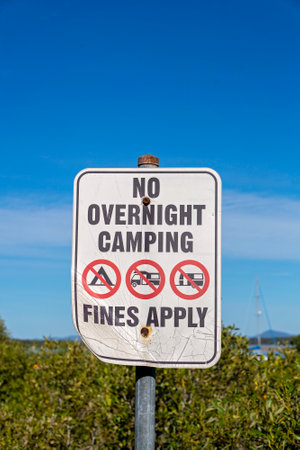
Parking in lay-bys or roadside locations is a more ambiguous area. Technically, many lay-bys on A roads and other public highways are designed for short-term stops rather than overnight stays. Local councils may impose restrictions or bylaws prohibiting overnight camping or sleeping in vehicles. Penalties for non-compliance can include fines or being asked to move on by local authorities or police. Its always prudent to check for signage indicating specific restrictions before settling in for the night.
Private Land
Staying overnight on private land is possible, but only with explicit permission from the landowner. This includes farms, pub car parks, or private driveways. Without such consent, you risk being charged with trespass. Increasingly, some landowners participate in schemes such as Brit Stops, which facilitate safe and legal overnight parking in exchange for patronage or a small fee.
Comparison Table: Legal Standing of Common Overnight Parking Locations
| Location Type | Legal Status | Typical Restrictions | Amenities Provided |
|---|---|---|---|
| Campsite | Fully legal with payment/booking | Must follow site rules; advance booking often required | Yes (toilets, waste disposal, electric) |
| Lay-by/Roadside | Varies (often discouraged or restricted) | No camping signs; time limits; council bylaws | No (rare exceptions) |
| Private Land (with permission) | Legal with owner’s consent | Must have explicit permission; respect conditions set by owner | Sometimes (varies greatly) |
Key Takeaways for Safe Overnight Parking
– Always research local regulations and check signage before stopping.
– Seek formal campsites for peace of mind and access to facilities.
– When considering private land, always ask permission beforehand.
– Avoid parking in prohibited areas to prevent fines or legal trouble.
5. Understanding Local Authority and Private Land Permissions
One of the most important aspects to consider when planning overnight parking in a campervan or caravan in the UK is the distinction between public and private land permissions.
Public Parking Restrictions
In the UK, local authorities are responsible for managing public highways, lay-bys, and council-owned car parks. While some areas may tolerate overnight parking, it is not generally permitted to sleep in your vehicle on the roadside or in public car parks without explicit permission. Most local councils have bylaws that prohibit overnight stays to discourage long-term occupation and maintain public order. Penalties for violating these rules can include fines or being asked to move on by enforcement officers.
Private Land Considerations
On private land, such as farms, pub car parks, or commercial campsites, the rules are dictated by the landowner. Many rural pubs and some businesses welcome campervanners overnight, provided you seek permission in advance—sometimes in exchange for purchasing a meal or drink. The popular Brit Stops scheme connects travellers with participating venues across the UK where overnight stops are allowed.
How to Seek Permission
The process of obtaining permission varies depending on the type of land. For public car parks or council-managed spaces, always check posted signage or contact the relevant local authority directly. For private land, approach the owner politely and explain your intentions—being respectful and transparent usually yields positive results. Written consent is ideal if possible, but even a verbal agreement helps clarify expectations.
Best Practices
Always leave no trace: respect property, dispose of waste properly, and avoid causing any disturbance. Being courteous and following local customs goes a long way towards building goodwill and ensuring that overnight parking opportunities remain available for all.
6. Penalties and Common Pitfalls
Understanding the risks associated with non-compliance is crucial for anyone travelling around the UK in a campervan or caravan. Many visitors, especially those new to British roads and regulations, often underestimate how strictly overnight parking rules are enforced. Below, we’ll highlight the typical mistakes made by travellers, the potential legal consequences, and practical ways to stay compliant when navigating DVLA requirements.
Common Mistakes Made by Travellers
A frequent pitfall is assuming that all lay-bys, service areas, or secluded rural spots permit overnight stays. In reality, many of these locations have explicit signs prohibiting overnight parking or sleeping in vehicles. Ignoring local signage is a common oversight. Additionally, failing to check whether your vehicle’s classification matches its use—such as using a van not registered as a motor caravan for overnight stays—can also lead to trouble.
Legal Consequences
Penalties for breaching DVLA regulations or local council rules can vary widely. They may include fixed penalty notices (FPNs), fines ranging from £50 to several hundred pounds, and in some cases, vehicle removal or impoundment. Repeat offenders might face court proceedings and higher fines. Importantly, offences such as camping on private land without permission may also result in civil action from landowners.
How to Stay Compliant
To avoid these pitfalls, always check for clear signage before stopping overnight and ensure your vehicle meets the DVLA’s definition of a motor caravan if you intend to sleep in it. Use reputable apps or council websites to identify legal overnight spots. Familiarise yourself with local bylaws, especially in tourist hotspots or environmentally sensitive areas. Finally, keep your documents—vehicle registration, insurance, and proof of conversion—readily available in case you’re approached by authorities.
By being diligent about where you park and ensuring your vehicle complies with DVLA standards, you’ll not only avoid costly penalties but also contribute positively to the reputation of campervan and caravan travellers across the UK.
7. Practical Tips for a Smooth Campervan or Caravan Experience in the UK
Embarking on a campervan or caravan journey across the UK offers remarkable freedom, but it also requires careful planning and adherence to DVLA regulations and local requirements. To make your experience enjoyable and compliant, consider these practical tips:
Plan Your Routes Thoroughly
Before setting off, research your intended route in detail. Use reputable mapping tools and route planners specifically tailored for larger vehicles. Some rural areas may have restrictions on weight or height, so always check road signs and local council advice before you travel. Planning ahead reduces the risk of encountering unsuitable roads or restricted zones.
Use Approved Overnight Sites
Wild camping is generally not permitted in England, Wales, and Northern Ireland without landowner permission, while Scotland offers more flexibility under the Scottish Outdoor Access Code. To avoid fines and ensure safety, book stays at designated campsites or certified locations approved by organisations such as The Camping and Caravanning Club or Caravan and Motorhome Club. These sites often provide essential facilities and are designed to accommodate the needs of campervans and caravans.
Respect Local Communities
Your conduct has a direct impact on how welcoming communities remain to campervan and caravan visitors. Always park considerately, avoid obstructing driveways or access points, keep noise levels down, and dispose of rubbish responsibly. Engage with locals courteously if you are unsure about parking rules, and support village shops or eateries when possible.
Stay Informed with Up-to-Date Resources
Laws and guidance can change quickly. Access official resources like the DVLA website, local council web pages, or specialist apps such as Park4Night for up-to-date information on legal overnight parking spots and vehicle requirements. Joining forums or clubs can also provide first-hand advice from fellow travellers navigating similar routes.
Key Takeaways for a Hassle-Free Adventure
- Map out your journey with an eye on vehicle suitability.
- Prioritise staying at accredited overnight sites.
- Maintain good etiquette towards both locals and other travellers.
- Regularly consult reliable sources for any regulatory updates.
A Final Word
Navigating DVLA regulations and local parking laws is crucial for a stress-free campervan or caravan trip across the UK. By planning carefully, choosing approved stops, respecting local communities, and staying informed, you will enjoy a rewarding adventure while staying firmly within the law.