Introduction to Mushroom Foraging in the UK
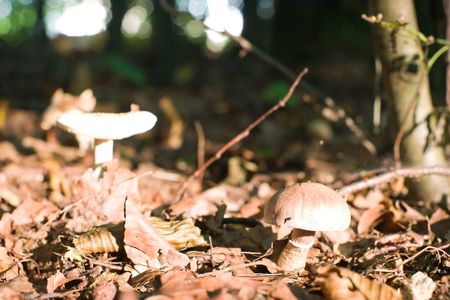
There is a certain magic to wandering through Britain’s ancient woodlands as dawn’s silver mist weaves between mossy trunks and dew-bright ferns. Here, in the hush of the early morning, mushroom foraging has blossomed into a cherished tradition. Generations of ramblers, naturalists, and curious souls have combed these verdant landscapes—be it the rolling Chiltern Hills or the shadowy depths of Scottish glens—in search of wild fungi peeking from leaf litter and fallen logs. The British countryside, with its gentle rain and cool earth, provides an abundant canvas for this pursuit, where seasoned pickers and novices alike are drawn by both the thrill of discovery and the promise of nature’s bounty.
Yet, beneath the rustic charm and sensory delights lies a note of caution. While many mushrooms offer culinary treasures and earthy perfumes, others harbour secrets more sinister—capable of turning an idyllic ramble into a race against time. The allure of wild fungi is tempered by their potential risks; misidentification can lead to serious health consequences. As such, understanding both the tradition and its hazards is essential for anyone tempted to gather mushrooms amidst Britain’s lush landscapes.
Common Poisonous Mushrooms Found in the British Countryside
Meandering through the lush woodlands and dewy meadows of the British countryside, one is often enchanted by the whimsical scatter of wild mushrooms. Yet, amongst these fungi, a handful harbour secrets best left undisturbed. Recognising these toxic species is an art shaped by the subtle beauty and warning signs woven into our local landscape. Below, we gently explore some of the most prevalent poisonous mushrooms you may encounter on your rambles, with visual cues and local wisdom to guide you.
| Mushroom Name | Visual Cues | Where to Find | Notable Local Tip |
|---|---|---|---|
| Death Cap (Amanita phalloides) | Pale olive-green cap, white gills, bulbous base with a volva (egg sac) | Deciduous woods, especially beneath oak and beech trees | Often mistaken for edible field mushrooms; always check for the volva at the stem’s base |
| Destroying Angel (Amanita virosa) | Snow-white cap and stem, delicate skirt-like ring, pure white gills | Damp woodland clearings across England and Wales | The ethereal whiteness is lovely but lethal—never trust an all-white wild mushroom |
| Fly Agaric (Amanita muscaria) | Bright red cap speckled with white warts, thick white stem | Beneath birch and pine in heathland and forests nationwide | This classic fairytale toadstool is as toxic as it is iconic—admire, don’t touch |
| False Morel (Gyromitra esculenta) | Irregular, brain-like reddish-brown cap, short stout stem | Sandy soils of Scottish pine forests and open glades in springtime | Morels are coveted by chefs, but this lookalike harbours potent toxins—if in doubt, leave it out |
| Panther Cap (Amanita pantherina) | Brown cap with white spots, skirted ring, white gills and base bulb | Mature mixed woodlands throughout southern England and Wales | Easily confused with other Amanitas—note the distinct white spots and ringed stem before moving on |
The British countryside can be both enchanting and deceptive when it comes to wild mushrooms. Gentle observation is key: note not just the colour or size but also where a mushroom grows and its relationship to familiar local trees. When uncertainty lingers, remember that time-honoured advice passed down by seasoned foragers: “If youre not sure, let it endure.” In our next section, we will explore what symptoms to look out for should misfortune strike.
3. Symptoms of Mushroom Poisoning
In the delicate tapestry of the British countryside, where dew clings to autumn grass and bracken brushes your boots, mushroom foraging invites both wonder and risk. Recognising the symptoms of mushroom poisoning is not just a matter of medical knowledge, but a keen awareness tuned to both body and soul—an intuition that something is amiss. The physical signals may arrive quietly: a gentle nausea rising like mist on a moor, an unsettling dizziness as you follow winding woodland paths, or cramps echoing the twisting roots beneath ancient oaks. More severe signs can emerge hours later—persistent vomiting, confusion, jaundice, or in rare cases, hallucinations that blur the safe boundaries between reality and reverie.
Yet British experience reminds us that emotional unease often walks hand in hand with physical distress. There is a peculiar anxiety that grows when one suspects poisoning—an uncertainty tinged with fear as clouds gather over rolling hills. In such moments, trust your instincts; the subtle shift from contentment to worry is itself a signal worth heeding. It is this blend of practical vigilance and sensitivity to mood that defines our approach here in the UK, where unpredictable weather and wild flora demand respect. Should you or a companion begin to feel unwell after eating wild mushrooms, do not dismiss these sensations as mere imaginings or the cost of adventure. Instead, see them as gentle warnings from nature herself—a call to act swiftly and seek help before shadows lengthen across the landscape.
4. Immediate First Aid Measures in the Outdoors
When faced with a suspected case of mushroom poisoning during a ramble through the British countryside, swift and composed action can make all the difference. Here is a calm, step-by-step approach tailored for walkers and nature enthusiasts, using British terminology and adhering to local public health advice.
Step-by-Step Response for Suspected Mushroom Poisoning
- Remove from Exposure: If you suspect that someone has ingested a wild mushroom, encourage them to stop eating immediately and safely remove any remaining pieces from their mouth.
- Preserve Evidence: Collect any leftover mushroom material, including samples from the ground if possible. Place these in a paper bag (not plastic) to help with identification by medical professionals.
- Assess Symptoms: Look out for early signs such as nausea, vomiting, stomach cramps, diarrhoea, confusion, or sweating. Note the time symptoms began and how much was consumed.
- Do Not Induce Vomiting: NHS guidance advises against inducing vomiting or giving fluids unless instructed by a medical professional.
- Call for Help: Dial 999 for emergency services or NHS 111 for urgent advice. Clearly state it is a case of suspected mushroom poisoning and provide location details—use your OS map reference or What3words app if in remote areas.
- Monitor and Support: Keep the person comfortable and closely monitor their condition while awaiting medical help. If they become unresponsive but are breathing, place them in the recovery position. If not breathing, begin CPR if you are trained.
Essential Information to Provide When Seeking Help
| Information Needed | Details |
|---|---|
| Location | Name of trail or park, nearest landmark, grid reference or What3words location |
| Description of Mushroom | Colour, size, shape, where found (woodland, field), and preserved sample if available |
| Time of Ingestion | Approximate time when the mushroom was eaten |
| Symptoms Observed | Nausea, vomiting, abdominal pain, confusion, etc., with onset time |
| Other Medical History | Any known allergies or pre-existing conditions of the person affected |
A Note on Prevention and Preparedness
The best way to avoid mushroom poisoning is to refrain from consuming wild fungi unless identified with certainty by an expert. Carrying a small first aid kit with space for specimen collection (such as spare paper envelopes) is advisable for prepared ramblers. Awareness and composure can transform an alarming moment into an efficiently managed emergency, safeguarding life until professional care arrives.
5. Seeking Professional Help: British Emergency Services
If you suspect mushroom poisoning while wandering the lush, untamed corners of the British countryside, timely contact with professional help is crucial. The National Health Service (NHS) and emergency services are your lifeline, especially when rural landscapes stretch wide and the nearest town seems a world away.
Dialling 999 or 112: What You Need to Know
The moment symptoms appear—be it nausea, confusion, or alarming changes in breathing—don’t hesitate to dial 999 or 112. These are the main emergency numbers across the UK. Whether youre deep within the Lake District’s misty fells or on a windswept Cornish path, mobile reception may waver; try moving to higher ground or an open space for better signal. If you’re unable to call, ask anyone nearby for help without delay.
Describing Your Location and Situation Clearly
When speaking to operators, clear and calm communication is your best ally. Use local landmarks, postcodes (if known), or the popular What3Words app, which provides precise locations even in remote areas. Describe symptoms as specifically as possible—mention any mushrooms consumed, their appearance, and the timeline of symptoms. Even if you feel embarrassed or uncertain, honesty and detail can save lives.
Navigating Rural Challenges
In more isolated settings, it may take longer for ambulances to arrive. While waiting, follow NHS advice by keeping the affected person still and warm, away from further hazards. If safe, collect a sample of the mushroom (ideally using gloves or a cloth) so medics can identify it later—never attempt further identification yourself.
Insider Tips from Local Experts
If you have signal but fear language barriers or panic may get in your way, remember: British dispatchers are trained to guide you gently through emergencies. Don’t hang up until told to do so; stay on the line for ongoing support. For less urgent concerns or advice while awaiting help, you can call NHS 111—a free helpline staffed with healthcare professionals who understand local terrain challenges.
Outdoors life in Britain is rich with wonder but demands respect for its risks. Knowing how to reach help and what to say ensures that even in wildest moor or forested glade, you’re never truly alone—and every word you speak brings safety closer.
6. Preventive Measures and Safe Foraging Tips
Foraging for wild mushrooms in the British countryside is both a beloved tradition and a gateway to deeper connection with nature. Yet, it’s an activity that demands respect, knowledge, and a touch of humility. To wander through ancient woodlands, dewy meadows, or the mossy heart of a Scottish glen and return safely with edible treasures, consider these mindful practices—each one rooted in both safety and the gentle rhythms of British outdoor life.
Embrace Local Wisdom
Join local mycological groups or attend guided forays organised by experienced foragers. The UK boasts a vibrant community of mushroom enthusiasts who cherish the passing down of knowledge. Lean into this collective wisdom; it’s as much about sharing stories over a thermos of tea as it is about identification skills.
Know Your Fungi
Carry a reputable field guide specific to British mushrooms, and never consume any specimen unless you are absolutely certain of its identity. Look out for classic edible varieties like chanterelles and field mushrooms, but remember: many edible species have toxic lookalikes. If in doubt, leave it out.
Practice Mindful Gathering
Take only what you need, leaving enough behind for wildlife and future growth. This gentle approach not only protects fragile ecosystems but also aligns with Britain’s deep-rooted respect for its landscapes.
Prioritise Safety Above All
Always forage with companions, keep your mobile charged, and let someone know your planned route. Pack basic first aid supplies and familiarise yourself with the symptoms of mushroom poisoning. It’s wise to bring collected fungi home before consuming—allowing time for careful examination in good light.
Cherish Tradition, Foster Curiosity
The act of foraging is about more than gathering food; it’s an invitation to slow down and savour each step under the shifting British sky. Share your finds and knowledge within your community—perhaps at a local harvest festival or an informal walk—and encourage responsible exploration among young adventurers.
A Lifestyle Enriched by Nature
Mushroom hunting on the British Isles offers not just sustenance but a more mindful way of living: attuned to seasons, landscapes, and the gentle unfolding of discovery. With caution, respect, and a dash of curiosity, you’ll find that every outing becomes an adventure—one woven into the tapestry of British outdoor life.