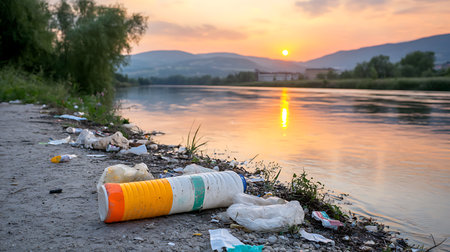
1. Understanding Litter in the British Countryside
When we think of Britain’s breathtaking landscapes, images of rolling green hills, charming woodlands, and dramatic seaside cliffs often spring to mind. These beautiful scenes are not only a source of national pride but also precious spaces where families gather for picnics, nature walks, and outdoor adventures. However, the growing issue of litter—especially single-use plastics—threatens to tarnish these iconic environments. From discarded water bottles left on a Lake District trail to crisp packets fluttering along the Cornish coast, single-use plastics are finding their way into even the most remote corners of our countryside. For parents and children alike, these sights can be both upsetting and worrying, as they not only spoil the view but also pose risks to wildlife and local communities. Preserving these beloved places is more than just an environmental concern; it’s about safeguarding cherished memories and ensuring that future generations can continue to enjoy the natural beauty that defines our British way of life. By understanding how litter impacts our landscapes, we take the first step towards making positive changes together as families and communities.
2. The Journey of Single-Use Plastics
Every day, families across the UK use a range of single-use plastics without a second thought. From popping into the local shop for a bottle of water to grabbing a meal deal wrapped in plastic packaging, these items make life convenient but can quickly find their way into our beautiful British landscape. Have you ever wondered how that crisp packet or drink bottle ends up fluttering along a countryside path or floating in your local river?
Let’s follow the journey: After serving their brief purpose, many single-use plastics are disposed of improperly—sometimes tossed aside during a family picnic at the park or blown out of an overfilled bin on a windy day. Rain and rivers then carry these lightweight items through towns, across fields, and into waterways, where they gather with other litter. Even plastics that start off in busy city centres can travel miles, eventually resting in tranquil spots we cherish for family outings.
Common Single-Use Plastics Found Across the UK
Whether you’re exploring a woodland trail or strolling by the seaside, some types of plastic are more likely to appear as litter than others. Here’s a quick look at what you might find:
| Location | Typical Plastic Litter |
|---|---|
| Parks & Playgrounds | Drink bottles, snack wrappers, straws, sandwich packaging |
| Countryside Paths | Crisp packets, sweet wrappers, disposable cups, plastic bags |
| Local Rivers & Streams | Bottle caps, cotton bud sticks, carrier bags, food containers |
These everyday items may seem small but together can cause big problems for wildlife and spoil the lovely spaces where families make memories. By understanding how single-use plastics travel from our hands into nature, we can all play a part in keeping Britain’s landscapes clean and safe for everyone.

3. Why Is Litter a Problem in the UK?
Litter is more than just an eyesore on our lovely British landscape; it’s a challenge that touches every corner of our communities. When single-use plastics and other rubbish are left behind, they have far-reaching consequences. Not only do they spoil the look of our parks, beaches, and countryside, but they can also harm wildlife. Curious animals may mistake plastic for food or get tangled in discarded packaging, leading to injury or worse. This isn’t just sad for nature lovers—it’s something that affects us all, especially families enjoying a day out.
From a public health perspective, litter can attract pests and create unhygienic conditions. Leftover food wrappers and bottles become breeding grounds for bacteria and invite rodents, making playgrounds and picnic areas less safe for children and grown-ups alike. It means parents need to be extra watchful during family outings, taking away some of the carefree fun we hope to enjoy outdoors.
There’s also a social impact—litter can dampen local pride. Many British towns and villages take great care in keeping their streets and greenspaces tidy, organising community clean-up days and encouraging everyone to do their bit. But when litter is left unchecked, it sends a message that nobody cares, which can make people less likely to look after their surroundings. For families hoping to pass on values like responsibility and respect for the environment, this is particularly worrying.
Ultimately, tackling the problem of litter is about more than keeping places looking pretty; it’s about protecting wildlife, safeguarding public health, and nurturing a sense of community pride across Britain. Each crisp packet or bottle picked up is a small step towards ensuring that our landscapes remain welcoming for future generations to explore together.
4. Government and Community Approaches
Across the UK, both government policies and community-driven initiatives are making a positive impact in tackling single-use plastics and litter. A blend of national regulations and local engagement helps to foster a sense of shared responsibility—something that’s become part of British daily life. One prominent policy is the 5p carrier bag charge, introduced across England, Scotland, Wales, and Northern Ireland. This simple yet effective measure has dramatically reduced plastic bag usage by encouraging shoppers to bring their own reusable bags. The table below highlights some key policies and initiatives shaping Britain’s fight against plastic waste:
| Policy/Initiative | Description | Impact |
|---|---|---|
| 5p Carrier Bag Charge | A small fee for single-use plastic bags at shops and supermarkets | Plastic bag usage dropped by over 80% in major retailers since implementation |
| Deposit Return Schemes (DRS) | Piloted in Scotland and planned for wider roll-out; consumers pay a deposit on bottles which is refunded upon return | Boosts recycling rates, reduces bottle littering |
| Plastic Straw and Stirrer Ban | Ban on sale and distribution of single-use straws, stirrers, and cotton buds | Reduces marine pollution and plastic waste in public spaces |
Community Campaigns and Clean-Up Days
The heart of British environmental action often beats strongest at the community level. Local councils and volunteer groups regularly organise litter picks, beach cleans, and “Keep Britain Tidy” campaigns. These events not only clean up parks, riversides, and city streets but also bring families together to teach children about respecting nature. Many schools have incorporated anti-littering lessons into their curriculum, nurturing eco-conscious habits from an early age.
Encouraging Responsible Waste Disposal
To make it easier for everyone to do their bit, councils have increased the number of recycling bins in public places and improved signage so that sorting waste is as simple as possible—even when you’re out with your family for a picnic or walk in the countryside.
A Shared Sense of Pride
Through these combined efforts—whether it’s a national policy or a local litter pick—the UK continues to cultivate a culture where caring for our landscapes is something everyone can feel proud of. After all, every small action helps keep Britain beautiful for future generations.
5. Family-Friendly Solutions to Single-Use Plastics
Reducing single-use plastics may seem challenging at first, but British families can embrace simple, practical steps that make a real difference. Every family’s effort—no matter how small—helps keep our countryside, parks, and seaside sparkling for everyone to enjoy.
Reusable Alternatives for Everyday Life
Start with easy swaps at home and when out and about. Instead of buying bottled water, try using reusable water bottles decorated with your child’s favourite stickers or characters—they’re handy for school, picnics, and football matches in the park. Swap cling film for beeswax wraps or reusable containers for lunchboxes; many UK supermarkets now stock these eco-friendly options. Carry sturdy canvas bags when shopping at the local market or high street shops, making it a fun family challenge to see who remembers their bag each time!
Get Involved in School Projects
Many British schools are embracing eco-friendly initiatives. Encourage your children to join or start “Eco Committees” where they can help organise litter picks, recycling drives, or plastic-free days. These projects not only clean up playgrounds and local parks but also teach valuable lessons in teamwork and responsibility. Why not suggest a class project where pupils create art from recycled materials? It’s both educational and fun—plus, parents can get involved too!
Support Local Zero-Waste Shops
Across towns and villages in the UK, zero-waste shops are popping up as fantastic family destinations. Shopping together at these stores is a great way to involve children in choosing loose fruit and veg, filling reusable jars with cereals or treats, and learning about sustainable living. Many shops offer workshops on reducing waste—check your local community centre noticeboard or Facebook group for upcoming events.
By making small changes as a family—choosing reusables, supporting local efforts, and joining hands with schools—you’re helping protect the beautiful British landscape for generations to come. Every step counts, and together we can make a cleaner, greener future that children will be proud of.
6. Hope for the Future: Inspiring a Greener Britain
As we look to the future, there are plenty of reasons to feel hopeful about tackling single-use plastics and litter across Britain. All over the country, families, schools, and communities are coming together to make a real difference. Local litter picks have become popular weekend activities—think of parents and children donning their wellies and gloves, exploring their local parks or beaches, and filling bags with discarded bottles and wrappers. It’s not just about cleaning up; it’s about spending time together outdoors, learning about nature, and building positive habits that can last a lifetime.
Leading by Example
Many British towns and villages now organise regular “Big Clean Up” events. These community efforts don’t just make places look lovely again—they also bring neighbours closer and show younger generations how small actions add up to big changes. Schools have joined in too, with eco-clubs and recycling challenges that encourage children to take pride in protecting their local environment.
The Power of Family Habits
At home, families are finding creative ways to cut back on single-use plastics. Swapping cling film for beeswax wraps, carrying reusable water bottles on family outings, and choosing loose fruit and veg at the supermarket are simple steps that soon become second nature. Every little change helps reduce waste and sets an example for others to follow.
Looking Ahead Together
The British landscape is renowned for its rolling hills, ancient woodlands, and dramatic coastline. By working together—as families, friends, and communities—we can protect these treasured places for generations to come. When children see adults taking care of the countryside and hear stories of wildlife returning to cleaner rivers or hedgerows blooming with wildflowers again, they’re inspired to play their part too.
With each positive action—no matter how small—we move closer to a greener, cleaner Britain. By nurturing a sense of shared responsibility and hope, families across the UK can help shape a future where our landscapes stay beautiful and our communities thrive in harmony with nature.