Understanding ‘Leave No Trace’ in the UK Context
Amid the rolling hills of the Lake District, the ancient woodlands of the New Forest, and the wild moors of Scotland, a gentle but profound philosophy guides those who wander: Leave No Trace. Rooted deeply in British outdoor traditions, this ethos is more than a set of rules—it is a mindful approach to experiencing nature with respect and humility. The concept finds its origins in early conservation movements, shaped by the distinctive patchwork of public rights of way, common land, and private estates that characterise the UK countryside. Here, where centuries-old footpaths wind through hedgerows and over stiles, the importance of treading lightly is woven into every rambler’s journey. Leave No Trace embodies seven core principles—plan ahead, travel on durable surfaces, dispose of waste properly, leave what you find, minimise campfire impacts, respect wildlife, and be considerate of others—all adapted to the UK’s unique legal and ecological frameworks. By honouring these principles, bushcrafters and wild campers ensure that future generations can experience the same tranquil woodlands and misty valleys untouched by careless hands. In Britain’s beloved green spaces, Leave No Trace is not merely an obligation; it is an invitation to belong gently to the land, preserving its beauty for all who seek solace beneath its ever-changing skies.
Respect for Wildlife and Countryside Code
When venturing into the wild heart of the UK, whether it’s the bracken-scented fells of the Lake District or a quiet patch of ancient woodland in the South Downs, it’s essential to move with reverence. The British countryside is not only a tapestry of rolling hills and misty moors but also a sanctuary for countless species. The Countryside Code, a cornerstone of responsible outdoor activity in Britain, serves as our gentle guide. It reminds us that while nature offers us freedom, our footsteps must be light and considerate.
The Principles of the Countryside Code
At its core, the Countryside Code encourages respect: for people, for places, and above all, for wildlife. By keeping dogs under control, sticking to marked paths, and leaving gates as we find them, we honour both landowners and local communities. But these are just the basics; true wild campers learn to listen—to birdsong at dawn or the distant rustle of deer—and to leave no imprint beyond their own memories.
Enriching Your Wild Camping Experience
Immersing yourself in nature means becoming part of a living landscape. Observing native animals quietly from afar or treading carefully to avoid disturbing fragile habitats turns each night under canvas into something more profound—a partnership with place. When we respect wildlife corridors and avoid nesting sites, we’re rewarded with intimate glimpses of Britain’s elusive creatures: a tawny owl’s call across twilight fields or the flash of a red fox beneath moonlight.
Key Practices for Respecting Wildlife and Habitats
| Action | Why It Matters |
|---|---|
| Stay on established paths | Prevents trampling rare plants and disturbing animal homes |
| Observe animals from a distance | Reduces stress and disruption to natural behaviours |
| Avoid lighting fires on bare earth | Protects soil structure and underground life |
| Pack out all litter—including food scraps | Keeps habitats clean and safe for wildlife |
By weaving these practices into every outing, you cultivate an ethic that not only preserves wild spaces but deepens your connection with them—turning bushcraft and wild camping in the UK into a truly enriching journey.

3. Minimising Campfire and Cooking Impact
In the heart of the British countryside, there is a profound respect for the woodlands and moors that have shaped local culture for centuries. When wild camping or practising bushcraft in the UK, understanding how to minimise your campfire and cooking impact is not just about following rules—it’s about honouring a living landscape. The first step is to research and learn local fire safety practices. In many areas, open fires are discouraged or outright banned due to the risk of wildfires, especially during dry spells. Always check with local authorities or landowners before striking a match. If fires are permitted, use established fire rings where possible or opt for portable stoves which leave no scars on the earth.
Choosing the Right Spot
Selecting a site for your campfire or stove is an act of care. Choose durable ground—bare soil or gravel—far from overhanging branches, bracken, and peat-rich soils that burn easily and can smoulder underground for days. In England’s ancient woodlands or Scotland’s windswept glens, even a small ember can have devastating consequences.
Low-Impact Cooking Techniques
Embrace environmentally friendly cooking methods like using lightweight gas stoves or spirit burners which keep your footprint light and your conscience clear. These modern tools echo the British tradition of tea brewed beside a stream but without leaving sooty traces behind. When it comes to food, plan ahead: bring only what you need, cook simple meals, and avoid excess packaging that becomes litter.
Leaving No Trace Behind
Once your meal is shared beneath the canopy and the day draws to a close, ensure every trace of your presence is erased. Scatter cold ashes, pack away all rubbish—including tiny scraps—and restore any disturbed ground. By learning and adopting these mindful practices, you help preserve the quiet magic of the UK’s wild places—for yourself and for those yet to wander these storied woods.
4. Responsible Litter and Waste Management
There’s a quiet pride in leaving a wild campsite as if you’d never been there—no crushed cans, no stray crisp packets fluttering in the wind, just the gentle hush of grass underfoot. In the UK, with its patchwork of private lands and cherished national parks, responsible waste management isn’t just polite; it’s essential for preserving our countryside’s delicate balance. Here are some practical, UK-specific ways to manage all forms of waste while bushcrafting or wild camping, ensuring that every trace of your stay melts seamlessly back into nature.
Litter: Pack It In, Pack It Out
Every piece of rubbish matters. From microplastics to banana peels, what we leave behind can linger far longer than our memories. The golden rule? Whatever you bring in, you take out—no exceptions. Invest in reusable containers for snacks and meals, and keep a sturdy rubbish bag on hand at all times. Even biodegradable items like fruit peel or tea bags should be packed out, as they can disrupt local ecosystems and aren’t native to many habitats across Britain.
Food Waste: Mindful Disposal
Food scraps might seem harmless but attract wildlife, alter animal behaviour, and spoil the natural beauty for others. If you’re using a portable stove for your supper under the stars, plan your meals carefully to avoid excess waste. For small amounts of food residue:
- Wipe plates with a bit of bread before washing up—it’s delicious and efficient!
- Strain dishwater through a fine cloth to catch crumbs, then scatter the grey water at least 30 metres from any water source.
- Store leftovers in sealable containers to pack out or enjoy later.
Human Waste: Leave No Mark
The British outdoors isn’t always equipped with facilities, especially in remote areas like Scotland’s Highlands or Wales’ wild hillsides. Proper human waste disposal is crucial:
| Waste Type | Best Practice |
|---|---|
| Toilet Paper | Use biodegradable paper sparingly; pack it out in a sealed bag or burn responsibly (where safe and allowed). |
| Solid Waste | If permitted, dig a “cat hole” 15-20 cm deep at least 50 metres from water sources and paths; cover thoroughly. In sensitive areas or where rules prohibit digging, use a portable toilet or ‘wag bag’ system and pack it out. |
Additional Tips for an Immaculate Campsite
- Do a “final sweep” before you leave—scan for micro-litter like twist ties or bottle caps.
- If you find others’ rubbish, consider carrying it out too; small acts make a big difference.
A Lasting Legacy
Your wild camp should leave nothing but flattened grass and softened footprints. By managing all types of waste with care—litter, food scraps, even the most personal kinds—we honour both the land’s ancient rhythms and those who will wander here after us. There’s something quietly beautiful about knowing your visit was truly invisible, woven gently into the landscape’s ongoing story.
5. Wild Camping Etiquette and Legal Considerations
Wild camping in the UK is woven with centuries-old customs, legal frameworks, and a gentle spirit of mutual respect. Unlike some countries where wild camping is largely permitted, in England, Wales, and Northern Ireland, most land is privately owned and wild camping without the landowner’s permission is technically not allowed. Scotland, however, offers a more permissive approach under the Scottish Outdoor Access Code, which allows for responsible wild camping on most unenclosed land. Wherever you wander, understanding these nuances is essential to leave no trace and foster goodwill.
Seeking Permission and Building Trust
On private land, always seek permission from the landowner before pitching your tent or setting up camp. A friendly knock on a farmhouse door or a polite phone call can open gates not only to fields but also to heartfelt local stories and advice. Express gratitude for access and ensure you reassure landowners of your intention to leave no mark upon their cherished landscape.
Respecting Local Customs
The British countryside holds its own quiet codes: avoid disturbing livestock, close gates behind you, and keep noise to a minimum as dusk settles over hedgerows. Choose discreet locations away from homes and footpaths, and set up late in the day—leaving early with no sign of your stay. These small courtesies help maintain harmony between adventurers and those who steward the land.
Legal Guidance for Responsible Adventurers
Familiarise yourself with local bylaws and protected sites such as National Parks or Areas of Outstanding Natural Beauty (AONBs), where regulations may differ. In England’s Dartmoor National Park, for example, wild camping is permitted in specific areas, while elsewhere it remains restricted. Always check maps and official websites before venturing out, respecting any seasonal closures or restrictions put in place for wildlife conservation.
Sharing the Wild with Others
Wild places are shared spaces—leave room for others to experience solitude and serenity. Camp in small groups to minimise impact; if a spot feels crowded, move on. Greet fellow walkers with a smile or a nod—a simple gesture that honours the unspoken camaraderie of the trail.
Treading Lightly—For Today and Tomorrow
Ultimately, wild camping in the UK is about embracing freedom while safeguarding fragile environments and nurturing respectful relationships with landowners and fellow explorers alike. By honouring both tradition and law, we ensure that Britain’s wild corners remain places of wonder—for this night beneath the stars, and for many dawns yet to come.
6. Blending In: Aesthetic Sensitivity in the Landscape
To truly honour the spirit of Leave No Trace in the UK, we must move beyond practical concerns and embrace a deeper aesthetic sensitivity to our surroundings. The British countryside—be it the wild sweep of Dartmoor, the brooding Scottish Highlands, or the tranquil Lake District—has long inspired poets and painters. As bushcrafters and wild campers, we become part of this living landscape, responsible for preserving its timeless beauty for those who come after us.
Minimal-Impact Shelters: Subtlety Over Statement
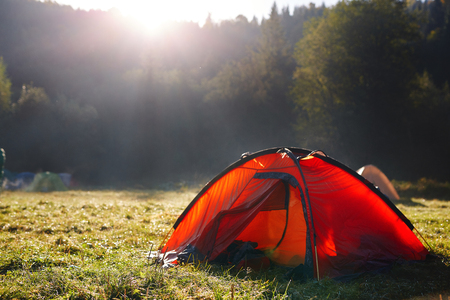
Embrace a sense of place by selecting shelters that blend with the environment. Choose muted colours that echo the moss, bracken, and stone of Britain’s wild spaces, avoiding bright tents or tarps that jar against the natural palette. Pitch your camp out of sight from main paths and keep group sizes small, so your presence fades into the hush of dawn mist or dusk’s gentle light. This subtle approach not only preserves visual harmony but deepens your own connection to the land.
Respecting Cultural Heritage
The UK’s landscapes are steeped in history—ancient barrows, dry stone walls, and centuries-old hedgerows tell stories at every turn. Treat these features with reverence: never camp on archaeological sites or disturb historical ruins. If you encounter traditional field boundaries or local signage, leave them untouched as silent markers of human heritage woven through the wild.
Moving Quietly Through Wild Spaces
Let your footsteps be light and your passage unmarked. Tread softly over heather-clad moors and along woodland trails, mindful of fragile flora and nesting wildlife. Avoid loud voices and unnecessary noise; let the soundtrack be birdsong, breeze through leaves, or distant sheep bells. When you pack up at dawn or dusk, ensure no trace lingers—so that even an attentive rambler would find no sign you were ever there.
This aesthetic mindfulness is more than politeness; it is an act of gratitude to the land itself. By blending in and treading gently, we help sustain both the physical beauty and quiet spirit of Britain’s great outdoors—a gift to all who seek solace under open skies.