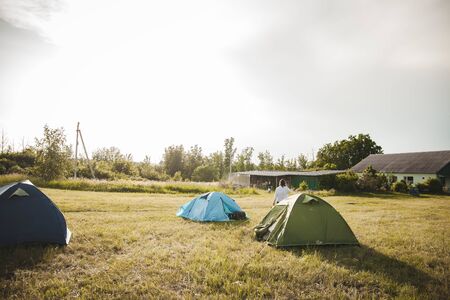
Introduction: The Growing Importance of Responsible Camping in the UK
Over recent years, Britain has witnessed a remarkable surge in domestic tourism, with more people than ever before exploring the country’s picturesque landscapes and cherished wild spaces. As staycations become the norm, from the rugged Scottish Highlands to the rolling hills of the Cotswolds, campers are embracing the outdoors in record numbers. However, this newfound enthusiasm brings unique challenges for the UK countryside—much of which is privately owned, ecologically sensitive, and steeped in centuries-old traditions. This is why ‘Leave No Trace’ principles are becoming increasingly vital across Britain. By fostering a culture of responsibility and respect, these guidelines help protect fragile habitats, reduce human impact, and ensure that everyone can enjoy unspoilt natural beauty for generations to come. As we explore how low-impact gear can make responsible camping possible on British soil, it’s essential to understand why leaving no trace matters now more than ever.
Understanding Leave No Trace in a British Context
When camping across the UK, especially in our cherished national parks or while wild camping in places like the Lake District or Scottish Highlands, understanding and applying the ‘Leave No Trace’ ethos is more than just good manners—it’s essential for preserving these landscapes. But what does ‘Leave No Trace’ really mean here in Britain, where public rights of way, ancient woodlands, and centuries-old traditions meet modern outdoor adventure?
A Practical Breakdown of ‘Leave No Trace’ Principles for Britain
In Britain, the principles of ‘Leave No Trace’ are shaped by unique local factors: variable weather, delicate peat bogs, protected wildlife, and strict land access laws. Here’s how each principle applies when you’re out enjoying our countryside:
| Principle | How It Applies in Britain |
|---|---|
| Plan Ahead & Prepare | Check local bylaws; some areas ban wild camping or fires. Pack waterproofs—British weather is famously unpredictable! |
| Travel & Camp on Durable Surfaces | Stick to established paths; avoid trampling heather or peat moss, which takes centuries to recover. |
| Dispose of Waste Properly | Take all rubbish home—even tea bags! Use toilets where available; if not, bury waste well away from water sources. |
| Leave What You Find | Don’t pick wildflowers or disturb ancient stone walls and heritage sites. Respect the history underfoot. |
| Minimise Campfire Impact | Use a stove rather than an open fire—many parks prohibit ground fires due to wildfire risk and habitat damage. |
| Respect Wildlife | Keep dogs under control; avoid nesting birds and grazing livestock. Observe animals quietly from a distance. |
| Be Considerate of Others | Camp out of sight from paths and homes. Keep noise down—let others enjoy the peace too. |
Navigating Local Rules & Traditions
Remember that Scotland’s right-to-roam laws differ from England and Wales, but even there, responsible behaviour is expected. Always check signage and follow any additional guidance from local rangers or landowners. By following these tailored principles, we ensure that Britain’s wild spaces remain pristine and welcoming for everyone who follows in our bootprints.
3. Low-Impact Gear Essentials: What to Pack for the British Outdoors
If you’re planning a wild camp in the UK, choosing the right low-impact kit is key—not just for comfort, but to tread lightly on Britain’s diverse landscapes. Here’s a practical guide to environmentally considerate gear that stands up to British weather and leaves nature as you found it.
Lightweight Tents & Shelters
Opt for lightweight, freestanding tents with minimal ground impact—think non-colourful designs that blend into moorland or woodland settings. Look for brands using recycled fabrics and PFC-free water repellent treatments, which handle the infamous British drizzle without harming local flora and fauna.
Eco-Friendly Sleeping Systems
Choose sleeping bags and mats filled with recycled materials or responsibly sourced down. Inflatable mats are preferable over foam pads as they pack smaller and cause less wear on grassy pitches common in national parks like the Lake District.
Sustainable Cooking Solutions
For cooking, bring a portable stove instead of making open fires—a big no-no under the Countryside Code. Alcohol or gas stoves with refillable canisters are widely available in the UK. Pair this with a reusable cook set made from recycled aluminium or stainless steel.
Biodegradable Toiletries & Cleaning Products
Swap standard soaps for biodegradable options—essential when wild camping near streams or lochs. Solid shampoo bars and concentrated washing liquids help reduce plastic waste and are gentler on sensitive British ecosystems.
Reusable Water Bottles & Filters
The unpredictable British weather means you’ll need reliable hydration. Use stainless steel bottles or collapsible bladders alongside a compact water filter—especially useful in upland areas where tap water isn’t available.
Minimal Waste Food Storage
Avoid single-use packaging by prepping meals at home in reusable silicone pouches or beeswax wraps. Remember: whatever you pack in, you must pack out—including crumbs and micro-litter!
Responsible Lighting & Power
Ditch disposable batteries for rechargeable lanterns or head torches. Solar chargers can be hit-and-miss with UK cloud cover, so pack a power bank charged from home—just enough for essentials like navigation and emergency calls.
Packing thoughtfully with low-impact gear makes it far easier to leave no trace, ensuring Britain’s wild places remain unspoilt for everyone who follows your footsteps.
4. Real-World Testing: Low-Impact Gear in the British Countryside
When it comes to responsible camping in Britain, theory can only take you so far. That’s why I packed my rucksack with low-impact gear and set off for some of the UK’s most beloved wild spaces—putting kit to the test in conditions ranging from Dartmoor drizzle to a Lake District sunrise. Here are my hands-on experiences and practical insights, gathered from field reports across these iconic locations.
Testing Grounds: Lake District & Dartmoor
The Lake District, with its undulating fells and mirror-like tarns, is a classic spot for wild camping. Dartmoor, meanwhile, offers rugged moorland and an open approach to wild campers, provided you follow local guidelines. Each place posed unique challenges—weather, terrain, and the need to keep a minimal footprint.
Gear Performance Table
| Gear Type | Brand/Model | Location Tested | Performance Highlights |
|---|---|---|---|
| Lightweight Stove | Trangia Mini | Dartmoor | Fuel-efficient; no scorch marks on grass; easy clean-up |
| Bivvy Bag | Alpkit Hunka | Lake District | No tent pegs required; minimal ground impact; weatherproof |
| Leave-No-Trace Toiletry Kit | Pits & Bits Wash Kit | Dartmoor & Lakes | No rinse needed; biodegradable; simple waste pack-out |
In-Field Observations
- Packing Out Rubbish: Every site was left cleaner than I found it—thanks to tough dry bags and collapsible rubbish containers.
- Campsite Selection: Choosing durable surfaces (gravel patches or already compacted ground) made it easier to avoid damaging sensitive areas.
- Cooking: Using stoves with integrated windshields reduced fuel use and ensured no fire scars were left behind—crucial in peat-rich areas like Dartmoor.
Lessons Learned: UK-Specific Tips
- The unpredictable weather makes waterproof and quick-drying kit essential—not just for comfort but also for keeping mud and debris out of natural water sources.
- Boggy ground in the Lakes means elevated sleeping mats or bivvies help prevent compressing delicate mosses and grasses.
Summary: Why It Matters
The real-world testing proved that low-impact gear isn’t just marketing—it genuinely helps protect Britain’s wild places while offering a comfortable night under canvas (or stars). These hands-on trials highlighted how small choices in equipment can make a big difference, ensuring our favourite landscapes remain unspoiled for future generations of campers.
5. Respecting Local Communities and Wildlife
One of the key principles behind Leave No Trace camping in Britain is respecting both local communities and wildlife. Blending in responsibly means much more than just keeping your pitch tidy—it’s about being a considerate guest in the countryside. Start by following the Countryside Code: always close gates behind you, keep to marked paths, and take all your litter home. This isn’t just polite; it helps maintain access rights for everyone.
Engaging With Locals
When you’re camping near villages or farmland, it’s good form to greet locals with a friendly nod or a simple “morning!” If you’re unsure about pitching up, don’t hesitate to ask a landowner or farmer for permission—most are approachable if you show respect and explain your intentions. Supporting local shops or farm stalls is another way to contribute positively; not only does it help the rural economy, but it also shows appreciation for the privilege of spending time on their land.
Minimising Disturbance to Wildlife
Britain’s wild spaces are home to an incredible range of birds, mammals, and insects. Low-impact gear—like lightweight stoves instead of open fires—reduces habitat damage and prevents scaring off wildlife. Always camp at least 50 metres from lakes or streams to protect sensitive habitats, and avoid loud noises, especially at dusk and dawn when animals are most active. If you spot wildlife, observe quietly from a distance without trying to feed or touch them.
Blending In: Best Practice Tips
– Stick to small groups and use tents in muted colours to avoid standing out
– Keep pets under control at all times—dogs should be on leads near livestock and nesting birds
– Leave natural objects like stones, flowers, and feathers where you find them
– Share knowledge about responsible camping with fellow campers to spread good habits
By embracing these practices and making thoughtful gear choices, you’ll ensure your presence enhances rather than detracts from the places you visit. That’s the real spirit of Leave No Trace—and it’s what makes responsible camping truly possible in Britain.
6. Practical Tips for Minimising Your Footprint
Camping responsibly in Britain is about more than just using the right kit – it’s about how you behave at your chosen pitch, too. Here are some straightforward, practical ways to leave your campsite as pristine as you found it, ensuring future generations can enjoy these wild spaces.
Responsible Waste Management
Always pack out what you pack in. Bring along reusable rubbish bags or dry sacks to collect all your litter, including micro-waste like tea bags, food scraps and bottle caps. In the UK, many rural areas lack bins, so plan to take everything home with you. If nature calls, use a trowel to dig a small hole at least 15cm deep and 50 metres from water sources. Better yet, consider a portable toilet bag system for sensitive sites.
Campfire Alternatives
Open fires are discouraged or outright banned in many British wild camping locations due to wildfire risk and environmental damage. Instead, opt for a lightweight camping stove or portable fire pit with a heat shield – both leave little trace and offer efficient cooking. If you must have a fire, use established fire rings and keep flames small, burning only dead wood collected from the ground rather than breaking branches off living trees.
Respecting Local Flora and Fauna
Pitch your tent on durable ground such as grass or gravel rather than delicate mosses or wildflowers. Move tents every night if you’re staying longer than a couple of days to avoid damaging vegetation. Keep noise to a minimum to protect local wildlife and avoid disturbing livestock by closing gates behind you on farmland.
Water Use and Cleaning Up
Bring biodegradable soap and use it sparingly, washing up at least 30 metres away from streams and lakes. Collect water in collapsible buckets for washing dishes away from natural sources and scatter greywater over a wide area to minimise impact.
Be Mindful of Group Size
The smaller the group, the less impact on the environment. Stick to small parties when wild camping in Britain’s national parks or remote moorlands.
By following these simple but effective practices – combined with your low-impact gear – you’ll be doing your bit to keep Britain’s wild places beautiful for everyone.
7. Conclusion: Embracing Responsible Camping as a Community
Reflecting on our journeys through Britain’s wild places, it’s clear that every small decision we make—right down to the gear we pack—carries real weight for the landscapes we cherish. Choosing low-impact camping equipment isn’t just about ticking boxes or following trends; it’s about respecting the countryside and protecting its beauty for those who come after us. From opting for biodegradable soaps to selecting lightweight tents that leave little trace, our individual actions become part of a larger movement—a collective promise to tread lightly.
Britain’s outdoor spaces are both precious and fragile. By embracing responsible camping as a community, we foster a culture where “leave no trace” is second nature. Our gear choices send a message: that campers value the moors, woodlands, and coastlines enough to safeguard them. Whether you’re pitching up in the Lake District, exploring the Scottish Highlands, or enjoying a Cornish cliff-top sunset, each effort to minimise impact helps preserve these places for future generations.
Ultimately, responsible camping is more than a personal ethic—it’s something we do together. Sharing practical tips, advocating for sustainable kit, and setting examples on the trail all play a role in keeping Britain’s wild heart beating strong. Let’s continue making thoughtful choices and inspire others to join us in leaving only footprints behind.