Understanding Off-Grid Energy in the UK
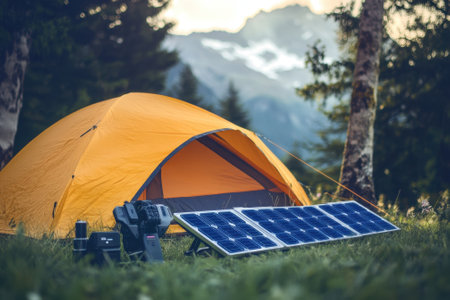
Living off-grid in Britain is gaining traction among those seeking independence from the national power grid, a reduced carbon footprint, and lower energy bills. For many, embracing an off-grid lifestyle means generating their own electricity, managing water supplies, and often growing some of their own food. People are motivated to go off-grid for various reasons: some crave self-sufficiency and resilience against rising energy costs, while others are driven by environmental concerns or simply want to escape the hustle of city life. However, the UK’s unique climate and geography present distinct challenges for anyone considering this lifestyle. Unpredictable weather—think long spells of overcast skies or weeks of low wind—can impact the reliability of renewable systems like solar panels and wind turbines. Furthermore, remote rural locations can make access to maintenance services or equipment a logistical headache. These factors make it crucial to carefully plan your energy mix and backup options when integrating wind and solar technologies for ultimate off-grid power in Britain.
2. Why Combine Wind and Solar?
When it comes to going off-grid in the UK, combining wind and solar technologies is a game-changer. This synergy is especially powerful due to the unique British climate, where weather patterns and daylight hours fluctuate considerably throughout the year. By integrating both systems, you can effectively address these variabilities and achieve a more consistent and reliable power supply for your home or remote site.
Weather Variability: A Perfect Match
The UK is renowned for its unpredictable weather—one minute it’s blazing sunshine, the next it’s gusty winds or overcast skies. Relying on just one renewable source can leave you exposed to these fluctuations. Solar panels work best during sunny spells, but their output drops significantly during cloudy days or in winter when daylight hours are short. On the flip side, wind turbines often generate more power during stormy, overcast, or even nighttime conditions when the sun isn’t shining but the wind is howling. When paired together, these two technologies complement each other perfectly, ensuring energy production across all seasons.
Seasonal Daylight Changes
Daylight hours in the UK vary dramatically between summer and winter. During peak summer months, solar panels can produce ample electricity thanks to long days and higher sun angles. However, in winter, daylight dwindles—sometimes to as little as 7-8 hours in northern regions—and solar output drops accordingly. Here’s where wind steps up: the UK typically experiences stronger winds during autumn and winter months, which helps balance out reduced solar generation.
Synergy at a Glance
| Energy Source | Peak Performance | UK Seasonal Strengths | Typical Shortcomings |
|---|---|---|---|
| Solar Panels | Sunny Days Long Summer Days |
High output from April to September | Low output on cloudy days Short winter days |
| Wind Turbines | Windy Weather Night-time Operation |
Strongest from October to March Works day & night |
Inefficient on calm days May require planning permission |
| Combined System | Year-round Coverage | Smooths out seasonal gaps Maximises local resources |
Initial setup cost Requires space for both systems |
This hybrid approach ensures that you make the most of what Mother Nature offers on British soil, delivering greater self-sufficiency and stability for your off-grid ambitions. By harnessing both wind and solar energy together, you’re not just hedging your bets—you’re making an investment in uninterrupted green power all year round.
3. Essential Gear: Choosing the Right Tech
When planning your off-grid setup in the UK, selecting dependable wind turbines, solar panels, and hybrid controllers is crucial to ensure year-round power generation. The British climate—with its frequent cloud cover, variable sunshine, and gusty winds—demands technology that can adapt to changing conditions and comply with UK standards.
Wind Turbines: Built for Blustery Days
For wind power, opt for turbines designed for low-to-medium wind speeds, which are common across much of Britain. Look for models with a proven track record in the UK—brands like Rutland and Marlec are popular choices. Key features to prioritise include corrosion-resistant materials (to handle coastal air), automatic braking systems for storm protection, and quiet operation to avoid disturbing neighbours or wildlife.
Solar Panels: Making the Most of Limited Sunlight
Solar panels should be high-efficiency monocrystalline or polycrystalline types, as these perform best under the UK’s often overcast skies. Check for MCS certification—this not only ensures quality but also means they meet local regulations if you ever want to feed surplus energy back into the grid. Consider portable or adjustable mounting kits so you can optimise panel angles seasonally for maximum yield.
Hybrid Controllers: Seamless Integration
The heart of any combined system is a reliable hybrid charge controller. Choose one specifically rated for both wind and solar inputs, with MPPT (Maximum Power Point Tracking) technology for efficient energy conversion. Look out for features like LCD displays for real-time monitoring and built-in safety protections against overcharging or electrical faults—a must given the UK’s unpredictable weather patterns.
Check Compliance and Support
Before investing, always confirm that your chosen gear complies with British Standards (BS EN 61400 for small wind turbines and BS EN 61215 for PV modules). It’s also wise to source from suppliers who offer solid after-sales support and warranties—essential if you’re relying on this tech in remote locations where DIY fixes aren’t always an option.
Pro Tip: Future-Proof Your System
If possible, select modular systems that allow you to expand capacity later. Whether you’re starting with a modest setup or planning to scale up, this flexibility will help you adapt as your energy needs grow or as technology advances—all while staying compliant with UK regulations.
4. Setting Up: Installation Tips & Tricks
When it comes to integrating wind and solar technology for off-grid power in the UK, a successful installation hinges on understanding both your location and the quirks of British weather. Here’s some real-world advice, tried and tested across everything from rural cottages to coastal cabins.
Planning Your Setup: Location, Orientation & Sizing
First things first—site assessment is crucial. For solar panels, a south-facing roof is ideal in the UK to maximise sunlight capture. Avoid shade from trees or chimneys. Wind turbines need open space; even a small domestic turbine will underperform if placed too close to buildings or hedges. A general rule: position turbines at least 10 metres above any nearby obstruction within a 100-metre radius.
| Component | Solar Panels | Wind Turbine |
|---|---|---|
| Ideal Placement | South-facing roof, minimal shade | Open area, 10m above obstructions |
| Typical UK Output* | ~800-1,000 kWh/year per kW installed | ~400-1,200 kWh/year (site-dependent) |
| Main Challenge | Cloudy days/roof angle limitations | Turbulence from buildings/trees |
*Actual output varies by region and weather conditions.
Cabling & Wiring: Safety First!
The UK’s damp climate means proper weatherproofing is non-negotiable. Use UV-resistant cables rated for outdoor use, always run wiring through conduit, and double-check all connections with waterproof junction boxes. For wind turbines, ensure you have an isolator switch near the base for maintenance safety.
Grid-Connected vs Off-Grid Installations
If you’re tying into the grid (grid-tied), you’ll need an MCS-certified installer and approval from your DNO (Distribution Network Operator). Off-grid? You have more freedom but must size your battery bank carefully—aim for at least three days of autonomy, especially in remote Scottish or Welsh locations where weather can turn quickly.
| Grid-Tied | Off-Grid | |
|---|---|---|
| Approval Needed? | DNO/MCS Certification required | No formal approval needed* |
| Main Storage Type | Export excess to grid; optional batteries for backup | Batteries are essential (LiFePO4 or AGM) |
| Key Consideration | Feed-in Tariff eligibility/metering setup | Sizing for autonomy & regular maintenance access |
*Building regs may still apply for structures like sheds/cabins.
Troubleshooting Common Issues: Local Insights
If you’re on the coast, salt spray can corrode connections—use marine-grade hardware where possible. In the north or highlands, ice build-up can affect both panels and turbine blades; regular checks are a must. Finally, don’t skimp on lightning protection—a UK thunderstorm can fry sensitive kit in seconds.
5. Performance in Practice: Real-Life Results
When it comes to integrating wind and solar technology for true off-grid living in the UK, nothing speaks louder than hands-on experience. The British climate is famously unpredictable, so let’s break down what you can realistically expect throughout the year. Across various real-life installations—ranging from remote Highland cottages to eco-conscious vans on the Cornish coast—the combination of wind turbines and solar panels has consistently outperformed single-source setups.
Year-Round Energy Yields
In summer, solar panels easily take the lead, often producing a surplus of power on long, clear days. Even with our intermittent rain showers, modern photovoltaic panels are surprisingly efficient under diffuse light, so you’ll rarely find yourself running short. However, during those infamous stretches of rain and overcast skies (think late autumn or early spring), output can drop by up to 40%. That’s where wind power becomes invaluable. During stormy periods—especially along the western seaboard or exposed hilltops—wind turbines pick up the slack, sometimes generating twice their average output thanks to gusty conditions.
Fog, Rain and Cloud: The British Reality
The UK isn’t known for endless blue skies; fog and drizzle are par for the course. While solar efficiency does dip in heavy cloud or dense fog, hybrid systems shine here. Wind turbines are largely unaffected by low visibility or dampness and will continue spinning away when solar panels are underperforming. This synergy means your batteries keep charging even through weeks of typical British gloom.
Winter Resilience
Winter is where hybrid systems really prove their worth. Short daylight hours and persistent cloud cover mean solar alone often falls short. But with winds typically stronger from November through March, wind turbines become the backbone of your energy supply. Owners report that while daily solar yield may drop below 1kWh per panel in December, their wind setups can produce several times that amount during a blustery week. Combining both technologies significantly reduces reliance on backup generators—critical if you’re aiming for a truly off-grid lifestyle.
In summary, field-tested results show that a well-designed wind and solar hybrid system offers consistent reliability in Britain’s challenging weather. Whether you’re facing a drizzly Yorkshire morning or a wild Scottish gale, this approach ensures your lights stay on all year round.
6. Maintenance & Troubleshooting in the UK Climate
Practical Upkeep Routines for British Conditions
Keeping your wind and solar tech running smoothly off-grid in the UK requires a bit of elbow grease and regular attention, especially given our famously unpredictable weather. Start with monthly inspections—check for debris on solar panels (think moss, bird droppings, or autumn leaves) and give them a gentle clean with water and a soft cloth. For wind turbines, look out for loose bolts, corrosion (particularly if you’re near the coast), and any wobbling or noise that suggests wear in moving parts. Annually, it’s wise to get a professional to service your kit, especially for wind systems where heights and safety are an issue.
Troubleshooting: Common Issues and Quick Fixes
If your power output drops suddenly, start with the basics: inspect all visible wiring for signs of rodent nibbling or moisture ingress—a common winter culprit. Solar panels sometimes underperform due to shading from rapidly growing hedges or new structures; trimming back overgrowth can restore performance. For wind turbines, listen out for unusual grinding noises after storms—this could mean bearings need attention. Most inverter issues can be resolved by a simple reset, but always consult your manual before poking about inside.
Handling Weather-Related Wear & Tear
The British climate throws everything at your system—rain, gales, frost and the odd heatwave. Make sure connections are weatherproofed using UK-rated outdoor cable glands and junction boxes. After heavy winds or storms, visually check both solar panels and turbine blades for cracks or loose fittings; hail can chip panels, while salt-laden air in coastal regions accelerates rust on metal components. In winter, keep an eye out for snow buildup on panels—it’s rare but can be cleared gently with a soft brush if needed.
Proactive Habits for Longevity
To get the best from your renewable setup in Britain’s unique environment, keep a maintenance log—note down all checks and issues. This helps spot recurring problems early. Invest in good quality surge protection as our grid-free sites are still vulnerable to lightning strikes or power surges during big storms. Finally, build relationships with local installers or suppliers—they know the quirks of your region and can offer invaluable support when things get tricky.
7. Legal & Community Aspects
Planning Permissions: Navigating the UK Landscape
Before installing wind turbines or solar panels in the UK, it’s essential to understand local planning regulations. In most cases, you’ll need to consult your local council for planning permission, especially if you live in a conservation area or own a listed building. Small-scale solar installations on residential properties often benefit from Permitted Development Rights, but wind turbines are generally subject to stricter controls regarding height, noise, and proximity to neighbouring properties. Always check with your local planning authority before proceeding—an early conversation can save significant hassle down the line.
Incentives & Support Schemes
The UK government has offered several incentives over the years, such as the Smart Export Guarantee (SEG), which allows off-grid generators to sell surplus electricity back to the grid. While feed-in tariffs have largely been phased out, schemes like SEG and occasional grants from local councils or energy trusts may still be available. It’s worth keeping an eye on updates from Ofgem and local authorities for new funding opportunities or tax benefits that encourage renewable energy adoption.
Community Connections: Learning and Growing Together
Embarking on an off-grid journey is far less daunting when you connect with others who’ve already paved the way. Across the UK, there are active off-grid communities and online forums where individuals share real-world advice, project updates, and troubleshooting tips. Groups like Lowimpact.org, The Centre for Alternative Technology, and regional Facebook groups offer invaluable resources—from site visits to second-hand equipment exchanges. These networks foster a collaborative spirit and provide practical insights that go beyond what official guides cover.
Collaboration for Shared Knowledge
Whether you’re looking for help with technical challenges or want to swap stories over a cuppa at a community meet-up, tapping into these networks can dramatically smooth your transition to off-grid living. Many long-term off-gridders are eager to mentor newcomers, helping you avoid common pitfalls and refine your system design for maximum efficiency.
Final Thoughts
Integrating wind and solar technology off-grid in the UK involves more than just hardware—it’s about navigating legal frameworks and embracing a supportive community ethos. By staying informed about permissions, leveraging available incentives, and connecting with fellow enthusiasts, you’ll set yourself up for a successful and sustainable off-grid adventure.