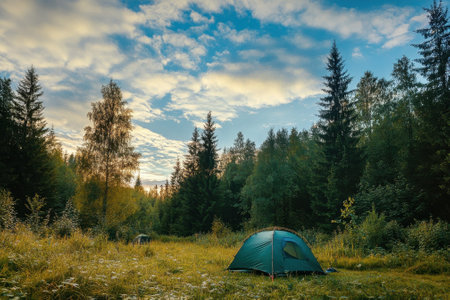
Understanding the Current Landscape of Wild Camping in Britain
Britain’s rolling hills, moorlands, and rugged coastlines have long stirred the hearts of those yearning for freedom beneath open skies. Yet, despite the nation’s profound affection for its countryside, the act of wild camping—setting up camp outside formal sites—remains tightly regulated. The current legal landscape is a patchwork reflecting centuries-old property rights, environmental concerns, and evolving cultural attitudes. In England and Wales, wild camping is generally prohibited without explicit landowner permission, with the notable exception of parts of Dartmoor National Park, where rights have been challenged and fiercely debated in recent years. Scotland stands apart, embracing a more permissive approach under the Land Reform (Scotland) Act 2003, which enshrines responsible access for all. These regional differences speak volumes about local histories and attitudes: Scots often see wild camping as an expression of their right to roam, while in England and Wales, private ownership and concerns over litter or disturbance shape stricter norms.
Public perceptions are equally nuanced. Many Britons cherish the tradition of rambling and connecting with nature—there is poetry in pitching a tent beneath ancient oaks or waking to mist rising over fells. However, stories of irresponsible campers leaving behind rubbish or damaging habitats have prompted caution among landowners and some rural communities. At the same time, there is a growing movement recognising that thoughtful wild camping can foster deeper respect for the land and support rural economies through sustainable tourism. As such, any conversation about changing wild camping laws must reckon with this delicate balance: honouring Britain’s unique relationship with its countryside while building trust between campers, locals, and land stewards.
Building a Compelling Case for Change
To advocate effectively for more permissive wild camping laws in Britain, it is vital to craft a robust and emotionally resonant case. This process begins with gathering compelling evidence that speaks not only to policymakers but also to the hearts of local communities. By weaving together data, personal narratives, and environmental research, you lay the foundation for meaningful dialogue and persuasive campaigning.
Gathering Evidence: The Pillars of Your Argument
Begin by collecting a diverse range of evidence that demonstrates the broad benefits of wild camping. This evidence should be credible, locally relevant, and easy to communicate. Consider including:
- Scientific Research: Studies highlighting how access to nature improves mental health and fosters a sense of well-being.
- Case Studies: Success stories from Scotland or other countries where wild camping is permitted, showcasing positive outcomes for both people and nature.
- Local Data: Statistics on green space access, public health, and outdoor recreation trends in your area.
The Power of Personal Stories
Personal testimonies are a powerful tool for advocacy. They humanise the issue and illustrate the real-life impact of restrictive wild camping laws. Encourage supporters to share their experiences—moments of dawn mist by a loch, laughter around a campfire, or finding solace under star-strewn skies. These stories build empathy and show how wild camping connects us intimately to our landscape and heritage.
Environmental Research: Nature Connection & Stewardship
Highlight environmental research that demonstrates how responsible wild camping can promote stewardship of natural spaces. Showcasing examples where campers have contributed to habitat conservation or participated in community clean-ups can help address concerns about environmental impact.
Benefits Table: Public Well-being, Nature Connection & Social Value
| Benefit Area | Description | Supporting Evidence/Example |
|---|---|---|
| Mental Health & Well-being | Improved mood, reduced stress, increased physical activity | NHS research linking nature access with lower anxiety levels |
| Nature Connection | Deeper understanding and appreciation of British landscapes | Testimonials from campers describing transformative experiences in the Lake District or Dartmoor |
| Social Value | Strengthened community ties and intergenerational learning outdoors | Scout groups or family outings fostering connection between generations |
| Environmental Stewardship | Increased respect for local wildlife and habitats through direct engagement | Citizen science initiatives by campers monitoring biodiversity |
Together, these strands create a compelling narrative that goes beyond mere policy—it becomes a call for reconnection with Britain’s wild places, rooted in shared experience and collective benefit. By grounding your campaign in evidence, heartfelt stories, and scientific insight, you set the stage for meaningful change towards more permissive wild camping laws across Britain.

3. Grassroots Mobilisation and Community Engagement
Change flourishes at the heart of community, where people gather under open skies and around shared campfires. To advance more permissive wild camping laws in Britain, it is essential to unite local communities, outdoor enthusiasts, and stakeholders through both traditional and modern approaches.
Meetups and Community Walks
There is a quiet power in gathering together for a purpose. Organising meetups—whether over a cup of tea in the village hall or along a gentle footpath winding through ancient woodlands—brings like-minded individuals face to face. Community walks, from Dartmoor’s misty tors to the rolling hills of the Lake District, invite conversation and connection while fostering appreciation for our precious landscapes. Through these collective experiences, we build trust, break down barriers, and nurture the grassroots momentum that fuels change.
Digital Groups: A Modern Commons
In today’s interconnected world, digital platforms have become a vital commons for campaigners. Social media groups, online forums, and virtual events connect passionate voices from Orkney to Cornwall. These spaces allow advocates to share stories, coordinate action days, and celebrate successes large and small. The digital realm is not just a tool—it is a thriving extension of British community spirit, giving everyone a seat around the virtual campfire.
The Art of Storytelling
Stories are woven into the very fabric of British culture—from tales of wanderers on the fells to evocative childhood memories spent beneath a canvas sky. Harnessing this storytelling tradition can humanise the wild camping cause. Encourage supporters to share their own narratives: what it means to wake with dew on your boots; how nights under the stars have shaped their love for the land; why access matters to them personally. These authentic voices resonate far beyond policy documents, stirring empathy and understanding among those yet to be convinced.
Celebrating Shared Values
At the core of this movement lies an enduring belief in public access and reverence for Britain’s great outdoors—a value cherished across generations. By foregrounding these shared ideals, campaigns can transcend divisions and remind us all of our collective duty: to protect, enjoy, and pass on wild places for future generations. In coming together—on moorland paths, in online circles, or through heartfelt stories—we spark the kind of grassroots mobilisation that has always shaped Britain’s landscape and freedoms.
4. Effective Lobbying Strategies in the UK
Advocating for more permissive wild camping laws in Britain requires a nuanced understanding of the country’s political landscape and a tailored approach to lobbying. The following guidance will help you navigate the British system with sensitivity, clarity, and impact.
Approaching Your Local MP
Your Member of Parliament (MP) is your first port of call when seeking legislative change. MPs are duty-bound to represent their constituents’ concerns, making your voice not only welcome but essential. Begin by drafting a concise, heartfelt letter outlining your experiences and the wider benefits of wild camping. Arrange a face-to-face meeting during their constituency surgery hours—these informal gatherings offer an opportunity for genuine dialogue. Remember to bring supporting evidence or personal stories; authenticity often resonates more than statistics alone.
Attending Council Meetings
Local councils hold significant sway over land use regulations, especially in areas like National Parks or Areas of Outstanding Natural Beauty. Public council meetings are open to all; here, you can pose questions, present petitions, or simply demonstrate public interest through attendance. It’s helpful to familiarise yourself with the meeting agenda and local by-laws beforehand, ensuring your contributions are both relevant and constructive.
Leveraging the Parliamentary Process
The path from grassroots advocacy to legal reform often winds through Parliament’s corridors. You can initiate an e-petition, which, if it garners enough signatures, may be debated in Westminster Hall. Collaborate with sympathetic MPs to table Early Day Motions (EDMs), raising awareness among fellow parliamentarians. The Select Committee system also offers opportunities for written submissions during policy inquiries.
| Strategy | Action | Potential Outcome |
|---|---|---|
| Contacting MP | Email/Letter & In-person Meeting | MP support, question raised in Parliament |
| Council Meeting Attendance | Public Question Time/Petition Submission | Local policy review or motion passed |
| E-petition | Create & Promote Petition Online | Parliamentary debate if threshold met |
| Select Committee Submission | Written Evidence Submission | Inclusion in national policy review |
Understanding Policy Influence in the British Context
The UK’s political culture prizes decorum and informed debate. Building coalitions with established outdoor groups—such as The Ramblers or British Mountaineering Council—adds weight to your cause. Attend All-Party Parliamentary Group (APPG) events on recreation or rural affairs, where cross-party collaboration flourishes over shared cups of tea and earnest discussion. Above all, persistence pays off: change in Britain is often incremental but enduring.
A Gentle Reminder on British Etiquette
Punctuality, politeness, and clarity are prized in every interaction—from Westminster’s grand halls to village council chambers. Approach each step with respect for tradition, openness to compromise, and an unwavering belief that access to nature is a right worth championing.
5. Crafting Powerful Campaign Materials
When championing the cause for more permissive wild camping laws in Britain, the way you present your message is as crucial as the message itself. The rolling heather of the Yorkshire Moors or the serene stillness of a Scottish loch can become powerful motifs in your campaign materials, stirring hearts and minds alike.
Infuse Your Message with British Landscapes
Let the beauty of Britains countryside do some of the talking. Use evocative imagery and poetic language that conjure up misty mornings on Dartmoor or star-studded skies over Snowdonia. When designing petitions, open letters, or social media graphics, weave in these landscapes—both visually and through descriptive text—to remind people what is at stake.
Tips for Persuasive Content Creation
- Petitions: Begin with a compelling story rooted in a familiar British setting—a family’s annual Lake District wild camp or a solo hiker’s peaceful night under Peak District stars. Make it personal and relatable to encourage signatures.
- Open Letters: Address your letter to decision-makers using respectful yet passionate language. Reference classic British values: fair access, respect for nature, and community spirit. Include testimonials from ordinary campers and outdoor enthusiasts across England, Scotland, and Wales.
- Social Media Campaigns: Harness hashtags like #RightToRoam, #WildCampingBritain, and #AccessTheOutdoors. Share short video clips of sunrise brews or quiet tent mornings, always highlighting Leave No Trace principles. Encourage supporters to post their own wild camping stories with photos that celebrate iconic local scenery—from Cornwall’s clifftops to the wilds of Northumberland.
Speak with Authenticity and Local Sensibility
The most effective campaigns reflect real voices and lived experiences. Use colloquial phrases—perhaps a gentle “fancy a night under the stars?” or a nod to beloved BBC nature programmes—to create a sense of kinship. Always champion respect for the land, which resonates deeply within British outdoor culture.
By blending persuasive storytelling, visual allure, and genuine love for Britain’s landscapes, your campaign materials will inspire both grassroots support and thoughtful consideration from policymakers. Let each image and word invite others to imagine themselves waking beneath an open sky—and to help make that vision possible for all.
6. Forging Alliances and Working with National Organisations
Change seldom happens in isolation. In the intricate tapestry of British society, forging alliances with well-established organisations breathes life and legitimacy into any campaign. By partnering with respected groups such as The Ramblers, the Camping and Caravanning Club, or even the venerable National Trust, your call for more permissive wild camping laws gains both weight and reach.
These organisations are deeply rooted in the nation’s outdoor culture and have long histories of advocating for public access to nature. Their influence spans from local communities to Westminster, offering unparalleled insight into effective advocacy and policy negotiation. Collaborating with them not only lends credibility but also opens doors to extensive networks of passionate members and supporters—people who cherish the right to roam as much as you do.
Moreover, these alliances allow campaigns to pool resources, share expertise, and amplify their voices through joint petitions, coordinated events, or co-authored open letters. For example, working alongside The Ramblers could mean joining their established ‘Paths for Everyone’ initiatives, while the Camping and Caravanning Club can provide practical support for outreach and education about responsible wild camping.
Don’t overlook the power of solidarity with existing outdoor campaigns already making waves. Whether it’s Save Our Wild Spaces or Right to Roam, aligning your efforts with theirs weaves a stronger narrative—one that resonates from Lake District fells to Cornish coves. By standing together under a shared vision of accessible countryside, you create a united front that is difficult for policymakers to ignore.
Ultimately, building these relationships is as much about nurturing trust as it is about practical collaboration. Attend their meetings, listen to their concerns, and find common ground. Through mutual respect and shared enthusiasm for Britain’s landscapes, your movement for change will flourish—transforming individual aspirations into a collective force capable of reshaping wild camping legislation for generations to come.
7. Navigating Challenges and Sustaining Momentum
Campaigning for more permissive wild camping laws in Britain is not without its hurdles. Opposition can arise from various quarters, often rooted in legitimate concerns regarding landowner rights, environmental preservation, or simply a resistance to change. Yet it is precisely through navigating these challenges with empathy, creativity, and resilience that lasting change is forged.
Addressing Concerns with Sensitivity
When faced with scepticism—particularly from landowners or local communities—it’s vital to listen first. Open dialogue helps uncover the heart of their worries, whether about privacy, litter, or damage to fragile habitats. Arm yourself with knowledge: share examples of successful schemes elsewhere in the UK or Europe, where responsible wild camping enriches rather than diminishes the landscape and local economy. Propose practical solutions such as voluntary codes of conduct, leave-no-trace education sessions, or pilot projects on select estates.
Forging Positive Relationships
Building trust takes time. Small gestures—like inviting landowners to join guided walks or community clean-ups—foster goodwill and show that campaigners are invested stewards rather than adversaries. Highlight stories of mutual benefit: how walkers often support rural pubs and shops, or how positive engagement reduces anti-social behaviour by bringing more eyes and care to the countryside.
Keeping Morale High
Campaign fatigue can set in when progress feels slow. To sustain enthusiasm, celebrate every milestone—no matter how minor. Share uplifting stories from supporters who have experienced the joys of wild camping under star-pricked skies or beside misty lochs. Organise regular meet-ups, workshops, or even small-scale “legal” campouts (with permission) to remind everyone of the goal’s beauty and value. Harness social media to amplify successes and thank contributors publicly; recognition keeps spirits buoyant.
Practical Steps for Resilience
- Maintain a clear action plan with achievable short-term goals
- Rotate responsibilities within your group to prevent burnout
- Create supportive spaces—online forums or WhatsApp groups—for sharing frustrations as well as triumphs
Cultivating Hope for Lasting Change
Ultimately, advocating for more permissive wild camping laws is about nurturing a collective vision—a Britain where people are trusted to wander lightly and responsibly across its green tapestry. By facing challenges with patience and positivity, your campaign can inspire not just policy shifts but a renewed cultural appreciation for freedom and stewardship in the great outdoors.