Introduction: A Taste of Britains Campfire Tradition
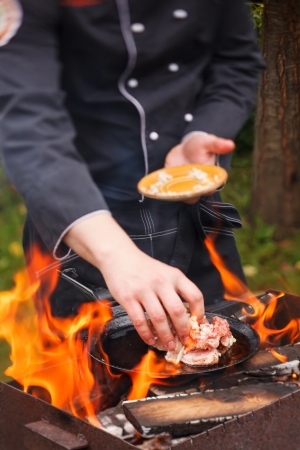
There’s a special kind of magic that comes alive around a British campfire—a gentle crackle, the smoky perfume of burning wood, and the gathering hush as dusk settles over rolling hills or ancient woodland. Here, amidst the wild embrace of the countryside, a time-honoured tradition unfolds: rustic baking in the open air. The British Isles have long cherished this communion with nature, where simple ingredients and old-world techniques give rise to breads that warm both hands and hearts. In these moments, flour-dusted palms shape not just food, but memories—a hedgehog bread with its charming spines, bannocks steeped in Scottish lore, and damper echoing tales from windswept moors. As we journey through these beloved campfire breads and the artful methods behind them, let us linger for a while at the fireside, where comfort is baked into every golden crust and each bite is laced with the spirit of adventure.
2. Hedgehog Bread: Whimsical Charm on the Fire
If ever there was a bread that embodied the spirit of British outdoor gatherings, it would be Hedgehog Bread. With its playful design and irresistible golden crust, this campfire favourite delights both children and adults, weaving nostalgia and creativity into every bite. The origins of Hedgehog Bread are as charming as its appearance—thought to have emerged in family kitchens and Scout camps alike, where hands young and old shaped dough into whimsical forms before baking them over open flames.
The name “Hedgehog Bread” comes from its distinctive spiky shape, which is achieved by making small cuts or snips in the dough before baking. As the bread bakes, these notches rise and separate, creating an enchanting texture reminiscent of a hedgehog’s quills. Its crust becomes crisp and golden under the heat, while the interior stays soft, pillowy, and slightly chewy—a delightful contrast that makes each pull-apart piece a sensory joy.
Capturing Imaginations Around the Campfire
Whether toasted on sticks or baked in cast iron pots nestled among glowing embers, Hedgehog Bread holds a special place in British campfire lore. Children are drawn to its playful form, eager to help shape the dough or claim their favourite “spike,” while adults appreciate the nostalgic ritual of baking bread outdoors. For many, the act of crafting and sharing Hedgehog Bread becomes a cherished tradition—one that bridges generations with laughter and flour-dusted hands.
Shape and Texture Comparison Table
| Bread Type | Shape | Texture | Campfire Appeal |
|---|---|---|---|
| Hedgehog Bread | Spiky, round loaf | Crispy crust, soft inside | Whimsical; loved by children |
| Bannocks | Flat or disc-shaped | Dense yet tender crumb | Traditional; hearty sustenance |
| Damper | Round or oval loaf | Rustic, slightly crumbly | Simple; perfect for quick baking |
A Feast for the Senses and Soul
The magic of Hedgehog Bread lies not just in its taste but in its ability to spark delight across all ages. On dusky evenings beneath ancient oaks or beside windswept beaches, as flames flicker and laughter carries on the breeze, this bread transforms a humble meal into a celebration of togetherness—the very essence of British campfire culture.
3. Bannocks: The Scottish Legacy
Bannocks hold a cherished place in the tapestry of British campfire breads, their story woven deep into the rugged hills and misty glens of Scotland. These humble flatbreads are far more than sustenance—they are a living link to ancient Celtic traditions, passed down through generations with flour-dusted hands and fireside tales. Bannocks were once the daily bread for crofters and shepherds, their simple ingredients—oatmeal, water, salt—reflecting the honest abundance of the Scottish landscape.
The rustic method of preparing bannocks is as grounding as the bread itself. Traditionally, bannocks are mixed by hand, shaped into rough rounds or wedges, and baked directly on a hot griddle or stone over an open fire. There’s something deeply satisfying in the earthy ritual: the gentle hiss as dough meets heat, the smoky scent curling up through heather-scented air, and that first bite—crisped at the edges and soft within, tasting of wild places and home. Eating bannocks straight from the fire evokes a connection to ancestors who gathered by the same flames centuries ago.
Within Scottish folklore, bannocks carry symbolic weight. They mark the turning of seasons during festivals like Beltane and Samhain, where they’re broken and shared as tokens of luck and protection. Each region adds its own twist—sometimes sweetened with honey or studded with dried fruit, other times hearty with barley or potatoes—yet always preserving that sense of simplicity and belonging. In every crumb lies a story: of weathered hands shaping dough beneath wide Highland skies, of laughter echoing around glowing embers, of Scotland’s legacy carried forward in every fireside gathering.
4. Damper: British Connections Down Under
In the golden haze of an Australian outback evening, damper bread remains a symbol of rugged simplicity and camaraderie around the campfire. Yet, its story is woven with threads from British culinary traditions—echoes of a time when resourcefulness and adaptability were essential for survival on the frontier. Damper, at first glance, may seem quintessentially Australian, but its roots and spirit are undeniably British, sharing kinship with the bannocks and hearth-baked loaves found across Scotland and Northern England.
The classic damper is created from little more than flour, water, salt, and sometimes a touch of fat—ingredients that echo the frugal ingenuity of British settlers who brought their baking know-how to new shores. Both damper and its British cousins were born out of necessity: quick to prepare, requiring minimal equipment, and perfectly suited for life on the move or far from home comforts. This tradition of making do with what’s at hand epitomises the British frontier spirit—a quiet determination in the face of challenge, finding nourishment and comfort in the simplest forms.
| Bread | Main Ingredients | Traditional Method | Cultural Context |
|---|---|---|---|
| Damper | Flour, water, salt, (fat) | Baked in ashes or on a stick over fire | Australian outback; influenced by British settlers |
| Bannock | Oatmeal or barley meal, water, salt | Baked on a griddle or hearthstone | Scottish Highlands; staple for travellers |
| Hedgehog Bread | Bread dough (enriched), seeds for topping | Baked in oven or campfire Dutch oven | British family gatherings; playful twist on classics |
This pared-back approach to bread-making is more than mere practicality—it’s a celebration of the landscape and climate shaping each loaf. Picture British explorers gathered round a glowing fire on windswept moors or Australian drovers beneath a starlit sky. The process connects them: hands mixing dough with care, embers giving rise to crusty sustenance, stories shared as bread breaks warmth into the cool air. There’s art in transforming humble ingredients into something deeply satisfying—a testament to endurance and creativity that transcends continents.
5. Techniques and Tools: From Twigs to Dutch Ovens
There is a certain poetry in the way British campfire breads are brought to life—not just in their taste, but in the very techniques and tools that make them. Picture a dewy morning on the moors, the air perfumed with woodsmoke and anticipation. Here, simplicity reigns; dough is lovingly wound around willow twigs, transformed into spiralling hedgehog bread over glowing embers. The act itself is delightfully tactile—hands dusted with flour, fingers deftly rolling and shaping, all against the backdrop of birdsong and crackling fire.
The bannock speaks to another cherished tradition: a flat round of dough nestled directly onto a hot griddle or stone by the fireside. The sizzle as it hits the heat, the gentle turning with a stick or spatula—each step invites you to slow down, to savour not just the food but also the moment. There’s an old-world romance to this rustic method, where patience and observation become your guides rather than kitchen timers or digital displays.
For those seeking heartier fare, the cast-iron Dutch oven comes into play—a true icon of British outdoor baking. Its sturdy form sits among the coals, lid heaped with embers, transforming simple damper dough into golden loaves with smoky crusts. As you lift the lid to release fragrant steam, it’s impossible not to feel connected to generations past who gathered round similar fires for warmth and sustenance.
These tools—twigs, stones, cast-iron pots—are more than implements; they’re storytellers, weaving together history and nature in every loaf and bannock. Whether you’re using foraged branches from a hedgerow or a well-seasoned skillet passed down through family hands, each choice adds character and meaning to your bread.
In Britain’s wild places or your own back garden, these time-honoured methods invite you to embrace imperfection and wonder. The beauty lies in their honesty: no two loaves will ever be quite alike, each marked by smoky fingerprints of weather, wood, and whimsy. It’s campfire cookery stripped back to its essence—both humble and enchanting, promising not just nourishment but an experience steeped in tradition and quiet joy.
6. Bringing It Home: Recreating Campfire Breads in Your Kitchen
The crackle of a fire and the earthy aroma of freshly baked bread are not exclusive to the wilds—these small pleasures can be woven into your everyday life, right in your own kitchen. Recreating classic British campfire breads such as Hedgehog Bread, Bannocks, and Damper at home is a celebration of tradition, ingenuity, and a touch of adventure that transcends the need for open flames.
Translating Flames to Ovens: Preserving Rustic Charm
While nothing quite matches the smoky kiss of a campfire, a home oven can still conjure that sense of rustic magic. Opt for recipes that require minimal kneading and simple ingredients—embracing imperfection is part of the charm. When making Hedgehog Bread, score the dough deeply to mimic its signature spikes; brush with butter and scatter seeds on top for a golden, crunchy finish. Bannocks, traditionally cooked on hot stones or a griddle, can be baked on a heavy baking tray or even in a cast-iron skillet to evoke their hearty, rugged nature. For Damper, shape the dough into a rough round and bake directly on the oven rack or in a Dutch oven for an authentically crusty result.
Tips for Capturing Campfire Flavour Indoors
If you long for those smoky notes, try adding smoked sea salt or incorporating herbs like rosemary or thyme into your dough. To mimic the irregular heat of an open fire, preheat your oven thoroughly and use baking stones or trays that hold heat well. Don’t be afraid to let your loaves take on a darkened crust—it’s all part of their wild character.
A Ritual for All Seasons
Baking these breads at home invites you to slow down and savour each step: the feel of flour between your fingers, the anticipation as dough rises, and the comfort as warmth fills your kitchen. Serve them simply—with good butter, local honey, or sharp British cheese—and let each bite transport you back to misty woodlands and starlit evenings. In sharing these timeless recipes with friends or family, you keep alive the spirit of adventure and togetherness that has always been at the heart of British campfire baking.
7. Conclusion: The Enduring Appeal of British Campfire Breads
Baking bread over a campfire is an experience that lingers far beyond the last crumb. Whether it’s the playful scoring of Hedgehog Bread, the hearty simplicity of bannocks, or the rustic ritual of damper, these time-honoured recipes have woven themselves into the fabric of British outdoor life. There’s something deeply comforting about gathering around a glowing fire, hands dusted with flour, sharing stories as dough turns golden in the flickering heat. In these moments, bread becomes more than nourishment—it is a symbol of togetherness, an edible thread linking generations across wild moors and woodland clearings. Even as modern conveniences tempt us away from such humble traditions, the allure of baking and breaking bread by fire persists. Each loaf or bannock carries with it echoes of ancestors who found warmth, sustenance, and kinship in these very acts. Today, as we revive and share these recipes under open skies, we are reminded that true connection—whether with nature, our heritage, or one another—is often found in the simplest rituals. British campfire breads invite us to slow down, savour the present, and celebrate the enduring bonds forged over flames and flour.