Introduction to Highland Group Wild Camping
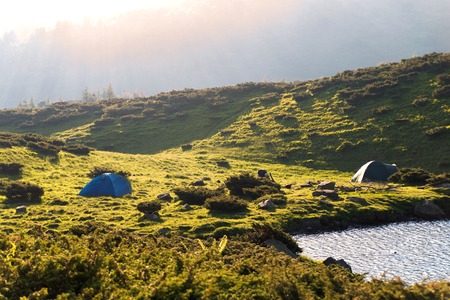
Wild camping in the Scottish Highlands stands as one of the UK’s most thrilling and authentic outdoor experiences. Unlike traditional campsites, wild camping grants you the freedom to pitch up in remote glens, beside serene lochs, or high on rugged moorland—far from the crowds and close to nature. For groups seeking adventure, the Highlands offer a unique blend of camaraderie, challenge, and breathtaking scenery. The appeal is not just in the dramatic landscapes, but also in the spirit of exploration and self-reliance that wild camping encourages. This tradition has deep cultural roots in British outdoor life, celebrated for its emphasis on respect for the land and shared enjoyment of Scotland’s natural beauty. Whether you’re planning an expedition with old mates or organising your first group campout, embarking on a Highland wild camping adventure promises unforgettable memories and a genuine connection to one of Britain’s most iconic wilderness areas.
2. Planning Your Group Adventure
Organising a group wild camping expedition in the Highlands is an exciting challenge that calls for a solid plan and a bit of local know-how. Here’s how to get your adventure off on the right foot, covering every step from choosing locations to sorting out kit sharing.
Choosing the Right Location
Start by selecting a suitable spot that matches your group’s abilities and interests. The Scottish Highlands offer an incredible variety, from remote lochs to rugged glens. Think about travel distance, accessibility, water sources, and shelter from the elements. Popular choices include Cairngorms National Park and Glen Etive, but consider less-trodden paths for a more secluded experience.
Understanding Land Access Rights
The Scottish Outdoor Access Code grants unique freedoms, allowing responsible wild camping almost anywhere in Scotland. However, it’s vital to respect both the land and its owners. Stick to small groups (ideally under four tents), avoid enclosed fields with crops or livestock, and always leave no trace.
| Access Rights | What You Need To Know |
|---|---|
| Where you can camp | Most unenclosed land, away from buildings & roads |
| Group size | Small groups preferred; larger groups may require permission |
| Duration | Avoid staying in one spot for more than 2-3 nights |
Legal Considerations
While wild camping is legal across much of Scotland, there are exceptions—especially in busy areas like Loch Lomond & The Trossachs National Park, where permits are needed during peak season. Always research any local restrictions before setting out. Fire bans are common in summer: use stoves instead of open fires and check current advice from NatureScot or local councils.
Logistics: Transport and Kit Sharing
A smooth trip depends on smart logistics. Coordinate transport—public transport links are good to some Highland gateways, but car shares may be necessary for remote spots. When it comes to kit, share the load: divvy up tents, cooking gear and food to lighten everyone’s pack. Create a shared spreadsheet or use a group chat to keep track of who’s bringing what.
| Kit Item | Who Brings It? |
|---|---|
| Tent(s) | Alice & Ben |
| Stove & Fuel | Sophie |
| First Aid Kit | Cameron |
| Maps/Compass/GPS | Megan & Tom |
Final Checklist Before Setting Off
- Confirm location and route with all group members
- Check weather forecasts and adjust kit accordingly
- Inform someone at home of your plans and expected return time
Taking these essential steps ensures your Highland wild camping adventure gets off to a safe and enjoyable start—setting the stage for memorable moments under the stars.
3. Essential Kit and Packing Tips
When heading out on a group wild camping adventure in the Highlands, being well-prepared with the right kit can make all the difference between a cracking expedition and a soggy disaster. The Scottish weather is notoriously unpredictable, so your packing strategy needs to be both practical and robust.
A Practical Guide to Group Packing
Start by organising a group kit list. This prevents unnecessary doubling-up and ensures no one forgets the essentials. Share your list in advance via WhatsApp or Google Docs—communication here is key. Divide responsibilities: one person brings the group stove, another sorts the tarp, someone else handles the med kit and communal food supplies. Distribute weight fairly among rucksacks to keep spirits (and backs) high on the trail.
What to Bring for Highland Weather
The Highlands can throw four seasons at you in one afternoon. Layering is vital: think merino base layers, fleece mid-layers, and a quality down jacket for chilly evenings. Always pack waterproof trousers and jackets rated to at least 10,000mm hydrostatic head; cheap pac-a-macs simply won’t cut it up here. A warm hat, gloves, and dry spare socks are non-negotiable—even in July.
Splitting Gear Amongst the Group
Group expeditions offer efficiency: you don’t each need your own tent or stove. Opt for lightweight multi-person tents to minimise bulk, and share out cookware, water filters, and first aid supplies. Make sure whoever carries shared items isn’t overloaded, especially if they’re new to hillwalking or carrying less robust kit.
The Importance of Waterproofs and Midge Protection
Quality waterproofs are an absolute must; invest in breathable fabrics like Gore-Tex or eVent for comfort over long treks. Don’t underestimate Highland midges—bring midge nets, repellent (Smidge is a local favourite), and consider choosing campsites with a breeze where possible. Remember, a dry night’s sleep keeps morale up and helps everyone enjoy the wild camping experience to its fullest.
4. Setting Up Camp Responsibly
Pitching your group camp in the Highlands isn’t just about finding a spot and throwing up your tent. To truly enjoy a wild camping adventure—and ensure you’re welcomed back—you need to minimise your impact, select your campsite wisely, stay safe in unpredictable Scottish weather, and keep relations friendly with other outdoor enthusiasts. Here’s how:
Minimising Impact: Leave No Trace
The Highlands are breathtaking, but fragile. Follow the Leave No Trace principles religiously—this means pitching on durable surfaces (short grass or dry heath, not boggy ground), using a stove instead of open fires, and packing out everything you bring. Remind everyone in your group to disperse tents slightly rather than clustering tightly, which prevents excessive wear on one patch of land.
Campsite Selection Best Practices
Choosing the right spot is half the battle for a successful and responsible expedition. Consider these factors:
| Campsite Factor | Why It Matters | Practical Tip |
|---|---|---|
| Distance from water | Reduces pollution risk | Camp at least 30 metres from lochs/streams |
| Shelter from wind | Keeps tents secure and group comfortable | Look for natural barriers (boulders, small hills) |
| Avoiding livestock areas | Prevents disturbance to animals & damage to gear | Stay clear of obvious grazing fields or farm gates |
| Slope of ground | Affects sleep quality and water run-off in rain | Choose level ground but not in dips (risk of flooding) |
Safety in Variable Highland Conditions
The Highlands are notorious for rapidly changing weather—even summer nights can be cold and wet. Set up camp with an eye on the forecast and always have sturdy pegs and guy lines ready for sudden gusts. Make sure everyone’s kit is waterproofed and encourage early evening tent checks before darkness falls.
Group Safety Checklist:
- Agree a central meeting point in case anyone gets lost (especially important in fog or heavy rain).
- Share emergency contacts and grid references with all group members.
- Store food securely—Highland wildlife may come sniffing!
Keeping Things Friendly with Others
You’re unlikely to be alone, especially near popular Munros or beauty spots. Respect other campers’ space by keeping noise down after dark, avoiding blocking established paths, and greeting fellow adventurers with a friendly “Alright?” or “How’s it going?”. If you’re using bothies or shelters, follow the local etiquette: leave space for late arrivals and tidy up before you go.
5. Cooking, Eating, and Socialising in the Wild
Easy, Hearty Meals for Highland Gatherings
When you’re wild camping with a group in the Highlands, sharing satisfying meals is one of the best ways to build morale and keep everyone energised. For breakfast, think porridge with dried fruit or instant oats—quick to prepare and warming on a chilly Scottish morning. Lunches can be simple wraps or rolls filled with cheese, cured meats, and salad leaves; these travel well and require minimal prep. Come evening, nothing beats a big one-pot dinner: consider hearty stews, chilli con carne, or pasta bakes cooked up in a large camp pot. These are filling, easy to portion out, and perfect for passing around after a long day’s trek.
Choosing Stoves and Fire Safety Tips
With Scotland’s weather being famously unpredictable, it pays to have reliable cooking gear. Lightweight gas stoves are ideal for most groups—efficient, easy to use, and suitable even when it’s blowing a hoolie outside. If your group prefers traditional campfires and you’re on land where fires are permitted (always check local guidance), use existing fire pits where possible and keep fires small. Never light fires near peat bogs or during dry spells due to wildfire risk. Always have water nearby to douse embers completely before leaving camp.
Fostering Camaraderie Beneath Highland Skies
The magic of group wild camping comes alive as night falls and everyone gathers round for food and stories. Bring along a lightweight tarp or shelter so you can socialise even if the heavens open—after all, a bit of rain is part of the Highland charm! Encourage everyone to chip in with meal prep and washing up; it’s a great ice-breaker for newcomers. Don’t forget classic camping games or a deck of cards for evening entertainment. A wee dram (for those who fancy it) shared under starry skies is a sure way to cement friendships and create memories that last long after your boots have dried out.
6. Adventure Activities and Making the Most of the Highlands
Exploring the Scottish Highlands as a group is about more than just pitching your tents in breathtaking locations—it’s about embracing the wild spirit of the land through shared experiences. Here are some tried-and-tested suggestions for group activities that will elevate your expedition, along with practical tips for engaging with both nature and local culture respectfully.
Hillwalking: A Classic Highland Challenge
No Highland adventure is complete without tackling a Munro or two. Hillwalking as a group not only builds camaraderie but also ensures everyone’s safety on unpredictable terrain. Pick routes that suit all fitness levels; Ben Nevis and the Cairngorms offer options ranging from gentle rambles to challenging ascents. Always check weather forecasts, pack OS maps, and ensure someone in your party is confident with navigation.
Wild Swimming: Brave the Lochs
If you fancy a bracing dip, the Highlands are dotted with pristine lochs and rivers perfect for wild swimming. Choose safe, accessible spots like Loch Morlich or Loch Lomond’s quieter bays. Bring along warm kit for after your swim, and always have a buddy system in place. Remember to leave no trace—protecting these waters ensures future adventurers can enjoy them too.
Navigation Exercises: Map-Reading Mastery
Sharpen your map and compass skills by planning short navigation exercises around your campsite or as part of your daily walks. Split into small teams and set friendly challenges—like finding hidden markers or natural features. Not only does this build confidence, it’s great fun and could prove invaluable if Scottish mist rolls in!
Enjoying Highland Wildlife Responsibly
The Highlands are home to golden eagles, red deer, pine martens, and much more. Early mornings or quiet evenings offer the best chance for sightings. Use binoculars to observe from a distance and keep noise to a minimum. Stick to established paths to avoid disturbing fragile habitats, especially during nesting season.
Embracing Local Culture with Respect
Whether you’re popping into a village pub for a post-walk pint or chatting with crofters at a roadside farm shop, take time to connect with local people. Learn a few Gaelic greetings—it’s always appreciated—and respect traditions around access rights by closing gates and following the Scottish Outdoor Access Code. Sampling local fare like haggis or fresh seafood adds another layer to your adventure.
Top Tips for Group Enjoyment
- Plan inclusive activities so everyone feels involved
- Pace yourselves—Highland days are long in summer but weather can change quickly
- Share stories around the campfire (using fire pits where permitted)
- Capture memories but be mindful when photographing people or private land
With thoughtful planning and an open mind, your group wild camping expedition will create memories that last a lifetime—whether you’re summiting peaks together, plunging into icy waters, or simply soaking up the unique character of the Highlands.
7. Leaving No Trace and Heading Home
Practical Steps for a Pristine Campsite
One of the unwritten rules of wild camping in the Highlands – and across the UK – is to leave your pitch exactly as you found it, if not better. Before breaking camp, everyone should chip in for a thorough sweep of the area. Check every corner for stray tent pegs, bits of string, or food wrappers. Pack away all kit methodically, ensuring nothing gets left behind, especially those easy-to-miss items like tent pegs or guy lines lost in the heather.
Handling Rubbish Responsibly
No matter how remote you are, it’s never acceptable to leave litter behind. Bring sturdy bin bags and split the rubbish between the group to carry out – sharing the load makes a big difference. If you’ve used biodegradable soap for washing up, make sure it’s away from water sources, and always scatter strained water on soil rather than pouring it straight onto grass or into streams. For toilet stops, dig a small hole well away from any water source and cover it properly – a trowel is an underrated bit of kit for this!
Respecting Nature and Local Communities
It goes beyond just cleaning up after yourselves. Take care not to trample sensitive plants or disturb wildlife. Stick to established paths when heading out and back in to minimise your impact on the land. If you’ve had a fire (where permitted), dismantle any stones used for fire rings and scatter cool ashes so there’s no sign you were ever there.
Top UK-Style Post-Trip Wind-Down Rituals
The adventure doesn’t end when you pack up; winding down is part of the fun. A classic British tradition is stopping off at a local village pub for a pint and some hearty grub – think steak pie or fish and chips by the fire, swapping stories about the trip. Some groups swear by a cheeky fry-up at a roadside café en route home – bacon sarnies and strong tea included! Don’t forget to share photos and debriefs on your group chat, reliving mishaps and triumphs alike. Most importantly, give yourself a pat on the back: you’ve enjoyed Scotland’s wild side while keeping it unspoilt for future explorers.