Essential Grill Set-Up
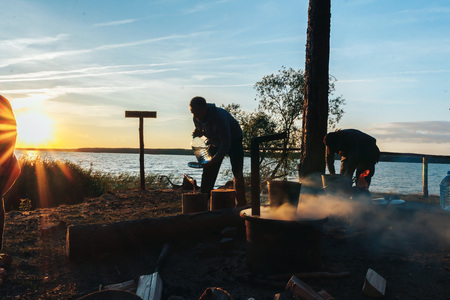
Before firing up your barbecue at a UK campsite, it’s crucial to get the basics right for both safety and compliance. First, always select a flat, stable surface away from tents, foliage, and communal areas—never set up your grill directly on grass or wooden decks, as they’re prone to catching fire or sustaining heat damage. Most UK campsites have designated barbecue zones; check site-specific rules before setting up, as many prohibit open flames near sleeping areas or restrict grill use during dry spells. Use a purpose-built windbreak if gusts are likely, but position it far enough from the grill to prevent heat build-up or accidental flare-ups—flammable materials too close can turn a breeze into a hazard. Ensure you’ve got a bucket of water or sand nearby as standard practice. Staying sharp with your set-up not only keeps you safe but also respects the site and fellow campers.
Equipment Check and Maintenance
Before firing up your grill at any UK campground, a thorough equipment inspection is non-negotiable. The unpredictable British weather and varied terrain can take their toll on gear, so regular checks ensure you avoid malfunctions that could spoil your cookout or even pose real danger.
Checklist for Inspecting BBQ Gear
| Item | Inspection Points | Action Required |
|---|---|---|
| Gas Canisters | – Check for dents, rust, or leaks – Ensure connections are tight – Confirm expiry date is valid |
– Replace damaged or expired canisters – Tighten all fittings securely |
| Charcoal Trays | – Inspect for cracks, warping, or excessive ash build-up – Confirm secure fitting to grill body |
– Clean out old ash – Replace trays if damaged |
| Ignition Tools (lighters/matches) | – Test ignition before packing – Keep dry and protected from damp British air |
– Carry spares in waterproof containers |
| Grill Body & Grates | – Look for rust, sharp edges, or loose bolts – Ensure grates are clean and free from residue |
– Scrub grates with wire brush – Tighten bolts and file down sharp edges if needed |
| Hoses & Regulators (for gas grills) | – Examine for cracks, fraying, or blockages – Listen and sniff for any gas leaks when connected |
– Replace faulty hoses/regulators immediately – Use soapy water to check for leaks; bubbles indicate trouble |
Stay Prepared: Pack Smartly for the UK Outdoors
Always pack essential spare parts—extra gas canisters, charcoal, firelighters, and basic tools like screwdrivers and pliers. British campsites are often remote; being caught short could mean a cold supper and an unsafe situation. Double-check your checklist before heading out to ensure nothing gets left behind. A well-maintained grill not only cooks better but keeps everyone safe under the unpredictable UK sky.
3. Fire Safety Protocols
When grilling outdoors at UK campgrounds, fire safety should always be your top priority. Even the most seasoned campers know that a blaze can get out of control in seconds, especially when unpredictable British weather turns blustery. Always position your grill on level ground, well away from tents, vehicles, and any overhanging branches.
Keep a suitable fire extinguisher or a sturdy bucket of water close to hand—never assume someone else has it sorted. If you’re using a disposable barbecue, have sand or soil nearby to smother any sudden flare-ups. Get familiar with the campground’s specific fire safety rules and locate the nearest emergency assembly point before lighting up.
If you face a flare-up, don’t panic: shut the grill lid to starve the flames of oxygen and move food aside if possible. Never use water on fat fires—this can cause dangerous splattering. For gas grills, turn off the fuel supply immediately. Once the situation is under control, check for damage before resuming cooking.
Finally, never leave your grill unattended while lit, not even for a quick natter with your mates. When you’re finished, ensure all embers are fully extinguished and dispose of ashes in designated bins only. These straightforward steps will keep you—and fellow campers—safe while enjoying your al fresco feast.
4. Safe Cooking Habits
When it comes to grilling at UK campgrounds, cultivating safe cooking habits is non-negotiable. Mishandling food or leaving your grill unattended can quickly turn a relaxing al fresco meal into a health hazard or worse. Here’s how you can ensure every bite is as safe as it is tasty:
Techniques for Proper Food Handling
Always wash your hands with soap and clean water before and after handling raw meat, poultry, or fish. Use separate utensils and chopping boards for raw and cooked foods to avoid cross-contamination. Pack all perishables in a cool box with plenty of ice packs – remember, British weather can be unpredictable, but bacteria thrive above 5°C.
| Action | Best Practice |
|---|---|
| Hand Washing | Use soap and water before/after handling food |
| Utensil Use | Separate tools for raw and cooked items |
| Food Storage | Keep below 5°C using ice packs/cool boxes |
Grill Supervision: Don’t Wander Off
A grill left alone is an accident waiting to happen. Assign one person to keep an eye on the grill at all times—especially when there are children or pets running about the pitch. Never leave hot coals or gas flames unattended, and always have a bucket of water or sand close by in case you need to douse a fire quickly.
Preventing Cross-Contamination
The secret to a healthy outdoor feast lies in vigilance. After handling raw meats, disinfect surfaces immediately and never reuse marinades as sauces unless they’ve been boiled thoroughly. Keep serving plates and cutlery for cooked foods well away from any that have touched uncooked meat.
Enjoying Al Fresco Dining Safely
British campgrounds are perfect for a bit of open-air dining, but don’t let the scenery distract you from safety. By instilling disciplined habits—rigorous cleaning, dedicated supervision, and sharp attention to detail—you’ll keep everyone healthy while soaking up the best of UK’s great outdoors.
5. Wildlife and Environmental Responsibility
When grilling al fresco at UK campgrounds, it’s crucial to respect both the local wildlife and the environment. British campsites are often nestled in areas teeming with native species, from curious foxes to inquisitive hedgehogs. Practise solid food storage by keeping all ingredients and leftovers sealed in robust containers—preferably stored inside your tent or vehicle—to prevent attracting animals. Never leave food unattended or out overnight, as this not only endangers wildlife but can also lead to unwelcome nocturnal visits.
Proper Rubbish Disposal
Dispose of all rubbish promptly and responsibly. Make use of provided bins or, if none are available, take your waste with you when you leave. Separate recyclables where facilities exist, and never bury or burn waste, as this can harm both fauna and flora. Food scraps, especially, should be bagged and removed from the site to avoid luring animals into dangerous situations.
Minimising Environmental Impact
Keep your grill on established hardstanding areas whenever possible to avoid scorching grass or disturbing habitats. Use only approved fuels and avoid foraging for wood, which can disrupt delicate ecosystems. After cooking, ensure embers are fully extinguished before disposal—never douse them in streams or lakes, as this pollutes water sources vital for wildlife.
Leave No Trace
Above all, adhere to the ‘Leave No Trace’ principle: pack out everything you bring in and leave your pitch as pristine as you found it. By taking these precautions, you’ll help protect Britain’s treasured countryside and its wild inhabitants for future generations of campers to enjoy.
6. Aftercare and Packing Up
Steps for Safely Extinguishing Your Grill
As the sun sets and bellies are full, proper grill aftercare is crucial not just for safety, but to respect UK campsite rules. First, close all vents and lids on your charcoal or gas grill to cut off the oxygen supply—this helps cool everything down efficiently. For charcoal grills, sprinkle water over the coals gradually, stirring gently with a metal tool until all embers are extinguished and there’s no heat radiating. Never rush this process; smouldering ash can reignite hours later.
Disposing of Ashes Responsibly
Once ashes have cooled completely—ideally overnight—scoop them into a metal container. Never use plastic or leave hot ashes by your tent. At most UK campsites, you’ll find designated ash bins or fire waste points; use these religiously. If facilities aren’t provided, pack out all cold ashes in a sealed metal tin until you reach home or an appropriate disposal site. This keeps wildlife safe and prevents accidental fires.
Leaving No Trace: Respecting Campsite Etiquette
The UK countryside thrives on a ‘leave no trace’ ethos. Clear away every bit of rubbish, including stray food scraps or foil wrappers that might attract animals or spoil the landscape. Scrub your grill at the washing up area (never in streams or lakes), and double-check your pitch for any overlooked gear or litter before departing. Adhering to these practices not only keeps you in good standing with campsite staff but also ensures Britain’s wild spaces remain unspoilt for future adventurers.