Introduction to Camping in the Isles
When it comes to camping, few places can rival the sheer diversity and charm of the British Isles. From the dramatic cliffs of Cornwall to the serene lochs of Scotland, this corner of the world offers campers a unique blend of wild beauty and cultural heritage. The landscapes here are as varied as they are breathtaking – think rolling green hills, ancient woodlands, rugged coastlines, and tranquil inland waters. Weather, as any Brit will tell you, is always a talking point: one moment you could be basking in sunshine, and the next you might be donning your waterproofs. Yet, it’s this ever-changing climate that adds an element of adventure and keeps outdoor enthusiasts on their toes. Camping in the Isles isn’t just about pitching a tent; it’s a tradition steeped in local history, where fishing, kayaking, and other outdoor activities have played a central role in community life for generations. Whether you’re after a quiet escape or an action-packed getaway, the Isles offer something truly special for every camper.
Essential Gear and Preparation
When setting off for a camping adventure in the Isles, particularly if you plan to fish, kayak, or explore the great outdoors, proper preparation is key. The British weather is famously unpredictable, so packing the right gear will make all the difference between a memorable escape and a soggy disappointment.
Packing for the Weather
Layering is your best friend. Even in summer, mornings can be brisk and evenings damp. Here’s a quick checklist of essentials:
| Item | Purpose | Insider Tip |
|---|---|---|
| Waterproof jacket & trousers | Stay dry during sudden showers | Choose breathable fabrics to avoid getting clammy |
| Thermal base layers | Keep warm when temperatures drop | Merino wool works wonders in wet conditions |
| Quick-dry clothing | Easier to manage after water activities | Avoid cotton; it takes ages to dry out in UK humidity |
| Sturdy walking boots or wellies | Tackle muddy paths and rocky shores | Break them in before your trip to prevent blisters |
| Woolly hat & gloves | Essential even in spring or autumn | A lightweight beanie packs small but keeps you cosy at night |
| Sun protection (hat, sunglasses, SPF) | The sun can surprise you—even on overcast days! | Zinc-based creams hold up better during kayaking sessions |
Fishing and Kayaking: What Not to Forget
- Fishing permits: Most Isles require an Environment Agency rod licence for freshwater fishing. Check local regulations before you cast off.
- Keen kayaker? Bring a buoyancy aid (life jacket) that meets UK safety standards—don’t rely on rentals always having your size.
- Paddle leash and dry bag: The tides can turn quickly around the Isles. A dry bag keeps your phone and valuables safe; a paddle leash ensures you don’t lose your oar mid-adventure.
- Maps and compass: Mobile signal isn’t guaranteed everywhere—an old-school Ordnance Survey map could save your bacon.
- Torch or headlamp: Campsites and shorelines get pitch dark. Pack extra batteries just in case.
- Bait and tackle: Local shops often have what works best for regional species—chat with locals for current tips.
Campsite Comforts: Staying Cosy in Any Weather
- Tent with robust waterproofing: Double-check seams and bring spare pegs for windy nights.
- Campsite stove: Open fires are banned in some areas, especially during dry spells. A compact stove ensures hot meals whatever the rules.
- Cushioned sleeping mat & four-season sleeping bag: British ground gets cold and damp—invest here for a good night’s sleep.
Savvy Insider Tips for Outdoor Success
- If camping near water, set up camp slightly inland—morning dew and midge clouds are less severe away from the shoreline.
- Duct tape fixes nearly everything—from leaky waders to tent tears.
- A flask of tea or hot chocolate makes chilly mornings much more bearable—and very British!
By preparing thoughtfully with these essentials, you’ll be ready to embrace whatever the Isles throw at you, whether that’s a sudden downpour or unexpected sunshine. Remember: there’s no such thing as bad weather—only unsuitable clothing!

3. Fishing in the Isles: Practical Tips and Top Spots
When it comes to fishing in the Isles, you’re stepping into a beloved British tradition that’s as much about relaxation and connection with nature as it is about landing a big catch. Across the UK, angling is woven into local culture, with generations passing down favourite spots and tried-and-true methods. Whether you’re after a peaceful afternoon or a competitive haul, there’s something for everyone on these shores.
Overview of UK Fishing Culture
Fishing holds a special place in British hearts, often seen as a perfect way to unwind and socialise. You’ll find friendly locals at many spots willing to share advice (and maybe a story or two). From loch-side gatherings in Scotland to riverbank weekends in Wales, the camaraderie is part of the charm.
Recommended Local Spots
The Isles offer countless excellent fishing locations. In the Lake District, try Windermere or Coniston Water for perch, pike, and trout. Over in Scotland, the Isle of Skye’s coastal waters are prime for sea fishing—think mackerel and pollock off Portree Pier. Down south, Cornwall’s estuaries and beaches are fantastic for bass and mullet. Don’t overlook local rivers; many are stocked with brown trout and grayling.
Types of Fish You’re Likely to Catch
Your catch depends on your chosen spot: freshwater lakes teem with perch, pike, roach, and carp; rivers boast salmon and trout; while coastal areas deliver cod, bass, mackerel, pollock, and flatfish. Always check with local anglers or tackle shops for seasonal tips—they know what’s biting!
Must-Know Rules and Etiquette
Before casting your line, make sure you’ve sorted your paperwork—most freshwater fishing requires a rod licence from the Environment Agency (easy to get online). Many areas also need day permits or club membership. Always observe closed seasons (especially for salmon and trout), follow catch limits, and use barbless hooks where recommended. Respect other anglers’ space—give plenty of room along banks or piers—and always take your litter home. A friendly ‘morning!’ goes a long way too.
With some local know-how and respect for the rules, fishing in the Isles can be one of the highlights of your camping adventure—whether you’re chasing your supper or simply soaking up the serenity.
4. Kayaking Adventures: Exploring the Waterways
If you’re keen on taking to the water during your camping trip in the Isles, kayaking offers a unique vantage point of Britain’s rugged coastlines, tranquil lochs, and winding rivers. Whether youre a novice or a seasoned paddler, there are plenty of locations across the British Isles that cater to all levels of experience.
Top Kayaking Spots in the British Isles
| Location | Region | Key Features |
|---|---|---|
| Loch Lomond | Scotland | Breathtaking scenery, calm waters, ideal for beginners |
| The Norfolk Broads | England | Meandering waterways, wildlife spotting, family-friendly routes |
| Llyn Padarn | Wales | Mountain views, clear water, close to Snowdonia National Park |
| Killarney Lakes | Northern Ireland (nearby Republic of Ireland) | Island hopping, historic ruins, peaceful paddling |
| The Isles of Scilly | Cornwall, England | Crystal-clear sea, coastal exploration, secluded beaches |
Safety Advice for Kayaking in British Waters
- Always check the weather forecast: Conditions can change rapidly, especially along coastal areas and larger lakes.
- Wear a buoyancy aid: Essential for safety regardless of your experience level.
- Avoid solo trips in unfamiliar waters: It’s best to paddle with a companion or join an organised group.
- Be mindful of tides and currents: Especially important around estuaries and open sea routes.
- Let someone know your plans: Share your route and expected return time with friends or campsite staff.
- Respect local wildlife and habitats: Keep a safe distance from nesting birds and avoid disturbing marine life.
The Local Kayaking Scene: What to Expect
The kayaking community in the British Isles is welcoming and well-organised. Many campsites near popular waterways offer kayak hire and guided tours—perfect if you’re travelling light or new to the sport. You’ll find everything from relaxed half-day paddles through reed-lined rivers to exhilarating sea kayaking adventures exploring hidden coves. Don’t be surprised if you spot otters playing along the banks or seabirds soaring overhead. And after a day on the water, there’s nothing quite like returning to camp for a brew and sharing stories around the fire. Whether you’re seeking solitude or looking to make new friends on group excursions, kayaking here blends adventure with classic British charm.
5. Classic Outdoor Activities for Campers
The British Isles are a haven for campers looking to immerse themselves in nature, and there’s more on offer than just fishing and kayaking. Here’s a round-up of some classic outdoor activities that are favourites among locals and visitors alike, complete with practical tips to help you make the most of your camping adventure.
Hiking: Explore the Countryside on Foot
Walking and hiking are quintessentially British pastimes. Whether you’re tackling the rugged trails of the Lake District or meandering through the rolling hills of the South Downs, there’s a footpath for every level. Tip: Always pack a waterproof jacket (the weather can turn in a flash), sturdy boots, and an Ordnance Survey map—mobile signal isn’t guaranteed in remote spots.
Wild Swimming: Take the Plunge
Wild swimming is enjoying a revival across the UK. From crystal-clear lochs in Scotland to secret coves in Cornwall, taking a dip is invigorating and connects you with nature like nothing else. Tip: Always check water safety before plunging in, never swim alone, and bring a dry robe or towel to warm up quickly after your swim.
Birdwatching: Spot Local Wildlife
The Isles’ diverse habitats attract an incredible range of birdlife—from puffins nesting on coastal cliffs to red kites soaring over Welsh valleys. Bring binoculars, a field guide, and plenty of patience. Tip: Early morning or dusk are prime times for spotting rare species, so set your alarm or head out as the sun sets.
Cycling: Pedal Through Scenic Routes
Cycling is another brilliant way to explore Britain’s varied landscapes. National Cycle Network routes criss-cross much of the country, offering both leisurely rides and challenging climbs.
Tip: Check local cycle hire options if you don’t want to bring your own bike, and always carry a puncture repair kit just in case.
Packing Essentials for Outdoor Pursuits
No matter which activity you choose, packing smart makes all the difference. Layered clothing is key for changeable weather, reusable water bottles keep you hydrated, and a flask of tea or coffee is always appreciated during breaks—because nothing beats a proper cuppa outdoors!
6. Blending In: British Campsite Culture & Local Etiquette
Getting the most out of your fishing, kayaking, and outdoor adventures in the Isles isn’t just about mastering the activities themselves—it’s also about understanding and embracing British campsite culture. Whether you’re unwinding after a day on the water or swapping stories around a campfire, there are several customs and unspoken rules that can make or break your camping experience.
The Friendly Wave & Quiet Respect
Upon arrival, a simple wave or friendly “alright?” is the norm when greeting fellow campers. Brits value their personal space, so be mindful not to pitch your tent too close to others unless campsites are particularly busy. Keeping noise down—especially late at night—is a golden rule, as many people come to the countryside for peace and quiet after active days outdoors.
Pub Pilgrimages: The Heart of Social Life
No camping trip in the Isles is complete without visiting a local pub. After a long day fishing or kayaking, it’s customary to pop in for a pint and some hearty food. Remember to queue politely at the bar, say “please” and “thank you,” and return glasses when you’re done. If you’re invited to join locals at their table, consider it a real compliment—but don’t forget to take turns buying rounds if you stay for more than one drink.
Respecting the Countryside Code
The British countryside has its own set of guidelines known as the Countryside Code. This means closing gates behind you, sticking to marked paths, and never leaving litter behind—even biodegradable items like apple cores should be packed out. When fishing or kayaking, always check for local regulations and permits, and be considerate of wildlife and livestock along riverbanks or lakeshores.
Unwritten Rules: Fires, Facilities & Privacy
Campsites often allow small barbecues but open fires might be restricted—always check with site managers first. Share communal facilities (like showers and washing-up areas) with care: leave them tidy for the next person and keep queues fair. Don’t peek into others’ tents or caravans; privacy is highly valued even in sociable settings.
Making Connections & Memories
One of the joys of camping in the UK is chatting with fellow adventurers about catches of the day or kayaking routes over breakfast or by the fire. Respecting these social norms helps you blend in naturally and can lead to lasting friendships—or at least some great tips for tomorrow’s outdoor activities.
7. My Isle Camping Experience: Tried and Tested Advice
Having spent several summers exploring the rugged beauty of the British Isles, from the Outer Hebrides to the wild corners of Anglesey, I’ve picked up a fair bit of practical wisdom about fishing, kayaking, and making the most of outdoor life while camping. Here’s what worked well for me – and a few things I’d do differently next time.
What Made All the Difference
Pack for Unpredictable Weather
Even in July, the Isles can surprise you with sudden downpours or chilly winds. A good waterproof jacket and layered clothing are worth their weight in gold. I learned this the hard way on Skye when my lightweight gear simply wasn’t up to scratch. Since then, a quality raincoat and quick-dry clothes have been non-negotiables.
Choose Your Campsite Wisely
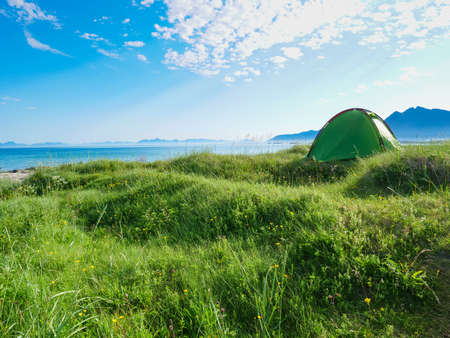
Wild camping is brilliant but only if you pick your spot carefully. Look for slightly elevated ground (away from boggy patches) and somewhere sheltered from strong coastal winds. One blustery night by Loch Roag taught me that lesson well – pegging out a tent in high winds is not for the faint-hearted! Always follow Leave No Trace principles to keep these magical spots pristine.
Fishing: Go Local
If you fancy fresh fish for tea, chat with locals about the best spots and techniques. In my experience, mackerel fishing off a rocky headland or pier is both fun and fruitful – but don’t forget your permit if it’s required. A simple handline often beats all the fancy kit, especially around tidal flows where fish gather naturally.
Kayaking: Safety First, Adventure Second
The waters around the Isles can be as unpredictable as the weather. Always check tide times and sea conditions before heading out. I once underestimated a change in current off Mull and had to paddle hard to avoid being swept into open water – exhilarating in hindsight, but definitely not something I’d recommend! Bring a dry bag for essentials and always wear a buoyancy aid.
What to Avoid
Overpacking Kit
The temptation to bring every gadget is strong, but less is more when you’ve got to carry it all across uneven terrain. Stick to essentials: sturdy boots, decent torch, basic cookware, and leave room for local goodies like oatcakes or smoked fish.
Ignoring Local Advice
I quickly learned that local knowledge trumps any online guidebook. Whether it’s which loch holds trout or when midges are at their worst (hint: dawn and dusk), don’t be shy about asking around – folk are usually happy to share their tips over a cuppa or pint.
Final Thoughts
Camping in the Isles offers some of Britain’s finest fishing, kayaking, and outdoor adventures. With the right kit, respect for nature, and a willingness to adapt to changing conditions, you’ll make memories that last a lifetime. Happy adventuring!