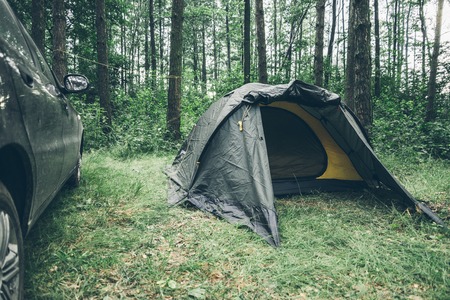
1. Understanding the British Countryside Code
The first step to pitching a tent responsibly in the UK is to understand and follow the British Countryside Code. This code is more than just a set of guidelines; its a philosophy designed to protect the delicate balance between human activity and nature. The UKs landscapes are a patchwork of privately owned fields, public footpaths, ancient woodlands, and protected habitats, making it essential for campers to act with respect and caution. Before even considering where to pitch your tent, familiarise yourself with local regulations, landowner permissions, and designated camping zones. Adhering strictly to the Countryside Code means sticking to established paths, avoiding restricted areas, and always respecting public rights of way. Not only does this minimise your environmental impact, but it also ensures you’re acting within the law and maintaining positive relations with local communities and landowners. Remember: true outdoor survival isn’t just about braving the elements—it’s about leaving no trace behind.
Choosing the Right Campsite: Leave No Trace Principles
When setting out to pitch your tent in the UK, selecting the correct campsite is fundamental to protecting the landscape. The guiding ethos here is “Leave No Trace,” a set of principles that ensure minimal impact on nature. Your first decision is whether to camp at an established site or on open land—both choices require careful consideration and respect for local regulations.
Established Campsites vs. Wild Camping
| Aspect | Established Campsite | Open Land (Wild Camping) |
|---|---|---|
| Impact on Environment | Lower (dedicated areas, managed waste) | Potentially higher if not careful |
| Legal Considerations | Generally permitted with booking | Check access rights; often restricted in England & Wales, more accepted in Scotland under Outdoor Access Code |
| Facilities | Toilets, bins, water sources | No facilities—pack in and out everything |
How to Select a Low-Impact Spot
- Avoid pitching on fragile habitats such as wildflower meadows, peat bogs, or sand dunes. Stick to durable surfaces like gravel, dry grass, or bare soil where vegetation is already sparse.
- Keep at least 50 metres away from rivers and lakes to prevent bank erosion and protect aquatic life.
- If you must wild camp, choose a spot that looks like it’s been used before but shows minimal wear. Rotate use whenever possible.
Respecting Local Regulations and Wildlife
The UK’s countryside comes with a patchwork of byelaws and access rules. In England and Wales, wild camping without landowner permission can be considered trespass; in contrast, Scotland’s Outdoor Access Code allows responsible wild camping. Always check local guidelines before settling in.
Minimise disturbance to wildlife by avoiding nesting sites, animal trails, and active burrows. Remember that even a single night’s stay can alter animal behaviour or damage sensitive flora if not done mindfully.
Quick Reference: Minimising Impact Checklist
- Use existing campsites or previously used flat spots.
- Avoid digging trenches or altering the land.
- Do not pick plants or disturb stone walls and hedgerows.
Selecting your campsite with care is the backbone of eco-friendly camping across Britain—get this right, and you’re already halfway to leaving no trace behind.

3. Eco-Friendly Tent Setup Techniques
Setting up your tent in the UK countryside requires a careful approach that respects the landscape and minimises your impact on nature. Forget about digging trenches or disturbing precious ground cover—modern camping is all about leaving no trace and keeping it wild for others to enjoy. Start by scouting for naturally flat, durable surfaces such as established pitches, grassy clearings, or hard-packed earth. Avoid areas with lush vegetation, moss, or wildflowers, as trampling can cause long-lasting damage. Instead of clearing debris or levelling out the ground, use a footprint or groundsheet slightly smaller than your tent’s base. This not only protects your tent floor but also reduces wear on the environment beneath. For additional protection, consider investing in eco-friendly ground mats made from recycled materials; these provide insulation without harming the soil or roots below.
Practical Pitching Without Digging
There’s no need to dig drainage trenches around your tent—a classic mistake that scars the land and disrupts natural water flow. Modern tents are designed to be weatherproof, so simply pitch with the entrance facing away from prevailing winds and ensure you’re not in a natural depression where rainwater collects. If you anticipate wet conditions, opt for tents with integrated groundsheets and make use of natural features like slight slopes or raised knolls to keep dry without modifying the landscape.
Recommendations for Ground Protection
Always lift rocks and sticks gently rather than dragging them aside, and replace them after striking camp. If you’re camping on sensitive terrain, raise your sleeping area using lightweight camping cots or self-inflating mats to minimise pressure on the ground. After packing up, give the site a once-over: fluff up flattened grass with your boot and scatter any loose twigs or leaves back in place. This simple act helps erase evidence of your stay and supports rapid recovery of the site.
Final Thought
Eco-conscious campers know that the best campsites look untouched after you leave. By following these practical setup techniques, you’ll ensure that Britain’s wild spaces remain pristine and welcoming for generations of adventurers to come.
4. Sustainable Camping Gear Choices
When it comes to pitching a tent responsibly in the UK, your choice of gear plays a significant role in protecting the countryside. Investing in eco-friendly equipment not only minimises your environmental impact but also sets a strong example for fellow campers. Here’s how to make your kit as green as possible while respecting Britain’s diverse landscapes.
Guidance on Sourcing Environmentally Conscious Equipment
Start by choosing camping essentials crafted from sustainable materials. Look for tents made from recycled or organic fabrics and poles constructed from responsibly sourced aluminium or bamboo. Verify product credentials by checking for certifications such as Fair Trade, Global Organic Textile Standard (GOTS), or bluesign®. This ensures both durability and a lighter footprint on nature.
Biodegradable Pegs and Minimal Impact Accessories
Traditional metal or plastic pegs can cause lasting damage to soil and vegetation. Instead, opt for biodegradable pegs made from wood or compostable bioplastics. These alternatives break down naturally over time, reducing waste left behind at campsites. For added stability without harming turf, use wide, flat peg designs that distribute pressure more evenly.
Packing Light: Reducing Waste and Bulk
The less you bring, the less impact you’ll have. Prioritise multipurpose items—think collapsible cookware, lightweight tarps, and compact sleeping mats—to cut down on unnecessary gear. When packing food, choose reusable containers and beeswax wraps rather than single-use plastics. This not only keeps your rucksack trim but also reduces rubbish left in wild places.
Reusable Items: The Core of Green Camping
| Item | Sustainable Alternative |
|---|---|
| Water Bottles | Stainless steel or BPA-free reusable bottles |
| Utensils & Plates | Bamboo or metal cutlery; enamel plates |
| Food Storage | Fabric pouches; silicone bags; beeswax wraps |
| Lamps & Torches | Rechargeable LED lanterns; solar-powered lights |
By carefully selecting these eco-friendly alternatives, you help preserve the UK’s natural heritage for future generations of outdoor enthusiasts. Remember: every small change counts when it comes to treading lightly across Britain’s hills, moors, and forests.
5. Managing Rubbish and Waste Responsibly
Respecting the UK’s landscapes means leaving no trace, and that starts with meticulous waste management. Whether you’re wild camping in Scotland or pitching at a managed site in the Lake District, handling your rubbish and human waste is non-negotiable for eco-friendly camping.
Pack It In, Pack It Out: The Golden Rule
The fundamental principle across the UK is simple: whatever you bring to your campsite, take it away with you. Use heavy-duty bin bags to store all litter, including food wrappers, tea bags, and any biodegradable material. Never assume organic waste will break down swiftly; even orange peel can linger for years in British climates.
Sorting and Recycling
Pre-sort your rubbish by bringing separate bags for recyclables and general waste. Many campsites have recycling facilities for glass, tins, and plastics—check local council guidelines before setting out. If you’re wild camping, research the nearest public bins or recycling points ahead of time using local authority websites.
Dealing With Human Waste
This is where discipline matters most. In England and Wales, wild camping without landowner permission is technically trespassing; even where tolerated (such as Dartmoor), strict adherence to Leave No Trace principles is expected. Always use established toilet facilities when available. If not, carry a trowel and dig a cathole at least 15cm deep and 50 metres away from water sources, paths, and campsites. Cover thoroughly afterwards. In busy or sensitive areas like Scottish lochsides or national parks, consider packing out human waste using specialist bags (such as ‘wag bags’), which can be disposed of in designated bins.
Grey Water Disposal
Dishwater and washing-up residues should never be dumped directly into streams or lakes. Strain solids from grey water (pack those out) and disperse the liquid well away from water sources—ideally on absorbent ground such as grass or soil, never on bare rock or mossy areas.
Complying with UK-Specific Rules
The Countryside Code and Scottish Outdoor Access Code are your guides—study them before you go. Some regions require campers to remove all waste entirely due to fragile ecosystems; others provide clear signage about waste disposal. When in doubt, err on the side of caution: if there’s no bin or toilet, take everything home with you.
Ultimately, responsible waste management isn’t just about following rules—it’s about ensuring that wild places remain unspoilt for future generations of campers, hikers, and wildlife alike.
6. Minimising Fire and Cooking Impact
When camping across the UK, one of the most crucial aspects of eco-friendly wild camping is how you handle fire and cooking. Open campfires can scar the landscape, damage fragile habitats, and pose a serious wildfire risk—especially in moorland or heathland areas. To protect these cherished environments, it’s best to avoid traditional campfires altogether unless you are in a designated fire ring at an official campsite.
Safe Campfire Alternatives
If you’re determined to enjoy some warmth or cook a hot meal, consider alternatives that won’t leave lasting marks. Battery-powered lanterns provide ambient light without any flame. For social warmth, bring insulated clothing and share stories under the stars—no fire required. If you must use a fire, always opt for a raised fire pit or fire pan, ensuring there’s no direct contact with the ground. Never collect local wood; this disrupts natural habitats and removes essential nutrients from the ecosystem.
Portable Stoves: The Responsible Choice
Modern portable stoves are lightweight, efficient, and far less impactful on the environment than any open fire. Opt for gas canister stoves or spirit burners that keep all flames contained. Always set up your stove on a stable, non-flammable surface like gravel or stone rather than grass or peat to prevent scorch marks. Dispose of spent fuel canisters responsibly—many outdoor shops offer recycling schemes across the UK.
Respecting Local Fire Restrictions
UK landscapes—from the Lake District to Dartmoor—often have specific restrictions regarding open flames and stoves due to high fire risks during dry spells. Always check local guidelines before your trip by consulting national park websites or speaking to local rangers. Observe posted signs and temporary bans; failure to comply not only endangers nature but could land you with heavy fines.
Quick Survival Tips:
- Pack cold meals as a backup in case of total fire bans.
- Keep a small water container handy to quickly douse accidental flames.
- Clean up all traces of cooking, including food scraps, which attract wildlife and disrupt local ecosystems.
By choosing low-impact cooking methods and respecting fire regulations, you’ll help preserve Britain’s wild spaces for future generations of hardy campers—and earn respect from seasoned locals who know that true outdoor skill means leaving no trace.