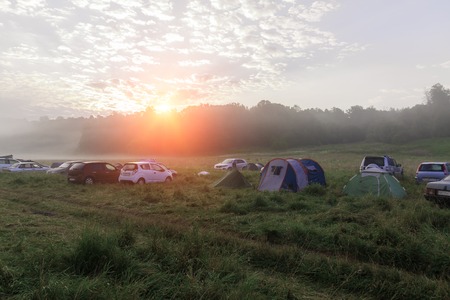
Introduction: Green Camping by Britains Heritage
Eco-friendly camping is more than just a modern trend—it’s a necessity when venturing into the UK’s historic landscapes. Britain boasts an extraordinary wealth of protected sites, from ancient castles and Roman ruins to centuries-old woodlands and national parks. These areas not only showcase the nations rich heritage but also provide unique opportunities for immersive outdoor experiences. However, their fragility means that even minor disturbances can cause lasting damage. Choosing green camping practices ensures we protect these treasures for future generations while enjoying their unique charm. Setting up camp near protected historic sites offers a rare blend of adventure and cultural appreciation—allowing you to wake up surrounded by living history without leaving a trace behind. Embracing sustainable camping in these settings isn’t just responsible; it’s the gateway to experiencing Britain’s past and natural beauty as they were meant to be enjoyed.
Understanding UK Protected Historic Sites
When planning eco-friendly camping adventures near historic locations in the UK, it is crucial to understand what qualifies as a protected historic site. These areas are not only significant due to their cultural, architectural, or natural value but also legally safeguarded to ensure their preservation for future generations. In the UK, there are several categories of protected sites you may encounter:
| Type of Protected Site | Description | Examples |
|---|---|---|
| Listed Buildings | Structures officially recognised for their special architectural or historical interest. Alterations and uses are strictly regulated. | Blenheim Palace, Tower of London |
| National Trust Properties | Landmarks and estates managed by the National Trust to conserve their heritage and natural beauty. | Stourhead Gardens, Giant’s Causeway |
| UNESCO World Heritage Sites | Areas of global importance designated by UNESCO for their outstanding universal value. | Stonehenge, Bath City Centre |
The preservation of these sites is critical. They serve as tangible links to Britain’s rich past, telling the stories of different eras and communities. Moreover, they support biodiversity and local ecosystems, often encompassing ancient woodlands, rivers, or grasslands alongside built heritage. When camping near such locations, respecting boundaries and adhering to regulations is essential—not just to avoid penalties but to play your part in safeguarding these national treasures. The delicate balance between enjoying the outdoors and protecting historical sites is at the heart of responsible, eco-conscious camping in the UK.

3. Eco-Conscious Camping Essentials & Principles
If you’re pitching up near one of the UK’s protected historic sites, your gear and conduct need to be as tough on impact as you are on comfort. Here’s a hard-nosed guide to minimising your footprint while maximising your experience amidst Britain’s storied landscapes.
Pack-In, Pack-Out: No Compromise
The cornerstone of responsible camping in the UK is uncompromising adherence to the pack-in, pack-out philosophy. Everything you bring—rubbish, food scraps, even biodegradable waste—leaves with you. Historic sites are irreplaceable; leaving anything behind is not only disrespectful but often illegal. Use sturdy, reusable rubbish sacks and always double-check your pitch for micro-litter before moving on.
Eco-Friendly Kit Built for British Conditions
British weather can be brutal—think relentless rain, biting winds, and sodden ground. Opt for kit that stands up to the elements without costing the earth. Go for tents made from recycled materials with robust waterproofing, bamboo or recycled polyester sleeping bags, and aluminium or titanium cookware instead of single-use plastics. Invest in a stormproof reusable water bottle and a compact solar charger to keep devices topped up off-grid.
Low Impact Cooking & Fuel Choices
Firewood gathering is a no-go near historic zones; it damages ecosystems and is usually prohibited. Stick to a portable gas stove or a solid fuel burner certified for low emissions. Always cook on a raised platform or stove stand—never directly on the grass or historic surfaces—to avoid scarring the ground.
Mindset: Respect Runs Deep
Your attitude matters as much as your equipment. Approach every site as if it were a living museum: tread softly, keep noise down, and never tamper with ruins or artefacts. Camp at least 50 metres from monuments or archaeological features, and stick to established paths whenever possible to prevent erosion.
Leave No Trace, Set an Example
In short: what you do echoes long after you’ve gone. Be the camper who leaves no evidence behind—not just for wardens’ approval but for future generations of adventurers and historians alike.
4. Best Locations for Sustainable Camping near Landmarks
Seeking an authentic British camping experience with a green conscience? The UK is dotted with remarkable historic sites and protected landscapes, offering a unique blend of heritage and wilderness. Here’s where you can pitch your tent responsibly, close to ancient treasures, while respecting local customs and legalities.
Top Eco-Friendly Campsites Near Historic Sites
| Site Name | Nearby Landmark | County | Facilities | Access & Regulations |
|---|---|---|---|---|
| Trewan Hall Campsite | Bodmin Moor & Tintagel Castle | Cornwall | Composting loos, recycling points, limited pitches | No open fires; book ahead in summer; dogs on leads |
| Bankside Farm Campsite | Hadrian’s Wall | Northumberland | Solar showers, minimal lighting, wildlife-friendly zones | Quiet hours enforced; pack out all rubbish; stick to paths |
| Cwmdu Campsite | Brecon Beacons & Carreg Cennen Castle | Carmarthenshire | No car access to pitches, eco-loos, local produce available | No amplified music; respect livestock; leave no trace policy |
| The Sustainability Centre Camping Field | South Downs Way & Winchester Cathedral | Hampshire | Rainwater collection, educational tours, rewilding areas | No disposable BBQs; group bookings by permission only; recycle all waste |
| Knighton Wild Camping Site | Offa’s Dyke Path & Stokesay Castle | Shropshire/ Powys border | Wild pitches, stream water (boil before use), fire circles (by consent) | No facilities—pack in/out; wild camping code applies strictly; notify landowner if possible |
Sustainable Wild Camping Etiquette on British Soil
- Permission: In England and Wales, wild camping is generally not permitted without landowner consent except in some parts of Dartmoor. Scotland is more permissive under the Scottish Outdoor Access Code, but always follow posted restrictions near historic sites.
- Packing Out: Everything you bring in must be taken away—rubbish, food scraps, even biodegradable items. Leave no trace is gospel here.
- Campsite Selection: Pitch at least 100 metres from historic monuments, paths, or water sources. Avoid disturbing flora or ancient structures.
- Respect Quiet Hours: Many campsites enforce quiet times after 10pm. Even when wild camping, keep noise to a minimum out of respect for nature and neighbours.
Navigating Local Access and Laws
- Dartmoor Exception: Some areas on Dartmoor allow backpackers to wild camp on common land—always check the latest maps and guidelines from the National Park Authority.
- No Fires: Open fires are widely discouraged or banned due to wildfire risk. Use a portable stove if cooking is essential, or opt for cold meals.
- Historic Site Boundaries: Never camp within the bounds of scheduled monuments or protected ruins—these are legally safeguarded and monitored.
Your Role as a Responsible Camper Near Heritage Sites
If you’re looking to immerse yourself in Britain’s ancient landscapes while treading lightly on the earth, choose your spot wisely and act as an ambassador for sustainable adventure. By following local etiquette and regulations, you’ll help preserve these cultural gems for generations of hardy campers yet to come.
5. Local Etiquette, Laws, and Conservation Efforts
Understanding the Legal Framework
Campsites near protected historic sites in the UK are governed by strict legislation to safeguard national heritage. Wild camping is generally prohibited in England, Wales, and Northern Ireland unless you have explicit landowner permission. Scotland offers more flexibility under the Scottish Outdoor Access Code, but even here, designated areas may impose restrictions to protect archaeological features and habitats. Violating these rules can result in hefty fines or legal action, so always check local bylaws before pitching a tent.
Codes of Conduct for Campers
When camping near heritage landmarks, adherence to established codes of conduct is non-negotiable. Respect designated paths and barriers that prevent trampling sensitive ground or damaging ancient structures. Noise pollution is frowned upon, as it disrupts both wildlife and the tranquil atmosphere valued by visitors. Fires are usually forbidden due to risk of damage; use portable stoves instead and only in permitted zones. Dispose of all litter responsibly—take everything with you and avoid using nearby bins if they are not specifically provided for campers.
Respecting Local Customs
The British countryside has longstanding customs surrounding land access and conservation. Greet locals courteously, keep gates closed behind you, and give way to farm machinery when sharing tracks. In rural communities, trespassing—even unintentionally—can cause friction; stick to public rights of way and marked trails at all times.
Supporting Conservation Initiatives
Many protected sites are maintained by charities such as the National Trust or English Heritage. Consider paying entry fees or making donations to support their ongoing preservation efforts. Participate in volunteer clean-up events if available, reinforcing a culture of stewardship among visiting campers.
Summary: Responsible Camping Near Heritage Sites
Your eco-friendly adventure hinges on respecting both legal requirements and local values. By understanding restrictions, following guidelines, and supporting conservation schemes, you help ensure that Britain’s historic treasures endure for future generations of explorers.
6. Making a Positive Impact: Leave No Trace and Community Involvement
If you’re serious about eco-friendly camping near the UK’s protected historic sites, it’s time to embrace hard-line survival discipline alongside environmental stewardship. The cardinal rule is simple: leave no evidence of your presence—none whatsoever. Abide by the strictest interpretation of Leave No Trace principles: pack out everything you bring in, including food scraps and even biodegradable waste; use a stove rather than open fires; and never disturb ancient stones, earthworks or flora. Your camp should vanish without a trace at dawn—no embers, no rubbish, not even a bent blade of grass.
Hard-Line Survival Tactics for Minimal Footprint
When wild camping near heritage sites, go beyond basics. Use reusable containers for all supplies and double-bag your rubbish to prevent leaks. Avoid detergents in natural water sources—use only biodegradable soap well away from streams and rivers. Stick to established paths and pitches if available, but if wild camping is permitted, choose durable ground like gravel or sand over soft turf to minimise lasting impact. Always purify water using filters or boil it, never contaminating local sources with foreign bacteria or chemicals.
Support Local Conservation Efforts
Your responsibility doesn’t end with your own camp. Seek out local conservation groups and visitor centres—they often run path maintenance days or clean-up events where campers are welcome volunteers. Consider donating to site-specific preservation trusts or purchasing permits when required, as these funds directly aid restoration and protection efforts. Engage respectfully with locals and site managers, reporting any damage or suspicious activity you spot during your stay.
Respect the Legacy—Act Now
The UK’s historic landscapes survived centuries because of communal respect and vigilance. Today, eco-conscious campers have a duty to uphold that legacy: treat every stone circle and castle ruin as sacred ground. By combining survival discipline with active community involvement, you don’t just enjoy these ancient places—you help ensure they endure for generations yet unborn.