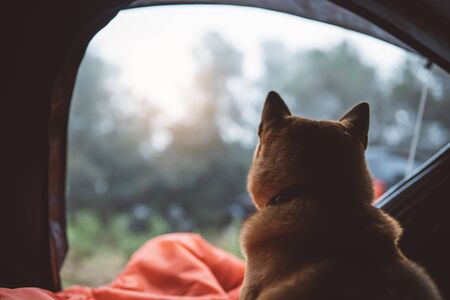
Introduction to Dog-Friendly British Camping
Camping across the British countryside with your dog is an experience that many outdoor enthusiasts cherish. From the rolling hills of the Lake District to the windswept Cornish coast, the UK offers a wealth of campsites ready to welcome both humans and their canine companions. Yet, as any seasoned camper will tell you, British weather can be notoriously unpredictable—think sudden downpours, chilly nights, and those unmistakable damp mornings. In these conditions, keeping both yourself and your pooch warm and comfortable isn’t just about enjoyment; it’s essential for health and well-being. Whether you’re pitching a tent in spring drizzle or parking up a campervan during autumn mists, knowing how to stay cosy ensures that your camping adventure remains memorable for all the right reasons—for both two-legged and four-legged adventurers alike.
Choosing the Right Campsite and Pitch
When camping across the UK with your four-legged friend, selecting a truly dog-friendly campsite is crucial—especially if you want both yourself and your pooch to stay warm and comfortable. British weather is famously unpredictable, so it pays to choose a site and pitch with some thought. Here are practical tips, including what features to look out for and how to ensure your chosen spot offers adequate shelter from wind, rain, and dew.
Identifying Genuinely Dog-Friendly Campsites
Not all campsites that advertise as “dog-friendly” actually offer the same level of hospitality or facilities for dogs. Use the following checklist to help distinguish those that really welcome dogs:
| Dog-Friendly Feature | Why It Matters |
|---|---|
| On-site dog walks or exercise areas | Allows safe off-lead time without leaving the site |
| Poo bins and dog waste bags provided | Keeps the site clean and makes life easier for owners |
| Dog-washing facilities (e.g., hoses or showers) | Essential after muddy walks in classic British weather |
| Café or pub that allows dogs inside | Gives you both a warm retreat on rainy days |
| Campsite shop stocking dog essentials | Saves packing space and provides peace of mind if you forget something |
Selecting the Best Pitch for Warmth and Shelter
The right pitch can make all the difference when trying to stay cosy during a chilly night in Cornwall or a blustery morning in the Lake District. Consider these points:
- Sheltered Locations: Look for pitches behind hedgerows, tree lines, or natural rises in the land. These will act as windbreaks and help block out cold gusts.
- Avoid Low-Lying Ground: Pitches at the bottom of slopes tend to collect cold air and can be prone to morning dew—less ideal for a warm start to the day.
- Hardstanding vs. Grass: Hardstanding pitches drain better during heavy rain, keeping your tent or van drier. However, grassy areas may be more comfortable for dogs to lie on.
- Proximity to Facilities: In poor weather, it’s handy to be close to shower blocks or communal rooms where you can dry off together.
Quick Reference: What Makes a Pitch Cosy?
| Pitch Feature | Benefit for You & Your Dog |
|---|---|
| Shelter from prevailing winds | Keeps tent/van warmer and reduces chill factor outside for your dog |
| Slight elevation/drainage | Avoids puddles forming under bedding and keeps paws dry |
| Trees or hedges nearby (but not directly overhead) | Some wind protection without risk from falling branches in storms |
| South-facing aspect if possible | Makes best use of any sunshine for warmth during the day |
| Away from main thoroughfares/entrances | Reduces noise disruption so both of you sleep better—and warmer! |
Your Next Step: Book Early & Communicate Clearly
The most popular dog-friendly sites get snapped up quickly, especially those with sheltered pitches. Book well in advance, specify your need for shelter, and always check if there are any restrictions on breeds or numbers of dogs. By planning ahead, you’ll ensure a safer, warmer, and more enjoyable camping experience for both you and your loyal companion.

3. Clever Layering and Cosy Kit for Both You and Your Dog
When camping in the UK, the weather is famously unpredictable—think chilly nights, persistent drizzle, and sudden gusts off the moors. Thats why getting clever with your layering and kit is essential for both you and your four-legged companion.
Essential Clothing for Campers
Start with moisture-wicking base layers for yourself—merino wool or technical synthetics are perfect. On top of that, add insulating mid-layers like fleece or a down jacket, topped off with a waterproof, windproof outer shell. Don’t forget woolly hats, gloves, and thick socks; British nights can get nippy even in summer.
Keeping Your Dog Toasty
For your pooch, invest in a snug doggy jumper made from fleece or wool for warmth, and always bring a properly fitted waterproof coat to ward off dampness during those inevitable showers. Some breeds cope better than others, but even hardy dogs benefit from an extra layer when they’re away from home comforts.
Bedding Down: Sleeping Bags & Insulated Beds
A quality sleeping bag rated for low temperatures is a must on British campsites. Pair it with an insulated sleeping mat to keep ground chill at bay. For your dog, pack an insulated dog bed—look for raised beds or ones with thermal linings to prevent cold seeping up from the tent floor. Add a couple of extra blankets so you can double up if it turns colder than expected.
Packing Tips
Always bring spares: extra socks for you, additional blankets or towels for your dog (which also double as emergency drying cloths). Pop a lightweight travel blanket in your daypack for quick warmth during breaks or if your dog decides to take an impromptu dip in a stream.
Final Thought
By layering smartly and packing the right cosy kit, you’ll both be ready to enjoy crisp mornings and starry nights—whatever the British weather throws your way.
Campfire and Heating Etiquette for Pet Safety
Nothing beats the cosy glow of a campfire or the toasty warmth from a portable heater when camping in the unpredictable British weather. However, ensuring your dog’s safety around these heat sources is crucial. In Britain, many campsites have strict rules regarding open flames and heaters, so always check the site’s regulations before lighting up. Below is a practical guide to safely enjoying warmth at camp while keeping your four-legged companion comfortable and secure.
Following Local Campfire Rules
Most UK campsites either have designated fire pits or prohibit open fires altogether due to environmental concerns and unpredictable winds. Always use official fire rings or raised fire baskets if allowed. Never collect wood from the local area—bring kiln-dried logs instead, as they burn cleaner and are less likely to spark unexpectedly.
Campfire Do’s and Don’ts
| Do | Don’t |
|---|---|
| Use only permitted fire areas | Build fires on grass or peat |
| Keep water or sand nearby for emergencies | Leave fires unattended at any time |
| Supervise dogs closely near heat sources | Let pets roam off-lead around flames |
| Extinguish fires fully before bedtime | Bury embers – always douse with water |
Portable Heaters: Safe Use Around Dogs
If campfires aren’t allowed, portable gas or electric heaters can keep you warm inside tents or caravans. Make sure any device has tip-over protection and is placed away from flammable materials (including bedding and pet blankets). Never leave a heater running unattended, especially with curious paws about.
Tips for Heater Safety with Dogs:
- Create a ‘no-go zone’ using travel crates or folding barriers to prevent your dog getting too close.
- Avoid extension cords trailing across sleeping areas; dogs might chew them or trip over at night.
- Choose heaters with cool-touch exteriors for extra peace of mind.
- Ventilate tents well if using gas-powered devices – carbon monoxide build-up is silent but deadly.
A Warm Camp Without Worry
The key is planning ahead: pack suitable gear, follow campsite guidance, and set clear boundaries for your pooch around heat sources. By blending common sense with local etiquette, you’ll ensure that both you and your furry mate stay snug and safe on every British camping adventure.
5. Warming Food and Drink—For You and Your Pooch
Nothing brings campers together like hearty food shared around a glowing fire—and that’s as true for your four-legged mate as it is for you. British campsites offer a unique opportunity to bond over beloved classics, so why not start the day with breaky baps stuffed with sizzling bacon or veggie sausages? These simple sandwiches, wrapped in foil and toasted by the embers, are both satisfying and practical on a brisk morning.
When it comes to warming up throughout the day, a sturdy flask of builder’s tea is almost non-negotiable. Pour yourself a strong cuppa, and let the steam warm your hands while you take in the scenery. For the grownups, consider an evening treat like mulled cider or hot chocolate—just the thing for sharing stories as dusk falls over the campsite.
Of course, your pooch deserves their own campfire cuisine. Pack dog-friendly treats such as oat-based biscuits or bring along some cooked chicken pieces for a protein boost. If you’re feeling adventurous, stir up a pot of stew using lean meats and root veg (carrots, parsnips) so both human and hound can share a safe, hearty supper—just remember to keep onions and garlic out of the mix.
Mealtimes are perfect for reinforcing training and building trust: ask your dog to sit patiently while you prepare their food, or reward calm behaviour with a nibble from your stash. Sharing these moments—whether it’s splitting a crusty roll or letting your dog lick out an empty porridge pot—creates rituals that make camping memories all the warmer.
6. Evening Activities to Keep Spirits—and Tails—Up
As the sun sets and the temperature dips on a British campsite, keeping both you and your dog warm becomes more about activity than just layering up. Gentle evening walks are a classic way to stay active; the brisk air encourages movement, while shorter, scenic strolls allow your pooch to explore new smells and sights. Just be sure to stick to well-lit or familiar paths for safety.
If the weather turns or you simply want some downtime, interactive toys inside the tent offer mental stimulation and light exercise without braving the elements. Puzzle feeders, tug ropes, and soft squeaky toys are excellent for burning off energy while keeping cosy in your shared shelter.
Don’t underestimate the warmth that comes from socialising. Communal games, like a gentle round of hide-and-seek (using treats or favourite toys), encourage everyone to move about and laugh together, generating heat and camaraderie. If you’re camping with fellow dog owners, group activities can help foster a sense of community among humans and hounds alike. Whether it’s taking turns tossing a ball or enjoying a group storytelling session, these moments keep spirits high and tails wagging long into the night.
7. Relying on British Ingenuity and Community Spirit
If there’s one thing Brits excel at, it’s turning a chilly camping night into a memorable adventure through sheer practicality and warmth of character. Embracing the elements is almost a national pastime—so when temperatures dip on a campsite, this is your cue to channel that legendary British ingenuity. Simple solutions like repurposing hot water bottles for both yourself and your dog, or fashioning windbreaks from tarps and old blankets, become second nature.
Yet, what truly sets British campsites apart is the camaraderie among campers—especially those who share a love for dogs. You’ll often find that swapping stories about muddy walks or sharing a flask of tea by the fire can quickly lead to offers of spare blankets or clever heat-saving tricks passed down through generations. Don’t hesitate to strike up conversations with fellow dog owners; these communities thrive on looking out for one another and their four-legged companions.
Stay cheerful by embracing little rituals: gather around communal campfires (where permitted), organise group dog walks, or simply take turns watching over each other’s tents while someone pops off for an extra layer. The shared challenge of keeping warm fosters genuine friendships, and you’ll soon discover that laughter and good company are some of the best insulators against the cold.
So as you pack for your next British camping adventure with your pooch, remember—it’s not just about the gear, but also about joining a community where resourcefulness and kindness keep everyone’s spirits (and paws) toasty.