Introduction to British Bushcraft Cooking
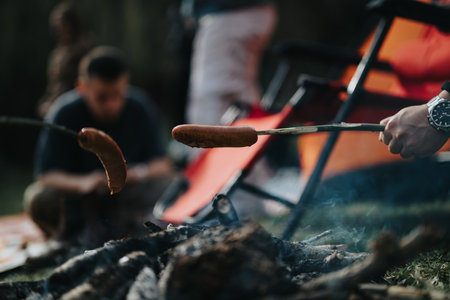
Bushcraft cooking over open fires is deeply rooted in the British countryside tradition, blending practical survival skills with a strong sense of heritage and community. For generations, people across the UK have gathered around campfires to prepare hearty meals, share stories, and connect with nature. The experience goes far beyond sustenance—it’s about embracing simplicity, resourcefulness, and the unique flavours that only open-fire cooking can offer. Today, bushcraft remains popular among outdoor enthusiasts, wild campers, and families seeking an authentic connection to Britain’s natural landscapes.
The cultural significance of open-fire cooking in Britain is evident at local gatherings, Scout camps, and rural festivals. Preparing food this way evokes nostalgia for simpler times and fosters camaraderie. Iconic recipes like damper bread, fire-baked potatoes, and rustic stews are all staples of the bushcraft tradition.
However, it’s vital to respect the countryside when lighting fires. The UK has strict regulations to prevent wildfires and protect sensitive habitats. Always use designated fire pits where available, keep fires small and manageable, and never leave a fire unattended. Extinguish embers thoroughly before leaving your site. With these essential safety considerations in mind, you can enjoy British bushcraft cooking responsibly—ensuring the landscape remains unspoiled for future generations.
2. Essential Tools and Gear for the British Outdoors
Cooking over open fires in the British outdoors demands a careful selection of tools tailored to local conditions. The right kit ensures safety, efficiency, and an authentic bushcraft experience. Below, I’ll break down the must-have equipment for classic British campfire cooking, discuss their uses, and offer guidance on sourcing gear responsibly.
Key Cooking Equipment
| Item | Description & Typical UK Use |
|---|---|
| Billy Can | A lightweight lidded pot made from stainless steel or aluminium, ideal for boiling water or stews over an open flame. A staple in British scouting and outdoor circles. |
| Cast Iron Skillet | Perfect for frying bacon, sausages, or bubble & squeak. Holds heat well even on uneven embers; a traditional favourite for hearty English breakfasts outdoors. |
| Grill Grid | Portable metal grid for grilling fish caught fresh from rivers or classic Cumberland sausages. Designed to sit above coals; look for foldable versions for easy packing. |
| Kettle | Nothing says ‘British outdoors’ quite like a proper cup of tea brewed over a fire. Enamel or steel kettles are robust and efficient for this purpose. |
| Fire Steel (Ferro Rod) | A reliable fire-lighting tool even in damp UK weather. Produces hot sparks that can ignite dry tinder—essential when matches fail due to wind or rain. |
Sourcing Your Gear Responsibly
It’s important to choose equipment from reputable suppliers who prioritise sustainability and ethical manufacturing. Where possible, opt for locally made products, which support British craftspeople and reduce transport emissions. For example, several heritage brands still produce cast ironware and billy cans in the UK. When selecting wooden handles or utensils, look for FSC-certified wood to ensure forests are managed responsibly.
Maintenance Tips
- Clean cast iron after every use and oil lightly to prevent rust—especially vital in Britain’s often-damp climate.
- Dry all gear thoroughly before storage to avoid mould or corrosion.
Selecting the right tools not only enhances your bushcraft cooking but also helps preserve the wild places you love by reducing waste and promoting sustainable practices.

3. Building and Maintaining the Perfect Campfire
Cooking over open fires is at the heart of British bushcraft, but creating a safe and reliable campfire requires care, local knowledge, and respect for the law. Here’s a step-by-step guide tailored for UK outdoor enthusiasts.
Gathering Local Firewood
Start by seeking out dead, fallen wood from native trees such as oak, ash, or birch—these burn well and are commonly found across the British countryside. Avoid collecting green or live branches, as these are protected by law and poor for burning. Dry twigs (kindling) and larger branches make an ideal combination for fire-building. Always gather more than you think youll need; damp weather is typical in the UK, so some wood may be too wet to use.
Legal Considerations in the UK
It is essential to understand your rights before lighting a fire. In England, Wales, and Northern Ireland, wild camping and open fires are not automatically permitted except on designated sites or with landowner consent. In Scotland, the Land Reform Act allows more freedom, but still requires responsible behaviour. Check for local restrictions—especially during dry spells—and never light fires near peat bogs or in nature reserves. Leave no trace: collect ashes when done and restore the ground.
Constructing Different Fire Types
The Teepee
This classic style involves arranging kindling in a cone shape with tinder at the centre. It lights easily and provides quick heat—ideal for boiling water or grilling sausages.
The Log Cabin
Stack larger sticks in a square around a central teepee of kindling. This structure burns longer and creates strong embers, perfect for baking potatoes or simmering stews.
The Long Fire
A favourite among traditional British campers, this is built by placing two logs parallel with a gap between them. The fire burns in the gap, offering even heat along its length—great for multiple pans or spit roasting.
Maintaining a Safe & Efficient Cooking Fire
Keep your fire compact and manageable. Feed it gradually with small sticks to maintain steady heat for cooking. Always have water nearby to douse stray sparks—especially important on windy days common in Britain. Never leave your fire unattended, and extinguish it thoroughly before leaving your site by soaking it with water and stirring the ashes until cold to the touch. These practices ensure both safety and respect for the beautiful landscapes we enjoy.
4. Classic British Bushcraft Recipes
When it comes to bushcraft in the UK, nothing evokes the spirit of the outdoors quite like preparing classic British recipes over an open fire. These dishes are steeped in tradition and practicality, relying on simple ingredients and methods that make them ideal for wild cooking. Below is a curated selection of timeless recipes that have warmed hearts and filled bellies in British campsites for generations.
Bannock Bread
Bannock is a staple of British bushcraft—quick to prepare, requiring only basic ingredients, and easily adapted to whatever you have on hand. Traditionally cooked on a flat stone or skillet over embers, bannock is hearty enough for breakfast or as a companion to stews.
Simple Bannock Recipe
| Ingredient | Amount |
|---|---|
| Self-raising flour | 2 cups |
| Salt | 1/2 tsp |
| Butter or suet | 2 tbsp (optional) |
| Water | As needed to form dough |
Knead ingredients lightly into a dough, flatten into a disc, and cook over hot stones or in a pan until golden brown on both sides.
Damper
Similar to bannock but with its own rustic charm, damper is a quick bread often made by wrapping dough around sticks and baking it over flames. This technique is perfect for children or anyone looking for a hands-on campfire experience.
Basic Damper Stick Bread
- Mix self-raising flour, salt, and water into a soft dough.
- Roll into long strips and wind around clean sticks.
- Bake over embers until puffed and golden, turning frequently.
Campfire Stew
A true classic of the British outdoors, campfire stew combines locally sourced meats or beans with root vegetables and wild herbs. Its a forgiving recipe—just toss everything into your pot and let the fire do its magic. Here’s a basic guideline:
| Main Ingredients | Additions (Optional) |
|---|---|
| Diced beef or lamb (or mixed beans) | Sliced onions, carrots, potatoes |
| Tinned tomatoes or water | Wild garlic, thyme, bay leaves |
Simmer slowly for at least an hour for flavours to meld. Serve with bannock for a proper bush meal.
Foraged Berry Crumble
If you’re lucky enough to find blackberries or other wild berries while out walking, this easy crumble is an absolute treat. Layer berries in your billy can or Dutch oven, top with an oat-flour-butter mixture, then bake beside hot coals until bubbling and golden.
Crumble Topping Formula
- Equal parts oats and plain flour (e.g., 100g each)
- A few tablespoons cold butter rubbed in until crumbly
Add a spoonful of sugar if desired. Cover berries with topping and bake until done—a sweet reward after a day exploring the British countryside.
5. Foraging and Using Local Ingredients
Cooking over open fires in the British outdoors isn’t just about sausages and beans; it’s also about connecting with the landscape through the wild ingredients it provides. Foraging is an integral part of traditional bushcraft, and Britain’s woods, hedgerows, and meadows are brimming with edible treasures. However, successful foraging requires knowledge, respect for nature, and an understanding of the law.
Identifying Edible Wild Foods
The UK countryside offers a bounty of wild edibles—think wild garlic in spring, blackberries in late summer, and chestnuts in autumn. Always carry a reliable field guide or use a reputable identification app to avoid confusion with toxic lookalikes. Take time to learn key features: for example, wild garlic has broad leaves and a distinctive smell, while stinging nettles can be identified by their serrated leaves and fine hairs.
Harvesting Responsibly and Legally
Foraging in Britain is generally permitted on public land for personal use, but some areas are protected (such as Sites of Special Scientific Interest) or privately owned. Always seek permission if you’re unsure. Follow the Countryside Code: take only what you need, never uproot plants without landowner consent, and avoid damaging habitats. Harvest from plentiful patches, leaving enough behind for wildlife and plant regeneration.
Safe Preparation and Cooking Tips
Once harvested, prepare your finds with care. Wash all wild foods thoroughly to remove dirt and insects. Some ingredients—like nettles or mushrooms—require specific preparation to neutralise toxins or improve flavour. Wear gloves when handling nettles; boiling or wilting them over the fire removes their sting. Mushrooms must be 100% positively identified before consumption—when in doubt, leave them out.
Incorporating Wild Ingredients into Open-Fire Recipes
Add foraged greens such as sorrel or dandelion leaves to soups cooked in a billy can over the flames. Scatter wild garlic into omelettes or bubble and squeak for a punch of flavour. Berries can be wrapped in foil with oats and honey for a simple campfire pudding. The possibilities are endless—let local abundance inspire your bushcraft cooking while keeping safety and sustainability at the heart of every meal.
6. Campfire Cooking Techniques and Tips
Techniques Tailored to the British Environment
The British outdoors presents its own unique challenges and opportunities for campfire cooking. Weather can be unpredictable, firewood damp, and the landscape diverse—from dense woodlands to breezy moorlands. Knowing the right techniques is essential for successful bushcraft meals that are both delicious and safe.
Hot Stone Baking
This ancient method is well suited to the British countryside, where flat stones can often be found near rivers or in wooded areas. To use this technique, heat a large, flat stone in your fire until it’s hot enough to sizzle a drop of water. Brush off any ash, then place doughs—such as bannocks or damper bread—directly onto the stone. Cover with another heated stone or embers for even baking. This approach works well when you don’t have pans and adds a subtle smokiness characteristic of traditional bushcraft fare.
Dutch Oven Cooking
The cast iron Dutch oven has been a staple of British outdoor cooking since Victorian times. It excels at slow-cooking stews, braises, and puddings over embers or suspended above the flames. For best results, shovel some hot coals onto the lid as well as underneath to ensure even heat distribution—a trick especially useful in Britain’s cooler climes. Dishes like beef stew or apple crumble benefit from the Dutch oven’s ability to maintain steady temperatures despite gusty winds.
Spit-Roasting
Spit-roasting is ideal for preparing game birds or joints of meat, both traditional elements of British bushcraft cuisine. Use sturdy green wood for your spit—hazel and willow are common choices in Britain—and balance it securely over your fire. Slow rotation ensures even cooking and that classic crispy skin. Baste with local herbs such as thyme or wild garlic for an authentic flavour profile.
Safe Food Handling in Outdoor Conditions
Bushcraft cooking in Britain requires particular attention to food safety due to frequent dampness and fluctuating temperatures. Always keep raw meats separate from ready-to-eat foods; use dedicated knives and boards if possible. Store perishables in cool bags stashed in shaded spots, ideally close to running water but always above ground level to deter animals. Hand washing is crucial—bring biodegradable soap and rinse with boiled water if needed. Lastly, make sure all foods are cooked through: pink sausages or underdone poultry are not worth the risk, even if you’re far from home comforts.
Final Thoughts
Mastering these techniques not only helps you cook hearty British classics but also deepens your connection to the land and its traditions. With practice, you’ll find that even simple ingredients can be transformed into memorable meals beneath open skies.
7. Leave No Trace: Responsible Bushcraft and Fire Management
Practising bushcraft cooking in the British countryside is a privilege that carries significant responsibilities. Ethical outdoor cooking goes beyond preparing traditional recipes—it means ensuring minimal impact on the landscape, wildlife, and fellow visitors. Understanding and adhering to the Countryside Code is essential; this includes respecting landowner permissions, staying on public rights of way, and only lighting fires where explicitly allowed.
Ethical Considerations for Open Fire Cooking
Always assess whether an open fire is appropriate for your location. In many areas across the UK, especially during dry spells or in protected woodlands, open fires may be banned due to wildfire risk. Even when permitted, use established fire pits or bring a portable fire bowl to reduce ground scarring. Gather dead wood from the ground instead of breaking branches, and collect only as much as you need—leaving enough for local flora and fauna.
Minimal-Impact Cooking Techniques
Opt for compact, efficient fires such as ‘twig stoves’ or Swedish torches, which concentrate heat and limit damage to the ground. When using classic methods like spit roasting or pot cooking over embers, keep fires small and manageable. Prepare ingredients beforehand to reduce time spent at the fire site and minimise waste by planning meals carefully.
Fire Site Restoration and Clean-Up
After cooking, thoroughly extinguish your fire using water (never soil alone), stirring ashes until cold to the touch. Scatter cooled ash over a wide area away from water sources. Dismantle any temporary structures and return stones or turf to their original positions. Leave the area looking untouched; litter, food scraps, and even biodegradable waste should all be packed out.
Respecting Access Laws and Local Wildlife
The UK’s access laws vary between England, Scotland, Wales, and Northern Ireland. In Scotland, responsible wild camping is generally permitted under the Scottish Outdoor Access Code, but elsewhere always check local bylaws before lighting a fire or camping overnight. Avoid disturbing livestock and nesting birds by choosing discreet sites well away from farmland and nature reserves.
Cultivating a Tradition of Stewardship
By following leave-no-trace principles while enjoying classic British bushcraft cuisine, you help preserve these landscapes for future generations. Share your knowledge with others—demonstrate good practice in your group and encourage fellow adventurers to cook responsibly. Ultimately, respect for the land is as integral to bushcraft as any recipe or technique you master.