Introduction to British Campfire Cooking
There is something inherently British about gathering outdoors and cooking freshly caught fish over an open flame. From the tranquil banks of the River Wye to the windswept shores of Cornwall, this age-old tradition has woven itself into the fabric of British outdoor culture. Whether it’s a simple riverside picnic after a day’s angling or a hearty meal prepared at a coastal campsite, the ritual of preparing and cooking your own catch is both practical and deeply satisfying. For generations, Britons have celebrated their connection with nature by embracing the unpredictability and charm of campfire cooking. It’s not just about sustenance; it’s about storytelling, camaraderie, and respecting the landscape that provides such bounty. In this guide, we’ll explore classic British recipes and techniques for making the most of your freshly caught fish, all while enjoying the great outdoors in true British style.
Preparing Your Catch: Cleaning and Readying Fish
Once you’ve landed a fine catch from a British river or lake, the next step is to prepare it properly for the campfire. Keeping things tidy is especially important when you’re in the countryside—respect for nature and fellow campers is part of the British outdoor tradition. Here’s a straightforward, step-by-step guide to cleaning, gutting, and prepping your fish, with practical tips to minimise mess and make the most of your fresh catch.
Step 1: Gather Your Tools
Before you begin, make sure you have everything you need at hand. Here’s a handy checklist:
| Essential Tool | Purpose |
|---|---|
| Sharp filleting knife | For clean cuts and easy gutting |
| Cutting board or flat stone | To protect your knife and keep things tidy |
| Bowl or bucket of water | For rinsing fish and hands |
| Old tea towel or rag | To wipe down surfaces and hands |
| Bin bag or compostable waste bag | For offal and scales—leave no trace! |
Step 2: Scaling the Fish
Hold the fish firmly by the tail. Using the back of your knife or a fish scaler, scrape from the tail towards the head. Work methodically, rinsing the fish in your bucket to keep scales from scattering. In the UK countryside, it’s good manners (and often required) to collect all scales and waste for proper disposal.
Step 3: Gutting the Fish
Lay the fish on your board. Insert your knife into the belly near the tail and gently slice up to the gills. Carefully open the cavity and pull out the innards, taking care not to burst the gall bladder as it can make the flesh taste bitter. Rinse the cavity thoroughly in your bucket of water. Dispose of offal responsibly in your bin bag—never in the water or left behind.
Pro Tip: Countryside Cleanliness
If you’re gutting fish near a British waterway, use a portable tarp or plastic sheet to catch any stray bits. This keeps the area pristine for others and is considered best practice in wild camping spots.
Step 4: Preparing for Cooking
If you plan to cook the fish whole, simply score the sides with a few diagonal cuts—this helps heat penetrate evenly and allows seasonings to infuse. For fillets, carefully slice along the backbone from head to tail, working close to the bones for maximum yield. Rinse once more, pat dry with your tea towel, and you’re ready for classic British campfire recipes like foil-baked trout or grilled perch.
Quick Reference Table: Fish Preparation Steps
| Task | Key Action | Tip for Tidiness |
|---|---|---|
| Scaling | Scrape tail to head with back of knife | Use a bucket to rinse and catch scales |
| Gutting | Slice belly, remove innards, rinse cavity | Tarp or sheet under fish catches debris |
| Filleting/Scoring | Slicing along bone or making shallow cuts on skin | Wipe surfaces with tea towel as you go |
| Waste Disposal | Bag up all offal and unused parts | Packed out or disposed of properly at site bins |
This careful approach ensures that not only do you enjoy your freshly caught fish, but you also leave your countryside spot as lovely as you found it—a true mark of British outdoor etiquette.
3. Foundational Gear and British Campfire Techniques
Before you can enjoy a hearty meal of freshly caught fish by the fire, it’s crucial to get your setup right. British anglers and campers have honed their outdoor cooking practices over centuries, blending safety, efficiency, and a touch of tradition. Let’s break down the essential gear and classic UK campfire methods you’ll need for a successful cook-up.
Essential Equipment for British Campfire Cooking
First things first, assembling the right kit makes all the difference. A sturdy fire grate or portable grill is indispensable for even heat, while a classic cast iron griddle (often called a “bakestone” in Wales) is perfect for frying and searing fish. The iconic British camping kettle is a must-have for brewing a cuppa or boiling water for cleaning. Don’t forget a long-handled spatula, tongs, and a sharp knife—tools as vital as your fishing rod. If you’re keen on authenticity, pack an old-school billy can for stews or poaching fish over the embers.
Building a Safe and Efficient Campfire
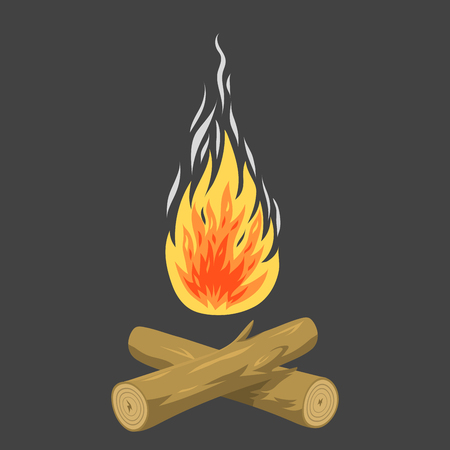
In the UK, wildfires and public safety are key concerns, so always check local regulations before striking a match. The traditional “criss-cross” or log cabin fire lay is a British favourite, as it creates a stable base and steady heat—ideal for grilling fish fillets or simmering a kettle. Clear a patch down to bare earth, ring it with stones if available, and keep a bucket of water or sand nearby for safety. Use dry kindling and seasoned wood; green branches will only smoke out your supper.
Classic British Campfire Methods
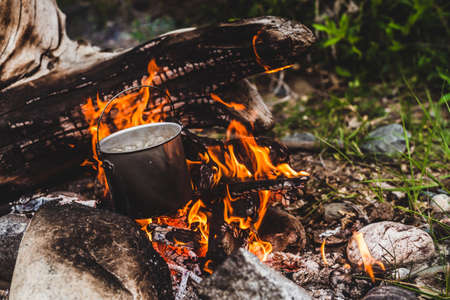
Once the fire is established, British campers often use a combination of direct flame and hot embers. For delicate fish, cooking over glowing coals ensures even heat without burning. Place your griddle or grill over the embers, or suspend a kettle from a tripod for traditional tea-making. Some prefer “ash baking”—wrapping fish in foil (or large dock leaves) and nestling it in the embers for gentle, smoky cooking. This method has roots in rural Britain and imparts a rustic flavour that’s hard to beat.
Respecting Nature and Tradition
British campfire cooking is as much about respect for the countryside as it is about good food. Always leave no trace: douse your fire thoroughly, scatter cold ashes, and pack out all rubbish. Investing in proper gear and following time-honoured methods ensures not only a delicious meal but also the preservation of these wild spaces for future generations of anglers and campers.
4. Classic British Campfire Fish Recipes
Nothing embodies the spirit of British outdoor adventure like cooking a freshly caught fish over an open flame. Drawing on traditional favourites, these campfire recipes are tailored for the banks of a misty river or the edge of a tranquil lake. Here are three quintessentially British methods—smoked trout in newspaper, foil-wrapped mackerel, and simply grilled perch—each adapted for easy campfire preparation and a true taste of the countryside.
Smoked Trout in Newspaper
This old-school method harks back to fishing trips in the Lake District or the Scottish Highlands. The newspaper protects the delicate flesh while infusing it with a subtle smokiness from the fire.
| Ingredient | Quantity |
|---|---|
| Fresh trout (cleaned) | 1 whole, approx. 300g |
| Sea salt | To taste |
| Lemon slices | 2-3 |
| Dill or parsley | Handful |
| Old newspaper sheets | 3-4 (dampened) |
Method:
- Stuff the trout with lemon slices and herbs, sprinkle with salt.
- Wrap in damp newspaper, then tie with string or secure with twigs.
- Bury in hot embers for about 20 minutes, turning once halfway through.
- Unwrap carefully—the skin will peel off easily, revealing moist, smoky fish inside.
Foil-Wrapped Mackerel
Mackerel is a seaside staple along the British coast. This method keeps things tidy and locks in flavour, perfect for a breezy evening by the sea or at a lakeside campsite.
| Ingredient | Quantity |
|---|---|
| Mackerel (gutted) | 1 per person |
| Lemon juice | A good squeeze per fish |
| Sliced onions or shallots | A few rings each |
| Butter or olive oil | A knob or drizzle |
| Aluminium foil sheets | 1 per fish |
Method:
- Liberally season inside and out with salt and lemon juice.
- Add onions and butter inside the cavity.
- Tightly wrap each fish in foil.
- Cook directly on hot coals for 12–15 minutes, flipping once.
- The flesh should flake easily when done—serve straight from the foil for minimal fuss.
Simple Grilled Perch
If you land a perch, this no-nonsense recipe delivers classic British flavour with just fire and fish. Its ideal for those who appreciate simplicity after a long day outdoors.
| Ingredient | Quantity |
|---|---|
| Perch fillets (skin on) | 2–4 pieces |
| Maldon sea salt & black pepper | A pinch each |
| Squeeze of lemon juice | To finish |
| Cooking oil (rapeseed preferred) | A brushful per fillet |
| Fresh herbs (optional) | A sprig or two, chopped finely |
Method:
- Lightly oil both sides of each fillet and season well.
- Place directly on a pre-heated grill rack set over embers (or use a portable grill).
- Cook 2–3 minutes per side until golden and crisp at the edges.
- Splash with lemon juice before serving; garnish with fresh herbs if available.
Campsite Cooking Tips:
- If youre using wood rather than charcoal, choose hardwoods like oak or beech for cleaner smoke and better flavour infusion.
- Dampening your wrapping material (like newspaper) prevents burning and helps steam the fish gently.
- Packing some reusable metal skewers or a folding grill rack makes open-fire cooking much easier for delicate fish fillets.
5. Side Dishes and British Condiments
No classic British campfire fish meal is complete without a selection of simple, hearty sides and a dollop of flavourful sauces. When you’ve just cooked your catch by the fire, the last thing you want is something fussy—so it’s best to stick with sides that are easy to prepare outdoors and truly complement freshly caught fish.
Easy Campfire Sides
New Potatoes: A staple on many British plates, new potatoes are perfect for the campfire. Simply wrap them in foil with a knob of butter and a sprinkle of sea salt, then nestle them into the coals until they’re tender. The result is creamy, earthy potatoes that pair beautifully with grilled or pan-fried fish.
Crusty Bread: Few things beat tearing into a chunk of crusty bread after a day’s fishing. Bring along a fresh loaf from your local bakery or bake your own soda bread over the fire. It’s ideal for mopping up those delicious juices left behind by your cooked catch.
Garden Peas: Garden peas are another traditional side—easy to pack, quick to cook. Boil them in a small pot over the fire or simply toss them in with your potatoes during the last few minutes of cooking. For extra flavour, stir through a bit of butter and chopped mint before serving.
Homemade Sauces and Condiments
The right sauce can elevate even the simplest fish dish. Here are two classic British options that are easy to whip up at camp:
Tartare Sauce
This creamy condiment is synonymous with British fish dishes. To make it outdoors, combine mayonnaise with finely chopped gherkins, capers, fresh parsley, and a squeeze of lemon juice. Give it a good stir—it’s perfect alongside crispy-skinned fish or even as a dip for those new potatoes.
Malt Vinegar & Brown Sauce
No list of British condiments would be complete without malt vinegar—drizzle it over grilled fish for a sharp tang—or brown sauce, which brings a sweet-spicy depth. Both travel well and need no refrigeration, making them ideal companions for outdoor adventures.
Final Tip
When planning sides and sauces for your campfire feast, keep it simple and focus on quality ingredients. A few thoughtfully chosen extras make all the difference—turning your freshly caught fish into an authentic taste of Britain, right there in the wild.
6. Staying Safe and Mindful Outdoors
As you enjoy the quintessential British experience of cooking your freshly caught fish over a campfire, it’s crucial to remain mindful of your surroundings and to uphold the highest standards of safety and respect for nature. The UK’s wild spaces are precious, and following best practices helps to preserve them for everyone.
Leave No Trace: A British Approach
Adhering to the ‘Leave No Trace’ principles is essential when camping and cooking outdoors in Britain. Always pack out everything you bring in—including food scraps, packaging, and fishing tackle. After your meal, thoroughly check your site for any litter or microplastics that could harm wildlife. Many British campsites and wild spots have strict rules on waste disposal; be sure to familiarise yourself with local guidance.
Campfire Safety First
If you’re using a campfire to cook your catch, choose designated fire pits or use a raised fire bowl whenever possible. Never light fires during periods of drought or where local regulations prohibit them—check with the landowner or local authority beforehand. Keep your fire small and manageable, always have water nearby for emergencies, and ensure the fire is completely extinguished before leaving the site. Scorched grass and scorched earth can take years to recover in some British habitats.
Respecting Wildlife and Fellow Campers
Britain’s countryside is home to diverse flora and fauna. Avoid disturbing nesting birds or trampling wildflowers while setting up your camp kitchen. Keep noise levels low, especially after dusk, as sound carries far in open rural areas. Store your food securely to deter curious animals like foxes or badgers, and never feed wildlife—doing so can disrupt natural behaviours and cause harm.
Cultural Courtesy
British outdoor culture places great value on courtesy towards others. Keep your cooking area tidy, share space considerately at popular locations, and greet fellow campers with a friendly nod or “Hello.” If fishing near others, give them ample room both on the bank and around communal facilities.
The Responsible Camper’s Checklist
- Take all litter home
- Only build fires where permitted
- Respect quiet hours and local customs
- Minimise impact on plants and wildlife
- Engage with locals respectfully if using public footpaths or common land
By practising these mindful habits, you help ensure that cooking your catch remains a sustainable pleasure—one that future generations will also be able to enjoy amidst Britain’s beautiful landscapes.
7. Gathering Around: The British Campfire Experience
There’s something quietly magical about gathering around a British campfire after a day spent fishing, preparing your catch, and cooking it over the glowing embers. This experience is about much more than just food; it’s a celebration of community and tradition deeply rooted in British outdoor culture. As you pass around the plates of freshly cooked trout or mackerel, you’ll often find that stories begin to flow—tales of legendary catches, childhood adventures by riversides, and the subtle art of outsmarting wily fish. The sharing of food and stories around a fire forges connections that go beyond words, creating a sense of belonging that ties you to both place and people.
British campfire gatherings are seldom hurried. There’s time to savour each bite, to listen as someone recounts the history of the land or the eccentricities of local folklore, and to feel the warmth—not just from the fire, but from the company itself. Whether you’re with lifelong friends or new acquaintances met on the riverbank, this tradition is inclusive and welcoming, reflecting the best of British hospitality.
Cooking your catch outdoors also reinforces a mindful connection to nature and to traditional skills that have been passed down through generations. Each meal becomes a small act of stewardship and respect for the land and waters that provide for us. In this way, the British campfire is more than a setting; it is a living tradition, carrying forward the rituals of sharing, storytelling, and simple gratitude for the day’s bounty. As dusk settles and the flames flicker, you’ll find that the real reward isn’t just the taste of your catch, but the memories created and the community built around the fire.