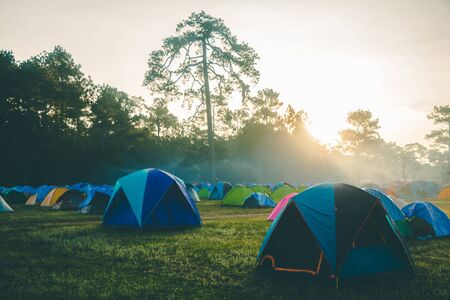
Overview of Camping in the Lake District
Nestled in the northwest corner of England, the Lake District is a magnet for campers seeking both adventure and tranquillity. Renowned for its sweeping fells, crystal-clear lakes, and charming villages, this UNESCO World Heritage site offers an enviable backdrop for pitching your tent or parking up your campervan. The region caters to every camping preference—whether you’re after a wild back-to-basics experience beneath the stars or the comfort of a well-equipped holiday park with all mod cons. With such variety on offer, selecting the right campsite is crucial to making your trip memorable for all the right reasons. From family-friendly sites with playgrounds and facilities to remote locations perfect for solitude seekers, understanding what’s available ensures your Lake District escape matches your style—be it rugged adventure or relaxing retreat.
2. Wild Camping vs. Organised Campsites
When considering a camping trip to the Lake District, one of the first decisions youll face is whether to embrace wild camping or opt for an organised campsite. Both options offer unique experiences and come with distinct regulations and expectations, particularly in the context of UK law and countryside etiquette.
Wild Camping: Freedom With Limits
Wild camping, by definition, means setting up your tent outside of designated campsites, typically in remote areas. In England and Wales, including the Lake District, wild camping is technically not permitted without landowner permission. However, it is often tolerated if campers are discreet, follow the Countryside Code, and leave no trace. The experience offers solitude, a sense of adventure, and direct contact with nature—but it comes with responsibilities and potential risks.
Key Points of Wild Camping
| Aspect | Description |
|---|---|
| Legal Status | Not officially permitted—requires landowner consent in most cases. |
| Facilities | No amenities; you must be self-sufficient (water, toilet, waste). |
| Experience | Secluded, peaceful, suitable for experienced campers seeking adventure. |
| Access Rights | Subject to local bylaws and the Countryside Code; some areas strictly off-limits. |
| Typical Locations | Remote fells, away from roads and settlements. |
Organised Campsites: Comfort and Community
Organised campsites are official sites offering pitches for tents and often additional facilities such as toilets, showers, electric hook-ups, and sometimes even on-site shops or cafés. These sites range from basic “back-to-nature” fields to fully equipped holiday parks. Booking in advance is usually required during peak season. Organised sites provide peace of mind regarding legality and comfort—a good fit for families or those new to camping in the Lake District.
Key Points of Organised Campsites
| Aspect | Description |
|---|---|
| Legal Status | Fully legal; no permissions required beyond booking your pitch. |
| Facilities | Amenities vary—may include toilets, showers, Wi-Fi, electric hook-ups. |
| Experience | Sociable atmosphere; more structured and secure than wild camping. |
| Access Rights | No access restrictions within site boundaries; follow site rules. |
| Typical Locations | Lakeside fields, farm sites, woodland clearings near villages or attractions. |
The Verdict: Which Suits Your Style?
Your choice between wild camping and organised campsites will depend on your comfort level with risk, need for facilities, and desire for solitude versus community. For those keen on exploring untouched corners of the Lakes with minimal impact, wild camping (done responsibly) may appeal most. If you prefer reliable comforts after a long day’s walk or are travelling with family, an organised site is likely your best bet. Whichever you choose, understanding the UK’s specific rules helps ensure both your enjoyment and the preservation of this treasured landscape.

3. Facilities and Amenities Comparison
One of the key factors that can make or break your Lake District camping experience is the range and quality of facilities on offer at each site. Whether you’re a seasoned wild camper or a family looking for convenience, it’s worth weighing up what different campsites provide before pitching your tent.
Basic Pitches: Back-to-Nature Simplicity
If you’re after a truly rustic escape, several Lake District campsites offer simple pitches with just the essentials—think grass underfoot, access to fresh water, and maybe a composting loo. These sites are perfect for purists who prefer minimal infrastructure and maximum immersion in nature. However, you’ll need to be self-sufficient, as showers and electric hook-ups are usually absent.
Showers and Toilets: Everyday Comforts
For those who like their home comforts, many campsites across Cumbria now feature hot showers and modern toilet blocks. After a long day trekking up Scafell Pike or rowing on Windermere, a warm shower can feel like a luxury. It’s worth checking if these facilities are included in your pitch price or come at an extra charge.
Electric Hook-Ups: Powering Up Your Stay
Electric hook-ups are increasingly available at larger or more developed Lake District campsites. These are invaluable if you’re bringing a campervan, want to keep devices charged, or use electric kettles and heaters. Be aware, though: pitches with power tend to book up quickly during peak school holidays.
On-Site Cafés and Shops: Local Flavours Close By
Some sites go the extra mile with on-site cafés serving locally sourced breakfasts, or small shops stocking essentials—from Kendal mint cake to fresh bread. This is especially handy if you fancy travelling light or want to support local producers without driving to the nearest village.
Family-Friendly Features: Making Life Easier for Parents
Travelling with children? Look out for family-focused amenities such as playgrounds, baby-changing facilities, laundry rooms, and even planned activities during half-term. These extras can transform camping from a logistical challenge into a relaxed holiday that everyone enjoys.
Summary: Finding the Right Fit for You
No two Lake District campsites are quite the same when it comes to facilities. Consider what matters most—be it peace and simplicity, creature comforts, or family convenience—and match your campsite accordingly. With such variety on offer, there’s something to suit every style of camping adventure in this stunning corner of the UK.
Best Campsites for Different Camping Styles
Choosing the right campsite in the Lake District depends largely on your camping style and preferences. Whether you’re heading out with family, seeking solitude as a solo camper, travelling with your dog, or yearning for a truly peaceful escape, there’s a perfect spot waiting for you. Below, we’ve rounded up some of the best campsites tailored to various needs to help you plan your ideal getaway.
Family-Friendly Campsites
If you’re camping with children, amenities and safety are key. Consider these options:
| Campsite | Location | Highlights |
|---|---|---|
| Park Cliffe Camping & Caravan Estate | Near Windermere | Playgrounds, family shower rooms, on-site shop and restaurant |
| Castlerigg Hall Caravan & Camping Park | Keswick | Stunning views, easy access to walks, dedicated family facilities |
Solo Adventurers
If you prefer travelling light and making your own path, certain sites offer a great balance of community and tranquillity:
| Campsite | Location | Highlights |
|---|---|---|
| Baysbrown Farm Campsite | Great Langdale Valley | No-frills pitches, close to major hiking routes, relaxed vibe |
| Sykeside Camping Park | Patterdale | Lakeshore location, pub on site, mountain access nearby |
Pet-Friendly Spots
Your four-legged friend deserves a holiday too! Here are top picks for dog-friendly camping:
| Campsite | Location | Highlights |
|---|---|---|
| The Quiet Site | Ullswater area | Pooch-friendly policies, walking trails from site, dog wash station available |
| Skelwith Fold Caravan Park | Ambleside area | Dog exercise field, woodland walks, pet-welcome packs at reception |
Seeking Peace and Quiet?
If you crave a real escape from the crowds and digital noise, these sites offer a more secluded experience:
| Campsite | Location | Highlights |
|---|---|---|
| Mosedale End Farm Campsite | Caldbeck Fells | No Wi-Fi or phone signal, small number of pitches, tranquil setting |
| Ewe Love Camping | Nr. Penrith | Tent-only meadow site, limited capacity, dark skies for stargazing |
A Quick Comparison Table of Recommended Campsites by Camping Style:
| Camping Style | Campsite Recommendation(s) |
|---|---|
| Family-Friendly | Park Cliffe Camping & Caravan Estate; Castlerigg Hall Caravan & Camping Park |
| Solo Adventurers | Baysbrown Farm Campsite; Sykeside Camping Park |
| Pet-Friendly | The Quiet Site; Skelwith Fold Caravan Park |
| Peace & Quiet Seekers | Mosedale End Farm Campsite; Ewe Love Camping |
Your Choice Matters Most!
No matter your style—be it fun-filled family trips, adventurous solo hikes, quality time with pets, or pure tranquillity—the Lake District offers an impressive range of campsites to suit every camper. Take the time to consider what matters most to you before booking; it can make all the difference to your Cumbrian adventure.
5. Access and Location Considerations
When choosing a campsite in the Lake District, location is far more than just a pretty view—it directly affects how you experience your stay. Campsites situated close to popular hiking trails, such as those around Ambleside or Keswick, offer easy access to some of the region’s most renowned walks. If tackling Scafell Pike or exploring the fells is high on your agenda, picking a site within walking distance saves time and lets you immerse yourself in nature from the moment you unzip your tent.
On the other hand, sites further afield, perhaps near quieter lakes like Ullswater or Ennerdale, might provide a more peaceful atmosphere but could require a drive to reach major attractions. These locations often appeal to those seeking solitude or looking to avoid the crowds that gather at busier trailheads.
Transport links are another key factor, especially for campers arriving without a car. Proximity to railway stations—such as Windermere or Penrith—or reliable bus routes can make accessing your chosen campsite much less stressful. For example, some sites are directly on local bus lines that connect you with towns, villages, and major walking routes throughout the national park.
Local amenities also come into play. Campsites near larger towns like Keswick or Ambleside mean easier access to shops, pubs, gear hire, and even medical facilities if needed. This can be invaluable for families or those planning longer stays who want the convenience of restocking supplies without venturing far from base camp.
Ultimately, your ideal campsite location depends on your camping style: whether you prioritise immediate access to trails, peace and quiet away from it all, or being close to creature comforts and transport options. Thinking carefully about these aspects ensures your Lake District adventure is both comfortable and memorable.
6. Local Culture and Etiquette
Understanding and respecting local customs is key to having a positive camping experience in the Lake District. The region is cherished not only for its breathtaking landscapes but also for its rich cultural heritage and welcoming communities. When comparing campsites, keep in mind that each location might have its own set of guidelines rooted in local tradition and British camping culture.
Campsite Etiquette in the UK
British campsites, especially those in popular destinations like the Lake District, value quiet enjoyment and respect for fellow campers. It’s customary to greet your neighbours with a friendly “hello” or “morning,” but also important to maintain privacy and avoid intruding on other pitches. Many sites enforce quiet hours, usually after 10pm, so keeping noise to a minimum is expected. Always follow campsite rules about campfires, barbecues, and waste disposal – these are often clearly displayed at reception or on notice boards.
Leave No Trace Principles
The Lake District National Park operates under ‘leave no trace’ principles to protect its delicate environment. This means taking all rubbish home or using designated bins, avoiding damage to vegetation, and not disturbing wildlife. Stick to established paths and pitches to prevent erosion. When wild camping (where allowed), pitch late, leave early, and never light fires directly on the ground.
Responsible Camping: Tips for Visitors
To camp responsibly in the Lake District: respect farm boundaries and livestock by closing gates behind you; use biodegradable soap if washing up outdoors; limit water usage; and never dump grey water into streams or lakes. Supporting local businesses—such as village shops or pubs—also helps sustain the region’s communities. By following these practices, you’ll contribute to preserving the Lake District’s natural beauty for generations to come while enjoying a more authentic British camping experience.