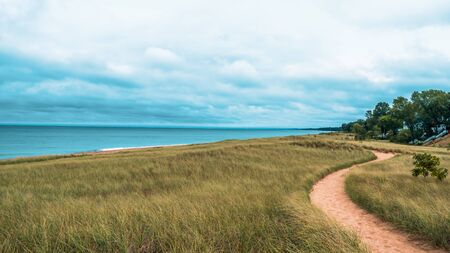
Introduction to Cornwalls Coastal Hiking Culture
Cornwall’s coastline is the stuff of legend, a wild and windswept edge where land meets sea in dramatic fashion. For generations, locals and visitors alike have embraced the Cornish tradition of coastal walking—a rite of passage that weaves together breathtaking scenery, time-honoured customs, and a spirit of rugged adventure. Setting out from a campsite here isn’t just about pitching your tent; it’s an invitation to step straight into a world where hidden beaches and secret coves await discovery. Walking these ancient paths, you’ll find yourself tracing the footsteps of fishermen, smugglers, and poets, each route revealing another chapter in Cornwall’s storied past. Whether you’re seeking solitude atop wind-battered cliffs or yearning for a secluded spot to dip your toes in Atlantic waters, Cornwall’s coastal walking culture offers an authentic escape from the everyday—right on your doorstep.
2. Essential Gear for the Cornish Coast
When it comes to exploring Cornwall’s rugged coastal walking routes from your campsite, you can’t afford to be underprepared. The Cornish weather is notorious for its unpredictability—one minute it’s blazing sunshine, the next you’re caught in a squall straight off the Atlantic. Here’s a practical rundown of the kit every seasoned local trusts, so you can tackle hidden beaches and secret coves with confidence.
Footwear: Built for All Terrain
You’ll want robust, waterproof walking boots with solid grip—the South West Coast Path is famed for its steep climbs, slippery descents, and muddy stretches after rain. Leave the trainers at home unless you fancy sliding down a bramble-choked path or twisting an ankle on wet shale.
Waterproofs: Layer Up Like a Local
A lightweight but fully waterproof jacket and over-trousers are non-negotiable. Look for breathable fabrics—Cornwall’s sea mists and winds mean you’ll sweat as much as you might soak. Pack a spare pair of socks in a dry bag; there’s nothing more miserable than damp feet halfway through a trek to a hidden cove.
Packing List: Cornish Coastal Must-Haves
| Item | Why You Need It |
|---|---|
| Walking Boots | Grip for rocky paths & muddy tracks |
| Waterproof Jacket | Essential against sudden downpours |
| Over-Trousers | Protection from sea spray & mud |
| Spare Socks (in dry bag) | Comfort after river crossings or rain |
| Wool Hat & Gloves | Mornings get chilly even in summer |
| Sun Cream & Sunglasses | Cornish sun can catch you off guard |
| Reusable Water Bottle | Hydration on long stretches between villages |
Navigational Tools: Ordnance Survey Mastery
No serious coastal walker goes out without an Ordnance Survey (OS) map—ideally Explorer OL104 or OL102, depending on your stretch of Cornwall. These maps show every footpath, stile and shortcut to that perfect secluded beach. Pair your paper map with a compass or use the OS Maps app on your phone, but don’t rely solely on tech—Cornish valleys are notorious for dead zones where signal vanishes just when you need it most.
The Local’s Navigation Kit
- OS Explorer Map (paper copy)
- Compass (Silva type preferred by British walkers)
- Fully charged mobile with OS Maps app downloaded offline
- Pencil for route marking and grid references
- Tide timetable printout – essential for safe cove exploration
Kitted out properly, you’ll not only survive but thrive along Cornwall’s ever-changing coastline—ready to uncover those secret spots only locals usually find.

3. Waymarked Trails and Off-the-Beaten-Path Suggestions
If you’re pitching up at a Cornish campsite and itching to lace your boots, the South West Coast Path is the backbone of coastal exploration. This legendary national trail is clearly waymarked with its iconic acorn signs, guiding ramblers along dramatic cliff tops, through flower-flecked meadows, and past weather-beaten fishing villages. Classic sections like St Ives to Zennor or Lizard Point to Kynance Cove are rightly popular for their staggering sea views and reliable underfoot conditions.
Following the South West Coast Path
For those new to Cornwall’s wild edges, sticking to these established stretches provides both safety and spectacle. Expect well-maintained paths, regular signposts, and the chance to dip into village pubs for a restorative pint or a Cornish pasty. These routes are tried-and-tested by generations of walkers, offering clear guidance even when the Atlantic mists roll in.
Insider Tips: Quiet Tracks Only Locals Know
But if you yearn for solitude and raw nature—away from the day-trippers and selfie spots—locals have a few cards up their sleeves. Tucked between the main arteries of the coast path lie forgotten smugglers’ tracks, overgrown livestock trails, and secret cut-throughs that duck beneath wind-stunted hawthorns or skirt bracken-filled valleys. Ask around at your campsite or local pub; Cornish folk are fiercely proud of their landscape but will often share a trusted route with those who show respect for the land.
Sample Off-the-Grid Walks
Consider starting early from Porthcurno to seek out Pedn Vounder beach—a tidal gem only accessible by scrambling down steep paths missed by most maps. Or strike inland from Treen Campsite to uncover wooded footpaths leading to Lamorna Cove, where seals sometimes bask on quiet mornings. Carry an OS map (Explorer 102 is gold dust) and keep your wits about you: these lesser-known ways can be muddy, unmarked, and occasionally blocked by brambles or gorse. That’s all part of the adventure—true Cornish walking means earning your view with grit, curiosity, and a dash of local knowledge.
4. Hidden Beaches: Where Locals Go for a Seaside Escape
While Cornwall’s headline bays draw the summer crowds, the real magic lies in its hidden beaches and secret coves—those tucked-away stretches of sand locals whisper about but rarely share on a map. These are places where you can rinse off city stress, breathe in salt air undisturbed, and feel like you’ve stumbled upon your own private coastline. From your campsite base, a keen eye and sturdy boots will serve you well as you seek out these hush-hush havens. Here’s what to know:
Secret Spots Only the Locals Know
| Cove Name | Nearest Campsite | Access Details | Why It’s Special |
|---|---|---|---|
| Nanjizal Cove | Treen Campsite | 1.5-mile cliff walk; no signposts, keep right at old stone stile | Natural rock arch, turquoise pools, often deserted even in peak season |
| Porthgwarra Beach | Porthcurno Camping Park | Steep path from village car park; beware slippery steps after rain | Sheltered cove with caves and a working fishing slip, popular with wild swimmers |
| Lantic Bay | Polruan Holidays Park | Challenging descent via National Trust path; moderate fitness required | White sands, dramatic headlands, rarely another soul before midday |
Respectful Exploration: Local Etiquette for Secret Shores
- Keep noise to a minimum—these aren’t party beaches.
- If you spot a fisherman or local forager, give them space; many depend on these spots for their livelihood.
- Take all rubbish home—even biodegradable items disrupt fragile ecosystems.
- Avoid lighting fires or BBQs; dry coastal grasses catch easily and open flames are frowned upon.
The Unwritten Rule: Leave No Trace
If you’re lucky enough to find one of these secret Cornish sanctuaries, remember: treat it like you’d want your own back garden treated. Share stories but not exact directions, tread lightly, and leave only footprints in the sand. That’s how these magical places remain wild for generations of hardy walkers to come.
5. Pub Stops and Proper Coastal Picnics
If you’re trekking the rugged Cornish coastline from your campsite, no journey is complete without a hearty stop at a traditional pub or a picnic with a view. The coast path is dotted with characterful watering holes like The Tinners Arms in Zennor—a classic Cornish pub pouring locally brewed ales since 1271—or The Ship Inn at Porthleven, where fishermen still trade tales over pints of Tribute. These pubs aren’t just for refuelling—they’re institutions, each with its own story and unbeatable atmosphere after a windswept walk.
Recommendations for Authentic Cornish Fare
No Cornish ramble is truly authentic without a pasty in hand. Seek out local bakeries such as Philps in Hayle or Ann’s Pasties on the Lizard Peninsula to grab a traditional steak pasty—hot, flaky, and perfect for the trail. For something sweeter, pack a cream tea: scones (always split, never cut), strawberry jam slathered first, then a generous dollop of clotted cream—done the Cornish way, of course. Many campsites and village shops offer fresh supplies if you plan ahead.
Prime Picnic Spots by the Water’s Edge
For those keen on wild dining, Cornwall’s coastline delivers spectacular picnic locations. Try Nanjizal Beach for peace and privacy; its dramatic archway and turquoise pools make it ideal for an undisturbed feast. If you prefer sweeping views and easy access, settle above Kynance Cove—just be wary of cliff edges in windy weather. For families or less experienced walkers, Gwithian Towans offers grassy dunes sheltered from sea breezes, with sandy stretches perfect for spreading out your spread.
Essential Tips for Coastal Feasts
Always check tide times before choosing your spot—there’s nothing worse than losing your boots to an incoming sea. Keep your kit simple but sturdy: reusable mugs for hot tea, a waterproof blanket, and a flask are essentials. Respect local wildlife and take all rubbish home; leave nothing but footprints on these pristine shores. With the right provisions and some proper planning, Cornwall’s coast becomes not just a route but a moveable feast steeped in local flavour and tradition.
6. Wildlife Watching and Responsible Walking
Spotting Cornwall’s Coastal Creatures
Cornwall’s coastline is a haven for diverse wildlife, making every walk an opportunity for discovery. As you wander from your campsite towards secluded beaches and secret coves, keep your eyes peeled for grey seals basking on rocky outcrops or bobbing in the surf. Early mornings and quiet evenings are prime times to spot these curious creatures without disturbing their natural routines. Above, look out for the flash of red-billed choughs—Cornwall’s iconic bird—soaring along cliff edges or probing for insects in windswept grasslands. You might also glimpse peregrine falcons hunting or pods of dolphins playing offshore, especially from headlands like Lizard Point or Godrevy.
Best Practice for Nature-Loving Adventurers
While it’s thrilling to observe Cornwall’s wild residents, responsible walking ensures these fragile habitats remain unspoiled. Always stick to marked coastal paths and established trails to avoid trampling delicate plants or disturbing ground-nesting birds. If you’re lucky enough to come across a seal colony, maintain a respectful distance—never approach pups or adults, as human presence can cause distress or abandonment. Use binoculars for close-up viewing instead of getting too near. Dog walkers should keep pets on leads near wildlife hotspots and farmland to protect both livestock and native species.
Leave No Trace
Carry out everything you bring in—rubbish, food scraps, even biodegradable items—to prevent harm to local fauna. Resist the urge to pick wildflowers or collect shells; these play vital roles in the coastal ecosystem. Where possible, support local conservation efforts by joining guided wildlife walks or donating to charities dedicated to preserving Cornwall’s unique environment.
Respecting Community and Heritage
Remember that many coastal routes pass through working farmland and sensitive archaeological sites. Respect signage, close gates behind you, and tread lightly around ancient landmarks to help safeguard Cornwall’s rich natural and cultural heritage for future generations.
7. Returning to Camp: Fireside Reflections and Local Lore
After a day spent tracing the jagged coastline from one windswept cove to another, nothing matches the satisfaction of returning to your Cornwall campsite. Here, as dusk settles and the tang of salt lingers in your lungs, you gather around the fire—if regulations permit—with fellow adventurers, swapping tales beneath a sky that seems impossibly wide.
The Ritual of Winding Down
There’s an art to unwinding by the campfire after braving Cornwall’s rugged footpaths. In true British fashion, it begins with a hot cuppa or a flask of local cider, steam rising as you ease off boots still dusted with sand. The crackle of kindling signals it’s time to trade stories: perhaps recounting how you stumbled upon a deserted inlet near Porthcurno, or comparing blisters earned scrambling down to a secret cove off the beaten track.
Fireside Safety: Respecting Local Rules
Cornwall’s campsites are fiercely protective of their wild beauty. Most operate strict fire safety policies—open flames are often only allowed in designated pits or raised braziers. Always check site-specific guidelines before striking a match; keep water or sand handy for emergencies, and never leave embers unattended. Respect for these rules isn’t just about preservation—it’s what keeps the land wild for future wanderers.
Weaving Cornish Lore into Your Evenings
No fireside gathering is complete without a dash of local legend. Cornwall is rich with tales: smugglers’ ghosts haunting forgotten coves, mermaids glimpsed at twilight, and giants who once strode across the headlands. Ask your hosts for their favourite yarns or listen closely—there’s often a camper eager to share a story passed down through generations. These moments bind strangers together over shared awe for this ancient coast.
As embers glow low and conversation drifts, you’ll find that camaraderie here is as essential as sturdy boots or a well-packed rucksack. It’s these fireside connections—rooted in the landscape and its legends—that transform a coastal walk from mere exercise into an enduring adventure along Cornwall’s storied edge.