Introduction: Why Ethical Clothing Matters When Camping in Britain
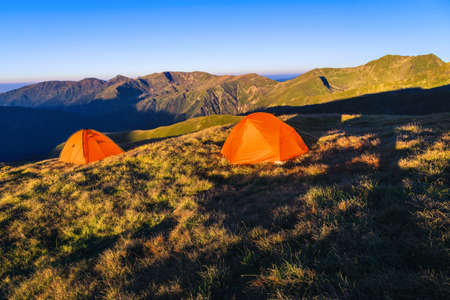
When setting out for a camping adventure in the British countryside, what you wear is more than just a matter of comfort or style—it’s about making choices that reflect your respect for the environment and local communities. The British landscape, with its rolling hills, ancient woodlands, and protected national parks, holds a special place in the nation’s heart. As outdoor enthusiasts, we have a responsibility to help preserve this natural beauty for future generations. That’s where ethical and sustainable clothing comes into play. Choosing eco-friendly outdoor apparel isn’t just a trend; it’s about aligning with core British values of stewardship, fair play, and community spirit. By selecting garments made from responsibly sourced materials and supporting brands that uphold ethical manufacturing practices, campers can tread lightly on the land and set an example for others. Responsible camping in Britain means leaving no trace—not only in how we treat our campsites but also in the choices we make before we even arrive. Sustainable clothing supports local economies, reduces environmental impact, and helps maintain the unique charm of Britain’s great outdoors.
2. Choosing Fabrics Fit for the UK Climate
When it comes to camping responsibly in Britain, your clothing choices make a real difference—not only to your own comfort, but also to the environment. The UK’s famously unpredictable weather means you need garments that perform well in rain, wind, and those occasional bursts of sunshine. Selecting ethical fabrics is about balancing practicality with sustainability, so let’s break down two of the most popular options for outdoor wear: wool and recycled synthetics.
The Case for Wool
British campers have relied on wool for generations—and for good reason. Locally sourced wool is naturally insulating, breathable, and even resists odours after long days on the trail. Plus, it’s biodegradable and renewable when farmed ethically. However, not all wool is created equal; look for certifications like Responsible Wool Standard (RWS) to ensure animal welfare.
Wool: Pros & Cons
| Pros | Cons |
|---|---|
| Excellent temperature regulation | Can be pricey |
| Biodegradable and renewable | Slow to dry when soaked |
| Resists odour naturally | Some people find it itchy |
The Rise of Recycled Synthetics
Recycled polyester and nylon are gaining traction with eco-conscious British adventurers. Made from post-consumer plastics like bottles or fishing nets, these fabrics reduce landfill waste and demand for virgin oil-based materials. They’re lightweight, quick-drying, and often more affordable than premium wools. However, microfibre shedding during washing can pollute waterways—so consider using a washing bag designed to catch microplastics.
Recycled Synthetics: Pros & Cons
| Pros | Cons |
|---|---|
| Quick-drying and lightweight | Shed microfibres into water systems |
| Affordable and durable | Not biodegradable |
| Lowers plastic waste in landfills | May trap odours more easily than wool |
Sustainability Meets Comfort: Making Your Choice
If you’re planning a ramble across Dartmoor or setting up camp in the Lake District, layering is key. A mix of both materials often works best: start with a recycled synthetic base layer for moisture management, then add a responsibly sourced wool mid-layer for warmth. This way, you stay comfortable whatever the skies throw at you—while making choices that are better for the British countryside.

3. Spotlight on British Ethical Outdoor Brands
Britain has cultivated a thriving community of ethical outdoor apparel brands that embody responsible camping values, blending sustainability with practical performance. These homegrown labels are setting the standard for eco-conscious adventure, with a strong emphasis on fair labour practices, local production, and innovative use of planet-friendly materials. Let’s take a closer look at some standout British names making a positive impact on both the countryside and the communities behind each garment.
Rab: Local Craftsmanship Meets Recycled Innovation
Founded in Sheffield, Rab is synonymous with durable, high-performance kit designed for Britain’s unpredictable weather. Over recent years, Rab has prioritised recycled fabrics in their insulated jackets and sleeping bags, whilst maintaining a transparent supply chain. Their commitment to reducing environmental impact extends to repairing old gear at their UK service centre, promoting a ‘buy less, buy better’ ethos.
Finisterre: Cornwall-Born and Ocean-Friendly
Based on the rugged Cornish coast, Finisterre’s mission is deeply rooted in protecting the environment. From pioneering recycled polyester fleeces to utilising traceable British wool, Finisterre champions low-impact materials and ethical manufacturing. They also support British jobs by working closely with local mills and craftspeople—perfect for campers keen on keeping their carbon footprint down.
Paramo: Ethical Production and Fair Wages
Paramo stands out for its partnership with the Miquelina Foundation in Colombia, which empowers vulnerable women through fair employment. Their garments are PFC-free and designed for longevity, making them a responsible choice for those who want kit that truly lasts. Paramo’s approach means you get weatherproof clothing that feels good—inside and out.
Alpkit: B Corp Certified Adventure Gear
Alpkit offers affordable outdoor essentials while holding B Corp certification—a testament to their social and environmental standards. Their range includes waterproofs made from recycled fabrics and an active repair and reuse programme. Alpkit’s focus on UK-based design and manufacturing supports the local economy and ensures traceability every step of the way.
Why Support Local Ethical Brands?
Choosing British ethical outdoor brands isn’t just about style or performance—it’s about making camping more sustainable for generations to come. With each purchase, you’re backing fair wages, reducing shipping emissions, and encouraging responsible material choices. Next time you pack your rucksack for a weekend away, look for those homegrown labels making a real difference.
4. Caring for Your Kit: Washing, Repair, and Longevity
If you’ve invested in ethical outdoor apparel, it only makes sense to look after it properly. Not only does this save money in the long run, but it’s a crucial part of responsible camping here in Britain, where unpredictable weather can really test your kit. Here are some practical tips and tricks for maximising the lifespan of your clothing while keeping your environmental impact low.
Washing Wisely
Outdoor gear often comes with specific washing instructions to preserve its waterproofing or insulation properties. Always check the care label before chucking anything in the wash. Use eco-friendly detergents and avoid fabric softeners, as they can break down technical fabrics. If you’re out wild camping in Scotland or the Lake District, use a biodegradable soap and rinse well away from water sources to protect local ecosystems.
| Item | Washing Advice | Frequency |
|---|---|---|
| Waterproof Jackets | Use technical wash; re-proof occasionally | After heavy use or when water stops beading |
| Merino Wool Layers | Cool wash; gentle spin; air dry | Every few wears (odour-resistant) |
| Synthetic Base Layers | Mild detergent; no fabric softener; air dry | After each trip or sweaty activity |
Repair Rather Than Replace
A small tear or broken zip doesn’t mean your jacket’s days are over. Many British outdoor brands offer repair services—Patagonia’s Worn Wear and Alpkit’s Continuum Project are worth checking out. For quick fixes on the go, carry a basic sewing kit and some Tenacious Tape. There are even community “Repair Cafés” popping up across the UK where you can learn to patch up your own kit with a cuppa on hand.
Handy Repair Tips:
- Duct tape: Ideal for temporary fixes on waterproofs.
- Patching kits: Especially useful for down jackets and sleeping bags.
- Shoe glue: Prolongs the life of boots and trainers battered by British bogs.
The Joy of Second-Hand Finds
The UK is blessed with charity shops and online marketplaces like eBay, Vinted, and Facebook Marketplace where you can snag quality outdoor gear at a fraction of retail price. Buying second-hand reduces demand for new resources and keeps usable kit out of landfill—a win-win! Look out for specialist outlets such as Rohan’s Gift Your Gear programme or Outdoor Gear Exchange in Keswick.
Responsible Disposal in Britain
If your kit truly is beyond repair, don’t just bin it. Many councils offer textile recycling points—check Recycle Now for locations near you. Some brands run take-back schemes where old garments are repurposed into new products or responsibly recycled. Even worn-out boots might find new life through art projects or upcycling initiatives, so ask around locally before sending anything to landfill.
5. Navigating Ethical Choices on a Typical British Campsite
Camping in the UK is a cherished tradition, but making ethical clothing decisions on site can be surprisingly complex. Let’s walk through some real-life scenarios you might encounter on a classic British campsite, with practical decision-making tips for keeping your impact minimal and your conscience clear.
Facing the Packing Dilemma: What Goes Into Your Kit?
You’re prepping for a long weekend in the Lake District. Do you reach for that old fast-fashion fleece or invest in a new, ethically-sourced merino jumper? The answer lies in durability and provenance. Opt for clothing made from recycled or natural fibres, produced by companies with transparent supply chains and fair working conditions. If budget is tight, consider second-hand outdoor gear—charity shops and online swap groups across the UK are treasure troves for quality kit without the environmental guilt.
The Microplastics Challenge: Synthetic vs Natural Fabrics
It’s drizzling (naturally), and your synthetic waterproof jacket seems essential. However, every wash sheds microplastics into waterways. To reduce harm, use a Guppyfriend bag when washing synthetics, or opt for natural alternatives like waxed cotton jackets—British brands often excel in these traditional materials. If synthetic is unavoidable, make it last: repair tears with patches rather than replacing the whole garment.
Common Campsite Scenarios & Solutions
- Spills and Stains: Instead of harsh chemical cleaners, spot-treat with eco-friendly soap or biodegradable wipes.
- Drying Wet Gear: Air-dry clothing on designated lines or rocks—never hang items from trees to avoid damaging delicate bark.
- Disposing of Worn-out Clothing: Don’t bin it! Many outdoor shops in the UK run recycling schemes for old gear; check with your local store before your trip.
Upholding Leave No Trace Principles Through Clothing Choices
Your outfit isn’t just about comfort—it’s a statement of intent. Choose muted tones to blend into the landscape, reducing visual pollution and wildlife disturbance. Avoid glittery or plastic-based accessories, which can shed microplastics and harm habitats. Pack light to minimise transport emissions, and always take every item home with you—even those odd socks and broken toggles.
Key Takeaway
On any British campsite, every choice counts. By consciously selecting ethical outdoor apparel and caring for it properly, you help preserve the wild beauty of Britain for future generations—one thoughtfully-packed rucksack at a time.
6. Resources and Further Reading for Conscious Campers
For those keen to make informed choices about ethical outdoor apparel and responsible camping in Britain, there’s a wealth of resources and communities ready to support your journey. Here’s a curated selection of trusted organisations, reading materials, and local groups to help you deepen your knowledge and connect with like-minded adventurers.
Leading Organisations and Certifications
Ethical Consumer
Ethical Consumer is an independent, UK-based magazine offering detailed guides on sustainable brands, including outdoor clothing. Their ratings help you compare companies based on environmental impact, workers’ rights, and animal welfare.
Fair Wear Foundation
Several UK outdoor brands partner with the Fair Wear Foundation to improve labour conditions in the garment industry. Look for their label when shopping for camping apparel.
The Soil Association
If you’re seeking organic cotton or eco-friendly materials, the Soil Association certifies textiles to rigorous environmental standards, giving you peace of mind about your clothing choices.
Educational Resources
Leave No Trace UK
This community-driven initiative offers practical advice on reducing your environmental footprint while camping in the British countryside. Their website provides downloadable guides and real-world tips for sustainable adventures.
Outdoor Gear Exchange & Repair Initiatives
Groups such as the Repair Café Network UK and Patagonia’s Worn Wear events encourage gear repair and reuse. These events foster a culture of sustainability, helping extend the life of your outdoor clothing and equipment.
Community Groups and Networks
The Ramblers
Britain’s largest walking charity connects campers and walkers who care about nature and ethical practices. Their local groups often organise eco-focused walks and clean-up events.
The BMC Green Campaign
The British Mountaineering Council’s “Green” campaign is packed with resources on how to enjoy Britain’s wild spaces responsibly. They frequently collaborate with brands committed to sustainable practices.
Further Reading
– “How to Camp Responsibly in the UK” by The Camping and Caravanning Club
– “The Sustainable Outdoor Gear Guide” by Ethical Consumer
– “Wild Camping in Britain: A Practical Guide” by Stephen Neale
Whether you’re just starting out or looking to level up your conscious camping game, tapping into these resources will help you make choices that protect the landscapes we all love. Staying informed, connecting with others, and supporting ethical brands are key steps towards a truly responsible outdoor experience in Britain.