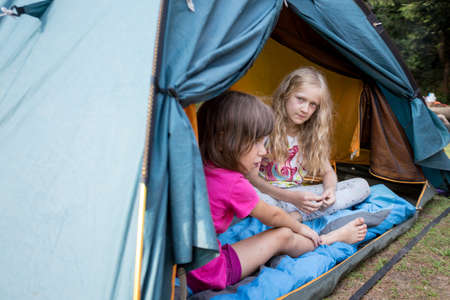
Planning the Perfect Family Camping Trip
If you’re gearing up for a family camping trip in the UK, getting your planning right is absolutely crucial. British weather can be fickle, and not all campsites are created equal—especially when children are involved. Here’s how to set yourself up for a smooth, stress-free adventure.
Choosing Family-Friendly Campsites
Start by searching for campsites that explicitly cater to families. Look for sites with level ground for pitching tents, proper toilet and shower facilities, safe play areas, and on-site shops or cafés. Websites like Cool Camping and The Camping and Caravanning Club are excellent resources for honest reviews and recommendations. Opt for locations within reasonable driving distance to avoid long journeys with restless kids, and consider sites near woodland walks, lakes, or beaches to give little explorers plenty of safe space to burn off energy.
Checking the Local Weather
The UK climate is notoriously unpredictable—a gloriously sunny morning can turn into a downpour by lunch. Before setting out, use reliable sources such as the Met Office app to monitor local forecasts in real time. Pack accordingly: wellies, waterproofs, layered clothing, and extra blankets should always be on your kit list. Prepare for every season in a single weekend; it’s the British way.
Building a Reliable Itinerary
While spontaneity has its charms, a solid plan goes a long way when camping with kids. Sketch out a daily itinerary that balances structured activities (like guided nature trails or canoeing) with plenty of free time for unstructured play. Factor in regular meal times and rest breaks to keep everyone’s spirits high. Always have a backup plan for wet weather—local museums, indoor activity centres, or even board games in the tent can save the day when the heavens open.
Hard-Earned Survival Tip
Never underestimate the value of a fully charged power bank and laminated maps—mobile signal can vanish in remote corners of the countryside. Old-school navigation skills could make all the difference if tech lets you down in the wilds of Britain.
2. Essential Gear for a Hassle-Free Experience
When camping with kids in the UK, being prepared is non-negotiable. Our unpredictable weather, mixed terrain, and unique wildlife demand kit that’s robust, reliable, and ready for anything. Below are key recommendations to keep your family adventure stress-free, safe, and comfortable—whatever the British outdoors throws at you.
Robust Tents Built for British Weather
Invest in a tent that laughs in the face of wind and rain. Look for high hydrostatic head ratings (3000mm+), sturdy poles, and reliable guy lines. Blackout bedrooms can be a game-changer for getting little ones to sleep when the sun sets late in summer. Don’t forget a decent-sized porch area for muddy boots and wet kit.
Stay Dry: Waterproofs & Wellies
The classic British drizzle is never far away. Pack full waterproofs for every family member—think jacket and trousers rather than ponchos. Children’s wellies are essential: they’ll splash through puddles while keeping feet dry and spirits high. Adults should opt for waterproof walking boots or sturdy wellies too.
Must-Have Camping Tools & Safety Kit
| Item | Why It Matters |
|---|---|
| Headtorch & Spare Batteries | Keeps hands free at night—vital for toilet trips and story time |
| First Aid Kit (UK-specific) | Treats minor scrapes, insect bites, and nettle stings quickly |
| Portable Power Bank | Keeps mobiles charged for navigation and emergencies |
| Multi-tool or Penknife | Versatile for camp chores (adults only!) |
| Camping Stove & Gas Canisters | Cooks hot meals regardless of rain or fire bans |
Comfort & Entertainment Essentials
- Insulated sleeping mats and bags rated for UK nights—even in summer it gets chilly after dark
- Pillows from home to help kids settle in strange surroundings
- Favourite soft toys or books to create a familiar bedtime routine
Pro Tip: Keep a ‘grab bag’ packed with snacks, plasters, wipes, and spare socks—ready whenever adventure calls or mishaps occur.
With the right gear dialled in for the British climate, you’re set to focus on fun instead of firefighting problems. The wild UK countryside becomes your family’s playground—not an ordeal to endure.
3. Keeping Kids Engaged and Entertained
One of the toughest challenges for any family camping trip in the UK is keeping youngsters off their screens and fully immersed in the outdoors. Fortunately, the British countryside is a playground ripe with classic activities that will keep even the most restless kids busy from dawn till dusk. Start by introducing them to pond dipping: armed with a net and a bucket, children can discover tadpoles, water beetles, and sticklebacks lurking beneath the surface—an exercise in patience, curiosity, and a bit of muddy fun.
Embracing Nature Walks
Set out on a proper British nature walk, whether you’re rambling across the Lake District or tramping through a Cornish woodland. Encourage your kids to spot local wildlife, identify native trees, or collect interesting leaves and stones along the way. These walks not only get everyone moving but also foster an appreciation for the unique landscapes Britain has to offer.
The Art of Den Building
No childhood is complete without building a den in the woods. Gather fallen branches, bracken, and leaves to construct a sturdy hideaway—a perfect base for make-believe adventures or simply a quiet retreat from camp life. This activity hones problem-solving skills and teamwork, all while connecting children with nature in a hands-on way.
Campfire Games for All Ages
As dusk falls, there’s nothing more quintessentially British than gathering round the campfire for traditional games. Try classics like “20 Questions,” “I Spy,” or even ghost stories (if everyone’s feeling brave). If you’re feeling ambitious, teach them songs or simple rounds like “A Sailor Went to Sea.” These moments around the fire are where lifelong memories are forged—no gadgets required.
By weaving these classic British outdoor activities into your camping routine, you’ll ensure your young adventurers are engaged, happy, and far too busy enjoying themselves to miss their screens. The secret is variety and enthusiasm: mix up activities throughout your trip and get stuck in yourself—after all, there’s no age limit on pond dipping or den building!
4. Food Prep and Mealtimes in the Wild
Feeding hungry kids outdoors can be a challenge—especially when you’re contending with unpredictable British weather and picky eaters. But with some clever prep and classic UK-inspired recipes, you can keep everyone fuelled and happy, rain or shine.
Hearty British Campfire Recipes
There’s nothing like a comforting meal after a day of wild adventures. Keep it simple but satisfying with these easy favourites:
| Recipe | Main Ingredients | Cooking Method |
|---|---|---|
| Sausage & Bean Stew | Cumberland sausages, baked beans, onions, carrots | One-pot over campfire or portable stove |
| Cheesy Jacket Potatoes | Baking potatoes, mature cheddar, butter, chives | Wrapped in foil, buried in embers or on a grill |
| Packed-Up Ploughman’s | Mature cheddar, crusty bread, apples, pickles | No-cook; assemble on site for fuss-free picnics |
| Porridge with Berries | Porridge oats, milk/water, seasonal berries, honey | Simmer on camping stove; serve warm for breakfast |
Tips for Fussy Eaters in the Great Outdoors
- Get the kids involved: Let them help select ingredients and build their own wraps or sandwiches—it gives them ownership and encourages adventurous tastes.
- Stick to familiar flavours: Even outdoors, children appreciate the comfort of food they know—think beans on toast or cheese toasties cooked over the fire.
- Pack plenty of snacks: Oatcakes, dried fruit, mini pork pies, and sliced cucumbers are all quick wins for peckish little explorers.
- Keep portions small: It’s easier to offer seconds than deal with wasted food (or an upset stomach).
Safe Alfresco Cooking—Whatever the Weather
- Shelter up: Use a tarp or windbreak to shield your cooking spot from drizzle and gusts—just remember to keep well-ventilated if using a gas stove.
- Fire safety first: Always use established fire pits or raised grills. Teach children to respect hot surfaces and never leave flames unattended.
- Stay clean: Bring anti-bacterial wipes, washing-up liquid and a collapsible bowl to keep hands and utensils hygienic—even in muddy conditions.
- Packing essentials: Invest in sturdy reusable plates and cutlery (no single-use plastics), an insulated flask for hot drinks, and sealable tubs for leftovers.
- Damp-proof your supplies: Store dry goods in sealed bags or containers; keep perishables cool in an icebox. A soggy loaf of bread is nobody’s idea of fun!
The Hard Truth: Embrace Imperfection
No meal will be perfect when you’re battling the elements. But that’s half the adventure—sharing charred marshmallows under a leaky gazebo is how memories are made. Plan ahead, stay flexible, and savour every bite—even if it comes with a side of drizzle.
5. Staying Safe and Navigating Emergencies
Essential First Aid Know-How
No matter how well you plan, minor mishaps are par for the course on any camping trip with children. Equip yourself with a robust first aid kit – think plasters, antiseptic wipes, tweezers, insect bite cream, and a decent supply of pain relief suitable for all ages. Brush up on basic first aid skills before heading out; knowing how to treat cuts, sprains or minor burns can make all the difference when you’re miles from the nearest pharmacy. Consider taking a short family-friendly first aid course – the British Red Cross and St John Ambulance offer excellent options across the UK.
Wildlife Awareness
Britain’s great outdoors is home to foxes, badgers, adders and even the odd inquisitive squirrel. Teach your kids not to approach or feed wild animals and always store food securely at night to deter unwanted visitors. Familiarise yourselves with local flora too; stinging nettles, brambles and even some mushrooms can cause more trouble than they’re worth. Make it a fun learning exercise – arm your young explorers with a pocket guidebook and turn spotting wildlife into a family adventure, but always keep a respectful distance.
What To Do If Things Go Pear-Shaped
Lost or Stranded
If someone wanders off or you find yourselves disoriented, stay calm. Teach children from the outset to remain where they are if lost and make themselves visible. Carry whistles for each family member – three sharp blasts is the UK distress signal. Download the ‘what3words’ app before you go; it’s widely used by British emergency services to pinpoint locations.
Handling Adverse Weather
The British weather is notorious for its unpredictability. If storms roll in, head for shelter immediately – avoid open fields and tall trees. Make sure tents are pegged down firmly and check campsite flood risks during heavy rain.
When To Call For Help
If there’s a genuine emergency, don’t hesitate: dial 999 or 112. Know your location (using grid references or what3words), stay put unless directed otherwise, and give clear information about your situation.
With solid preparation and level heads, you can tackle most bumps in the road and turn potential crises into stories of resilience that your family will remember long after the tent is packed away.
6. Respecting Nature and Campsite Etiquette
Understanding the Countryside Code
Camping in the UK’s breathtaking countryside is a privilege, not a right. It’s crucial to introduce your children to the Countryside Code—a set of guidelines designed to help everyone enjoy rural spaces while protecting them for future generations. Teach your kids to stay on marked footpaths, close gates behind them, and never disturb wildlife or livestock. Instruct them to always be aware of their surroundings and respect local landowners’ signs and requests.
Rubbish Disposal: Leave No Trace
One of the golden rules of British camping is “leave no trace.” This means all rubbish, from food wrappers to leftover food and packaging, must be packed up and taken home or disposed of in designated bins. Never leave litter at your pitch—British weather can scatter waste far and wide, harming wildlife and spoiling the landscape for others. Get children involved by making rubbish collection a fun part of breaking camp; arm them with bin bags and challenge them to leave the site cleaner than they found it.
Wild Places Demand Extra Care
If you’re wild camping, extra vigilance is needed. Avoid picking plants or damaging trees for firewood—use only what you’ve brought with you or buy sustainable supplies locally. Fires are rarely permitted outside official fire pits, so teach your kids about the risks and respect local regulations. Encourage them to observe animals from a distance without feeding or chasing them.
Pass On Responsible Habits
The UK’s great outdoors thrives because campers take responsibility for their actions. By teaching your children about campsite etiquette and environmental respect now, you equip them with habits that will last a lifetime. Model good behaviour—quiet enjoyment after dark, respectful interaction with fellow campers, and thoughtful use of shared facilities—and your family’s camping adventures will be welcomed wherever you go.