Introduction to Campervanning in the South West
When it comes to embracing the rugged beauty of Britain, nothing quite captures the spirit like campervanning across the South West. Devon, Dorset, and Somerset have long been magnets for those seeking adventure, solitude, and a taste of classic British van life. Here, rolling moors meet craggy coastlines, ancient woodlands border historic villages, and every winding lane seems to promise a new discovery. The appeal is simple: freedom on four wheels, with the flexibility to chase the weather or settle into a hidden cove at your own pace. Whether you’re after windswept clifftops along the Jurassic Coast, tranquil riversides in Exmoor’s shadow, or traditional cream teas in sleepy market towns, these counties offer the quintessential landscape for a proper British road trip. Campervanning isn’t just a holiday—it’s a way of life that gets you closer to nature and further from the crowds. In this region, you’ll find not only some of the UK’s best sites but also a welcoming community of fellow travellers who understand that sometimes the journey is just as important as the destination.
Essential Pre-Trip Preparation and Kit
Before you set off campervanning across Devon, Dorset, and Somerset, a solid pre-trip prep is non-negotiable. The British South West is stunning but unforgiving if you’re caught off guard by local quirks or the infamous UK weather. Here’s your hard-nosed checklist to get you road-ready.
Legal Requirements: Don’t Get Caught Out
- Valid Driving Licence: Ensure yours covers the weight and class of your campervan.
- MOT & Insurance: Up-to-date MOT certificate and comprehensive insurance are mandatory – no exceptions.
- Breakdown Cover: The South West’s winding B-roads can be brutal on older vehicles. Breakdown cover is essential, not optional.
- Vehicle Tax: Make sure your tax disc (if applicable) is sorted before hitting the tarmac.
Weather-Proofing Your Kit
The British climate doesn’t care about your plans. You need gear that stands up to rain, wind, mud, and the odd heatwave in July.
| Kit Item | Why You Need It |
|---|---|
| Waterproofs (Jacket & Trousers) | For sudden downpours – standard fare in Dartmoor and Exmoor |
| Midge Repellent | Nuisance insects are common near rivers and coastlines, especially in Dorset |
| Thermal Layers | Nights can drop below 10°C even in June – don’t risk hypothermia |
| Sturdy Walking Boots | Muddy footpaths are everywhere; trainers won’t cut it |
| Portable Fan/Heater (12V) | Tackle both unseasonal cold snaps and unexpected heatwaves |
| First Aid Kit (Comprehensive) | No-nonsense kit with plasters, antiseptic, tick remover, and painkillers |
| Peg Mallet & Heavy-Duty Pegs | The ground in Devon can be rock-hard; don’t rely on standard stakes |
Local Driving Rules & Road Smarts
- Single Track Lanes: Pull into passing places when you see oncoming traffic – and always give way to uphill drivers.
- No Wild Camping Signs: Respect these – wild camping is not tolerated in many areas, especially coastal sites.
- Avoid Rush Hour: Towns like Exeter and Dorchester gridlock fast from 8-9am and 4-6pm. Plan accordingly.
- Avoid Sat Nav Shortcuts: Many ‘shortcuts’ lead to impassable lanes for larger campervans. Stick to A roads unless you know the area well.
Your Must-Have Survival Kit Checklist
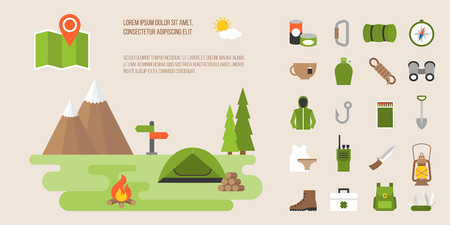
- Laminated OS Maps (mobile signal can vanish without warning)
- Campsite Hook-up Cable + UK Adaptor (for those hidden gems with limited power points)
- Packing Cubes or Dry Bags (keep kit dry in driving rain)
- Brew Kit: Kettle, Yorkshire Tea bags – it’s not Britain without a proper cuppa after a wet hike!
- Spares: Fuses, bulbs, torch with batteries – garages aren’t always nearby in rural Somerset.
- Bungee cords & tarpaulin (instant shelter or emergency repairs if kit fails mid-storm)
No Room for Error: Double Check Before You Leave
This isn’t just a holiday – it’s an exercise in self-reliance. Tick every box before you roll out. The South West rewards preparation and punishes complacency. With this checklist locked down, you’ll be ready for whatever the British elements throw at you as you explore Devon, Dorset, and Somerset by campervan.
3. Top Campervan Sites in Devon
Coastal Gems: Where the Sea Meets the Moor
Devon’s coastline is legendary, and setting up camp by the sea is an experience every hard-nosed campervanner should try at least once. Slapton Sands Camping and Caravanning Club Site is a standout, positioned mere steps from shingle beaches and the South West Coast Path. The site offers hardstanding pitches, clean shower blocks, electric hook-ups, and even a small shop for supplies—no need to rough it more than necessary. For those who prefer surfing or rock pooling, Croyde Bay Campsite offers easy access to world-class waves and sandy shores. Early booking is essential during summer hols, as pitches get snapped up fast by families and surf enthusiasts alike.
Countryside Hideaways: Escape the Crowds
If you’re after proper peace and quiet, head inland to discover Devon’s rolling hills and wooded valleys. Dartmoor National Park hosts several excellent sites like Runnage Farm Campsite, where basic facilities are balanced by epic stargazing and wild ponies grazing nearby. Don’t expect luxury—think compost loos and cold-water taps—but that’s part of the charm for true survivalists. For something with a touch more comfort, Harford Bridge Park near Tavistock boasts heated amenities blocks, laundry facilities, and riverside pitches perfect for fishing or a post-hike brew.
Practical Insights: Facilities & Tips for Booking
- Facilities: Most top sites offer electric hook-ups, fresh water points, grey waste disposal, and Wi-Fi (though it can be patchy out in the sticks). Always check if awnings are allowed—some sites are strict due to space or ground conditions.
- Booking: Peak season (July-August) sees sites fill up quickly. Reserve well in advance online or ring direct for last-minute availability—locals often know about cancellations before big websites do.
- Nearby Attractions: Devon is packed with things to do: hike Dartmoor’s tors, visit National Trust gardens like Killerton House, or take a pint at a centuries-old pub in Totnes. Some campsites organise their own guided walks or local food nights—ask at reception on arrival.
The Survivalist’s Edge
If you’re planning to wild camp (where permitted), remember that Dartmoor is unique in England for allowing responsible wild camping on certain land. Always follow Leave No Trace principles and respect local farmers’ boundaries. And whatever site you choose, pack for all weather—Devon can turn from blazing sun to sideways rain faster than you can say “cream tea”.
4. Best Campervan Spots in Dorset
When it comes to campervanning in Dorset, you’re truly spoiled for choice. This county is famed for its dramatic Jurassic Coast, historic market towns, and a laid-back vibe that’s distinctly West Country. Whether you’re after sweeping sea views or a pint at a cosy local pub, Dorset delivers with both character and convenience. Here’s a guide to standout sites, highlighting access, essential amenities, and the sort of cultural gems that make each stop memorable.
Jurassic Coast: Seaside Pitches with a View
The UNESCO World Heritage-listed Jurassic Coast is the crown jewel of Dorset. For those who want to wake up with the sound of crashing waves and fossil-studded cliffs on their doorstep, several campsites cater to campervans right on or near the coastline.
| Site Name | Location | Access | Amenities | Cultural Interest |
|---|---|---|---|---|
| Durdle Door Holiday Park | West Lulworth | Easy access from A352; short drive from Wareham | Electric hook-ups, showers, shop, dog-friendly | Direct path to iconic Durdle Door arch; South West Coast Path walks |
| Golden Cap Holiday Park | Seatown | A35 route; suitable for larger vehicles | Laundry, playground, WiFi, beach access | Near Charmouth fossil hunting; traditional pubs within walking distance |
Market Towns & Local Pubs: Dorset Hospitality at Its Best
If you prefer your evenings spent sampling real ale in a centuries-old inn or browsing local produce markets, consider parking up near one of Dorset’s inviting towns or villages. Sites here are usually well-kept and offer easy strolls into town.
| Site Name | Nearest Town | Pubs Nearby |
|---|---|---|
| Wareham Forest Tourist Park | Wareham | The Old Granary (riverside), The Kings Arms (local ales) |
| Bingham Grange Touring Park | Bridport | The George (classic pub food), The Ropemakers (music nights) |
Dorset’s Cultural Points of Interest
- Lulworth Cove: Iconic geology and crystal-clear waters perfect for kayaking or paddle-boarding.
- Swanage Railway: Step back in time aboard this steam railway winding through Purbeck countryside.
- Corfe Castle: Explore thousand-year-old ruins perched above a quintessential English village.
Hardcore Campervan Tips for Dorset:
- Arrive early during peak summer—prime pitches go fast.
- Packing levelling ramps is wise for clifftop sites where the ground is rarely flat.
- If you’re using public transport for days out, check out PlusBus options linking mainline train stations with rural attractions.
A Final Word on Dorset’s Welcome:
No matter where you park up in Dorset—whether it’s wild coastal beauty or a friendly town site—you’ll find the region’s mix of rugged charm and classic English hospitality makes every stop worth lingering over. Just remember: leave no trace and always support local businesses when you can.
5. Somerset Site Recommendations and Local Highlights
Somerset delivers a proper slice of the West Country, and if you’re keen on campervanning, this county offers some cracking sites. Here are top recommendations that tick all the boxes for scenic views, a taste of local cider, and easy access to Somerset’s famed events and markets.
Cheddar Gorge: Rugged Views and Village Charm
Park up at Cheddar Bridge Touring Park or Petruth Paddocks, both well-equipped for campervans and offering unbeatable views of the gorge’s dramatic cliffs. After setting up, stroll into Cheddar village—famous not just for cheese but also for cosy pubs serving scrumpy cider straight from the barrel. If your timing’s right, catch the Cheddar Fest or one of the lively summer food markets.
Quantock Hills: Wild Camping Meets Heritage Trails
The Quantocks offer a more rugged experience with certified sites like Tanpits Cider Farm Campsite. Here you’re surrounded by rolling hills, ancient woodlands, and red deer if you rise early enough. The farm itself is renowned for its home-brewed cider—a must-try after a day hiking or cycling along bridleways once walked by Coleridge himself.
Wells and Glastonbury: Culture, Markets, and Mythology
For those after a blend of history and New Age quirkiness, pitch up near Wells or Glastonbury. Wells Touring Park is adults-only and within walking distance to England’s smallest city—ideal for browsing the Saturday market beneath the cathedral’s spires. Or opt for Old Oaks Touring Park near Glastonbury Tor; it’s peaceful but close enough to sample artisan ciders or join in with local solstice celebrations if you’re feeling mystical.
Cider Tasting and Market Hopping
No trip through Somerset would be complete without sampling real West Country cider. Many campsites have their own orchards or are within stumbling distance of traditional cider houses. Time your visit with Taunton’s farmers’ market or Frome’s monthly Independent Market to stock up on local produce—perfect supplies for fireside meals back at your van.
Local Events: Stay Flexible, Stay Informed
Somerset plays host to everything from agricultural shows to music festivals (Glastonbury being the obvious kingpin). Check event calendars before setting out; many sites book up fast during big weekends but offer a front-row seat to authentic local culture when planned right.
Whether you’re after wild landscapes or sociable market towns, Somerset rewards those who get off the beaten track—and nothing beats winding down with a pint of cloudy cider while watching the sun dip behind ancient hills.
6. Practical Survival Tips for South West Campervanning
Weathering the Elements: Be Ready for Anything
The South West’s weather is notoriously fickle—expect sunshine, showers, and sea mists all in one day. Always pack waterproofs, sturdy boots, and plenty of dry socks. Invest in a decent awning or tarpaulin to expand your living space and give yourself a dry entryway. Carry extra guy ropes and pegs; sudden gusts can catch out even the hardiest camper.
Muddy Tracks and Rugged Roads
Devon lanes, Dorset byways, and Somerset bridleways can turn treacherous after rain. Bring traction mats or sand ladders in case you get bogged down. Keep a shovel handy for digging out tyres, and check your tyre pressure before tackling rough tracks. Don’t push your luck—if a path looks dicey, scout ahead on foot first.
Respecting the Countryside Code
Show respect for the land you’re exploring. Stick to marked paths and pitches; wild camping is generally frowned upon in these counties unless you’ve got explicit landowner permission. Close gates behind you, keep dogs under control, and always take litter home. Fires are rarely permitted—use a raised BBQ or stove if you need to cook outside.
Connecting with Local Communities
The South West is famed for its village hospitality and local produce. Support farm shops, try the cider, and chat with locals at the village pub—they’ll often share hidden gems not found in any guidebook. If you’re parking up overnight near a village, ask at the local shop or pub for permission; goodwill goes a long way in rural communities.
Toughen Up Your Gear—and Your Mindset
Carry a basic toolkit, spare fuses, and a roll of duct tape—campervan life rewards those who can fix things on the fly. Accept that plans might change if rivers flood or winds whip up along the Jurassic Coast. Adaptability is your best asset: sometimes survival means heading inland or seeking shelter early.
By staying prepared, respecting the countryside code, and forging connections with locals, you’ll experience the best of campervanning in Devon, Dorset, and Somerset—come rain or shine.
7. Final Thoughts: Making the Most of Your South West Road Trip
Embarking on a campervanning adventure through Devon, Dorset, and Somerset is as much about spirit as it is about scenery. The South West’s rugged coastlines, rolling hills, and storied villages invite you to step outside your comfort zone and truly embrace the wild. Whether you’re pitching up on a windswept clifftop or tucking into a quiet woodland glade, these are landscapes that reward curiosity and resilience in equal measure.
Embrace the Wild
This isn’t just a holiday—it’s an opportunity to reconnect with nature in some of Britain’s most dramatic settings. Brave the elements, cook over a camp stove beneath the stars, and let the coastal breezes shape your experience. Every muddy boot and rain-splattered windscreen tells a story worth remembering. Don’t shy away from unpredictable weather or remote sites; these moments forge lasting memories and foster a deep appreciation for the untamed beauty of the region.
Respect Local Customs
The communities of Devon, Dorset, and Somerset are fiercely proud of their heritage. Show respect by supporting local businesses—stop in at village shops for pasties, cream teas, or fresh cider straight from the farm. Mind your manners on narrow lanes and country roads; always give way to locals and remember to greet passers-by with a nod or “alright?”. Leave no trace at campsites and wild spots alike, ensuring these cherished places remain unspoilt for generations to come.
Making Lasting Memories
Every sunrise over Dartmoor or sunset on Chesil Beach is an invitation to slow down and savour simple pleasures. Capture moments with your camera but live them fully—share stories with fellow travellers around the campfire or jot down notes in a weathered travel journal. It’s these personal touches that transform a road trip into an unforgettable journey through Britain’s heartland.
Your Adventure Awaits
So gear up, plot your route, and set out with an open mind. The South West offers campervanners a genuine taste of British adventure—one where tradition meets wilderness and every mile brings new discoveries. Respect the land, embrace its challenges, and you’ll return home not only with stunning photographs but with a treasure trove of hard-earned memories.