Introduction: Embracing the British Weather
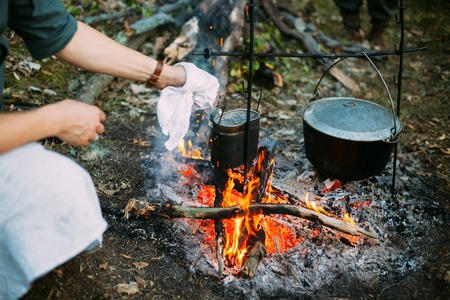
If there’s one thing you can count on in the UK, it’s the weather keeping you on your toes. The unpredictable drizzle, persistent downpours, and relentless dampness have shaped not just our landscapes but also our approach to bushcraft. Whether you’re trekking through the Lake District or camping in a Kent woodland, mastering survival skills in Britain means embracing conditions that are often cold, wet, and muddy. In this environment, two skills rise above all others: starting a fire when everything is sodden and building a shelter that actually keeps out the rain. Both are essential not only for comfort but for safety—hypothermia can set in quickly when you’re wet and exposed, even in summer. This guide will walk you through tried-and-tested techniques for thriving in classic British weather, so you can turn even the dampest day into an adventure.
Essential Kit for Wet-Weather Bushcraft
If you’re planning a bushcraft adventure in the British countryside, rain is almost guaranteed. That means your kit needs to be up to the job—no cutting corners. Here’s a practical rundown of the must-have gear for tackling soggy woodlands and damp moorland, plus a few tips on prepping your essentials before setting out.
Waterproofs: Your First Line of Defence
Staying dry isn’t just about comfort; it’s crucial for safety and morale. Invest in a proper waterproof jacket and trousers (look for GORE-TEX or similar breathable fabrics). Pack a wide-brimmed hat or cap to keep rain off your face, and don’t skimp on gaiters if you’ll be trekking through wet bracken or heather.
Tarps & Shelter Materials
A sturdy tarp is a bushcraft staple in Britain’s rainy climate—far lighter than a tent and much more versatile. Choose at least a 3×3 metre tarp with reinforced eyelets. Paracord and bungee cords are must-haves for rigging quick shelters when the heavens open unexpectedly.
Quick Comparison: Essential Shelter Kit
| Item | Recommended Type/Spec | Why It Matters |
|---|---|---|
| Tarp | 3x3m, ripstop nylon, reinforced corners | Lightweight, packs small, durable against wind/rain |
| Paracord/Bungee Cord | Min. 10m paracord, assorted bungees | Flexible pitching options; quick setup/takedown |
| Peg Set | Lightweight aluminium or steel pegs | Secure shelter even in soft ground |
| Groundsheet | Waterproof, foldable mat or plastic sheet | Keeps sleeping area dry and insulated from cold ground |
Kindling Bags & Fire-Starting Essentials
The British rain can turn fire-lighting into an art form. Always carry a waterproof kindling bag packed with dry tinder (cotton wool dipped in Vaseline, birch bark, or commercial firelighters). A ferro rod or stormproof matches are non-negotiables; lighters often fail when damp. Store these in ziplock bags or waterproof containers.
Your Fire-Starting Grab Bag Checklist:
- Ferro rod with striker
- Stormproof matches (in sealed container)
- Lighter (for backup)
- Cotton wool/Vaseline balls or commercial tinder tabs
- Pocket-sized folding saw for prepping wet wood
- Keepsake tin or dry-bag for storage
Prepping Your Kit Before You Head Out
A little prep goes a long way. Double-check all gear for leaks—especially older waterproofs and tarps. Pre-pack your kindling and fire-starting kit so it’s ready to deploy without faffing around. Practice pitching your tarp at home so you know what works best in heavy wind and rain, and make sure everything packs down snugly in your rucksack with the most critical items easily accessible.
3. Fire-Starting Techniques in the Drizzle
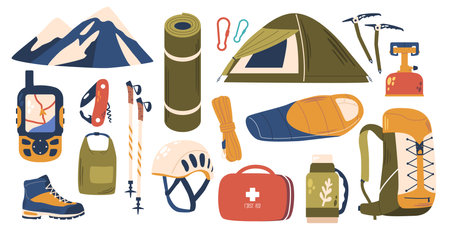
When it comes to bushcraft in the UK, fire-starting is an art form – especially when you’re up against the infamous British drizzle. Anyone who’s tried to get a campfire going on Dartmoor or in the Lake District during a soggy weekend will know that dampness gets everywhere. But over the years, I’ve picked up some reliable tricks for coaxing a flame out of even the wettest woodland.
Choosing the Right Tinder
The secret to success starts with your tinder selection. Forget about grabbing whatever’s lying around on the forest floor – most of it will be too sodden to light. My go-to options include birch bark (which peels off in thin, papery strips and lights even when damp), dry grass stored in a waterproof pouch, or cotton wool mixed with a dab of Vaseline as a backup. If you come across any fatwood (resin-rich pine), snap it up; its natural oils burn hot and fast, making it perfect for wet conditions.
Using Firesteels Effectively
Matches and lighters have their place, but nothing beats a decent firesteel for reliability in bad weather. The trick is to scrape firmly and shower your tinder with sparks from close range, using the back of your knife (not the blade) for maximum friction. Don’t be shy with your efforts – persistence pays off here. For added insurance, pack a few commercial firelighters as well; they’ll take a spark even if everything else fails.
Bushcraft Hacks: Keeping Things Burning
Once you’ve got your initial flame, don’t let all that hard work go to waste. Stack small twigs and pencil-thin sticks collected from under dense trees or snapped off standing dead branches – these are usually drier than anything on the ground. Gradually build up to thicker fuel as your fire gains strength. A classic British trick is to keep a small supply of dry kindling tucked inside your jacket or rucksack, just in case you need a jumpstart after another downpour.
Real-World Results
These methods have saved my skin more than once on misty moors and rain-lashed woodlands from Cornwall to Scotland. With patience and preparation, you can enjoy a proper brew and warm meal no matter how persistent the drizzle – proving that with the right know-how, British rain doesn’t stand a chance against good bushcraft skills.
4. Building Robust Shelters against British Rain
When you’re out in the unpredictable British weather, a solid shelter is your best mate. The constant drizzle and sudden downpours mean you need more than just a hasty cover—your shelter must be quick to build, sturdy, and able to withstand relentless rain. Here’s how you can put together practical shelters that work in the UK countryside, from classic lean-tos to A-frames and speedy tarp setups.
Choosing the Right Shelter: Lean-to, A-frame, or Tarp?
| Shelter Type | Best For | Key Advantages |
|---|---|---|
| Lean-to | Windy & rainy conditions; woodland edges | Quick setup, uses natural materials, good windbreak |
| A-frame | Heavy rain; open or woodland areas | Excellent runoff, stable structure, cosy inside |
| Tarp Setup | Speed & versatility; any terrain | Lightweight, rapid deployment, adaptable shape |
Site Selection: British Bushcraft Know-how
- Pick higher ground to avoid pooling water—Brits know soggy bottoms are no joke.
- Avoid dips and hollows where fog lingers and cold air settles overnight.
- Look for natural windbreaks: hedgerows, dry stone walls, or dense bramble thickets (classic bits of British landscape lore).
Natural Materials: What Works Best in the UK?
- Hazel and willow branches are ideal for frames—flexible yet sturdy.
- Bramble and ivy can be twisted for lashings if you’re short on cordage.
- Ferns and bracken make decent insulation layers; layer these over your frame for extra waterproofing.
Classic Hedge-Lore Tips
- If you find an old hedge line, it often marks drier ground—a trick used by British farmers for centuries.
- Stacking turf sods atop a shelter roof adds surprising rain resistance and blends your shelter into the landscape.
Quick Shelter Setup Steps (A-Frame Example)
- Lash two strong poles together at one end and spread them apart to form an inverted V.
- Lay a ridge pole between trees or the forked ends of your upright poles.
- Add cross branches along both sides to create the classic ‘A’ shape.
- Pile leaves, ferns, or even a poncho/tarp over the frame for waterproofing.
No matter which method you choose, keep it low-profile—British landscapes often demand discretion as well as comfort. With these time-tested approaches and local knowledge, you’ll stay dry even when the heavens open up.
5. Staying Warm and Dry – Practical Tips
When you’re out bushcrafting in the British rain, staying warm and dry isn’t just about comfort—it’s vital for safety and morale. Here are some tried-and-tested lessons from the field to help you manage moisture, dry your gear, layer effectively, and keep spirits up even when it feels like the rain will never let up.
Managing Moisture: Think Ahead
The first rule of wet-weather bushcraft is to anticipate how water will find its way into your kit. Always pack your essentials—sleeping bag, spare clothes, food—in dry bags or sturdy bin liners before setting out. Even if your rucksack claims to be waterproof, double-bagging can save your bacon when the drizzle turns into a downpour. If you do get caught out, don’t panic. Set up a basic shelter as quickly as possible and prioritise getting yourself and your kit off the ground.
Drying Wet Kit: Make the Most of Every Opportunity
British woodland rarely offers blazing sun or a stiff breeze for drying clothes, so you have to get creative. Rig up a line under your tarp and use body heat to help dry socks and gloves overnight—simply tucking them into your sleeping bag can make a huge difference. If you manage a small fire, hang damp gear nearby but not directly over the flames—steam is better than scorch marks! Remember: rotate items frequently for best results.
Layering Up: The Art of Staying Toasty
The classic British layering system is all about flexibility. Start with a moisture-wicking base layer (avoid cotton!), add an insulating mid-layer (fleece or wool), and top it off with a reliable waterproof shell. Carry spare socks and always keep one set of dry clothes sealed away for sleeping. When on the move, vent your layers to avoid sweating—damp from within is just as bad as rain from without.
Morale Matters: Keeping Spirits High
Nothing tests bushcraft resolve like relentless rain, but attitude makes all the difference. Brew up a hot cuppa when spirits flag—a splash of tea or coffee goes further than you’d think. Share jokes, sing a tune, or challenge your mates to build the cosiest shelter; camaraderie is often the best antidote to soggy kit and grey skies. Remember, every wet adventure adds another story to tell at the pub afterwards!
6. Common Pitfalls and How to Avoid Them
If you’re new to bushcraft in the British rain, it’s easy to fall into some classic traps. The weather here is famously fickle, and even experienced campers can be caught out if they’re not careful. Here are the most common mistakes beginners make—and expert-backed ways to dodge them.
Poor Campsite Selection
One of the biggest blunders is pitching your shelter on low ground or at the bottom of a slope. In Britain’s wet climate, these spots turn into boggy puddles overnight. Seasoned tip: Always choose higher ground with natural drainage, away from obvious water run-off paths. Look for areas sheltered by natural features like hedges or small woodland clearings for extra wind protection.
Neglecting Firewood Prep
Trying to start a fire with damp wood is a rookie mistake that wastes time and matches. Wet logs simply won’t catch in British drizzle. Quick fix: Forage for dead standing wood (branches still attached to trees but dry), and split larger sticks to reveal the drier inner layers. Carry a small drybag of cotton wool or commercial tinder as backup—don’t just rely on what you find.
Poor Shelter Setup
A saggy tarp or badly pitched tent will pool water and leak, especially during a classic UK downpour. What works: Always pitch your shelter taut, with a slight angle so rain runs off. Use guy lines properly, and check for overhead branches that might drip persistently onto your sleeping spot.
Underestimating Layering
Many beginners think one big coat will do the job, but British rain often soaks through single layers. Pro move: Dress in multiple thin layers—base layer, insulating mid-layer, and a waterproof shell—so you stay warm even if outer clothing gets damp.
Packing Mistakes
Packing non-waterproof bags or forgetting dry sacks leads to sodden kit and miserable nights. Easy solution: Use waterproof liners inside your rucksack and keep essentials like matches and spare socks in sealed zip bags.
By learning from these common missteps and prepping like a local bushcrafter, you’ll keep yourself drier, warmer, and far more comfortable—whatever the British skies throw at you.
7. Final Thoughts: Building Bushcraft Confidence Whatever the Weather
Mastering bushcraft in the British rain is as much about attitude as it is about skill. The unpredictable weather across the UK—from sudden downpours on Dartmoor to damp mornings in the Lake District—has forged generations of resilient outdoor enthusiasts. If you’ve ever struggled to spark a fire with soggy tinder or battled to keep your tarp from billowing in the wind, you’re participating in a proud tradition that stretches back centuries.
Remember, every drizzle-soaked outing is another opportunity to build confidence and resourcefulness. The key takeaways are simple but powerful: preparation is everything, local materials can be your best friend, and practice makes perfect. Whether you’re fine-tuning your feather stick technique under an oak tree or perfecting a stormproof shelter with just your basha and some paracord, each experience adds to your bushcraft toolkit.
Don’t let the famously fickle British weather put you off. Embrace it instead—after all, learning to light a fire in the rain or construct a snug shelter when the clouds roll in is what sets apart true bushcrafters from fair-weather campers. With every trip outdoors, you’ll find yourself more at ease and better equipped, ready to take on whatever the skies throw your way. So grab your kit, head out with confidence, and continue the rich tradition of British bushcraft—rain or shine.