Introduction to British Wildlife
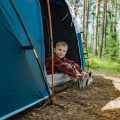
Bushcrafting in the UK is a wonderful way for families to reconnect with nature and discover the enchanting world of British wildlife. Whether you’re pitching a tent in a lush forest or building a den in a quiet meadow, there’s always a chance to spot fascinating creatures going about their daily lives. From curious red squirrels darting through ancient woodlands to shy hedgehogs rustling beneath the undergrowth, the British countryside is home to an incredible variety of animals that can make every outdoor adventure memorable. Understanding and appreciating these local residents isn’t just about enjoyment—it’s also key to staying safe and respecting the delicate balance of nature. By learning more about who shares our wild spaces, we help ensure positive encounters for both people and wildlife, turning every bushcraft outing into a reassuring and enriching experience for parents and children alike.
Common Wildlife Encounters
Exploring the British countryside offers a wonderful chance for families and young adventurers to spot an array of native wildlife. Being aware of which creatures you might meet not only enriches your bushcrafting experience but also helps everyone stay safe and respectful. Let’s take a closer look at some familiar faces, along with a few lesser-known—yet equally important—inhabitants of the British woods.
Familiar Woodland Residents
The British woodlands are home to several charismatic mammals that many campers hope to catch a glimpse of:
| Animal | Where You Might Spot Them | Fun Fact |
|---|---|---|
| Foxes | Woodland edges, hedgerows, even near campsites at dusk | Known for their cunning and adaptability, foxes often scavenge quietly at night. |
| Badgers | Muddy banks, burrow entrances (setts), especially at dawn or dusk | Badgers live in complex underground homes and are most active after dark. |
| Deer | Woodland clearings and quiet glades, particularly early morning | British deer can be quite shy but leave tell-tale tracks and nibbled plants behind. |
| Hedgehogs | Leafy undergrowth, garden edges, log piles at night | These spiky mammals help control garden pests like slugs and beetles. |
Lesser-Known but Important Creatures
Bushcrafting brings us closer not just to cuddly mammals, but also to smaller animals that play vital roles in woodland health—and require a bit more care when encountered:
| Creature | Why They Matter | Safety Tip |
|---|---|---|
| Adders (Britain’s only native venomous snake) | Adders help keep rodent populations in check and are protected by law. | If you see one basking, admire from a distance and avoid disturbing it. |
| Ticks | Tiny arachnids that feed on blood; they’re part of the food web for birds and small mammals. | Wear long sleeves and check skin regularly after walking through tall grass or bracken. |
A Parent’s Reassurance
While these encounters can be exciting or surprising, it’s good to remember that most British wildlife is harmless if left undisturbed. Teaching children to observe quietly and move gently through nature not only keeps everyone safe but also fosters respect and wonder for our woodland neighbours. If your little ones have questions or worries about any animal signs they spot, it’s a perfect moment for learning together as a family on your bushcraft journey!

Respecting Wildlife Habitats
When bushcrafting in the British countryside, it’s essential to recognise and respect the delicate homes of wildlife. From ancient woodlands to open meadows and winding hedgerows, countless creatures depend on these spaces for shelter, food, and raising their young. Taking gentle care as you explore not only protects these precious habitats but also enriches your own experience in nature.
Spotting Signs of Wildlife Homes
Encourage both children and adults to keep a watchful eye out for signs of wildlife habitats. Look for birds’ nests tucked high in branches or concealed within dense shrubs. Notice small burrows at the base of hedges—perhaps home to rabbits, badgers, or even hedgehogs. Fallen logs or piles of leaves may be hiding places for insects, amphibians, or shrews. Teach little ones to observe from a respectful distance and avoid disturbing these vital shelters.
Protecting Nest Sites and Foraging Grounds
Remind your group that every step can make a difference. Stick to established paths wherever possible to reduce trampling on delicate plants and animal homes. If you come across a nest or burrow, quietly admire it without touching or lingering nearby. When gathering natural materials for bushcraft activities, always check first that you’re not removing anything crucial to local wildlife—leave plenty behind for animals to forage and build with.
Fostering Responsibility as a Family
Bushcraft adventures are perfect opportunities to nurture a sense of stewardship in children. Involve them in simple acts such as tidying up after yourselves, replacing any moved stones or logs, and discussing why we leave wild spaces just as we found them. These mindful habits will help your family build lasting memories while caring for Britain’s remarkable wildlife together.
4. Wildlife Safety Tips for Families
Exploring the British countryside with your family is a wonderful way to connect with nature, but it’s important to be aware of local wildlife and know how to keep everyone safe. Here are some practical, UK-specific tips for avoiding common hazards while bushcrafting together:
Spotting and Avoiding Adders
Adders are the UK’s only native venomous snake, usually found basking in sunny spots on heathland or woodland edges. While they tend to avoid humans, accidents can happen if they’re disturbed.
| What to Do | Why It Matters |
|---|---|
| Wear sturdy boots and long trousers | Protects against accidental bites when walking through undergrowth |
| Stick to well-trodden paths | Adders prefer quiet, less disturbed areas |
| If you see an adder, calmly move away and do not attempt to touch or move it | Adders only bite when threatened; leaving them alone avoids risk |
| If bitten, seek medical help immediately and keep the affected limb still | Early treatment is key; bites are rarely fatal but can cause illness |
Dealing with Wasps and Their Nests
Wasps become more active during late summer. Their nests may be hidden in bushes, hollow trees, or even underground.
- If you spot a wasp nest, quietly move away and mark the area so others don’t stumble upon it.
- Avoid swatting at wasps as this can make them more aggressive.
- Teach children to stay calm and walk away slowly if approached by wasps.
- Keep sweet foods and drinks covered while outdoors.
Checking for Ticks After Outdoor Activities
Ticks are common in grassy or woodland areas across the UK and can carry Lyme disease. After a day outside, especially if bushcrafting near long grass or bracken, always check for ticks.
- Inspect all family members—especially behind knees, around the waist, under arms, and along hairlines.
- If a tick is found, remove it promptly with fine-tipped tweezers by gripping close to the skin and pulling straight out.
- Clean the bite area and monitor for any signs of rash or fever over the next few weeks.
Quick Reference: British Wildlife Safety at a Glance
| Hazard | Main Advice |
|---|---|
| Adders (Snakes) | Avoid disturbing; wear boots; seek help if bitten |
| Wasps/Nests | Move away quietly; don’t disturb nests; cover food/drink |
| Ticks | Check after outdoors; remove promptly; watch for symptoms |
With these simple habits, families can enjoy the joys of bushcrafting in the UK countryside while staying safe and respectful of our precious wildlife neighbours.
5. Coexisting with Nature: Positive Interactions
When venturing into the British countryside for a bushcraft adventure, it’s wonderful to remember that our presence can make a positive difference to local wildlife. Teaching children to respect and appreciate our native creatures is not only rewarding but also essential for preserving these beautiful habitats for future generations. Here are some thoughtful, family-friendly activities that help support wildlife while keeping everyone safe and engaged.
Leave No Trace: Caring for the Countryside
One of the simplest yet most impactful ways to coexist with nature is to practise the “leave no trace” principle. Encourage your family to pick up all litter, even if it isn’t yours, and always pack away any rubbish you bring. Remind little ones how important it is for animals like hedgehogs and badgers not to find harmful materials in their home. Staying on marked paths and avoiding trampling wildflowers or delicate undergrowth helps keep habitats intact for foxes, rabbits, and countless other creatures.
Creating Wildlife-Friendly Shelters
Building shelters is a favourite bushcraft activity, but why not try making small wildlife-friendly hideaways too? With adult guidance, children can gather fallen sticks and leaves to create miniature log piles or leaf heaps at the edge of your campsite—perfect homes for insects, frogs, or even a passing hedgehog. Always use natural materials found on the ground, and avoid disturbing living plants or established animal homes. This hands-on project teaches kids about the needs of different species while showing them how simple actions can help local wildlife thrive.
Birdwatching Together: Quiet Observation
Birdwatching is a gentle way to connect with nature as a family. Bring along binoculars and a pocket bird guidebook (or download an app) to spot robins, woodpeckers, or the flash of a kingfisher by the riverbank. Encourage children to use quiet voices and slow movements, turning birdwatching into an exciting game of patience and observation. Recording sightings in a nature journal helps kids remember their discoveries and fosters a lasting appreciation for British birds. Don’t forget: feeding wild birds should be done carefully using appropriate food and away from your sleeping area to avoid attracting other curious wildlife overnight.
By approaching bushcraft with kindness and curiosity, families can become true friends of the British countryside—building lasting memories together while protecting the wonderful wildlife that calls it home.
6. Emergency Guidelines and Local Resources
Staying calm and prepared is key to enjoying bushcrafting in the UK countryside, especially when it comes to unexpected encounters with wildlife. While most British animals are shy and avoid humans, it’s important to know what to do if a situation arises.
What To Do In Case Of An Emergency Wildlife Encounter
Stay Calm and Assess the Situation
If you come face-to-face with an animal, take a deep breath and avoid sudden movements. Give the animal plenty of space—back away slowly, keeping your eyes on it without making direct eye contact, which can be seen as a challenge.
Avoid Provoking or Cornering Wildlife
Never try to touch, feed, or corner wild animals. Most incidents happen when animals feel trapped or threatened. Encourage children to remain still and quiet until the animal moves away.
Seek Medical Help If Needed
If bitten or scratched, wash the wound thoroughly with soap and water and seek medical attention promptly. For bites from adders (the UK’s only venomous snake), keep the affected limb still and call 999 for emergency assistance.
Where To Find Trusted UK-Based Support
Emergency Services
In case of serious injury or dangerous situations, dial 999 for immediate help. The UK emergency services are well-trained to handle wildlife-related incidents across rural areas.
Educational Materials and Helplines
- The Wildlife Trusts: Their website offers regional guides and safety advice for families exploring local habitats.
- Natural England: Provides up-to-date information on protected species and safe outdoor practices.
- Bushcraft UK Forum: Connects you with experienced bushcrafters who share local knowledge and safety tips.
Family Tip:
Before heading out, download or print out emergency contacts and wildlife identification sheets from trusted UK organisations. This helps everyone—grown-ups and little explorers alike—feel prepared and confident while connecting with nature.
By following these reassuring steps and using reliable resources, your family can continue to enjoy the great British outdoors with peace of mind, knowing help and guidance are always close at hand.