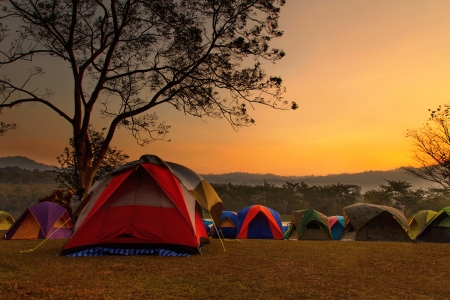
Introduction to UK Campsites and Wild Camping Culture
The British camping scene is both charmingly traditional and quietly innovative, making it a truly unique landscape for newcomers—especially those interested in converting vans into cosy mobile homes. Over the past decade, the UK has seen a remarkable surge in van conversions, as more people seek flexible ways to explore Britain’s rolling hills, rugged coastlines, and tranquil countryside. This movement isn’t just about hitting the open road; it’s also about embracing the distinct customs, unspoken rules, and community spirit that define British camping culture.
For new van converters, understanding the etiquette at campsites and the complexities of wild camping laws is essential. While some areas welcome wild campers with open arms, others enforce strict regulations rooted in local tradition or environmental protection. The expectation for respectful behaviour—such as keeping noise down after dark and leaving no trace—is universal among UK campers, whether you’re parked up in a well-equipped site in Cornwall or seeking solitude on a remote Scottish lochside. Gaining a solid grasp of these cultural nuances not only ensures a smoother journey but also helps foster positive relationships with locals and fellow travellers alike.
Top UK Campsites for Van Converters
If you are new to vanlife in the UK, choosing the right campsite can make or break your first adventures. The UK boasts a wide range of campsites that cater specifically to van converters and campervan travellers, offering everything from full hook-ups to wild landscapes. Below is a guide to some of the most popular and well-equipped campsites across the country, ideal for those just starting out.
Highly-Rated Campsites with Excellent Facilities
| Campsite Name | Location | Main Facilities | Notable Features |
|---|---|---|---|
| Bryn Gloch Caravan & Camping Park | Snowdonia, Wales | Electric hook-ups, showers, laundry, shop | Mountainside views, riverside pitches, dog-friendly |
| The Old Oaks Touring Park | Glastonbury, Somerset | Hardstanding pitches, modern amenities block, WiFi | Adults only, peaceful rural setting, close to Glastonbury Tor |
| Sands Caravan & Camping Site | Gairloch, Scottish Highlands | Electricity, on-site shop, café, laundry facilities | Stunning sea views, direct beach access, wildlife spotting |
| Cornish Tipi Holidays & Camping | Bodmin, Cornwall | Basic facilities, campfires allowed, lakeside pitches | Lakes for wild swimming, woodland walks, eco-friendly ethos |
| Kielder Campsite | Kielder Forest, Northumberland | Showers, electric points, small shop | Dark sky park for stargazing, forest trails nearby |
Location Highlights and Local Attractions
The UK’s regional diversity means every campsite offers something unique. In Snowdonia and the Scottish Highlands, expect dramatic mountain backdrops and endless opportunities for hiking and cycling. Down in Cornwall and Somerset, you’ll find coastal walks and charming rural villages perfect for exploring by day before settling in at your pitch. Many top sites are within reach of national parks or beaches—ideal for vanlifers who want both comfort and adventure.
Recommendations for New Vanlifers
- Book ahead: Popular sites fill up quickly during peak seasons. Advance booking is strongly advised.
- Check site rules: Not all campsites allow open fires or dogs—always confirm before arrival.
- Amenities matter: For new van converters still getting used to self-sufficiency, sites with full facilities (toilets, showers, electric hook-up) offer extra comfort.
- Consider location: Choose a campsite close to your planned activities or local attractions to minimise travel time once parked up.
A Note on Community and Resources
Many campsites in the UK are part of larger networks such as the Caravan and Motorhome Club or Camping and Caravanning Club. Membership can offer discounts and access to member-only locations. Don’t hesitate to chat with other vanlifers on site—sharing experiences is a valued part of UK vanlife culture and can provide invaluable tips for your journey ahead.

3. Essential Wild Camping Laws and Regulations in the UK
Understanding wild camping laws is crucial for new van converters hoping to explore the UK’s great outdoors responsibly. The legal landscape varies widely across England, Scotland, Wales, and Northern Ireland, so its essential to know where you stand before setting up camp.
England and Wales: Strict Regulations
In England and Wales, wild camping is generally not permitted without landowner permission. The majority of land is privately owned, and pitching up without explicit consent can be considered trespassing. However, there are exceptions in certain national parks like Dartmoor, where wild camping was traditionally tolerated in designated areas. Recent legal challenges mean permissions may change, so always check the latest local guidance before planning an overnight stay. If in doubt, seek out official campsites or ask landowners directly for permission.
Scotland: More Freedom Under the Law
Scotland offers much more flexibility thanks to the Land Reform (Scotland) Act 2003, which allows responsible wild camping on most unenclosed land. This right comes with expectations—campers must follow the Scottish Outdoor Access Code, ensuring they leave no trace, respect wildlife and other people, and avoid causing any damage. Certain areas, particularly around Loch Lomond & The Trossachs National Park, have seasonal byelaws restricting wild camping during peak months due to overuse. Always check for these local restrictions before setting up your van.
Northern Ireland: Permission Is Key
Northern Ireland has some of the strictest rules regarding wild camping in the UK. Almost all land is privately owned or managed by organisations such as the National Trust. Wild camping is only allowed if you have obtained prior permission from the relevant landowner or authority. There are a handful of official sites and forest parks that allow overnight stays with prior arrangement, making advance planning essential.
General Permissions and Restrictions
- Always seek landowner permission unless local bylaws state otherwise.
- Stick to small groups and short stays (usually one or two nights).
- Follow Leave No Trace principles—take all rubbish with you and avoid disturbing wildlife.
- Avoid lighting open fires unless permitted; use portable stoves instead.
Summary
For new van converters in the UK, respecting regional differences in wild camping laws is vital for a positive experience. When in doubt, opt for established campsites or obtain explicit permission to ensure both legal compliance and good relations with local communities.
4. Tips for Responsible and Sustainable Camping
If you’re embarking on your first van conversion journey across the UK, it’s important to remember that responsible and sustainable camping is key to ensuring these beautiful landscapes remain accessible for future adventurers. Whether you’re wild camping or staying at one of the best UK campsites, following best practices minimises your environmental footprint, respects local communities, and keeps you safe. Here’s a breakdown of essential tips:
Best Practices for Minimising Environmental Impact
| Action | How to Do It | Why It Matters |
|---|---|---|
| Leave No Trace | Take all rubbish with you, including food scraps and microplastics. | Prevents pollution and protects wildlife habitats. |
| Use Designated Pitches | Park in marked bays or hard-standing areas in campsites; avoid damaging grass verges. | Reduces erosion and preserves natural ground cover. |
| Responsible Toilet Use | Utilise campsite facilities or a portable toilet; never use the countryside as a loo. | Keeps water sources clean and avoids public health risks. |
| Sensible Water Management | Use biodegradable soaps far from streams and refill water tanks at designated points. | Prevents contamination of natural water sources. |
Respecting Local Communities
- Keep Noise Down: Avoid playing loud music or running generators late at night. Peace and quiet are valued in rural Britain.
- Support Local Businesses: Shop at village stores, eat at local pubs, and source supplies from farmers’ markets when possible. This fosters goodwill and supports the local economy.
- Avoid Overcrowding: Don’t block driveways or access roads, especially in small villages or beauty spots. Park considerately to avoid inconvenience.
- Ask Permission When Unsure: If wild camping near private land or farms, seek landowner consent. A polite ask goes a long way in rural communities.
Staying Safe While Wild Camping or Using Established Sites
- Check Local Laws: Wild camping laws differ across England, Scotland, Wales, and Northern Ireland. Always research beforehand (see earlier section).
- Prepare for Weather: The British weather can be unpredictable. Have waterproofs and check forecasts before heading out.
- Secure Your Van: Lock doors when away from your vehicle and keep valuables out of sight to deter opportunistic thefts.
- Know Emergency Contacts: Save local emergency numbers (999 for police/ambulance/fire) and have a charged phone ready at all times.
- Campsite Etiquette: Follow site rules about arrival/departure times, waste disposal, and pet control to keep things harmonious with fellow campers.
Sustainable Camping Checklist for UK Van Converters
| Sustainable Action | Ticked? |
|---|---|
| Brought all waste home or used provided bins? | ☐ |
| Avoided single-use plastics? | ☐ |
| Bought supplies locally? | ☐ |
| Camped only where permitted? | ☐ |
| Treated locals respectfully? | ☐ |
A Final Word on Responsible Touring
The freedom of van life comes with shared responsibility. By following these tips as you explore the best UK campsites or try your hand at wild camping, you’ll help preserve the country’s most treasured spaces – and ensure van conversion newcomers like yourself are always welcome back.
5. Van Conversion Considerations for UK Conditions
Designing your van to handle the unique challenges of the British climate and roads is essential for a comfortable and enjoyable touring experience. Here are some practical engineering notes and honest advice for new van converters looking to thrive in the UK’s unpredictable weather and variable travel conditions.
Insulation: Keeping Warm (and Cool)
The UK’s climate is famously temperamental, with chilly nights even in summer and plenty of damp, drizzly days. Prioritise good insulation—closed-cell foam or sheep wool work well—to keep your van cosy in winter and to help regulate temperature in summer. Pay special attention to insulating doors, the floor, and roof; these are common points where heat escapes or condensation forms.
Water Resistance: Battling Rain and Humidity
With frequent rainfall across the country, water ingress is a real risk. Use high-quality seals around windows, doors, and roof vents. Consider applying a rust-proofing treatment to your van’s underside, especially if you’re venturing up north where salted roads can accelerate corrosion. Vinyl flooring is a solid choice—it’s easy to clean and doesn’t soak up moisture.
Practical Mods for British Roads
UK roads range from smooth motorways to narrow, winding lanes lined with stone walls or hedges. Opt for compact storage solutions that maximise space without adding unnecessary width inside the van. Install low-profile roof vents or solar panels to minimise height—handy when navigating under low bridges or entering car parks with height restrictions.
Essential Electrical Setups
Given the shorter daylight hours in winter, supplement solar setups with a split-charge relay or battery-to-battery charger linked to your engine. USB charging points are a must for modern gadgets, but don’t forget a reliable 12V system for lighting and essentials.
Water Systems Suited for Short Distances
Because most UK journeys are relatively short, you can get away with a modest water tank (10–20 litres). A simple foot-pump tap saves electricity and is less prone to freezing than an electric pump system—ideal for weekend getaways or spontaneous wild camping.
Final Thought: Flexibility is Key
The best conversions balance comfort with practicality. Modular furniture lets you switch between lounging and sleeping modes quickly—a real boon when British weather changes on a whim. Always pack a set of levelling chocks; pitches aren’t always flat, especially at rural campsites or wild spots.
6. Useful Resources and Apps for UK Vanlifers
Getting started with vanlife in the UK is much easier when you have the right digital tools and resources at hand. Here’s a straightforward guide to essential websites, forums, and mobile apps that can help new van converters find campsites, navigate the countryside, and connect with the local vanlife community.
Finding Campsites
Websites
Pitchup: This is one of the most popular campsite search platforms in the UK, offering an extensive database of campsites, caravan parks, and glamping spots. The search filters are helpful for finding sites that allow campervans and have necessary amenities.
Cool Camping: A curated selection of some of the UK’s best campsites, ranging from wild-feeling pitches to family-friendly holiday parks. Their reviews are honest and include practical details.
Mobile Apps
Park4Night: Widely used by vanlifers across Europe, this app lets you search for wild camping spots, official sites, and overnight park-ups, complete with reviews from other travellers.
Campercontact: Particularly good for motorhome stopovers and service points; it’s a solid choice for finding vetted locations throughout the UK.
Navigation and Road Safety
Google Maps is always a solid choice, but many vanlifers also recommend Waze for real-time traffic updates. For more rural adventures, OS Maps (by Ordnance Survey) is invaluable for detailed footpaths, bridleways, and national parks—perfect for those seeking out-of-the-way places.
Community and Local Advice
Forums
UK Campsite Forum: A longstanding online community where you can ask questions about specific sites, legalities of wild camping, or van conversion tips. The advice here is practical and often based on real experience.
Vanlife UK Facebook Group: A vibrant and supportive place to meet other vanlifers, share stories, or organise meet-ups. It’s a good platform for quick answers and recommendations from locals.
Apps & Social Platforms
Instagram: Search hashtags like #vanlifeuk or #campervanconversionuk to find inspiration and connect with fellow converters.
Meetup: Check for local vanlife gatherings or workshops—perfect for networking and getting hands-on advice from those further along in their journey.
Final Thoughts
Using these resources will help you plan your routes, find legitimate places to stay overnight, and avoid common pitfalls as you start your UK vanlife adventure. Staying plugged into the community will not only keep you informed about changes in wild camping laws but also help you make lasting connections on the road.