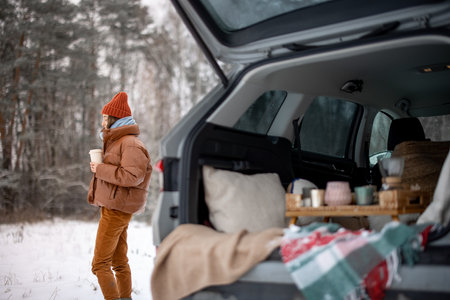
Introduction to Chilled and Frozen Food Storage in the UK Outdoors
The British outdoors, with its lush green hillsides, misty mornings, and capricious weather, offers a uniquely enchanting backdrop for camping adventures. Yet, anyone who has ever pitched a tent under the shifting UK skies knows that our climate comes with its own set of challenges—especially when it comes to food storage. The unpredictable mix of cool drizzles and occasional heatwaves makes it crucial to pack chilled and frozen foods thoughtfully. Unlike sunnier climes where heat is the primary concern, here in Britain, you must be prepared for everything from a chilly breeze in the Lake District to a surprisingly warm afternoon on the Cornish coast. Careful packing isn’t just about convenience; it’s essential for keeping your meals safe, fresh, and enjoyable. Whether you’re planning a hearty fry-up at sunrise or a fireside stew under the stars, understanding how UK weather affects your food choices ensures every bite is as delicious as it is safe—so you can savour both the flavours and the beauty of your campsite experience.
Choosing the Right Cool Boxes and Portable Freezers
When embarking on a camping adventure across the diverse landscapes of the UK, the unpredictable British weather is both a joy and a challenge. Selecting the proper cool box or portable freezer becomes an artful balance between practicality and comfort, ensuring your chilled and frozen foods remain at their best, whether you’re nestled by a Cornish beach or tucked into a misty Highland glen. Here’s how to make a wise choice that suits both your provisions and the unique character of each campsite.
Insulated Containers: Your First Line of Defence
For day trips or short weekends, high-quality insulated containers are indispensable. Look for thick walls, robust seals, and easy-carry handles—essentials for withstanding a sudden downpour or an unexpected patch of sun. A well-insulated box keeps everything at a safe temperature, even when facilities are basic or distant.
Electric Cool Boxes: Powering Through British Climes
If you’re headed to a site with electric hook-ups (EHU), an electric cool box can be a game-changer. These boxes offer consistent cooling regardless of external temperatures—a blessing during those rare but glorious UK heatwaves. Just remember to check the amperage limits at your chosen site, as not all pitches provide equal power access.
Comparing Cooling Options
| Type | Best For | Pros | Cons |
|---|---|---|---|
| Standard Insulated Box | Short stays/No EHU | No power needed, portable, lightweight | Limited cooling duration, dependent on ice packs |
| Electric Cool Box (12V/230V) | Longer stays/EHU available | Continuous cooling, reliable in warm/cold weather | Heavier, needs electricity supply |
| Portable Freezer | Extended trips/Serious chilling needs | Keeps food truly frozen, versatile settings | Bulky, higher power consumption |
The Unsung Heroes: Ice Packs and Alternatives
No matter your main cooling method, always pack extra ice packs. Gel-filled types retain cold longer than water-based versions—ideal for journeys when traffic on the M6 turns hours into odysseys. For added eco-friendly flair, freeze bottles of water; they’ll keep food cool and double as refreshing drinks once melted.
Cultural Tips for UK Campers
Remember, many British campsites prize tranquillity and minimal fuss. Opt for quiet-running appliances and always check campsite guidelines about where cool boxes can be charged or stored. With thoughtful planning and the right gear, you’ll savour fresh salads in Devon drizzle or tuck into frozen berries under Northumberland stars—living proof that good taste transcends the weather.
3. Pre-camping Preparation: Freezing and Packing Tips
There’s a quiet excitement in the air as you prepare for your UK camping adventure—a sense of anticipation and a desire for delicious, well-kept food along the journey. To ensure every meal is as fresh and vibrant as the countryside you’ll explore, mastering the art of freezing and packing is essential. Here’s how to set off with confidence, knowing your chilled and frozen foods will remain at their best from Cornwall’s sandy coves to the wilds of the Scottish Highlands.
Best Methods for Freezing Food
Begin by portioning out meals—think hearty stews, marinated meats, or even classic British sausages—into airtight containers or freezer bags. Remove as much air as possible to prevent freezer burn and label each parcel clearly. For vegetables or berries picked from a local farm shop, flash-freeze them on a baking tray first before sealing them up; this keeps them from sticking together. Remember, flat packs are not only easier to store but also thaw more evenly on site.
Pre-chilling Boxes and Coolers
The night before your departure, chill your cool boxes or insulated bags using ice blocks or frozen water bottles (which can double as refreshing drinks later on). This creates a cold base that maintains low temperatures longer once you load your food. If you’re using electric coolers powered through the car, give them a head start by running them overnight at home.
Strategic Packing for Freshness
Pack smartly: place frozen items at the bottom, closest to your ice packs, with chilled goods above. Dairy, eggs, and other fragile items should nestle at the top where they’re less likely to be crushed. Organise by meal or day if you can—this reduces rummaging and helps keep cold air inside during those quick campsite breakfast raids.
Minimising Waste
Plan each meal thoughtfully so nothing is brought unnecessarily. Use reusable containers instead of single-use plastics to cut down on rubbish—something every National Park would thank you for. Finally, keep a dedicated bag for recyclables and another for compostables, making it easy to leave no trace behind while enjoying everything the UK’s great outdoors has to offer.
Maintaining Chilled and Frozen Temperatures on Site
Once you’ve arrived at your chosen patch of British countryside, keeping your food safely chilled or frozen becomes a daily ritual shaped by the UK’s ever-shifting weather. The secret lies in a blend of practical wisdom and a touch of British ingenuity.
Ice Replacement: Staying Ahead of the Thaw
Whether you’re pitching up in Cornwall or the Highlands, ice packs are your best allies. For long weekends, plan to replace or top up your ice every 24–36 hours. Many campsites offer small on-site shops selling bagged ice, but for remote locations, research nearby villages before setting off. If you’re using loose ice, double-bag it to prevent water from seeping into food containers—a soggy cheddar is nobody’s idea of a treat.
| Cool Storage Duration | Action Needed | Top Tip |
|---|---|---|
| 0-24 hours | No replacement needed if well-packed | Keep box sealed as much as possible |
| 24-36 hours | Add fresh ice packs or bagged ice | Use local shops or pub ice machines |
| 36+ hours | Rotate perishables to cooler’s centre; replace ice fully | Consider a cool stream (if available & safe) |
Cool Box Positioning: Harnessing that British Shade!
The quintessential British weather—sometimes dazzling sun, often gentle drizzle—means cool box positioning is an art form. Place your cool box under natural shade: beneath a tree, the side of your tent facing away from midday sun, or even behind your car. If no natural shade exists, drape a reflective blanket (or even a damp towel) over the box to keep it cooler for longer. Avoid leaving it inside hot cars or directly on sun-baked ground.
Best Spots for Your Cool Box:
- Under leafy trees (but watch for inquisitive squirrels!)
- North-facing tent sides for consistent shade
- Sheltered porch areas of tents or awnings
- Corners shielded by windbreaks or hedges
Checking Temperatures: Stay Vigilant in Britain’s Unpredictable Climate
The UK’s weather can swing from balmy afternoons to chilly evenings within hours. Pack a simple fridge thermometer and check cool box temperatures morning and evening; aim to keep chilled foods below 5°C and frozen items as solid as possible. If you notice foods starting to soften or sweat, use them first—no one wants spoiled sausages after a long hike on Dartmoor! Remember, the safety of your meals is worth those quick checks before you light the camp stove.
5. Smart Storage, Preservation, and Hygiene in Campsite Conditions
Venturing into the wilds of the British countryside, whether it’s a breezy Cornish cliff-top or the shaded woods of the Lake District, brings with it a fresh perspective on food safety. With chilly dawns and gentle dusk settling over your campsite, keeping your provisions fresh and safe is paramount. Here are some best practices for smart storage, preservation, and maintaining hygiene when facilities are limited.
Separate Raw and Cooked Foods with Care
Pack raw meats, fish, and poultry in sealed containers or heavy-duty freezer bags to avoid leaks. Always store these at the bottom of your cool box so any accidental drips cannot contaminate other foods. Ready-to-eat items—such as salads, cheeses, and breads—should be kept in separate containers at the top. If you’re using portable coolers, consider colour-coding boxes or using labelled sandwich bags for an added layer of organisation.
Preventing Cross-Contamination
Designate specific utensils and chopping boards for raw foods and cooked meals; many campers bring lightweight plastic sets in different colours to help distinguish them. Even when water is scarce, use biodegradable wipes or a little soapy water to clean surfaces after each use. Remember: in the British outdoors, even small traces can lead to trouble if not managed mindfully.
Hygiene on Limited Facilities
Hand hygiene is essential; pack hand sanitiser (preferably unscented to avoid attracting insects) and use it before food prep or eating. If you have access to a stream or tap, bring collapsible bowls for washing up with eco-friendly soap. Always dry hands and utensils with a clean cloth—keep one towel strictly for drying dishes and another for hands. When bins aren’t available, bring sealable bags for waste to keep your campsite as pristine as you found it.
British Outdoor Wisdom
The unpredictable British weather can either be a blessing or a challenge—use cooler nights to your advantage by storing perishables outside your tent but out of reach of wildlife. And should rain clouds gather, ensure all foods are stored off the ground in waterproof containers. In every step, let the spirit of British camping guide you: respect nature, cherish your meals, and keep cleanliness at the heart of your adventure.
6. Local Sourcing and Top-ups: Making the Most of UK Produce
One of the joys of camping in the UK is the opportunity to savour its abundant local flavours, and there’s no better way to enhance your chilled or frozen food stash than by embracing what each region has to offer. As you travel from coastlines to moorlands, charming market towns and hidden villages invite you to meander through their farmers’ markets and independent shops, brimming with produce that’s as fresh as the morning dew.
Supplementing your carefully packed foods with local finds isn’t just practical—helping you top up on essentials and indulge in unexpected treats—it also weaves your journey into the fabric of Britain’s culinary heritage. Seek out creamy Somerset cheeses, crisp Herefordshire apples, or a punnet of strawberries from a roadside stall in Kent. Even the humble village shop often boasts homemade chutneys or sausages with character only found in these green isles.
By shopping locally, you lighten your coolbox load while supporting small-scale producers who pour heart and tradition into their fare. In Scotland, why not try venison sausages or oatcakes? Along the Cornish coast, add freshly caught mackerel to your menu. And always check for seasonal treasures—early summer brings tender asparagus, while autumn rewards foragers with wild blackberries and mushrooms.
The adventure of discovering these regional delicacies adds a sense of place to every meal at camp, transforming breakfast beneath oak trees or supper by a crackling fire into an experience unique to your chosen patch of countryside. Let curiosity guide you down cobbled lanes or towards bustling stalls—your taste buds will thank you.
7. Essential Environmental and Safety Reminders
As you embark on your camping adventure across the picturesque landscapes of the UK, it’s vital to embrace responsible practices that safeguard both your wellbeing and the environment. Here’s how you can ensure your experience with chilled and frozen foods remains safe, sustainable, and harmonious with nature.
Minimise Waste Thoughtfully
Opt for reusable containers and ice packs rather than single-use plastics or disposable coolers. Portion your chilled and frozen foods before departure to avoid excess packaging, and bring along sealable bags for storing leftovers—making sure nothing goes to waste. Compost biodegradable scraps where possible, and always pack out what you pack in, leaving no trace behind.
Recycle Diligently
Separate recyclables such as glass bottles, aluminium cans, and cardboard packaging at your campsite. Many UK campsites offer dedicated recycling points; if not, take these items home for proper disposal. Familiarise yourself with local recycling guidelines, as they may vary from region to region.
Adhere to Campsite Food Safety Guidelines
Keep all perishable foods in sealed cool boxes or insulated bags to maintain safe temperatures and prevent contamination. Always wash hands before handling food, use different utensils for raw and cooked items, and dispose of wastewater away from streams or lakes to protect natural water sources. If in doubt, follow the Food Standards Agency’s guidance on outdoor food safety.
Protecting British Wildlife
The UK countryside is alive with curious foxes, badgers, birds, and more—so be mindful not to attract them with accessible food. Store all provisions securely overnight and never leave rubbish or food scraps outside your tent. Avoid feeding wildlife directly; not only does it disrupt natural behaviour, but it can also introduce harmful foods into their diets.
Be a Considerate Camper
Respect campsite rules regarding fires, cooking equipment, and designated eating areas. By following posted signs and staff advice, you’ll help preserve the beauty of Britain’s great outdoors for generations to come. A little care goes a long way: tread lightly, cherish each moment, and let your presence enrich—not diminish—the wild places you visit.