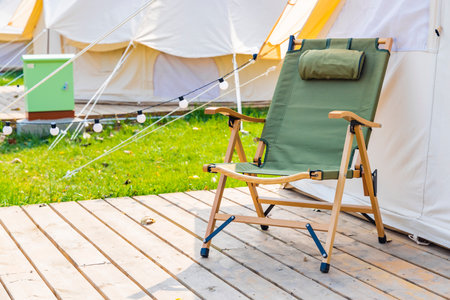
Understanding the Impact of the British Weather
When it comes to camping in the UK, the weather is a force to be reckoned with. The combination of persistent damp, sudden downpours, and unpredictable temperature swings can wreak havoc on your camping furniture if not properly addressed. Unlike more arid climates, British weather rarely gives you a break, meaning your chairs, tables, and camp beds are constantly exposed to moisture that can seep into fabrics and joints, promoting mould and corrosion. Even during seemingly dry spells, high humidity levels can cause condensation, which silently encourages mildew growth and weakens material integrity over time. Furthermore, rapid shifts from chilly nights to warmer days place added stress on plastic fittings and wooden parts, making them more prone to cracking or warping. Recognising these environmental challenges is essential for any outdoor enthusiast looking to preserve their gear; by understanding how the elements impact your equipment, you’ll be better prepared to implement effective maintenance and cleaning routines tailored for British conditions.
2. Selecting Durable and Weather-Resistant Materials
When it comes to camping in the unpredictable British climate, your furniture needs to be as tough as the landscape itself. Choosing the right materials isn’t just about comfort; it’s about longevity, resilience, and making sure you’re not caught out by a sudden downpour or biting wind off the moors. Here’s what to look for when selecting camping furniture that will stand up to the British weather, and how to spot kit that won’t let you down.
Top Materials for British Conditions
| Material | Weather Resistance | Durability | Maintenance Needs | Notes |
|---|---|---|---|---|
| Aluminium Frame | Excellent – Rust-resistant even with frequent rain | High – Lightweight but strong | Low – Occasional wipe-down | Avoid painted finishes that chip easily; look for powder-coating |
| Stainless Steel Frame | Very Good – Handles damp well | Very High – Heavier than aluminium but robust | Low – Easy to clean, less prone to corrosion | Ideal for heavy-duty use, can be weighty on longer hikes |
| Synthetic Fabrics (Polyester/Oxford Cloth) | Good – Quick-drying and mildew-resistant if treated | Medium-High – Avoid thin or single-layered options | Medium – Needs proper drying before storage | Look for UV resistance and ripstop weaving for extra toughness |
| Mesh Panels (PVC/PU Coated) | Excellent airflow, dries fast after rain | Medium – Can snag on sharp objects | Low – Shake out, wipe down as needed | Avoid cheap mesh that feels brittle or plastic-like |
| Treated Wood (e.g., Teak, Acacia) | Good if properly maintained; naturally weather-resistant woods fare best | High with regular care – Oil annually to prevent cracking/splitting | High – Needs oiling and careful storage over winter months | Adds a classic feel; heavier and requires more TLC than metal/plastic options |
Spotting Quality Construction: What to Check Before You Buy
- Joints & Rivets: Inspect connection points—look for reinforced corners, double-stitching on fabric, and rustproof rivets or bolts.
- Latching Mechanisms: Test foldable chairs/tables for smooth operation. A stiff or flimsy latch is a warning sign of poor build quality.
- Pads & Feet: Rubberised or non-slip feet help keep your gear stable on muddy or uneven British ground. Avoid bare metal ends—they’ll rust faster and sink into soft soil.
- Weight Ratings: Don’t just trust the label—sit on it in store if possible. British conditions mean gear gets wet and cold, which stresses materials more than showroom floors ever will.
Toughness Over Trends: Why It Matters in Britain
The UK’s blend of drizzle, blustery winds, and chilly nights demands furniture that doesn’t just look good in a catalogue. Invest in premium materials and sturdy construction upfront—you’ll spend less time fixing gear in the field and more time enjoying the wilds. In short: buy once, buy right, and you’ll have kit that lasts season after season, whatever the weather throws at you.

3. Routine Cleaning and Immediate After-Use Care
When it comes to camping in the unpredictable British climate, routine cleaning and immediate after-use care are absolutely vital if you want your kit to last for years. Here’s a step-by-step guide using products readily available at most UK supermarkets or outdoor shops, ensuring your furniture is always ready for action—rain or shine.
Step 1: Shake Off the Elements
After each trip, begin by unfolding your chairs, tables, or camp beds and giving them a firm shake outdoors. This will remove loose mud, leaves, and grass typical of our parks and campsites. For stubborn clumps, use a soft-bristled brush (a standard washing-up brush works well) to gently dislodge debris from corners and seams.
Step 2: Wipe Down with Mild Soap Solution
Fill a bucket with warm water and add a splash of mild washing-up liquid—avoid anything too harsh that might degrade waterproof coatings. Dip a clean microfibre cloth into the solution and wring it out so it’s damp, not dripping. Methodically wipe down all surfaces, paying close attention to areas that come into contact with skin or food.
Top Tip:
If you’ve been camping near the coast or during a particularly muddy spell, use a solution of white vinegar and water (1:3 ratio) to tackle salt stains or persistent grime without damaging fabrics.
Step 3: Rinse and Dry Properly
Once cleaned, rinse off any soap residue with another damp cloth dipped in clean water. Never soak your furniture—excess moisture can lead to rust on metal parts or promote mildew on fabric in our humid climate. Instead, towel-dry thoroughly and leave your furniture to air-dry in a sheltered but breezy spot; avoid direct sunlight which can fade colours.
Step 4: Inspect and Maintain
While cleaning, check joints, fastenings, and fabric for wear or minor damage—a stitch in time saves nine. Tighten screws, oil hinges with WD-40 (widely available at B&Q or Halfords), and patch up small tears using repair tape designed for outdoor gear.
The Importance of Immediate After-Use Care
Don’t be tempted to toss muddy kit straight into the boot “to sort later”. In the damp British climate, even a short delay can mean mouldy smells and permanent stains. A disciplined post-trip routine not only preserves your investment but ensures comfort and hygiene on your next wild outing—whatever the weather throws at you.
4. Preventing and Treating Mould and Mildew
The British climate, renowned for its persistent dampness and unpredictable rainfall, is a breeding ground for mould and mildew on camping furniture. Recognising the early signs and knowing how to address them is critical for any outdoor enthusiast who values longevity and hygiene in their kit.
How to Spot Mould and Mildew
Mould typically appears as fuzzy or slimy patches in shades of green, black, or white, while mildew tends to look powdery or fluffy and is usually grey or white. Both thrive in moist environments—watch for these signs, especially after storing furniture post-trip or following a rainy outing. Unpleasant, musty odours are another tell-tale indicator.
Cleaning Techniques for Contaminated Furniture
| Furniture Material | Recommended Cleaning Method |
|---|---|
| Fabric/Canvas | Brush off loose spores outdoors; scrub with a solution of warm water and mild detergent; rinse thoroughly; air dry completely under cover but not direct sunlight to prevent fading. |
| Plastic/Resin | Wipe down with diluted white vinegar or specialised mould cleaner; use a soft brush for crevices; rinse and dry well. |
| Wood | Lightly sand affected areas if necessary; clean with a mix of water and white vinegar; wipe dry and apply wood oil if needed. |
Preventative Measures for British Conditions
- Avoid Storing Damp: Always ensure furniture is bone-dry before packing away—this simple step is your best defence against fungi.
- Choose Breathable Covers: Opt for covers that allow airflow instead of trapping moisture.
- Store Off the Ground: Elevate stored items to prevent ground moisture from seeping in, particularly in sheds or garages.
- Regular Airing: On dry days, give your kit some fresh air—even in winter—to discourage lingering dampness.
Treatment Summary Table
| Step | Description |
|---|---|
| Detection | Check visually and sniff for musty smells after every trip or prolonged storage. |
| Cleaning | Select cleaning agents based on material (see above), always working outdoors when possible to avoid spreading spores inside. |
| Drying | Aim for thorough drying using natural airflow rather than heat sources, which can damage certain materials. |
A Note on Health and Safety
If mould growth is extensive or you have respiratory issues, wear gloves and a mask when cleaning. For persistent infestations that compromise structural integrity or comfort, consider replacing the item—sometimes, prevention is the only real cure in Britain’s wet climate.
5. Proper Storage Solutions for All Seasons
Storing camping furniture correctly is vital to ensure it survives the notorious damp and unpredictable British weather year-round. Whether your storage space is a garden shed, loft, or you’re improvising under a carport, each option demands a slightly different approach to maximise the longevity of your gear.
Shed Storage: Keeping Moisture at Bay
If you’re lucky enough to have a shed, this can be an excellent spot for stowing away tables, chairs, and folding camp beds. However, sheds in the UK are often prone to condensation. Always elevate furniture off the ground using pallets or shelving to prevent contact with cold, damp floors. Use breathable covers rather than plastic sheeting to avoid trapping moisture against surfaces, which can lead to mould and rust. Consider silica gel packs or dehumidifiers if your shed is particularly prone to wetness.
Loft Storage: Making Use of Overhead Space
For those utilising attic or loft space, cleanliness is key. Thoroughly dry all items before storage—any lingering moisture can wreak havoc in the typically warmer air up top. Use dust sheets or old cotton duvet covers to protect from grime while still allowing airflow. If your loft has limited headroom, disassemble larger furniture pieces where possible and store them flat; this prevents warping and maximises space efficiency.
Carport and Outdoor Covers: Weatherproofing on a Budget
Storing furniture under a carport or similar shelter? Invest in heavy-duty waterproof covers designed for outdoor use, but ensure these are well-fitted and allow some ventilation. Secure covers tightly to prevent wind damage during blustery British winters. Avoid placing metal furniture directly on paving slabs where rainwater may pool—instead, use rubber feet or wooden blocks as barriers.
Tackling Tight Spaces: Clever Storage Hacks
If you’re pressed for room, get creative. Collapsible furniture is a must—look for tables and chairs that fold flat or stack neatly. Wall-mounted hooks or racks inside sheds or garages can keep items off the floor and out of harm’s way. For smaller gardens or flats, consider vacuum storage bags for soft furnishings like cushions or sleeping mats; they save space and offer protection from damp air.
A Final Word on Seasonal Checks
No matter where you store your camping kit, commit to regular inspections—at least once per season. Check for signs of mildew, pests, or corrosion. A quick wipe-down and airing-out session can make all the difference between gear that’s ready for adventure and equipment that’s succumbed to Britain’s ever-changing climate.
6. Essential Tools and Cleaning Products for British Campers
Keeping your camping furniture in top condition across the unpredictable British seasons requires more than just elbow grease. UK outdoor enthusiasts trust a specific set of cleaning kits, protective sprays, and brushes that handle everything from persistent mud to coastal salt spray. Here’s what should be in every British camper’s maintenance arsenal:
Recommended Cleaning Kits
- All-Weather Fabric Cleaner: Opt for biodegradable solutions like Nikwax Tech Wash or Grangers Performance Wash, specifically formulated to safely clean synthetic and canvas materials without degrading their water-repellent properties.
- Multi-Surface Wipes: Keep a pack of robust, eco-friendly wipes handy for quick on-the-go cleaning of plastic, wood, or metal frames—ideal for removing bird droppings or sticky sap during a hike.
Protective Sprays
- Waterproofing Sprays: Products such as Fabsil Universal Protector or Nikwax TX.Direct are favoured by British campers for reproofing tent chairs and folding seats, ensuring rainwater beads off instead of soaking in.
- Mildew Guard: In damp UK conditions, an anti-mould spray like HG Mould Spray can be essential for preventing unsightly growth on fabric surfaces stored through the winter months.
Brushes and Scrubbing Tools
- Soft-Bristled Brushes: A gentle brush is perfect for sweeping away dried mud and sand without scratching delicate fabrics or coatings.
- Detailing Brushes: Use smaller, stiffer brushes to reach into crevices on folding mechanisms or hinges where grit and grime tend to accumulate after a weekend on the coast or moors.
Other Handy Maintenance Items
- Microfibre Cloths: Essential for drying off furniture quickly after cleaning or sudden showers—microfibre absorbs moisture efficiently while leaving no lint behind.
- Cotton Storage Bags: Store furniture in breathable cotton bags rather than plastic to prevent condensation build-up and mildew when not in use.
Pro Tip for UK Campers
Invest in travel-sized versions of these products for your rucksack; sudden weather changes are par for the course in Britain, so being prepared means your gear stays serviceable no matter what Mother Nature throws at you. With the right kit, you’ll outlast even the wildest British squall and keep your camp setup looking sharp season after season.