1. Introduction: Exploring the British Outdoors
There’s something truly magical about packing up your kit and heading out to explore the great British outdoors, whether you’re strapping on a rucksack for a backpacking adventure or loading up the car for a cosy camping trip. The UK is blessed with rolling countryside, enchanting woodlands, rugged national parks like the Lake District and Snowdonia, and stunning coastal escapes from Cornwall to the Scottish Highlands. Each landscape has its own charm, inviting families and friends to discover hidden paths, picnic by tranquil lakes, and wake up to birdsong. But before you set off—whether it’s on foot or with your boot filled to the brim—it’s essential to think about what you’ll need to pack. Your packing list can look very different depending on whether you’re travelling light as a backpacker or making the most of car space for a more comfortable stay. Let’s dive into how these two classic British outdoor experiences shape what you bring along for the journey.
2. The Essentials: What Every Camper Needs
Whether you’re planning a wild backpacking adventure across the Lake District or a relaxed car camping weekend in the Cotswolds, there are certain essentials every camper in the UK should pack. The British weather is famously unpredictable, and terrain can vary from muddy fields to rocky hillsides, so it’s important to be prepared for anything. Here’s a handy guide to the core items that belong on every packing list, ensuring both safety and comfort no matter your camping style.
Shelter & Sleeping Gear
| Item | Description | UK Consideration |
|---|---|---|
| Tent | Lightweight for backpacking; roomy for car camping | Waterproof with strong pegs (wind and rain common) |
| Sleeping Bag | Three-season minimum warmth rating | Choose one that suits chilly UK nights even in summer |
| Sleeping Mat or Air Mattress | Compact mat for backpackers; inflatable for car campers | Essential for insulation against cold, damp ground |
Clothing & Footwear
- Waterproof Jacket: A must-have year-round due to frequent rain showers.
- Sturdy Walking Boots: Good grip is vital for muddy footpaths and rugged terrain.
- Warm Layers: Fleece jumpers and thermal base layers keep you cosy when temperatures drop suddenly.
- Socks & Extras: Bring extra pairs—wet feet are common!
Navigation & Safety Kit
- Map & Compass: Don’t rely solely on mobile signal, especially in remote areas.
- Torch/Headlamp: Essential for dark evenings; always pack spare batteries.
- First Aid Kit: Include blister plasters and insect repellent—midges can be relentless in Scotland and Wales!
- Mobile Power Bank: Useful for both navigation and emergencies.
- Pocket Knife/Multitool: Handy for quick fixes and food prep.
Food & Water Supplies
- Reusable Water Bottle & Filter: Streams aren’t always safe to drink from; bring a filter if wild camping.
- Campsite Cooking Gear: Compact stove for backpackers, bigger set-up for car campers.
- Non-Perishable Snacks: Oatcakes, flapjacks, and tea bags for that classic British cuppa!
The Takeaway for Families Exploring Together
Packing these core items helps ensure everyone stays dry, warm, and well-fed—leaving more time to enjoy marshmallow toasting or a gentle ramble across rolling hills. Remember, being prepared means peace of mind, whether you’re carrying all you need on your back or have the luxury of car boot space. Involving the kids in checking off each item can make packing fun and teach them valuable outdoor skills too!
3. Packing Light: The Backpacker’s Approach
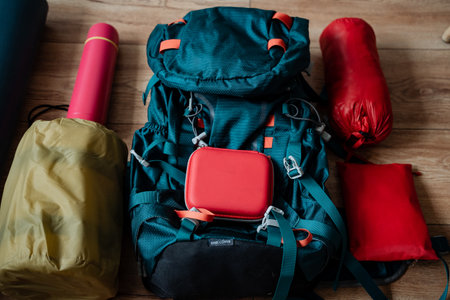
When it comes to backpacking in the UK, every ounce in your rucksack matters. Unlike car camping, where you can afford to bring along a few home comforts, backpackers must carefully consider weight constraints. The unpredictable British weather and diverse landscapes—think rolling hills of the Lake District or rugged Scottish Highlands—require you to be prepared for anything, but without overburdening yourself.
Multi-Functional Gear Is Key
Backpackers often opt for gear that serves more than one purpose. A lightweight waterproof jacket that doubles as a windbreaker, a sleeping bag suited for various seasons, and a compact stove all help save space and weight. Consider packing a buff or neck gaiter—it can transform into a hat, scarf, or even a towel when needed. Choosing items with versatility means fewer things to carry on those long UK trails.
Tips for Navigating UK Trail Conditions
UK trails can be muddy, rocky, and sometimes boggy, especially after rain. Good quality walking boots that are well broken-in will protect your feet from blisters and wet conditions. Quick-drying clothes are essential given the likelihood of showers. Always pack a map and compass—even if you plan to use GPS—as signal can be patchy in remote areas like Snowdonia or the Yorkshire Dales.
Packing Essentials for UK Backpackers
Your list should focus on absolute essentials: lightweight tent or bivvy bag, compact cooking kit, high-energy snacks (such as flapjacks or oat bars), water purification tablets, and a small first aid kit. Don’t forget a sturdy bin bag for rubbish—leave no trace is an important rule on UK trails. By thinking carefully about what you truly need and choosing items that earn their place in your pack, you’ll stay comfortable while enjoying the beauty of Britain’s great outdoors.
4. Room for Comfort: The Car Camper’s Advantage
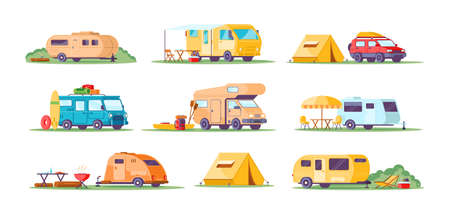
One of the biggest perks of car camping in the UK is having the luxury of space. When you’re not limited to what fits in a backpack, your packing list can expand to include items that bring an extra layer of comfort—especially important for families or groups looking to enjoy the great outdoors together. From plush airbeds to proper camp chairs and even a portable kettle for those much-needed cuppas, car camping allows you to create a “home away from home” vibe at your campsite.
Unlike backpacking, where every gram counts and compactness is key, car camping means you can pack bulkier items without worry. This difference is especially appreciated when camping with children or friends, as it allows everyone to have their creature comforts while still enjoying nature. Here’s a quick look at how the packing priorities shift:
| Item | Backpacking | Car Camping |
|---|---|---|
| Sleeping Arrangements | Lightweight sleeping bag, compact mat | Airbed, thick duvet, pillows |
| Cooking Gear | Tiny stove, one pot | Full-size stove, multiple pans, electric kettle (if on powered pitch) |
| Seating | Sit on ground or foldable pad | Cushioned camping chairs, folding table |
| Entertainment | Book or cards | Board games, outdoor toys, Bluetooth speaker |
| Food Storage | Small dry bag or cool pack | Large cool box, picnic basket, fresh food options |
| Shelter Extras | Tent only (minimal) | Larger tent, windbreaks, gazebo for shade/rain protection |
The British weather can be famously unpredictable, so being able to stash extra waterproofs or even wellies in your car makes family outings far more manageable. Plus, with space for those little luxuries—like a favourite teddy for the kids or a proper mug for Dad’s morning tea—everyone stays cheerful no matter what the Lake District throws at you! For UK families and friend groups, car camping isn’t just about convenience; it’s about creating lasting memories with all the comforts that make camping fun and relaxing.
5. Weather-Proofing Your Adventure: UK Specific Tips
If you’ve ever chatted to a Brit about the weather, you’ll know it’s a topic close to our hearts—and for good reason! The UK’s climate is famously unpredictable, meaning anyone venturing outdoors needs to be ready for just about anything. Whether you’re heading off with a rucksack or loading up the car boot, knowing how to prepare for the weather can make all the difference in your camping experience.
Understanding the British Weather Quirks
From sudden downpours in the Lake District to brisk coastal winds in Cornwall, the British weather keeps everyone on their toes. Backpackers and car campers alike should expect rapid changes: a sunny morning might turn drizzly by lunch. For backpackers, this means packing light yet effective layers, while car campers have the luxury of bringing extra comforts—think wellies and spare jumpers—without worrying about weight.
Must-Have Waterproof Gear
Waterproofs are non-negotiable! Invest in a sturdy waterproof jacket (with taped seams), lightweight overtrousers, and reliable boots. Backpackers should look for gear that packs small but offers solid protection; pack covers and dry bags are lifesavers for keeping kit dry. Car campers can throw in additional items like waterproof picnic blankets or gazebo shelters—since space isn’t as limited, why not add those cosy extras?
Preparing for Unpredictable Conditions
It pays to plan for every eventuality. Always include an extra pair of socks, quick-drying clothing, and plenty of layers. For families or groups, consider packing a deck of cards or books for those inevitable rainy spells inside the tent or car. Remember, it’s not just rain—mornings can be chilly even in summer, so a warm hat and gloves aren’t out of place in your kit.
Whether you’re hiking from campsite to campsite or settling into one spot with your family, adapting your packing list for British weather ensures you stay comfortable and keep spirits high—even when the clouds roll in. With thoughtful preparation, each puddle-jump and rainbow becomes part of your unique UK adventure story.
6. Leave No Trace: Respecting the British Countryside
Whether you are backpacking along the scenic trails of the Lake District or setting up a car camping spot in the rolling hills of the Cotswolds, respecting the British countryside is an essential part of your outdoor adventure. The UK’s natural beauty is a treasure for everyone, and following the principles of “Leave No Trace” ensures that these spaces remain pristine for future explorers.
Understanding Local Guidelines
Before you head out, take time to familiarise yourself with local regulations. In England and Wales, wild camping is generally not permitted without landowner permission, except for certain areas like Dartmoor (with restrictions). Scotland has more flexible rules under the Scottish Outdoor Access Code, but responsible behaviour is still expected everywhere. Car campers should use designated campsites whenever possible, while backpackers need to carefully select discreet and appropriate spots if wild camping is allowed.
Protecting Wildlife and Habitats
The UK countryside is home to many protected species and fragile habitats. When packing for your trip, remember to bring reusable containers and bags to minimise waste. Avoid disturbing nesting birds, grazing livestock, or delicate plants. Always pack out everything you bring in—including food wrappers and biodegradable items—and never leave rubbish behind.
Community Expectations and Good Manners
British communities take great pride in their rural landscapes. Simple acts—like closing gates after passing through, keeping noise to a minimum, and greeting fellow walkers with a friendly “hello”—go a long way towards maintaining good relations with locals. Car campers should be especially mindful of parking responsibly and avoiding overcrowding quiet laybys or village lanes.
Adapting Your Packing List for Responsibility
Your packing list should reflect your commitment to leaving no trace. Bring extra bin bags, a small trowel for burying toilet waste where appropriate, and eco-friendly soaps. If campfires are allowed (which is rare), use established fire rings and only burn local wood. Remember: what you carry in, you must carry out—this applies equally whether you’re trekking with just a rucksack or have the luxury of car boot space.
By embracing responsible camping practices unique to the UK’s environment and culture, every adventurer can help preserve these green spaces for generations of families to come—and ensure that every outing is a positive story waiting to be shared.