Introduction: Embracing Coastal Campfire Cooking
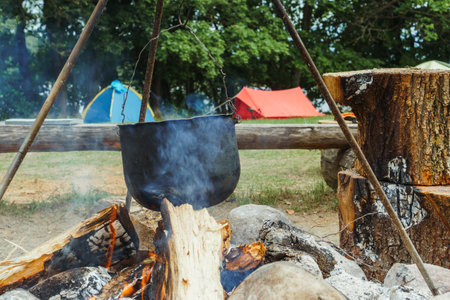
Britain’s coastline stretches for thousands of miles, shaping not only the land but also its culture and culinary heritage. From the rugged cliffs of Cornwall to the windswept beaches of Northumberland, the UK’s shores are teeming with life—especially when it comes to seafood. Generations of coastal dwellers have relied on the bounty of these waters, making shellfish and fish an essential part of British camping traditions. There’s something uniquely satisfying about gathering around a campfire by the sea, one-pot bubbling away, filling the salty air with mouthwatering aromas. Cooking fresh mussels, cockles, or line-caught mackerel over a single flame isn’t just practical; it’s a nod to age-old ways of living off the land and sea. This connection to nature and history is what makes coastal campfire cooking so alluring for British campers. Each meal becomes more than just sustenance—it’s a taste of Britain’s maritime past, enjoyed right where the waves meet the wild.
Essential Gear and Prep for Coastal Cooking
If you’re planning to cook up a proper coastal feast while camping along the UK’s rugged shores, kitting yourself out properly is half the battle. The British seaside throws all sorts at you—howling winds, sideways rain, and salt spray that’ll eat through cheap kit in a weekend. Here’s a no-nonsense guide to getting your gear right, prepping for fickle weather, handling seafood safely, and knowing the local legal ropes before you even strike a match.
Choosing Hard-Wearing Kit
Quality trumps quantity every time. Opt for robust cast iron or stainless steel pots—nothing flimsy that’ll warp on an open flame. A heavy-bottomed pot with a tight-fitting lid is ideal for one-pot shellfish and fish recipes. Don’t forget a solid windproof stove if campfires aren’t permitted; many UK beaches restrict open flames.
| Essential Item | Why It Matters | Recommended Material |
|---|---|---|
| One-pot Cooker | Handles mixed seafood dishes efficiently | Cast Iron / Stainless Steel |
| Windbreak/Stove Shield | Keeps flame steady in coastal gusts | Aluminium / Steel |
| Sharp Filleting Knife | Makes prepping fresh catch safer and easier | High Carbon Steel |
| Thick Gloves | Protects from shell cuts and hot pots | Neoprene / Leather |
| Food-safe Cool Bag/Ice Pack | Keeps seafood fresh until cooking time | Nylon with Thermal Lining |
| Collapsible Washing Basin & Biodegradable Soap | Keeps kit clean without harming local wildlife | Plastic / Silicone Basin, Plant-based Soap |
Weather-Proofing Your Camp Kitchen
Batten down the hatches. Always pack extra tarps or a lightweight gazebo—coastal weather can turn foul in minutes. Make sure your cooking area is sheltered from wind but well-ventilated to avoid smoke build-up. Secure everything; even mugs can become projectiles when a squall rolls in.
Packing for British Weather: Quick Checklist
- Tarp or windbreak: For shelter and privacy.
- Waterproof matches/lighter: Damp air will ruin standard lighters.
- Layered clothing: Stay warm and dry while you cook.
- Dry bags: Keep ingredients and kindling bone-dry.
- Spares: Always have backup fuel and fire starters.
Safe Seafood Handling in the Wild
The UK coast offers bountiful seafood, but safety comes first. Keep shellfish chilled until ready to cook, and discard any that don’t close when tapped—they’re not safe to eat. Use clean, cold water from a trusted source for rinsing fish and shellfish. Never mix raw and cooked items on the same board or plate, and always wash hands after handling raw seafood.
Basic Seafood Safety Rules for Campers:
- If in doubt, throw it out.
- Avoid harvesting during algal blooms (red tides).
- Sourcing locally? Know your tides and legal limits (see below).
- Bivalves (mussels, clams) should be cooked thoroughly until shells open wide.
- Cooled leftovers? Bin them—seafood spoils fast outdoors.
Local Laws: Know Before You Go
The British coastline isn’t a free-for-all. Harvesting shellfish and fishing are tightly regulated to protect stocks and ensure public health. Check signage at beach access points for local restrictions, closed seasons, or protected areas (like SSSIs—Sites of Special Scientific Interest). In England and Wales, you may need permits for certain species or locations—especially cockles or razor clams—and size limits apply across the board. Scotland has its own set of rules, so check with the local council or Marine Scotland before setting traps or nets. Ignorance won’t save you from fines—or worse, endangering sensitive habitats.
3. Sourcing Fresh Shellfish and Fish
If you’re planning to enjoy the true taste of the British coastline, sourcing your seafood responsibly is as important as cooking it well. There are three main approaches: foraging, buying from local fishmongers, or catching your own — each with its own set of rules and considerations.
Foraging Responsibly
The UK’s rocky shores are teeming with wild mussels, cockles, winkles, and more, but it’s vital to forage sustainably. Only take what you need, choose shellfish of legal size, and avoid over-harvesting from a single spot. Always check local tide tables before setting out; not only does this ensure your safety, but some areas are only accessible at low tide. Keep an eye on seasonal restrictions and local bylaws—some stretches of coast are protected habitats where collecting shellfish is illegal.
Buying from Local Fishmongers
If you prefer a reliable option, seek out a proper British fishmonger in seaside towns or markets. Look for clear eyes and fresh scent in fish, tightly closed shells on live shellfish, and always ask about the catch’s origin. Supporting local fishmongers helps sustain traditional livelihoods and ensures you’re getting produce landed recently rather than flown halfway round the world.
Catching Your Own: Lines, Nets & Legalities
Anglers can try their luck from piers or beaches for species like mackerel, bass, or flatfish. If you’re keen on crabbing or lobster pots, check that you’re using legal gear and respect minimum landing sizes. In Scotland and many parts of England and Wales, there are strict regulations about what you can take home — so read up on current laws before casting off. Never take undersized or protected species; return them safely to the sea.
Respecting the Sea: Safety First
No matter how you source your seafood, always respect the power of the sea. Plan around tide times to avoid being stranded or caught by rising water. Wear sturdy boots for slippery rocks, bring a first aid kit, and let someone know your plans if venturing into remote areas.
Summary
By following these guidelines — foraging carefully, supporting local trade, and fishing legally — British campers can enjoy one-pot coastal feasts with a clear conscience and a healthy respect for nature’s larder.
4. Classic One-Pot Shellfish and Fish Recipes
British Chowder: Hearty Coastal Comfort
If you’re after a taste of the rugged British coastline, nothing delivers quite like a classic British chowder. This one-pot wonder is perfect for campers who want warmth, flavour, and simplicity. Here’s a step-by-step guide:
- Ingredients: Smoked haddock, potatoes, onions, celery, sweetcorn, milk, bay leaf, black pepper.
- Prep: Dice the potatoes and onions. Tear the smoked haddock into chunks.
- Cook: In your campfire pot, soften onions and celery in a splash of oil. Add diced potatoes and just cover with water. Simmer until nearly tender.
- Add Fish: Lay haddock pieces atop the veg. Pour in milk to cover. Add bay leaf and black pepper.
- Finish: Simmer gently until fish flakes easily. Stir in sweetcorn and heat through.
- Serve: Ladle into mugs or bowls with crusty bread for dunking.
Cockle and Mussel Stew: Seaside Tradition in a Pot
This stew channels Welsh and Cornish shoreside tradition—briny, filling, and perfect after a long day hiking cliff paths.
- Ingredients: Fresh cockles, mussels, leeks, garlic, white wine (or cider), parsley, black pepper.
- Prep: Rinse shellfish thoroughly; discard any open ones that won’t close when tapped. Chop leeks and garlic.
- Sauté Base: In your pot, soften leeks and garlic in oil over the fire.
- Add Shellfish: Toss in cockles and mussels. Splash with wine or cider. Cover tightly.
- Steam: Cook 5–8 minutes until shells open wide (discard any that stay closed).
- Finish & Serve: Stir in chopped parsley and season with pepper. Serve steaming hot with hunks of buttered granary bread.
Campfire Mackerel Hotpot: Quick Coastal Fuel
Mackerel is a British angler’s staple—oily, satisfying, and quick to cook over coals or flame. Try this robust hotpot after landing your catch.
- Ingredients: Fresh mackerel fillets, new potatoes, tomatoes, red onion, fresh thyme, sea salt.
- Prep: Slice potatoes thinly; quarter tomatoes; slice onion finely; sprinkle thyme leaves over fish fillets.
- Layer & Cook:
| Step | Description |
|---|---|
| Add Potatoes | Create a base layer of sliced potatoes in your pot; season lightly with salt. |
| Add Veg & Fish | Ladle on tomato quarters and sliced onion. Place mackerel fillets skin-side up on top. |
| Add Liquid | Add just enough water or stock to come halfway up contents. |
| Braise | Cover pot tightly; simmer over embers until potatoes are soft (about 20 mins) and mackerel is cooked through but not dry. |
Tough Tips for Camp Cooking Success
- Always cook shellfish alive – safety first; dead shellfish can make you ill fast on the trail.
- A heavy-lidded pot traps steam and keeps everything moist—even on blustery beaches.
- If wind picks up, dig your fire pit lower or shield it with rocks for steady heat control.
The True Taste of the Coast
No matter where you pitch up along Britain’s wild shoreline—Cornwall’s coves or Yorkshire’s crags—these one-pot classics bring local flavours straight to your campfire plate. All you need is fresh seafood, simple kit, and a bit of coastal grit to eat like a seasoned Brit outdoorsman.
5. Campfire Hints and Safety on the UK Coast
Survival-centred Tips for Lighting a Fire in British Weather
On the windswept British coast, building and maintaining a reliable campfire is both an art and a test of grit. The key is preparation—scout sheltered nooks behind dunes or rocky outcrops to shield your flames from relentless sea breezes. Gather driftwood with caution; only use dry pieces above the tide line, as salty, damp wood will smoulder rather than burn. For tinder, pack cotton balls smeared with petroleum jelly or bring a trusty firelighter, as local bracken and heather may be too wet to ignite. A sturdy stormproof lighter or waterproof matches are essential in the fickle coastal weather—don’t rely on a single ignition source.
Maintaining Your Coastal Fire: Hard-won Wisdom
Once lit, keep your fire modest—a low, controlled blaze is easier to manage when the wind shifts suddenly. Stack stones in a circle to anchor your fire pit and act as a windbreak. Feed fuel gradually, and never leave the flames unattended; gusts can send sparks skittering across dry grass or sand dunes in seconds. Always have water or sand within arm’s reach for instant extinguishing if things go awry.
Leave No Trace: Best Practice for Coastal Camps
Respect for the wild places we cook in is paramount. After your seafood feast, let your fire burn down completely to ash. Douse it thoroughly with seawater or fresh water—stir until cold to the touch. Scatter ashes and any stone circle you built, leaving no sign of your presence except perhaps the lingering scent of grilled mackerel on the breeze. Collect all rubbish and food scraps; don’t feed gulls or leave shells behind, as these disrupt local wildlife balance. The wild British coast will only remain pristine if each camper treads lightly—leaving nothing but memories and empty shellfish pots behind.
6. Adding a Brit Twist: Local Flavours and Accompaniments
When it comes to coastal camping in the UK, the real magic lies not just in fresh shellfish and fish, but in the unique local flavours you can weave into your campfire cooking. To truly capture the spirit of Britain’s seaside larder, start by foraging or sourcing regional ingredients that evoke the wild landscape.
Harnessing Coastal Wilds
For a punch of briny freshness, try tossing in some samphire—also known as “sea asparagus.” This salty green thrives along British shorelines and adds both crunch and minerality to one-pot stews and chowders. Pair it with mussels or cockles, letting the samphire’s snap echo the sea spray in every bite.
Wild Garlic: The Forager’s Gem
If you’re near woodland edges or shaded riverbanks, keep an eye out for wild garlic. Its tender leaves impart a mellow, garlicky depth to broths without overpowering the delicate fish or shellfish. Roughly chop a handful and stir it in at the last minute for an aromatic hit that feels unmistakably British.
The Ale Factor
No true Brit camper’s pot would be complete without a splash of local ale. Swap plain water or stock for a generous glug of Cornish bitter or Yorkshire pale ale; this brings a malty backbone to your dish, enhancing both richness and authenticity. The subtle bitterness balances out cream-based sauces and highlights the sweetness of fresh seafood.
Accompaniments Worth Packing
Round out your meal with classic sides: crusty bakery bread—ideally from a village shop—and lashings of salted butter. For that extra northern touch, try oatcakes as dippers for your chowder or stew. And don’t forget a wedge of sharp English cheddar or pickled onions on the side; these little extras transform a humble camp meal into a celebration of local culture.
In Summary
By folding these regional tastes into your campfire recipes, you’ll not only eat well but also immerse yourself in the true character of the British coast. It’s more than just food—it’s a hardy homage to place and tradition that will linger long after the embers die down.
7. Wrapping Up: The Spirit of British Coastal Adventure
There’s something inherently British about braving the wild, windswept coast and embracing whatever the elements throw your way. Cooking one-pot shellfish and fish recipes at the water’s edge is more than just a meal—it’s an invitation to step outside your comfort zone and taste the untamed spirit of the UK’s shores. Whether you’re huddled beside a smoky campfire on a pebbled Cornish beach or tucked behind dunes in Northumberland, every meal becomes a memory when salt air tinges your food and the tide sets your rhythm.
Embracing Unpredictability
No two days by the British coast are quite alike—mist might roll in off the North Sea, rain could lash down from nowhere, or you might be treated to a golden sunset over calm waters. These shifting elements don’t just challenge you; they enrich your culinary experience. Cooking outdoors with locally sourced shellfish and fish means adapting to what you find and making do with what you’ve brought. It’s a lesson in resilience, resourcefulness, and living in the moment—the true hallmarks of British camping tradition.
The Rewards Await
There’s deep satisfaction in pulling off a hearty seafood stew or a spicy cockle pot using only simple kit and fresh ingredients. The flavours are brighter, the textures richer, when enjoyed after a day spent foraging or fishing along blustery cliffs or tidal flats. This is what sets coastal cooking apart: it’s not just about filling your belly, but feeding your adventurous soul.
Your Turn to Taste the Coast
So next time you head out with your tent and stove, remember that each trip to Britain’s wild edge is an opportunity—one where you can savour both unpredictability and reward. Let the sea air sharpen your appetite, let local catches inspire your pot, and let each meal anchor you firmly to our unique island heritage. Embrace the challenge, seize the flavour, and let every dish tell its own story of British coastal adventure.