Introduction to Wild Camping in the UK
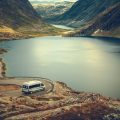
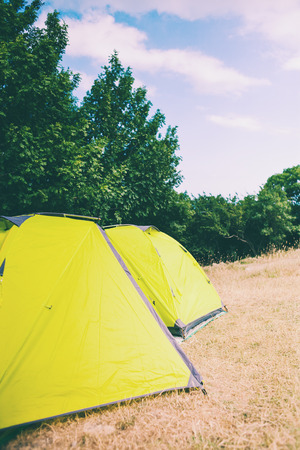
Wild camping, at its core, refers to pitching a tent or bivvy outside of designated campsites and established caravan parks, immersing oneself directly in the natural landscape. In the UK, this practice conjures images of rugged moorlands, windswept beaches, and remote woodlands—an echo of a time when people freely roamed and slept under the open sky. Traditionally, wild camping is entwined with the British spirit of adventure and self-reliance, drawing on centuries-old customs where land access was less restricted and a deep connection to nature was both necessary and celebrated. However, as modern life encroaches upon these wild spaces and legal frameworks become more complex, the place of wild camping within British culture remains both cherished and contested. This introduction sets the stage for exploring how public attitudes towards wild camping intersect—and often clash—with the realities dictated by contemporary laws across England, Wales, Scotland, and Northern Ireland.
Legal Framework Surrounding Wild Camping
When it comes to wild camping in the UK, the legal landscape is a patchwork of differing regulations across its constituent nations. While romanticised notions of pitching your tent under the open sky are common, the law often tells a different story. Let’s break down the current laws, access rights, prohibitions, and exceptions in England, Scotland, Wales, and Northern Ireland.
England: Restrictive by Default
In England, wild camping is generally not permitted without landowner permission. The majority of land is privately owned, and trespassing laws apply. Dartmoor National Park was historically an exception, but recent court rulings have even curtailed those rights. Enforcement varies, but campers risk being asked to move on or face fines.
Scotland: Open Access Tradition
Scotland stands apart thanks to the Land Reform (Scotland) Act 2003, which enshrines responsible access to most land and inland water for recreation—including wild camping. However, this freedom comes with responsibilities: campers must follow the Scottish Outdoor Access Code, which outlines respectful behaviour towards landowners and the environment. Specific byelaws restrict camping around Loch Lomond due to overuse.
Wales: Following England’s Lead
Like England, wild camping in Wales is largely illegal without explicit consent from the landowner. While parts of Snowdonia and other national parks may tolerate discreet camping, there are no legal rights akin to those in Scotland. Rangers or landowners can request campers to leave at any time.
Northern Ireland: Highly Restricted
Northern Ireland has some of the strictest controls regarding wild camping. Almost all land is privately owned or managed by public bodies that prohibit unauthorised overnight stays. Some forest parks and managed sites allow camping with prior arrangement, but spontaneous wild camping is rarely tolerated.
UK Wild Camping Legal Overview
| Nation | General Legal Status | Exceptions/Notes |
|---|---|---|
| England | Illegal without permission | Dartmoor (limited), some tolerant areas with discretion |
| Scotland | Legal with conditions | Must follow Outdoor Access Code; restrictions at Loch Lomond |
| Wales | Illegal without permission | No statutory right; tolerated in select upland areas if discreet |
| Northern Ireland | Illegal without permission | A few managed sites permit with arrangement; very limited wild camping tolerance |
Access Rights and Responsibilities
The legal distinctions across the UK reflect varying attitudes towards land ownership and public access. In practice, responsible behaviour—such as leaving no trace and respecting local communities—can influence how strictly laws are enforced. However, understanding these legal boundaries is crucial for anyone planning a wild camp in Britain’s diverse landscapes.
3. Public Perceptions and Cultural Attitudes
Wild camping holds a unique place in the British imagination, often conjuring images of rugged independence and a deep-rooted connection to the land. For many across the UK, the allure of pitching a tent beneath the stars speaks to a longing for freedom, adventure, and escape from urban life. This sentiment is steeped in the nation’s cultural heritage, where tales of explorers and ramblers braving the wilds have shaped collective attitudes over generations.
Freedom and Escape
The British public frequently associates wild camping with personal liberty—an opportunity to break free from restrictive routines and reconnect with nature on one’s own terms. The act of sleeping out under open skies taps into a sense of self-reliance, as campers are required to depend on their own skills and resourcefulness. For some, it is an assertion of independence; for others, it is an antidote to the pressures of modern society.
Self-Reliance: A Core Value
Embedded within the culture is a respect for those who can thrive in challenging environments. Wild camping demands practical knowledge—how to select a safe spot, manage supplies, and leave no trace. These skills are not only admired but also seen as character-building, reflecting a tradition of hardy outdoorsmanship that resonates strongly within rural and urban communities alike.
Connection to Countryside Heritage
There is also a profound sense of belonging that comes from spending time in Britain’s varied landscapes. Many view wild camping as a way to engage directly with the countryside, fostering appreciation for its beauty and fragility. This connection is more than recreational; it is often regarded as a quiet act of stewardship, encouraging respect for both the environment and the rights of others who share these spaces.
While attitudes toward wild camping are generally positive, they are nuanced by local customs, generational perspectives, and ongoing debates about land access. Still, at its heart, wild camping remains closely tied to enduring British ideals: freedom, resilience, and an intimate relationship with the natural world.
4. Common Misconceptions vs. Legal Reality
Wild camping in the UK is shrouded in myth and misunderstanding. Many adventurers assume that the freedom to roam extends to pitching a tent wherever the landscape allows, influenced by romantic notions of British countryside rights and selective anecdotes from seasoned hikers. However, the legal framework tells a different story, with distinct lines drawn between public perception and what’s truly permitted.
Highlighting the Gap: What People Believe vs. The Law
The difference between what people think is allowed and what is legally sanctioned can be dramatic. For instance, it’s common for campers to believe that as long as they’re respectful and leave no trace, wild camping is tolerated everywhere—yet this isn’t the case outside of specific areas like Dartmoor or parts of Scotland.
| Common Assumption | Legal Reality | Supporting Anecdote / Reference |
|---|---|---|
| “You can camp anywhere on public land if you’re discreet.” | Wild camping is generally illegal on most land without landowner permission except in some areas (e.g., Dartmoor Commons Act 1985, Scottish Outdoor Access Code). | A Wiltshire walker fined for camping on National Trust land despite ‘stealth’ approach (Wiltshire Times, 2022). |
| “It’s fine as long as you clean up after yourself.” | Leaving no trace is good practice but does not override trespass laws. | Cumbrian farmer requesting removal of tents from private fellside despite campers’ tidiness (BBC Cumbria, 2021). |
| “Scotland lets you wild camp anywhere.” | The Scottish Outdoor Access Code permits wild camping on most unenclosed land, but there are restrictions near lochs and during busy periods. | Temporary camping bans at Loch Lomond due to overuse (Loch Lomond & Trossachs National Park Authority, 2017). |
| “Dartmoor is open to all campers.” | Dartmoor National Park has recently limited wild camping rights after a landmark court ruling; only certain mapped areas are now permitted. | Dartmoor High Court case restricting rights (The Guardian, 2023). |
The Roots of Misconception
The persistence of these myths often stems from social media stories or advice passed down through outdoor communities rather than official guidance. British culture values quiet resilience and resourcefulness—qualities at home in survival tales—but these attitudes sometimes clash with property law and conservation concerns.
Case Study: Lake District Encounters
A group of young backpackers recounted setting up camp above Ullswater, believing their minimal impact would be appreciated. Instead, they were woken by a park ranger reminding them that all wild camping in the Lake District requires explicit permission from landowners—a jarring wake-up call that highlighted the gap between perceived freedom and actual legal boundaries.
Key Takeaway for Wild Campers:
If you plan to wild camp in the UK, don’t rely solely on word-of-mouth or online forums. Always check local bylaws and seek landowner permission where required. The cultural tradition of “getting away with it” might sound romantic, but knowing the law is your best defence against fines—or worse, being asked to pack up in the middle of the night.
5. Conflicts, Challenges, and Controversies
Addressing Tensions Between Wild Campers, Landowners, and Authorities
The wild camping debate in the UK is rife with friction between those seeking solitude in the great outdoors and those responsible for managing the land. Landowners, particularly in England and Wales where the law is restrictive, often find themselves at odds with wild campers trespassing on their property. While many campers act respectfully, a minority disregard boundaries and leave behind mess, fuelling negative perceptions. Local authorities are then forced to mediate disputes, balancing public access with private rights and environmental protection.
Littering and Environmental Impact
One of the most visible sources of conflict stems from littering and environmental degradation. Despite the “leave no trace” ethos championed by responsible outdoor enthusiasts, irresponsible behaviour—such as abandoned tents, campfires scars, and rubbish—tarnishes wild spaces and inflames tensions. Landowners fear that increased footfall will lead to erosion, harm wildlife habitats, and pollute water sources. Consequently, blanket bans or tighter restrictions are sometimes introduced, punishing all for the actions of a few.
Broader Societal Concerns
Beyond immediate environmental damage, there are broader societal issues at play. The right to roam versus the sanctity of private property is a long-standing British debate. Some view wild camping as an assertion of ancient freedoms; others see it as a threat to rural livelihoods and local customs. Incidents involving anti-social behaviour, noise disturbances, or unauthorised gatherings further complicate matters. These events feed into a narrative of “outsiders” disrespecting cherished landscapes, creating divisions within communities.
Navigating Towards Solutions
Resolving these conflicts requires open dialogue between all parties. Education campaigns promoting responsible camping practices can help shift attitudes on both sides—highlighting not only what is legal but also what is respectful. Meanwhile, some landowners have trialled permit schemes or designated wild camping areas as a pragmatic compromise. Ultimately, striking a balance between public enjoyment of wild spaces and their preservation remains an ongoing challenge within the evolving British cultural landscape.
6. Navigating Wild Camping in Practice
For those drawn to the rugged beauty of Britain’s wild places, navigating wild camping within the law requires a blend of hard-nosed practicality and cultural sensitivity. The first rule is simple: do your homework. In England and Wales, wild camping is technically illegal without landowner permission, except for certain areas such as parts of Dartmoor. Scotland offers more freedom under the Land Reform (Scotland) Act 2003, but even here, responsible behaviour is crucial. Always check local regulations before heading out—ignorance is no defence if you’re challenged by a gamekeeper or landowner.
Understand the Legal Boundaries
If you choose to camp outside designated sites, seek explicit permission from landowners whenever possible. If that’s not feasible, opt for remote locations well away from homes, roads, and farmland. In Scotland, follow the Scottish Outdoor Access Code: camp in small groups, stay only two or three nights in one spot, and avoid sensitive areas such as fields of crops or livestock.
Adopt a Survivalist Mindset
Hard skills matter. Pack light but cover the essentials: shelter, water filtration, fire-starting kit, and an OS map. Keep your footprint minimal—leave no trace is more than a slogan; it’s a necessity to maintain public tolerance. Never cut live wood for fires and resist the urge to build stone rings or other permanent structures.
Respect Local Customs
Cultural attitudes towards wild camping can be wary or even hostile in some rural communities. Be discreet: arrive late, leave early, and keep noise to a minimum. If approached by locals or authorities, be polite and prepared to move on without argument. Express gratitude and respect for their concerns—it’s often the difference between being welcomed back or banned for good.
Practical Advice for Staying Within the Law
Avoid lighting open fires unless conditions and rules allow—use a portable stove instead. Pack out all rubbish, including biodegradable waste like orange peels or tea bags. Stay off private estates during sensitive periods such as lambing season or grouse shoots. Above all, remember that access is a privilege shaped by public perception—every wild camper’s conduct impacts the future of this tradition.
7. Conclusion: Towards Responsible Wild Camping
In summary, wild camping in the UK is shaped by a complex interplay of cultural attitudes and legal frameworks. While there is a strong tradition of connecting with nature and valuing outdoor freedoms, these ideals often clash with the realities of property rights and environmental protection. Public perception tends to be more relaxed, influenced by romanticised notions of adventure and self-reliance, yet the legal reality remains strict—especially across much of England and Wales, where land access is highly regulated. Scotland stands as an exception, with its more permissive laws reflecting a distinctive national outlook on shared landscapes. However, regardless of location, the onus lies on campers to act responsibly. By understanding both the spirit and the letter of local regulations, respecting private land, and practising Leave No Trace principles, wild campers can help preserve access for future generations. Ultimately, fostering a culture of mutual respect between landowners, local communities, and outdoor enthusiasts is essential. As attitudes continue to evolve and pressures on the countryside grow, a balanced approach—rooted in respect for both people and place—is vital for the sustainable enjoyment of wild camping in the UK.