Choosing the Right Spot
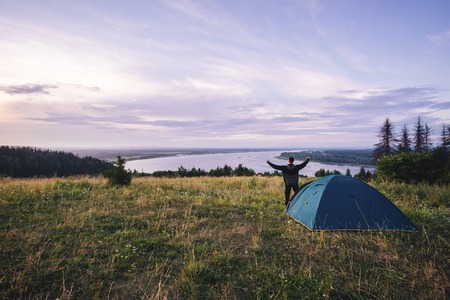
If you’re planning to pitch your tent in the British Peak District, the first and arguably most important step is choosing where to set up camp. Unlike some countries, wild camping isn’t broadly permitted in England, so it’s essential to understand both the regulations and local etiquette. Most of the land in the Peak District is privately owned, which means you’ll need permission from the landowner if you want to camp outside official sites.
When looking for a spot, keep safety at the forefront. Avoid pitching up on exposed ridges or summits; the weather here can turn quickly, with strong winds and sudden rain sweeping across open ground. Instead, look for sheltered areas such as behind dry stone walls or nestled within valleys—just be mindful not to damage vegetation or disturb wildlife.
The landscape itself can be deceptive. What might look like a flat patch could turn into a bog after heavy rain, so always check the ground carefully before settling down. It’s also good practice to stay well away from water sources—not just to preserve their cleanliness, but also to avoid unexpected flooding.
Above all, respect the countryside code: leave no trace, keep noise to a minimum, and take all litter with you. If in doubt about whether you’re allowed to camp somewhere, it’s best to move on rather than risk upsetting locals or fellow walkers. The Peak District is stunning precisely because people care for it—make sure your choice of pitch helps keep it that way.
Respecting Local Wildlife and Landowners
If you’re planning to pitch a tent in the stunning British Peak District, it’s essential to remember that you’re not just a visitor—you’re a guest of both the natural environment and the people who call this area home. The landscape is rich with wildlife, delicate ecosystems, and working farms, so your actions can have a real impact. Here’s how you can minimise your footprint and keep relations friendly with local landowners.
The Countryside Code: Your Essential Guide
The first rule of thumb for any outdoor adventure in the UK is to follow the Countryside Code. This set of guidelines helps everyone enjoy the outdoors while protecting it for future generations. Key principles include respecting other people, protecting the natural environment, and enjoying the outdoors responsibly.
Key Do’s and Don’ts for Campers
| Do’s | Don’ts |
|---|---|
| Stick to established paths and pitches whenever possible | Trample on sensitive habitats or venture into private fields without permission |
| Take all your litter home with you | Leave rubbish or food waste behind—this can harm wildlife and livestock |
| Keep noise levels low, especially at night | Disturb farm animals or nesting birds with loud music or shouting |
| Always close gates behind you and respect signs | Ignore “No Camping” or “Private” notices—always seek permission if unsure |
| Use a camping stove instead of open fires to avoid damaging grassland | Light campfires unless you have explicit permission from the landowner |
| Observe wildlife quietly from a distance; take only photos, leave only footprints | Pick wildflowers, disturb animal habitats, or feed wild animals |
Keeping Landowners on Side
The Peak District is criss-crossed with working farms and privately owned land. Many areas do not permit wild camping without prior consent. If you wish to camp outside designated sites, always ask for permission first—most landowners appreciate being asked, even if they sometimes have to say no. Remember, a friendly chat goes a long way in rural communities!
Final Thoughts on Responsible Camping
Packing out what you bring in, showing respect for the countryside, and maintaining good manners with locals ensures that campers are welcome now and in the future. Stick to these do’s and don’ts, follow the Countryside Code, and you’ll help preserve the beauty of the Peak District for everyone.
3. Essential Gear and Preparation
If you’ve ever braved the British Peak District, you’ll know that its weather can be as unpredictable as a game of cricket in April. To avoid a soggy disaster or a windswept nightmare, you’ll need to kit yourself out properly and do some solid prep before heading off into the hills.
The Must-Have Kit Checklist
First up: your tent. Don’t settle for anything flimsy; invest in a robust, double-skinned tent with a proven track record against wind and rain—think of brands like Vango or Terra Nova, which are well-loved by UK campers. Pegs should be sturdy enough to cope with rocky ground and gusty evenings. For your sleep system, bring a four-season sleeping bag (even in summer, temperatures can drop sharply) and an insulated mat for extra comfort on uneven terrain.
Waterproofs Are Non-Negotiable
A proper waterproof jacket and trousers are essential—not just shower-resistant, but fully waterproof with sealed seams. The Peak District’s weather can turn on a sixpence, so pack layers: moisture-wicking base layers, a warm mid-layer (fleece or down), and quick-dry socks are all musts. Don’t forget a hat and gloves; you’ll thank yourself during those chilly morning starts.
Navigation Tools and Safety Kit
Bring an Ordnance Survey map (OL1 or OL24 cover most of the area) and a reliable compass—GPS is handy, but batteries fail. A torch or headlamp (with spare batteries), whistle, first aid kit, and fully charged mobile phone round out the safety essentials. If wild camping, carry a trowel for responsible loo breaks and always have enough water purification options, whether tablets or a filter bottle.
Preparation: Plan Like a Pro
Check local regulations—many areas in the Peak District restrict wild camping, so research permitted sites or get landowner permission where needed. Let someone know your route and expected return time. Finally, keep an eye on the Met Office forecast up to the day of departure; being caught off guard by heavy rain or high winds is no fun at all.
With these essentials sorted, you’ll be well equipped to face whatever the Peak District throws at you—and actually enjoy your adventure rather than just surviving it.
4. Campfire and Cooking Etiquette
Nothing beats a hot cuppa or a hearty meal after a day’s trek in the Peak District, but before you spark up your stove or dream of a campfire, it’s vital to know the local rules and best practices. Open fires are generally discouraged—or outright banned—in much of the Peak District due to the risk of wildfires and damage to fragile moorland habitats. Here’s how to cook safely, stay on the right side of the law, and tread lightly on this beloved landscape.
Practical Tips for Safe Outdoor Cooking
| Do | Don’t |
|---|---|
| Use a portable camping stove (gas or spirit) on a stable, non-flammable surface. | Build open fires or fire pits directly on the ground—this is usually illegal and can scar the land. |
| Check for local restrictions or fire bans before setting up your cooking gear. | Leave stoves unattended or cook near dry grass, bracken, or peat bogs. |
| Keep water or sand handy to extinguish any accidental flare-ups swiftly. | Dispose of hot ashes or fuel containers irresponsibly—always pack them out. |
| Cook away from tents and flammable materials, and shield flames from the wind. | Use disposable barbecues; they cause lasting damage and are often prohibited. |
Respecting Local Rules and Wildlife
The Peak District National Park Authority and many landowners strictly enforce rules against open fires for good reason—peat soils burn underground and can smoulder for weeks. Stick to recognised cooking methods like gas stoves. Always check signage at car parks or popular spots for updates on fire safety regulations. If in doubt, ask at a local outdoor shop or visitor centre—they’re usually happy to advise.
Minimising Your Environmental Footprint
- Avoid single-use plastics—opt for reusable utensils, mugs, and food containers.
- Take all rubbish home with you, including food scraps which attract wildlife.
- Use biodegradable soap if washing up outdoors (well away from streams).
- If you spill anything, dilute it with plenty of water and scatter soil over it to help nature recover quickly.
Brewing Up Responsibly
A proper brew is almost essential when camping in Britain! Use just enough fuel for your needs, keep your kit compact, and make sure your spot is left as pristine as you found it. That way, everyone can continue to enjoy the wild beauty—and that well-earned cuppa—in years to come.
5. Leave No Trace Principles
When pitching your tent in the beautiful Peak District, respecting the landscape is non-negotiable. The Leave No Trace principles are crucial for every camper, and there are some key dos and don’ts to keep in mind to ensure you’re doing your bit to preserve this national treasure.
Do: Clear Up Thoroughly
Before you break camp, make absolutely sure you’ve packed away all of your rubbish, leftover food, and even tiny bits like bottle tops or tea bags. Littering isn’t just unsightly; it can harm local wildlife and spoil the experience for others. Bring a rubbish bag with you and take everything home – bin facilities aren’t always available or suitable for campers’ waste.
Don’t: Bury or Burn Rubbish
Burying waste might seem like a quick fix, but it’s not effective in the British climate and can easily be dug up by animals. Burning rubbish is also a big no-no as it leaves behind unsightly scorch marks and doesn’t fully destroy many types of waste. Always pack out what you bring in.
Do: Respect Toilet Etiquette
If you need to go wild, choose a spot at least 30 metres from water sources, footpaths, and campsites. Dig a small hole (about 15cm deep), do your business, then cover it up properly. Even better, use a portable toilet if you have one, and dispose of waste at designated sites once back in civilisation.
Don’t: Leave Wet Wipes or Sanitary Products
Unlike toilet paper, wet wipes and sanitary items don’t biodegrade quickly in the British countryside. Never leave them behind – always bag them up and take them away with you.
Do: Leave Your Pitch As You Found It
This means dismantling any makeshift fire pits or structures you may have created, brushing away signs of tent pegs, and making sure there’s no trace of your stay. The goal is that the next visitor – or curious sheep – shouldn’t know anyone was ever there.
Remember:
The Peak District’s natural beauty relies on all of us acting responsibly. By sticking to these simple Leave No Trace principles, you’ll help keep this stunning part of Britain unspoilt for everyone to enjoy.
6. Dealing with Wet Weather
If there’s one thing you can rely on in the Peak District, it’s the likelihood of a classic British drizzle making an appearance just as you’re getting your tent pegs in. Here’s my honest advice for handling wet weather like a local camper—staying dry, mud-free, and in good spirits despite the gloom.
Tent Positioning: Choose Your Spot Wisely
First things first: never pitch at the bottom of a slope or anywhere water naturally gathers. Even if the ground looks flat, a gentle incline is your friend—it’ll help rainwater run off rather than pooling under your tent. Avoid pitching near rivers or streams, as water levels can rise suddenly after heavy rain. If possible, look for slightly higher ground with natural windbreaks from hedges or stone walls, but don’t get too close to trees; dripping branches can prolong the dampness and increase the risk of falling twigs in windy spells.
Mud Management: Keep Kit Clean and Dry
Peak District rain brings mud—lots of it. Lay down a sturdy groundsheet or footprint beneath your tent to keep moisture at bay. Outside the tent, designate a ‘muddy zone’ for boots and wet gear (a cheap doormat works wonders). Bring plenty of bin bags or dry sacks to stash muddy clothes before they make their way inside. Always pack an extra pair of socks and trousers; nothing saps morale like spending all day in soggy kit.
Ventilation: Don’t Seal Yourself In
It might be tempting to zip everything tight against the rain, but that’s a fast track to condensation and damp sleeping bags. Use your tent’s vents or open zips a crack (under a sheltered porch if possible) to let moisture escape while keeping most of the wet out.
Staying Positive When It Pours
Rainy days are part of the British camping experience—so embrace them! Bring along some proper British tea (and maybe a packet of biscuits), pack a deck of cards or a good book, and swap stories with your campmates. A small tarp or shelter outside your tent creates a communal space for cooking or just watching the weather roll by. Remember: even the dreariest spell eventually gives way to those famous Peak District views—and you’ll have earned them all the more for braving the rain!
7. Peak District Camping Etiquette
Understanding the unwritten rules of British camping is key to having a memorable and pleasant experience in the Peak District. The local camping culture places a strong emphasis on respect—for the land, wildlife, and fellow campers. When pitching your tent, always keep noise levels down, especially after sunset; peace and quiet are highly valued here. It’s common courtesy to greet your neighbours with a friendly “hello” or a polite nod—British campers appreciate a bit of friendly small talk but also value personal space, so don’t be too intrusive.
Respect for Nature and Others
Always leave your pitch as you found it. That means taking all litter with you and avoiding any damage to the grass or surroundings. Stick to established paths when exploring, and avoid disturbing livestock or wildlife. Open fires are generally frowned upon unless in designated areas—use a camping stove instead.
Mind Your Manners
Queueing (lining up) is almost a national pastime in Britain, so be patient at shared facilities like showers or water taps. Keep these areas tidy for the next person. If you’re travelling with children or dogs, make sure they’re well-behaved and under control at all times—this keeps everyone happy and safe.
Local Customs Worth Noting
Finally, remember that wild camping is not widely permitted in the Peak District, so always camp at official sites unless you have explicit permission from landowners. A simple “thank you” goes a long way with locals and site managers alike. Embracing these small customs will help you blend in seamlessly and ensure a warm welcome wherever you pitch your tent.