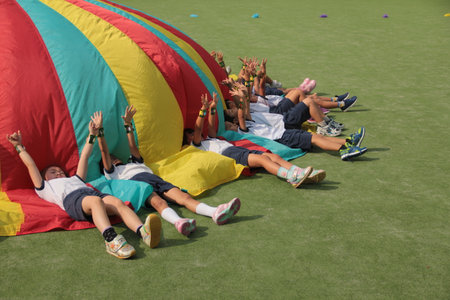
Introduction to British Sports Day
Imagine a bright summer afternoon, the air filled with laughter and the excited chatter of children. Across countless school fields and village greens in the UK, this scene comes alive every year during the much-anticipated British Sports Day. This cherished tradition is more than just an event; it’s a celebration of community spirit, friendly competition, and the joy of outdoor play. For generations, Sports Day has been a highlight of the school calendar and a beloved fixture in neighbourhoods across the country. Children, teachers, and families gather together to take part in classic lawn games, races, and group challenges that embody the very essence of British childhood. It’s an opportunity for everyone—no matter their age or ability—to cheer each other on and share in the delight of simple, wholesome fun. Through these friendly competitions, children learn about teamwork, perseverance, and good sportsmanship while building memories that last a lifetime. Whether you’re organising your first Sports Day or simply reliving fond memories, this tradition offers a wonderful way to bring people together and celebrate all that makes British community life so special.
Classic Lawn Games and Their British Heritage
When it comes to celebrating a true British Sports Day, nothing brings more joy and laughter than classic lawn games that have stood the test of time. These games not only spark friendly competition but also connect children to Britain’s rich sporting traditions. Let’s take a closer look at some favourites—each with its own delightful backstory and local significance.
Egg and Spoon Race
This charming game has been a highlight of British school sports days since the early 1900s. Children balance an egg (nowadays often a wooden or plastic one) on a spoon and race to the finish line without dropping it. The wobbly walk, giggles, and shouts of encouragement are all part of the fun! Historically, this race was believed to teach balance, patience, and careful movement—skills every little Brit can use in life.
Sack Race
The sack race is another much-loved event, rooted in village fêtes and summer picnics across the UK for generations. Children hop from start to finish inside a burlap sack, cheered on by friends and family. It originated as a playful way for farm children to compete using everyday items found around the home. Today, it remains a symbol of friendly rivalry and togetherness.
Bean Bag Toss
Known in some regions as “bean bag throw” or “cornhole,” this game encourages hand-eye coordination while providing plenty of smiles. Players aim to toss bean bags into hoops or buckets set on the grass. It’s a flexible game that can be adapted for various ages and skill levels, making it perfect for inclusive family fun during Sports Day.
Overview of Classic Lawn Games
| Game | British Heritage | Main Skills Learned |
|---|---|---|
| Egg and Spoon Race | Early 20th century school events; teaches patience and balance | Balance, Coordination |
| Sack Race | Village fêtes; inspired by rural farm life | Agility, Strength |
| Bean Bag Toss | Traditional garden parties; adaptable for all ages | Aim, Teamwork |
Why These Games Matter Today
Bringing these traditional games into your Sports Day planning means more than just fun—it’s about passing down stories, values, and a sense of local pride to the next generation. As children laugh and play together on the green lawns of Britain, they’re also building friendships and memories that will last well beyond their school years.

3. Preparing the Field and Equipment
Getting ready for a British Sports Day starts with picking the perfect spot and ensuring everything is set up just right for a day full of laughter and friendly competition. Here are some top tips to help you organise a seamless event that both children and parents will cherish.
Choosing the Right Venue
When selecting your venue, consider a local park, school field, or even a spacious community green. Look for areas with flat, well-kept grass to ensure safety and ease of play. Accessibility is key—make sure there’s ample parking nearby and convenient facilities for families. If possible, choose a venue with a bit of shade so everyone can stay cool during those rare sunny British afternoons!
Laying Out the Lawn
A well-organised layout helps keep the event running smoothly. Use cones or colourful bunting to mark out individual lanes for classic races like the sack race or egg-and-spoon dash. Allocate enough space between each activity to allow children to move freely and avoid any accidental tumbles. Consider setting up a designated area for spectators, so parents can cheer on their little ones in comfort.
Gathering British Sports Day Essentials
Stock up on all the classic kit: sacks for hopping races, wooden spoons and hard-boiled eggs (or plastic alternatives) for balance games, beanbags for tossing contests, and sturdy ropes for the ever-popular tug-of-war. Don’t forget whistles for referees, scorecards, and plenty of water bottles to keep everyone hydrated. It’s also helpful to have a first-aid kit on hand—just in case someone gets a bit too enthusiastic with their three-legged race partner!
Top Tip: Involve the Kids!
Let children help with setting up equipment or decorating their team areas. This not only builds excitement but also fosters teamwork before the games even begin. With careful preparation and a sprinkle of British spirit, your Sports Day will be off to a brilliant start.
4. Organising the Races and Competitions
Planning a classic British Sports Day is all about creating an environment where every child feels included, supported, and excited to take part. Parents and teachers play a vital role in ensuring the day runs smoothly by setting clear rules, maintaining fair play, and encouraging friendly competition. Here’s how to organise the events for maximum fun and inclusivity.
Structuring Events: Timetables & Groups
Start by dividing children into balanced teams or “houses,” a much-loved tradition in many UK schools. This encourages teamwork and gives everyone a sense of belonging. Next, create a timetable that staggers events so that children are engaged throughout the day without feeling rushed or overwhelmed. Consider age groups and ability levels to ensure each activity is accessible.
| Time Slot | Event | Team/Group |
|---|---|---|
| 10:00 – 10:30 | Sack Race | Years 1-2 |
| 10:30 – 11:00 | Egg & Spoon Race | Years 3-4 |
| 11:00 – 11:30 | Tug of War | All Years (Mixed Teams) |
| 11:30 – 12:00 | Three-legged Race | Years 5-6 |
Setting Rules for Classic Games
Clear, simple rules help children understand expectations and enjoy themselves. For example, in the egg and spoon race, explain that dropping the egg means you must start again from your last checkpoint—this keeps things light-hearted while reinforcing fair play. For team games like tug of war, remind everyone about safe techniques and the importance of cheering each other on.
| Game | Main Rule(s) | Fair Play Tip |
|---|---|---|
| Sack Race | Bags must stay up to the waist; hopping only! | Encourage cheering for all participants. |
| Tug of War | No wrapping rope around hands; stop if whistle blows. | Mixed-age teams for balance. |
| Egg & Spoon Race | No holding egg with fingers; restart if dropped. | Award points for effort as well as wins. |
| Three-legged Race | Ankles tied securely; teamwork is key! | Mismatched pairs to foster new friendships. |
Ensuring Fair Play and Inclusivity
Promote a spirit of sportsmanship by recognising effort and teamwork over just winning. Rotate roles so every child gets a chance to lead or support their peers. Use inclusive language (“Let’s give it a go together!”) and celebrate small victories, such as someone overcoming nerves or helping a friend. For children who may need extra support, provide adapted equipment or allow an adult buddy to join in, ensuring everyone can participate comfortably.
This careful planning makes British Sports Day not only memorable but also meaningful—a time when every child can shine, try something new, and feel part of their school community.
5. Building Team Spirit and Community
One of the most cherished aspects of a traditional British Sports Day is the wonderful sense of community and togetherness it inspires among children, families, and organisers alike. Beyond the fun and friendly competition, these events are a golden opportunity to nurture camaraderie through team-based activities. Splitting youngsters into “houses” or colour-coded teams—much like you’d find in schools across the UK—instils a sense of belonging and shared purpose. Whether they’re working together in a three-legged race or passing the baton in a relay, children learn valuable lessons in cooperation, encouragement, and fair play.
Cheering Each Other On
Nothing quite matches the energy of a British Sports Day crowd! Encourage parents, teachers, and classmates to cheer for all teams, not just their own. The sound of supportive applause and joyful shouts lifts everyone’s spirits and helps even the shyest children feel included. You might even introduce some classic British chants or songs to keep the atmosphere lively and inclusive. This group encouragement shows little ones that trying their best is always something to be celebrated.
Creating a Supportive Environment
It’s important to remember that every child is unique, with different strengths and comfort levels. By fostering an environment where teamwork is valued above winning, you help children develop confidence both on and off the field. Teachers and volunteers can model positive behaviour by celebrating effort, offering kind words after each event, and ensuring every child feels seen and appreciated. When everyone works together to create a safe space for participation, children are more likely to take part enthusiastically—and maybe even try something new!
A Lasting Impact
The memories made at Sports Day often last far beyond summer’s end. Children who experience genuine teamwork and community support are more likely to carry those values with them throughout life. Whether it’s sharing a victory or simply having a giggle at the egg-and-spoon race, these moments help build resilient, caring individuals ready to cheer on others both in sport and in everyday adventures.
6. Celebrating Achievements the British Way
After all the excitement of races and games, it’s time to celebrate everyone’s efforts in true British fashion! Recognising each child’s participation is a wonderful way to boost their confidence and make lasting memories. Here are some thoughtful and classic ideas for rewarding achievements at your British Sports Day.
Medals and Certificates: Simple Tokens with Big Smiles
No Sports Day would be complete without shiny medals gleaming around proud necks. You can easily find affordable gold, silver, and bronze medals, or even craft your own using ribbon and card for a homemade touch. Don’t forget certificates—personalised with each child’s name and event, these keep the day special long after it ends. Remember, in the British spirit, awards aren’t just for winning; hand out certificates for best effort, sportsmanship, and cheerful participation too!
Classic British Treats: A Sweet Finish
After all that running about on the lawn, little ones will be ready for a treat. Keep things traditional with jugs of squash (that fruity cordial diluted with water—a staple at every British children’s gathering). Pair it with a selection of biscuits—think custard creams, digestives, or party rings—for an authentic tea-time feel. Set up a picnic area or gather everyone together under a shady tree to share stories from the day while nibbling on these familiar favourites.
Embracing the Joy of Togetherness
At its heart, a British Sports Day is about community and fun. Take time to cheer for every participant, snap group photos, and maybe even sing a round of “Three Cheers” for everyone’s effort. These small rituals help children feel valued and part of something special—a memory they’ll cherish long after the last race is run.
Top Tip for Parents
If you want to add an extra sprinkle of excitement, invite parents to join in a final relay or tug-of-war before handing out treats. It’s a brilliant way to bring everyone together in laughter and friendly competition—the perfect British ending to a magical day outdoors.
7. Ensuring a Safe and Comforting Experience
When planning a traditional British Sports Day for children, creating a safe and welcoming environment is every bit as important as the games themselves. Here are some practical tips to ensure all children feel included, secure, and ready to enjoy the fun-filled festivities with confidence.
Prioritising Safety in Every Activity
Begin by checking that all equipment is in good condition—bean bags, skipping ropes, and hurdles should be free from damage. Set up each game station with ample space between activities to prevent accidental bumps and tumbles. Enlist parent volunteers or older pupils as helpers to supervise each area, offering gentle guidance and reassurance.
Making It Inclusive for Everyone
Every child should feel they belong on Sports Day, no matter their ability. Offer alternative rules or adaptations for classic games like sack races or egg-and-spoon relays so everyone can join in comfortably. Use clear signage and give simple instructions before each event to help children understand what’s expected and ease any nerves.
Keeping Children Comfortable Throughout the Day
Remind families ahead of time to send children in comfy clothes and trainers suitable for running on grass. Have water stations set up around the playing field so everyone stays hydrated, especially if it’s a sunny British summer’s day. Create a shaded “rest zone” with picnic blankets where kids can relax and catch their breath between races.
Encouraging Positivity and Reassurance
While friendly competition is part of the tradition, celebrate personal effort over winning. Cheer for every participant—perhaps award small certificates for teamwork, enthusiasm, or sportsmanship. Kind words from parents and teachers go a long way in helping children feel proud of their participation.
A Memorable Day for All
With thoughtful planning focused on safety, inclusion, and comfort, your British Sports Day will become a treasured memory for every child involved. When young ones feel secure and supported, they’re free to run, laugh, compete—and most importantly—enjoy being part of something special together.