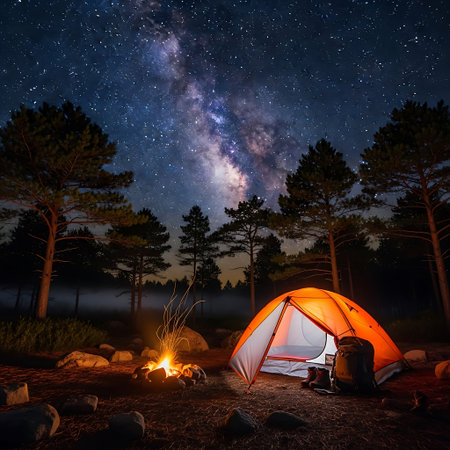
Introduction to Britains Ancient Landscapes
Britain’s countryside is a living tapestry woven with the remnants of civilisations long past. Among rolling hills, mist-laden moors, and ancient woodlands, you’ll discover some of the world’s most significant prehistoric monuments—none more iconic than Stonehenge. This mysterious circle of towering stones has captured the imagination of generations, standing as a silent sentinel on Salisbury Plain for over 4,000 years. Yet Stonehenge is only one highlight in the UK’s extraordinary catalogue of ancient sites. From the enigmatic stone circles of Avebury to the Neolithic burial mounds scattered across the landscape, Britain’s prehistoric heritage offers a unique window into the lives and beliefs of our ancestors. These sacred places have not only shaped our history but also continue to inspire a sense of wonder and curiosity today, inviting visitors from near and far to explore their enduring mysteries under the vast British sky.
Camping and Glamping Options near Stonehenge
If youre keen to experience the Wiltshire countryside and savour a genuine British outdoor adventure, camping or glamping near Stonehenge offers a fantastic way to immerse yourself in the landscape. From classic tent pitches on family-run farms to stylish glamping pods with all the mod cons, there’s something for every taste and budget—all within easy reach of the ancient stones.
Local Campsites: Traditional and Family-Friendly
Many campsites around Stonehenge are tailored for those who appreciate a back-to-basics approach. Expect well-maintained pitches, friendly wardens, and often a local pub within walking distance for that essential pint of ale after a day exploring. Facilities typically include hot showers, electric hook-ups, and sometimes even fire pits for marshmallow toasting under the stars.
| Campsite Name | Distance from Stonehenge | Facilities |
|---|---|---|
| Stonehenge Campsite & Glamping Pods | 3 miles | Pitches, glamping pods, fire pits, showers |
| Cholderton Rare Breeds Farm Campsite | 5 miles | Family-friendly, farm animals, playground |
| Amesbury Archer Campsite | 2 miles | Tent pitches, basic amenities, quiet setting |
Glamping Pods: Comfort Meets Countryside Charm
If you prefer your creature comforts but still want that fresh-air experience, glamping near Stonehenge is on the up. Options range from cosy wooden pods to safari tents complete with proper beds and wood-burning stoves—perfect for British weather unpredictability. Many offer private decking areas so you can enjoy a cuppa at sunrise with uninterrupted rural views.
Unique Overnight Stays: Something a Bit Different
For those after an overnight stay that’s truly memorable, several sites offer quirky accommodation options—think shepherds huts, eco-lodges made from reclaimed materials, or even vintage caravans. These spots are ideal for couples seeking a romantic escape or families wanting something out of the ordinary. Most are run by locals who are happy to share tips about hidden walks and the best local bakeries for your morning pastries.
Top Tips for a Proper British Camping Experience:
- Book ahead during summer and solstice periods as spaces fill up quickly.
- Pack layers—the evenings can get nippy even in midsummer.
- Bring wellies if rain is forecast; Wiltshire fields can get muddy!
No matter how you choose to stay, waking up with Stonehenge just down the road is sure to make your Wiltshire adventure unforgettable.

3. Other Prehistoric Sites Worth Visiting
If you’re planning to stay under the stars near Stonehenge, you’ll be pleased to know there are several other prehistoric sites in Wiltshire and beyond that are well worth a visit. These ancient landmarks not only offer fascinating insight into Britain’s distant past but also provide unique settings for outdoor adventures and peaceful overnight stays.
Avebury: A Monumental Stone Circle
Just a short drive from Stonehenge lies Avebury, one of the largest stone circles in Europe. Unlike Stonehenge, visitors are free to wander amongst the stones, touch them, and truly immerse themselves in the atmosphere. The site is surrounded by a charming village, offering local pubs and B&Bs for those who fancy extending their exploration. Avebury is part of a wider UNESCO World Heritage Site and is renowned for its spiritual significance and mysterious layout.
Silbury Hill: An Ancient Man-Made Mound
Nearby, you’ll find Silbury Hill—the tallest prehistoric man-made mound in Europe. Though climbing the hill itself isn’t permitted to protect this fragile monument, there are walking trails around it where you can marvel at its sheer scale and contemplate its purpose, which remains a mystery to this day. Setting up camp nearby gives you an atmospheric base for exploring both Silbury Hill and Avebury at your own pace.
Old Sarum: The Roots of Salisbury
If you venture further south towards Salisbury, don’t miss Old Sarum—an impressive Iron Age hillfort with layers of history. Here you can stand where ancient settlers built their homes, where Romans established forts, and where Normans constructed castles. The panoramic views from the earthworks make it an ideal spot for a picnic or sunset stroll after a day spent exploring.
Each of these prehistoric wonders tells its own story about Britain’s early inhabitants, their beliefs, and their ingenuity. By visiting these sites—and perhaps camping under the wide Wiltshire skies—you get to experience a tangible connection to the landscape and history that shaped the British Isles.
4. Embracing the Local Countryside Culture
One of the joys of staying near Stonehenge and other ancient sites is immersing yourself in the distinct charm of the English countryside. Beyond the iconic stones, this region offers a rich tapestry of local customs, welcoming pubs, and scenic walking trails that truly define rural life in England.
Tips for Making the Most of Your Countryside Experience
To help you embrace local culture and make your stay memorable, consider these practical tips:
Activity |
Tip |
Local Insight |
|---|---|---|
| Visiting Pubs | Pop into a village pub for a pint and traditional fare. | Pubs are social hubs; don’t be shy to strike up a conversation with locals or try real ale. |
| Walking Trails | Explore public footpaths and bridleways crisscrossing the landscape. | Look out for signposted National Trails like The Ridgeway or Wiltshire’s White Horse Trail. |
| Local Etiquette | Respect private land and close gates behind you when crossing fields. | A friendly “Good morning” goes a long way on country walks. |
| Markets & Shops | Visit farmers’ markets or independent shops for local produce and crafts. | Sample regional specialities like Wiltshire ham or freshly baked scones. |
| Village Events | Check noticeboards for fetes, fairs, or open gardens during your stay. | These gatherings offer authentic glimpses into community life and traditions. |
Pubs: The Heartbeat of Rural Life
No countryside visit is complete without experiencing a British pub. Many establishments near prehistoric sites date back centuries, offering not just food and drink but also history and character. Try the Sunday roast, chat by an open fire, or join in a pub quiz night—there’s no better way to feel part of the local scene.
Walking in Ancient Footsteps
Lace up your boots and set off along well-marked trails that pass through rolling hills, woodland, and meadows peppered with wildflowers. Many routes connect directly to heritage sites, allowing you to literally walk in the footsteps of our ancestors. Bring an Ordnance Survey map or use local walking apps for navigation.
A Few Essentials Before You Go:
- Dress in layers: English weather can change quickly—even in summer.
- Pack waterproofs: A light rain jacket is always handy.
- Mind the time: Village shops and pubs may close earlier than city venues.
- Cherish quiet moments: Early mornings or evenings are perfect for peaceful walks under big skies—perhaps even catching sight of deer or barn owls at dusk.
The countryside around Stonehenge rewards those who take time to engage with its landscape and people. By observing a few local customs and savouring simple pleasures, you’ll discover why so many visitors fall in love with rural England—often returning year after year for another escape beneath the stars.
5. Sustainability and Respect for Heritage Sites
When camping near Stonehenge or other prehistoric landmarks, it is essential to approach your stay with sustainability and respect at the forefront. These ancient sites are not only remarkable relics of our shared history but also sensitive environments that require careful stewardship.
Leave No Trace
Always follow the principle of leaving no trace. This means taking all rubbish with you, avoiding disturbing natural habitats, and refraining from picking plants or moving stones. By doing so, you help ensure that the landscape remains unspoilt for future generations.
Stick to Designated Paths and Campsites
Many areas around Stonehenge and other prehistoric monuments have clearly marked paths and designated camping spots. Use these facilities rather than venturing into protected zones. This simple step helps protect fragile archaeological features and minimises erosion caused by foot traffic.
Respect Local Regulations
Familiarise yourself with local rules, including restrictions on campfires, noise levels, and access times. Many heritage sites operate under specific bylaws designed to safeguard their integrity. By adhering to these regulations, you contribute to the ongoing preservation efforts led by heritage organisations and local authorities.
Support Local Communities
Responsible tourism extends beyond the site itself. Consider purchasing supplies from nearby shops, dining in village pubs, and using local guides. This not only boosts the rural economy but also fosters positive relationships between visitors and residents who act as custodians of these remarkable places.
A Thoughtful Approach to Photography
While capturing memories is part of any adventure, be mindful when photographing ancient sites. Avoid climbing on stones or entering restricted areas for a better shot—preserving the site’s integrity is always more important than the perfect photo.
By embracing these practices, you’ll enjoy a memorable experience under the stars while playing your part in protecting Britain’s prehistoric wonders for those yet to come.
6. Essential Packing and Practical Advice
A Checklist for Camping Near Stonehenge and Beyond
Preparing for a night under the British stars, especially near ancient sites like Stonehenge, calls for more than just enthusiasm. The weather in Wiltshire and surrounding areas can be unpredictable, with cool nights even in summer and frequent showers. Here’s an essential checklist to ensure your experience is comfortable and respectful of local traditions.
Weather-Ready Gear
- Four-season tent: British weather is famously changeable; a sturdy, waterproof tent is vital.
- Warm sleeping bag: Temperatures can drop quickly after sunset, so pack a sleeping bag rated for low temperatures.
- Layered clothing: Bring base layers, jumpers, and a waterproof jacket. Don’t forget your wellies or waterproof boots—mud is almost guaranteed.
British Customs and Practicalities
- Respect the site: Many prehistoric locations are protected; only camp in designated areas and follow local guidelines to protect both the landscape and heritage.
- Cups of tea: A flask or portable kettle is a staple for any British camping trip; nothing beats a hot brew under the stars.
- Torch (flashlight): While headlamps are practical, consider bringing a torch as well—a nod to classic British camping style.
Sustenance and Local Etiquette
- Local produce: Visit village shops for regional cheeses, bread, and chutneys to support local businesses and enjoy authentic flavours.
- No open fires: Open flames are often restricted near historical sites. Use a camping stove instead, and always clear up thoroughly after meals.
Final Tips
If you’re planning to visit during solstice celebrations or other special events at Stonehenge, book your pitch well in advance—sites fill up fast. Bring binoculars for stargazing, and remember that mobile signal can be patchy in rural Wiltshire. Most importantly, leave no trace: take all rubbish with you and respect the tranquility of these ancient landscapes. With a bit of preparation, you’ll experience the timeless magic of Britain’s prehistoric wonders in true local style.