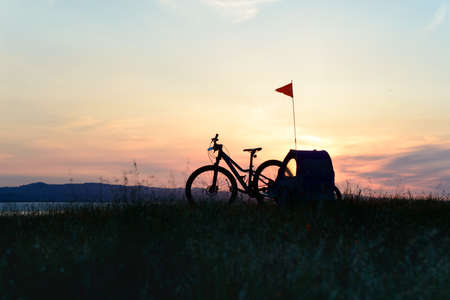
Introduction to Cycling and Bikepacking in Wales
Wales, with its rugged coastlines, undulating valleys, and soaring mountain ranges, is fast becoming a prime destination for cyclists and bikepackers across the UK and beyond. Whether you’re a seasoned tourer or just dipping your toes into multi-day adventures, the Welsh landscape offers an enticing blend of challenge and beauty. From the wild expanses of Snowdonia to the rolling hills of Brecon Beacons and the coastal charm of Pembrokeshire, every pedal stroke unveils a new facet of this captivating country. The unpredictable Welsh weather may keep you on your toes—expect quick shifts between sun, mist, and rain—but it’s all part of the authentic experience. Local cycling culture thrives on resilience, camaraderie, and a deep respect for nature, with well-marked trails and welcoming communities dotted along the way. In short, Wales is not just a place to ride; it’s a place to immerse yourself in adventure, forging memories on two wheels amidst some of Britain’s most striking scenery.
Overview of Welsh National Parks
Wales is home to three remarkable national parks—Snowdonia, Brecon Beacons, and Pembrokeshire Coast—each offering a unique landscape for cyclists and bikepackers. These parks are known not just for their stunning scenery, but also for their welcoming atmosphere towards outdoor enthusiasts who seek both adventure and tranquillity.
Snowdonia National Park
Nestled in North Wales, Snowdonia boasts the highest peak in Wales, Yr Wyddfa (Mount Snowdon), as well as rugged mountains, deep valleys, and expansive forests. Cyclists are drawn here for the challenging climbs and exhilarating descents, while campers appreciate the well-maintained sites close to natural wonders. Many trails accommodate both road and gravel bikes, making it a versatile destination for different cycling preferences.
Brecon Beacons National Park
Located in South Wales, Brecon Beacons offers rolling hills, sweeping moorlands, and hidden waterfalls. Its extensive network of bridleways and quiet country lanes make it ideal for long-distance cycle touring or short bikepacking getaways. The area is dotted with cyclist-friendly campsites that provide essential amenities after a day’s ride. Notably, the Taff Trail runs through this park and remains a favourite among local riders.
Pembrokeshire Coast National Park
This coastal park in West Wales is renowned for its dramatic cliffs, golden beaches, and picturesque seaside villages. The Pembrokeshire Coast Path offers unparalleled views and access to remote camping spots perfect for those seeking solitude. Coastal roads here are generally less trafficked, providing safe and scenic routes for all levels of cyclists.
National Park Features at a Glance
| Park | Main Attractions | Cycling Terrain | Campsite Highlights |
|---|---|---|---|
| Snowdonia | Mountains, lakes, ancient woodlands | Mountain tracks, gravel paths, tarmac roads | Lakeside pitches, mountain views |
| Brecon Beacons | Moorlands, waterfalls, caves | Bridleways, country lanes | Riverside sites, easy trail access |
| Pembrokeshire Coast | Cliffs, beaches, coastal villages | Coastal roads, cliff-top trails | Sea views, secluded bays |
The Appeal to Cyclists and Campers
Whether you’re after technical ascents or leisurely coastal rides, each Welsh national park has something distinct to offer. Campsites range from basic wild pitches to full-service holiday parks—many with dedicated facilities for cyclists. This diversity makes Wales an excellent destination for anyone looking to combine cycling adventures with immersive outdoor stays in some of Britain’s most celebrated landscapes.

3. Best Trails for Bikepacking
Wales is blessed with three stunning National Parks: Snowdonia (Eryri), Brecon Beacons (Bannau Brycheiniog), and Pembrokeshire Coast. Each park offers its own unique cycling and bikepacking routes, catering to various levels of experience and adventure.
Snowdonia National Park
The Mawddach Trail is a firm favourite among cyclists, stretching 15km along a disused railway from Dolgellau to Barmouth. This mostly flat, gravel path is ideal for beginners and families, providing breathtaking estuary views and easy access to local cafés. For seasoned bikepackers seeking a challenge, the Sarn Helen Trail covers ancient Roman roads and mountain tracks through the heart of Snowdonia. Expect rocky terrain, steep climbs, and remote moorland—perfect for those craving wild Welsh landscapes. Notable points of interest include the majestic Cadair Idris and the historic village of Llan Ffestiniog.
Brecon Beacons National Park
The Taff Trail is arguably the most iconic long-distance cycle route in South Wales, running 88km from Cardiff to Brecon. The section passing through the Beacons offers varied riding, from canal towpaths and forest tracks to open moorland. While most of it is manageable for intermediate riders, some hilly sections can be demanding. For something wilder, the Gap Road provides a classic off-road experience, crossing high passes with panoramic views of Pen y Fan. Highlights along these routes include Brecon town’s markets, the Monmouthshire & Brecon Canal, and the dramatic upland scenery.
Pembrokeshire Coast National Park
Though known for coastal walking, Pembrokeshire offers some rewarding bikepacking routes too. The Celtic Trail (Route 4) skirts much of the National Park, offering undulating rural lanes with occasional steep pitches—best suited to confident cyclists. Routes around St Davids combine quiet country roads with spectacular sea vistas and opportunities to spot wildlife like choughs and seals. Don’t miss riding past Carew Castle or exploring hidden coves near Stackpole.
Terrain and Ride Difficulty
Across all three parks, terrain ranges from smooth tarmac lanes to rugged doubletrack and technical singletrack. Beginners will find plenty of mellow trails on disused railways or canal paths, while experienced riders can seek out mountain routes with challenging gradients and loose surfaces. Weather conditions can change rapidly in Wales—always check forecasts before setting off.
Points of Interest Along the Way
Beyond the ride itself, each National Park boasts its own highlights: ancient castles in Pembrokeshire, slate quarries in Snowdonia, waterfalls in the Brecon Beacons, and countless welcoming Welsh villages ready with tea rooms or a local pint to round off your journey.
Top Campsites and Wild Camping Ethics
When embarking on a bikepacking adventure through the national parks of Wales, finding the right spot to pitch your tent is essential. While wild camping offers a sense of freedom, respecting local laws and choosing established campsites where possible ensures both your safety and the preservation of the landscape. Here, we highlight some of the best campsites that cater specifically to cyclists and bikepackers, as well as provide guidance on responsible wild camping practices.
Best Bikepacker-Friendly Campsites in Welsh National Parks
| Campsite | National Park | Facilities for Cyclists | Notes |
|---|---|---|---|
| Tyn Cornel Camping | Snowdonia (Eryri) | Bike storage, drying room, close to trails | Popular with mountain bikers; riverside location |
| Pembrokeshire Coast Caravan & Camping | Pembrokeshire Coast | Secure cycle storage, hot showers, access to coastal paths | Ideal for long-distance cyclists following the Wales Coast Path |
| Bryncroes Camping Site | Llyn Peninsula (near Snowdonia) | Basic facilities, quiet pitches, open fires allowed (with care) | Great stopover for remote routes; minimal light pollution |
| Cae Du Campsite | Snowdonia (Eryri) | Seafront pitches, cycle-friendly policies, communal areas | No-frills site with stunning views over Cardigan Bay |
| Dinas Farm Camping & Glamping | Brecon Beacons (Bannau Brycheiniog) | Sheltered pitches, washing up areas, electric hook-up available | Well placed for Taff Trail and local MTB routes |
Wild Camping: Do’s and Don’ts in Wales
While wild camping is part of the spirit of bikepacking, it’s important to note that in Wales, unlike Scotland, there is no legal right to wild camp without landowner permission. However, discreet wild camping is tolerated in remote upland areas if done responsibly. Here are some key guidelines:
The Do’s of Wild Camping in Wales
- Seek Permission: Always try to obtain landowner consent before setting up camp.
- Be Discreet: Camp late and leave early; use small tents and avoid drawing attention.
- Leave No Trace: Take all litter with you, avoid open fires unless permitted, and stick to durable surfaces.
- Respect Wildlife and Livestock: Pitch away from farm animals and nesting birds.
- Avoid Sensitive Areas: Steer clear of popular footpaths or overcrowded beauty spots.
The Don’ts of Wild Camping in Wales
- No Large Groups: Wild camping should be solo or in very small groups (no more than 2-3 tents).
- No Long Stays: Never stay more than one night in the same spot.
- No Disturbance: Don’t play loud music or make excessive noise.
- No Damage: Don’t dig trenches or damage vegetation.
- No Fires (Unless Allowed): Open fires are generally discouraged; use a camping stove instead.
A Note on Local Etiquette and Law Enforcement
If approached by landowners or park rangers, always be polite and prepared to move on if requested. The Welsh countryside thrives because of careful stewardship—help keep it special for everyone by following these simple ethics. For those seeking peace of mind and facilities such as showers or charging points, consider planning your route around official campsites tailored for cyclists. This way you can enjoy both adventure and comfort as you explore Wales’ breathtaking national parks.
5. Essential Kit and Preparation Tips
If you’re planning to cycle or bikepack through Wales’ National Parks, your kit and preparation can make or break the experience. Here’s some practical advice, keeping in mind British weather, local cycling customs, and the unique conditions you’ll encounter in Snowdonia, Brecon Beacons, or Pembrokeshire Coast.
Gear Selection for Welsh Adventures
Opt for a sturdy touring or gravel bike with wide tyres for mixed terrain—Welsh trails often mix tarmac, bridleways, and rocky forest paths. Panniers or bikepacking bags should be waterproof: expect rain even in summer. Pack lightweight layers; merino wool is popular among UK cyclists for its warmth and quick drying. Don’t forget spare tubes, a multi-tool, chain lube, and a reliable pump—rural Welsh villages can be few and far between for repairs.
Weather-Proofing Your Ride
The weather is famously unpredictable across Wales. Always pack a quality waterproof jacket (look for taped seams) and overshoes. A cap under your helmet helps with drizzle, while clear-lens glasses protect against mud splatter. For autumn or spring trips, thermal gloves are a must. Check the Met Office forecast before setting off each day and prepare for rapid changes in temperature and visibility.
Navigation and Local Etiquette
GPS devices or smartphone apps like Komoot are invaluable on remote trails, but bring an Ordnance Survey map as backup—mobile signal can vanish in the hills. When passing walkers or horse riders on shared paths, slow down and greet them politely; this is expected on UK trails. Always close gates behind you and stick to designated rights of way to respect farmers’ land.
Safety Essentials
- Helmet: mandatory on most organised rides; always recommended.
- Lights: front and rear, even in summer due to sudden fog or tunnels.
- First aid kit: include blister plasters and antihistamines (for nettles).
- Whistle: useful for attracting attention on remote tracks.
Local Insights
Campsites may require advance booking in peak season—call ahead where possible. Wild camping is not generally permitted outside of designated areas, so check National Park guidelines. Bring cash as rural shops and cafés occasionally lack card facilities. Finally, let someone know your planned route before heading into the hills—it’s common practice among local cyclists for peace of mind.
6. Local Culture and Community
One of the true highlights of cycling and bikepacking through Wales’ National Parks is the opportunity to immerse yourself in the local culture and connect with the warm, welcoming Welsh communities along your route. The spirit of Welsh hospitality—often described as “cwtch,” a word that goes beyond a simple hug to encompass warmth, comfort, and belonging—is alive and well in the villages and towns you’ll pass through.
Welcoming Villages and Friendly Locals
Expect friendly greetings when stopping at rural shops, pubs, or community cafés for a bite or a hot cup of tea. Many locals are keen cyclists themselves and may offer helpful tips about the best routes, hidden viewpoints, or even an invitation to join in a local event. Don’t be surprised if you’re asked about your journey—Welsh people are genuinely interested in travellers’ stories and love sharing their own insights about the land.
Cycling Meet-Ups and Community Events
Across Snowdonia, Brecon Beacons (Bannau Brycheiniog), and Pembrokeshire Coast National Park, you’ll find a thriving cycling scene supported by local clubs and regular meet-ups. Check out community notice boards or social media pages for impromptu group rides or charity events—joining one is a great way to meet fellow riders, exchange route advice, and experience Welsh camaraderie firsthand. Some village halls also host ‘Welsh Cake Mornings’ or post-ride gatherings where you can refuel with traditional treats like bara brith or Welsh rarebit.
Respectful Engagement with Residents
The countryside here is not only a playground for adventure but also home to farmers, craftspeople, and families who deeply value their landscape. Always greet people politely, respect private property, close gates behind you on public footpaths or bridleways, and follow the Countryside Code. A simple “bore da” (good morning) or “diolch” (thank you) in Welsh goes a long way—it’s a gesture appreciated by locals.
Sharing Trails with Others
On popular multi-use trails, remember to yield appropriately to walkers and horse riders. A friendly bell ring and a smile help ensure everyone enjoys their time outdoors safely. If you meet fellow bikepackers at campsites or on the trail, don’t hesitate to swap stories over a camp stove or share resources; this sense of mutual support is at the heart of cycling culture in Wales.
By embracing local customs and engaging openly with residents and other adventurers, your journey through Wales’ National Parks becomes much richer—not just a ride through stunning landscapes but a genuine connection with its people.
7. Resources and Further Planning
Embarking on a bikepacking adventure across Wales’ national parks requires thorough preparation. To help you make the most of your journey, here’s a practical guide to essential resources that will support your planning and enrich your experience.
Maps and Navigation Tools
Reliable navigation is crucial when exploring the varied terrains of Snowdonia, Brecon Beacons, and Pembrokeshire Coast. The Ordnance Survey (OS) maps are the gold standard in the UK for detailed topographical information. For cyclists, the OS Explorer series covers all Welsh national parks with fine detail, highlighting bridleways, byways, and national cycle routes. Digital mapping options such as Komoot and OS Maps app provide downloadable routes and GPS tracking features, ensuring you stay on course even in remote areas.
Cycling Organisations and Local Support
Connecting with established cycling organisations can offer invaluable insights. Cycling UK is a leading charity providing route advice, advocacy, and insurance for members. Sustrans manages the National Cycle Network (NCN), with many Welsh trails integrated into their network – their website offers interactive maps and trail updates. Local clubs like Welsh Cycling often host group rides and share knowledge about lesser-known tracks or recent trail conditions.
Transport Links for Cyclists
Wales boasts good rail connectivity between major towns and park gateways. Transport for Wales trains generally allow bikes onboard (though reservations may be required on busy services), making it easier to reach starting points or return from distant finish lines. Several bus companies also accommodate bikes; however, it’s wise to check policies beforehand. Bike hire is available at popular hubs including Betws-y-Coed, Brecon, and Haverfordwest if you prefer not to travel with your own bicycle.
Further Reading and Trip Inspiration
For those seeking more in-depth guidance or inspiration, books such as “Lost Lanes Wales” by Jack Thurston showcase scenic backroads ideal for cycle touring. Online forums like Bikepacking.com’s UK section feature first-hand trip reports and kit reviews tailored to British conditions. The Visit Wales website is also a rich source of up-to-date information on campsites, weather forecasts, local events, and access rights.
Final Tips
Before setting off, double-check trail access regulations – some routes are shared with walkers or have seasonal restrictions. Always inform someone of your itinerary, especially if venturing into remote areas. With careful planning and these resources at hand, you’ll be well equipped for an unforgettable bikepacking journey through Wales’ national parks.